REVIEW · S HERTOGENBOSCH
Den Bosch: Het Noordbrabants Museum Entry Ticket
Book on GetYourGuide →Operated by Het Noordbrabants Museum · Bookable on GetYourGuide
A museum ticket in Den Bosch can be a whole afternoon or more. The Noordbrabants Museum mixes 18th-century palace rooms with art tied to North Brabant, including big names like Vincent van Gogh and Jan Sluijters. I love how interactive the lower-level storytelling feels, and I also like the way Brabant’s past and present are connected through the art. One possible drawback: if you’re hoping for a specific van Gogh-themed moment, temporary displays can change, so you might not see every special presentation on your day.
The practical beauty here is that it’s built for self-paced visiting. You’ll move through permanent galleries and then shift gears to rotating temporary exhibitions with international contemporary art. If you want a full guided tour with a lecturer-style guide leading every room, you may need to manage expectations since this is fundamentally an entry ticket experience.
In This Review
- Key things worth getting excited about
- Den Bosch’s historic center + palace rooms you can actually feel
- Permanent exhibitions: Brabant’s past and present, not just art on walls
- Art highlights you should plan around: Sluijters, van Gogh, and the Bruegels
- How to handle the temporary exhibitions (they’re the wildcard)
- A visit that works even when you’re tired: interactive spaces, courtyard breaks, and a brasserie
- Time planning: a 1-day ticket that lets you pace yourself
- Price and value: is $20 a good deal?
- Accessibility and practical comfort
- Should you book this Noordbrabants Museum entry ticket?
- FAQ
- How long is the Noordbrabants Museum entry ticket valid?
- Where do I go to enter the museum?
- How much does the ticket cost?
- Is this wheelchair accessible?
- What languages are available for the host or greeter?
- Can I cancel if my plans change?
Key things worth getting excited about
- 18th-century palace setting: you’re not just looking at art—you’re inside a historic building
- Brabant-focused permanent exhibits: the province’s past and present come through art and context
- Big-name artists with local roots: Jan Sluijters, Vincent van Gogh, and the Bruegel family show up here
- Rotating contemporary exhibitions: international art mixed with opportunities for newer talent from Brabant
- Easy add-ons on-site: a modern brasserie, museum shop, and a courtyard garden for breathing room
Den Bosch’s historic center + palace rooms you can actually feel
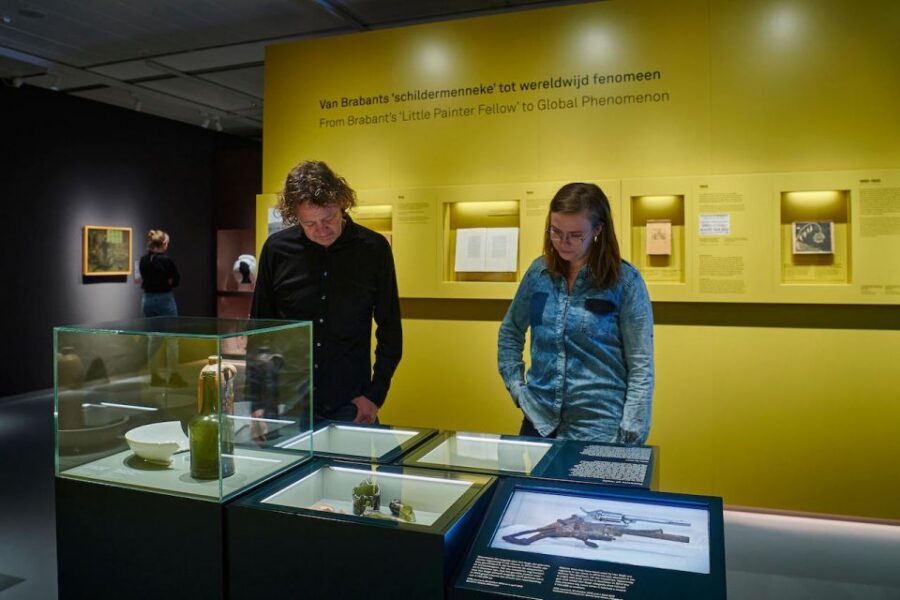
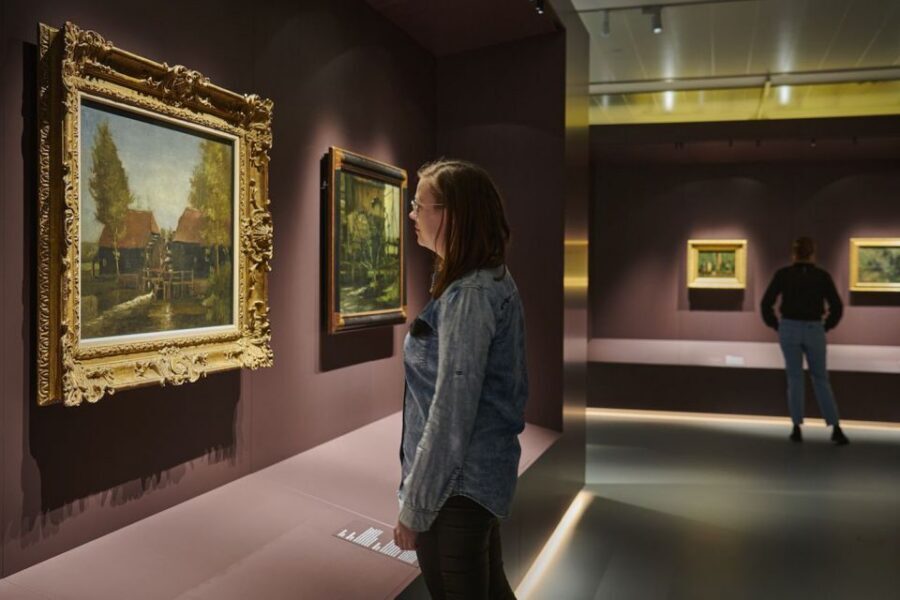
Noordbrabants Museum sits in the historic center of ‘s-Hertogenbosch, so it fits naturally with a walking day. The building itself matters. This museum is in one of the city’s most historical structures, and the 18th-century palace rooms give your visit an extra layer of atmosphere.
I like museums where the setting doesn’t feel like an afterthought. Here, the architecture helps you slow down and look around, not just at labels. If you enjoy European museums that feel like part of the town’s story, this one clicks fast.
You can also read our reviews of more tours and experiences in S Hertogenbosch.

Permanent exhibitions: Brabant’s past and present, not just art on walls

The core experience is the permanent collection. You’re there to learn about the history of the Dutch province of North Brabant, using art as the main language. Instead of treating Brabant like a footnote, the museum frames it through what’s on view—so even a casual stop can turn into something you remember.
Expect galleries that connect Brabant’s story to artists who either came from the province or are strongly linked to it. You’ll see a mix of work that points backward (how the region evolved) and forward (how contemporary artists carry on the cultural thread).
A practical note: the permanent sections are likely where you’ll spend most time. If you only have energy for one “deep” portion of the museum, I’d choose the Brabant-focused areas first, then let the rest be your bonus.
Art highlights you should plan around: Sluijters, van Gogh, and the Bruegels
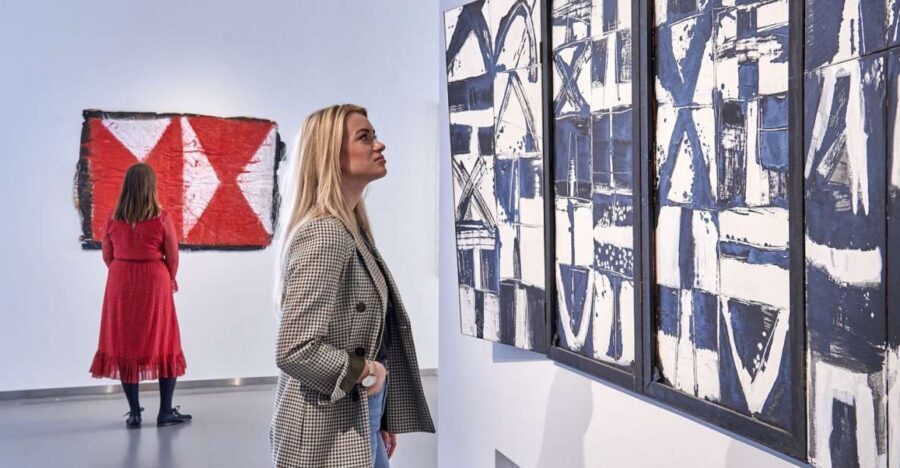
This is one of the biggest reasons the ticket feels worth it. The museum highlights artists that people recognize immediately, and it anchors them in a regional story.
You can look for works by Jan Sluijters and Vincent van Gogh, plus pieces tied to the Bruegel family. Those names aren’t just decoration here—they’re part of how the museum introduces the broader artistic conversation of North Brabant and beyond.
One thing I’d flag: museum lineups can shift, especially for any Gogh-related special programming. Even within the same museum, your day may or may not line up with a particular display you were hoping for. If your travel goal is specifically van Gogh on that exact day, you’ll want to accept that the museum’s schedule controls what’s in front of you.
How to handle the temporary exhibitions (they’re the wildcard)
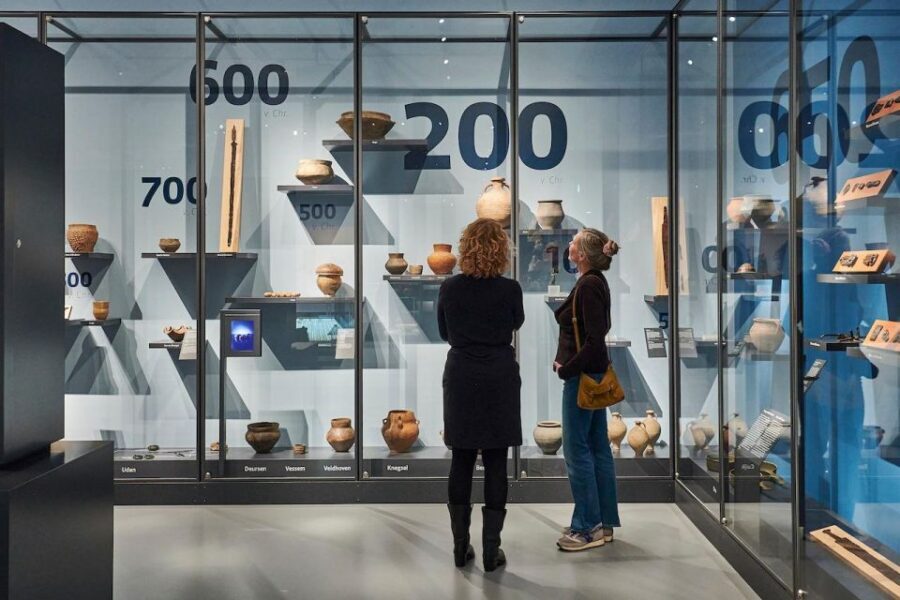
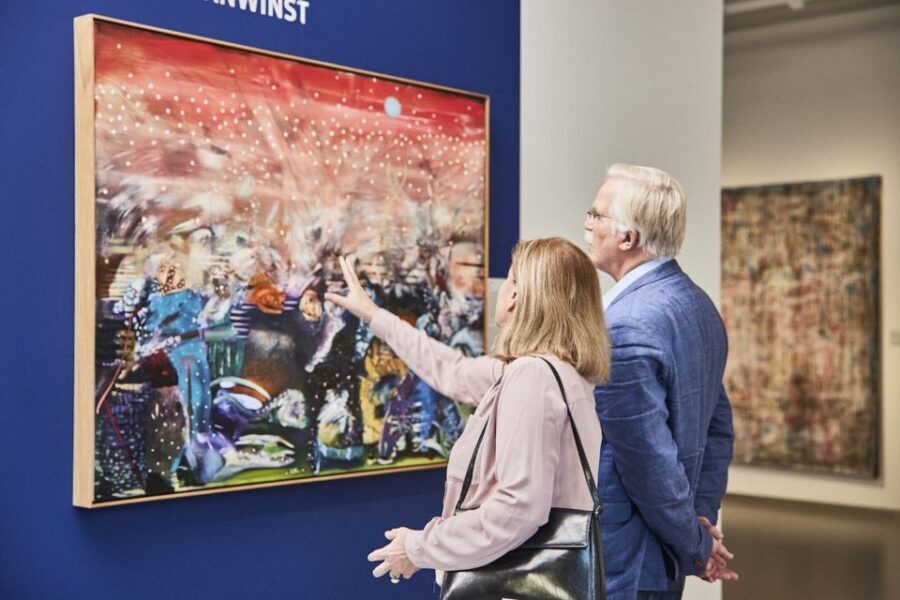
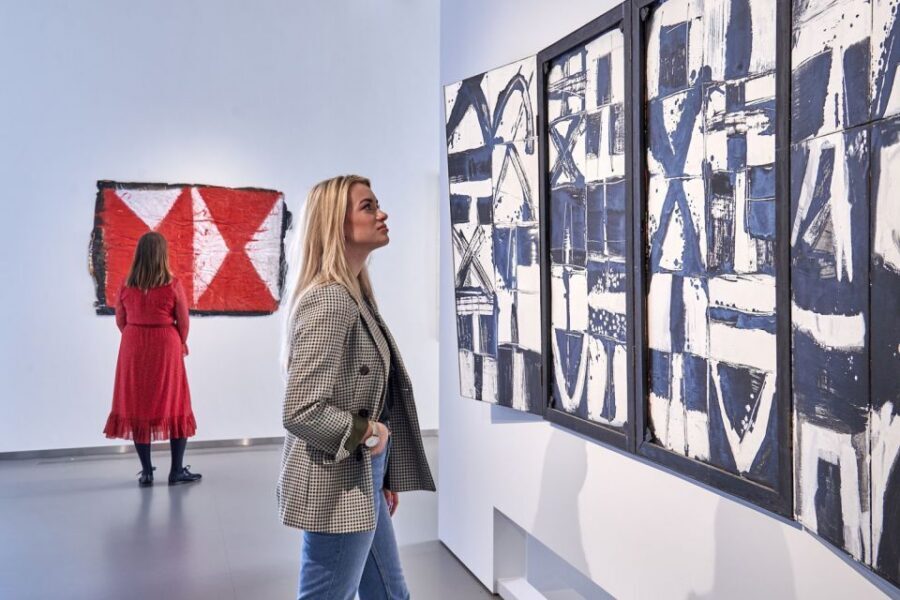
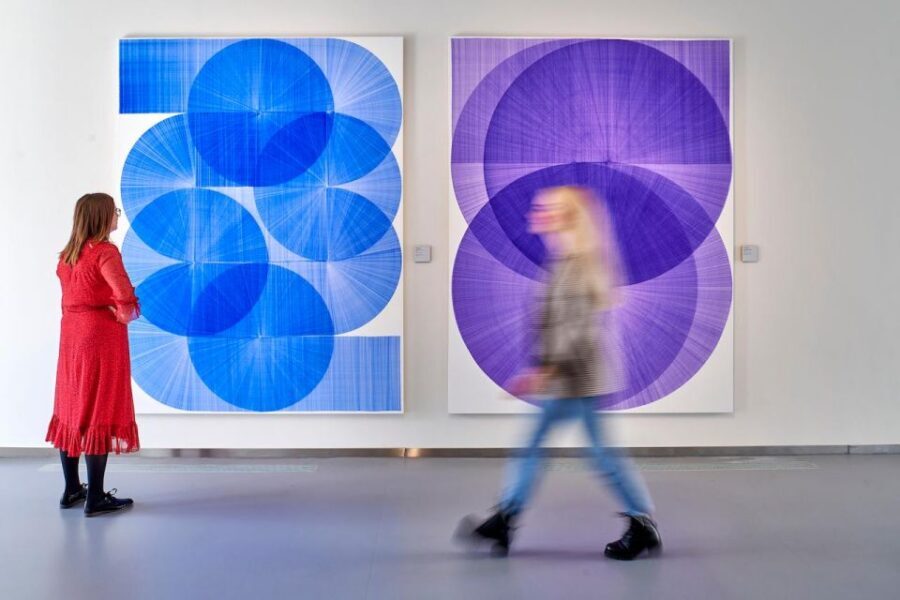
The museum also runs rotating temporary exhibitions, including international contemporary art. That matters because it changes the rhythm of the visit. After moving through Brabant’s story, the temporary shows push you to think in a newer way—often with bolder styles and different themes than you’d see in a strictly historical collection.
I like having this structure because it prevents the visit from feeling one-note. Permanent galleries tell you where things came from; temporary exhibitions show where art is going now.
If you’re the type who gets bored when a museum stays in one time period too long, this is a strong reason to come. If you only care about the Brabant story and classic artists, you might treat the temporary section as a shorter stop—still worth checking, but not necessary to exhaust yourself.
A visit that works even when you’re tired: interactive spaces, courtyard breaks, and a brasserie
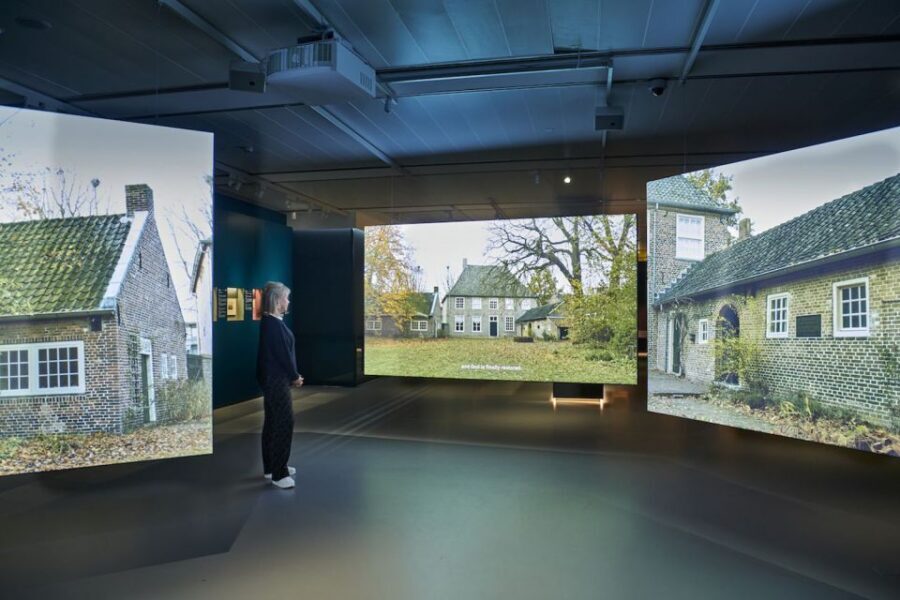
One of the best surprises is how the museum can feel lively without being chaotic. In particular, the lower level has a reputation for being very interactive and easy to follow. That kind of design helps when you’re visiting with mixed interests—art lovers and people who just want context both get something.
Then there’s the “reset button” built into the plan: a beautiful courtyard garden and a modern brasserie. After you’ve spent time indoors, you can step outside for air and a quick sit-down. You’re not forced to power through the whole building.
My advice: don’t treat the courtyard and brasserie as optional. They make the museum feel more like a day out and less like an endurance event. And if you’re visiting with friends, the courtyard gives you an easy place to compare what you each liked.
Time planning: a 1-day ticket that lets you pace yourself
The ticket is valid for 1 day, and starting times are part of availability. That’s useful because it gives you flexibility. You can schedule it so you’re not rushing through the building when your energy is low.
In terms of pacing, I’d think in “zones”:
- First, do the Brabant-focused permanent galleries (your main learning block).
- Then, spend time on the big-name artist areas you most want to see.
- Finally, treat the temporary exhibitions as your bonus exploration.
This is especially helpful because you’ll probably notice the museum has different “speeds.” Some sections can feel more engaging than others depending on your taste. If you hit a calmer area, give yourself permission to move at your pace instead of forcing it.
Price and value: is $20 a good deal?
At about $20 per person, you’re paying for more than an art viewing. You’re getting a mix of:
- a historic 18th-century palace setting,
- Brabant history and culture told through art,
- recognized artists with regional ties,
- plus rotating contemporary exhibitions,
- and access to on-site amenities like the brasserie and garden.
For value, the key question is simple: do you want both historical and contemporary art in the same stop? If yes, this ticket feels reasonable. If you only care about one era, you might feel the price more sharply because part of the museum is designed for variety.
So I frame it this way: this is a good buy if you enjoy museums that blend story + collection + changeable exhibitions. It’s less of a slam dunk if you’re expecting a fully guided tour with someone leading every room.
Accessibility and practical comfort
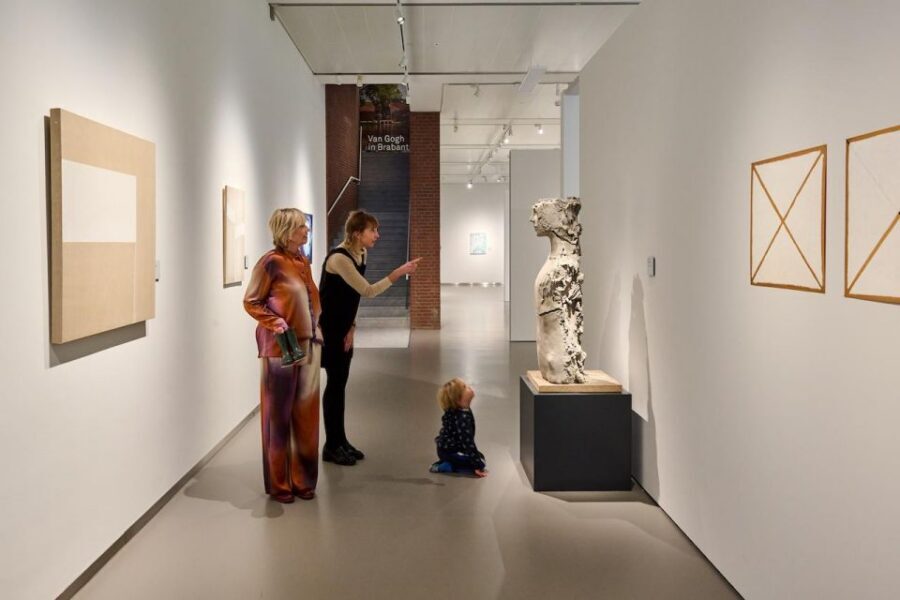
The museum is wheelchair accessible, which is a big plus for planning a smooth visit. Also, because you’re moving through galleries and likely climbing around museum spaces, comfortable shoes help—especially if you’ll combine your museum time with walking around Den Bosch afterward.
If you’re sensitive to crowds, plan for peak hours in a busy city center. The museum is in the heart of Den Bosch, so your timing can affect how relaxed your experience feels.
Should you book this Noordbrabants Museum entry ticket?
Book it if:
- you want a self-paced art museum day in Den Bosch,
- you like a Brabant-focused story told through real artwork,
- you’re curious about both permanent galleries and changing contemporary exhibitions,
- and you’ll actually use the extra time for the courtyard and brasserie.
Skip or reconsider if:
- you’re arriving expecting a guided tour experience with a dedicated guide for every room,
- or you’re chasing a very specific temporary display and can’t be flexible if it’s not on view.
If you want a museum that feels rooted in place—inside historic rooms, with recognizable art names, and with the museum still changing as you visit—this ticket is a solid way to spend your day in Den Bosch.
FAQ
How long is the Noordbrabants Museum entry ticket valid?
The ticket is valid for 1 day. You can also check availability to see the starting times.
Where do I go to enter the museum?
Your meeting point is Noordbrabants Museum.
How much does the ticket cost?
The price listed is about $20 per person.
Is this wheelchair accessible?
Yes, the museum is wheelchair accessible.
What languages are available for the host or greeter?
The host or greeter is available in English and Dutch.
Can I cancel if my plans change?
You can cancel up to 24 hours in advance for a full refund.