REVIEW · AMSTERDAM
Amsterdam Highlights Small-Group Walking Tour
Book on Viator →Operated by Amsterdam Guías & Tours · Bookable on Viator
Amsterdam can feel like a lot of streets at once. This small-group tour turns that blur into clear, walkable stops with real context. I like the small-group setup (often under 10) because you get more guide attention, and I like the optional canal cruise that softens the pace after the walk. One thing to consider: some parts move through busy public squares, so if you dislike crowds or loud street noise, plan to stand close to the guide and bring patience.
You’ll start at Beursplein near the stock exchange area, then work your way through big landmarks and quieter corners, including the Chinese Quarter, the Jewish Quarter area, and the Begijnhof courtyard. The route ends at Dam Square, right where Amsterdam usually turns up the volume—great for photos, less great if you’re looking for a calm stroll the whole time.
In This Review
- Key Things to Know Before You Go
- Beursplein Start: Spotting Your Guide by the Bull and Blue Umbrella
- Amsterdam Centraal and Pierre Cuypers: A Station Worth More Than a Stop Sign
- Through the Chinese Quarter to the Buddhist Temple of Amsterdam
- Nieuwmarkt and San Antón Gate: Markets, Architecture, and Quick Context
- Jodenbuurt and WWII Stories: Learning With Care in a Real Neighborhood
- Muntplein Flower Market Energy and Begijnhof Courtyards
- Dam Square: The Heart of Amsterdam in a Focused 15 Minutes
- Price and What You Get for About $24.08
- Optional 1-Hour Canal Cruise: When to Choose It
- Guides Matter: What Good Guide Style Looks Like Here
- How to Prepare for a Smooth 2 to 3 Hours in Central Amsterdam
- Who This Tour Suits Best (And Who Might Skip)
- Should You Book This Amsterdam Highlights Small-Group Walking Tour?
- FAQ
- How long is the Amsterdam Highlights small-group walking tour?
- Is this tour really small-group?
- Where do I meet the guide, and where does the tour end?
- Is the tour offered in English?
- What’s included in the price?
- Is the canal cruise part of the standard tour?
- Which major sights are covered during the walk?
- Do the tour stops require paid admission?
- What is the cancellation window for a full refund?
Key Things to Know Before You Go

- Small group, maximum 10: expect tighter pacing and more chances to ask questions.
- Meet by the stock-exchange square feel: your guide waits at Beursplein in front of Cafe Bistro, by the bull figure, with a blue umbrella or logo tag.
- Pierre Cuypers’ Amsterdam Centraal: you’ll get the why behind the station’s design and opening year (1889).
- Chinese Quarter temple stop: you’ll walk through the area and pause for the Buddhist Temple of Amsterdam.
- Jewish Quarter WWII stories included: you’ll hear context you won’t get from a casual stroll alone.
- Canal cruise option if you upgrade: a 1-hour ride pairs nicely with the walking portion.
Beursplein Start: Spotting Your Guide by the Bull and Blue Umbrella
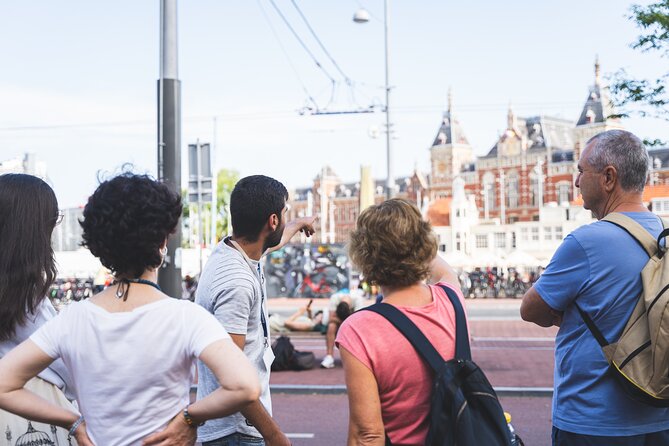
The tour kicks off at Beursplein (1012 JW Amsterdam). Your guide is easy to spot if you know what to look for: they’ll be waiting in front of Cafe Bistro next to the bull figure, using either a blue umbrella or an Amsterdam Guides & Tours logo tag.
Why I like this start: it’s not one of those vague meetups where you’re hunting for a person in a sea of people. It also puts you near major transit links, which matters in Amsterdam, where walking plans can change fast.
Practical tip: arrive a little early and don’t assume the group will bunch up instantly. Squares can get noisy, and you’ll want a clear view of your guide before you begin.
You can also read our reviews of more tours and experiences in Amsterdam.

Amsterdam Centraal and Pierre Cuypers: A Station Worth More Than a Stop Sign
After Beursplein, the route heads to Amsterdam Centraal Station. This is where the tour becomes more than just sightseeing, because you get the story of why this station is such a big deal.
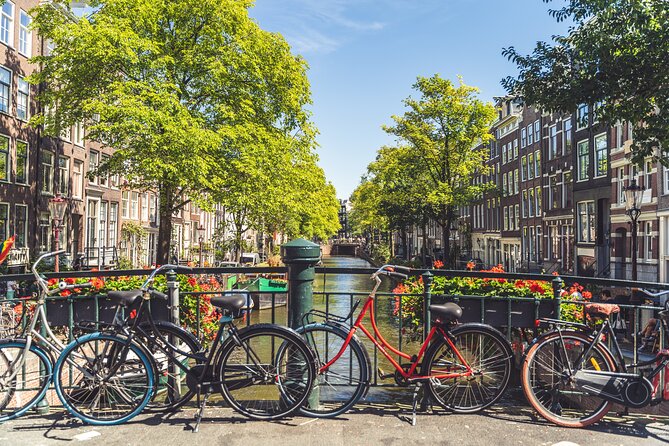
Amsterdam Centraal was designed by Dutch architect Pierre Cuypers and opened in 1889. It’s Amsterdam’s largest railway station and the main hub for trains, which is also why it shows up in so many travel memories—people pass through it even if they don’t notice the building itself.
What you gain from this stop: you’ll start to see Amsterdam’s layout as connected. The city doesn’t just have sights; it has systems—waterways, rail, streets—and this station is one of the clearest proof points.
Possible drawback: stations are busy. If crowds stress you out, keep your focus on listening and watching your guide’s cues for when to move.
Through the Chinese Quarter to the Buddhist Temple of Amsterdam
Next comes a walk through the Chinese Quarter. You don’t just pass through; you get a pause that gives the neighborhood a sense of place, including a visit to the Buddhist Temple of Amsterdam.
This matters because it breaks the usual Amsterdam rhythm. Many first-timers bounce between canal views and museums. Here you get a different Amsterdam—one where faith, community life, and a neighborhood identity show up right on the street level.
You’ll also learn how the city’s different cultural areas fit side-by-side. That contrast makes the rest of the route more interesting, because you start noticing how Amsterdam’s neighborhoods each tell their own story.
Nieuwmarkt and San Antón Gate: Markets, Architecture, and Quick Context
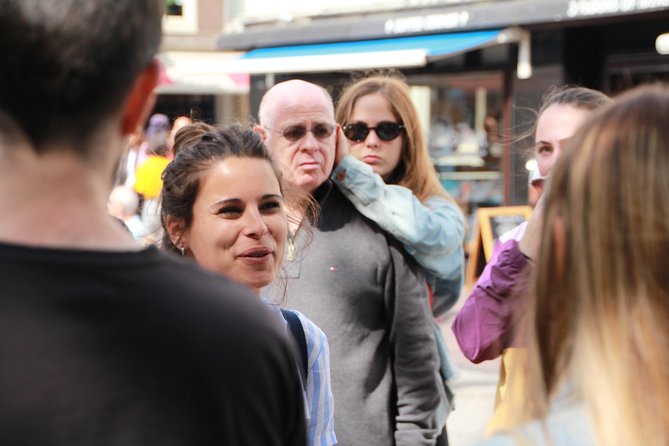
From there you head to Nieuwmarkt—the new market area—and the nearby San Antón Gate close to the Chinese Quarter. This is one of those stops where the setting is easy to recognize, but the meaning isn’t always obvious without a guide’s context.
Why it works on a short walking tour: you get just enough background to make the place legible. You learn what to look at, and you stop thinking of the city as random street scenery.
In practice, this is also a good moment to adjust your expectations for the day. Some stops feel like mini history lessons. Others feel like a guided version of wandering.
Jodenbuurt and WWII Stories: Learning With Care in a Real Neighborhood
One of the most serious parts of the route is the area around Jodenbuurt. You’ll hear the story of the Jewish Quarter and the sad history of World War II.
This is the kind of information that changes how you see a street. Even if you’ve read about the Netherlands and WWII before, hearing it in context—while you’re standing in the neighborhood—adds weight. You don’t get that from a museum label or a brochure-size summary.
I also appreciate that the tour keeps moving. In a walking format, you’re not stuck in one spot for a long time. It’s still respectful, but it avoids turning the day into a slow, heavy lecture.
Consideration: because this is a city center route, you can run into crowds and street activity. If you’re sensitive to noise, keep close to the guide so you don’t miss key points.

Muntplein Flower Market Energy and Begijnhof Courtyards
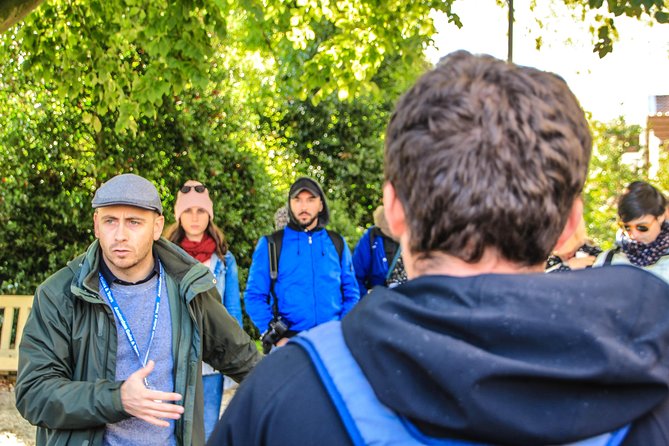
Then the tour turns toward one of Amsterdam’s most photo-friendly squares: Muntplein. You’ll hear about why it’s famous, including the flower market connected to the area.
From there you’ll reach Begijnhof (near Spui Square). This is where Amsterdam switches gears from busy square energy to something calmer and more enclosed. The tour includes time at the Begijnhof gardens, and you’ll also hear related context about the flower market or the De Krijtberg Kerk.
Why this stop set is a smart use of time: Amsterdam often surprises you when you move from open streets to inner courtyards. The Begijnhof gardens give you a pause that feels removed from the noise, even though you’re still in the center.
Practical tip: wear shoes that handle cobblestones and expect a bit of uneven walking. You’ll want to move comfortably between squares and quieter side paths.
Dam Square: The Heart of Amsterdam in a Focused 15 Minutes
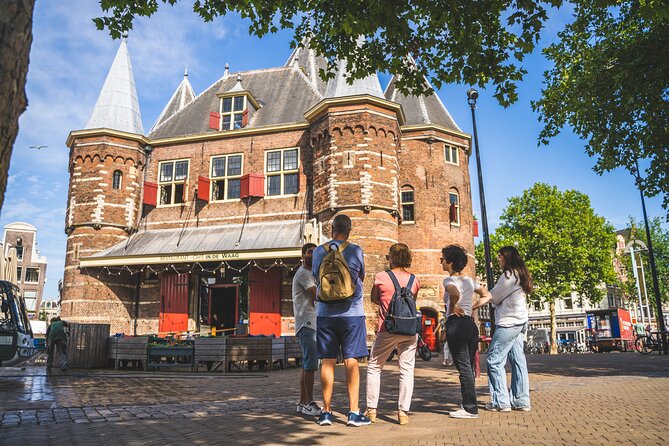
The finish is Dam Square, the central heart of the city. In about 15 minutes, you’ll see major landmarks nearby, including the Royal Palace, the Nieuwekerk, and the National Monument.
Dam Square is big on atmosphere. It’s also big on distractions—street life, ongoing activity, and sometimes noise. That means the value of this stop depends on how you use it.
Here’s how to make it work:
- Watch for what your guide points out first.
- Treat your camera as a secondary task while the guide is talking.
- Use the last minutes to orient yourself for the rest of your day.
If you’re tight on time in Amsterdam, landing at Dam Square is a good end point. It’s easy to branch out to nearby sights and areas without needing another major transit plan.
Price and What You Get for About $24.08
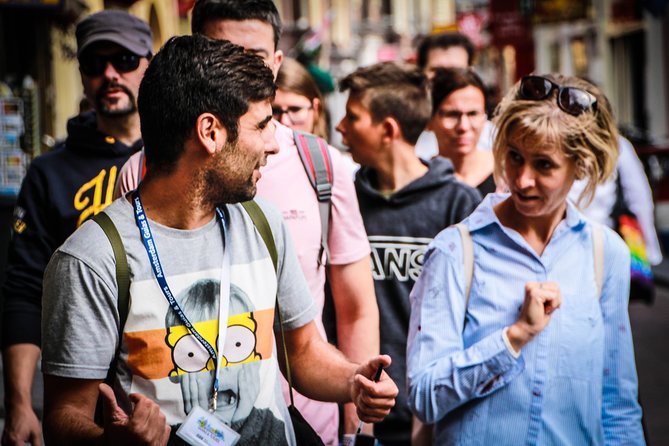
At around $24.08 per person, this tour is positioned as an affordable way to get real structure in a city that can feel overwhelming. The math works best if you care about understanding what you’re looking at, not just checking boxes.
What you’re paying for:
- a professional guide
- a 2.5-hour walking tour experience
- small groups (maximum 10)
- and, if you choose it, a 1-hour canal cruise ticket
The value pops when you factor in the small group piece. When you’re in a group this size, guides can answer questions and adjust pacing. That’s a big deal if you want a more personal tour style rather than being shoved along with headphones and a vague wave of the hand.
You also get a clear route that hits major zones. Instead of spending your limited first days mapping the city, you’re getting a guided framework you can build on.
Optional 1-Hour Canal Cruise: When to Choose It
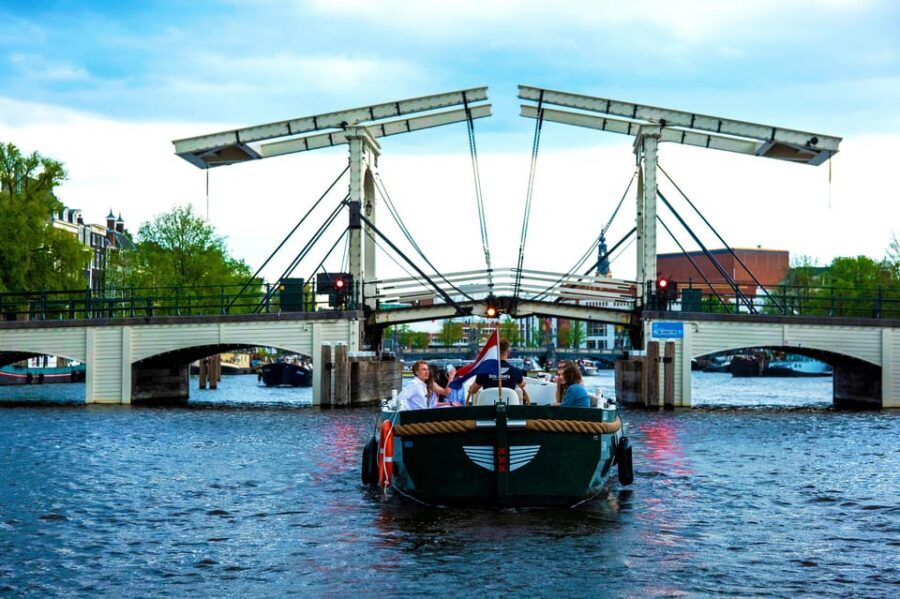
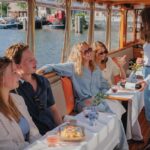
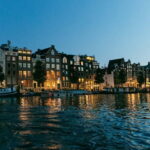
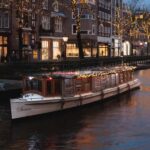
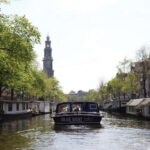
You can upgrade with an optional 1-hour canal cruise. If you choose it, you get a calmer change of pace after walking through multiple neighborhoods.
Why this works well: the canal experience gives you Amsterdam’s signature perspective without requiring you to plan a separate booking during the same trip. It also helps you connect what you learned on foot with what you see from the water.
In many guide-led walking tours, people end up exhausted or slightly overloaded. The canal cruise can turn that into a smoother experience.
Consideration: you’ll want to keep an eye on timing so you don’t rush through either part. If you already have another boat plan, then skipping the upgrade may be smarter so you don’t double up on similar experiences.
Guides Matter: What Good Guide Style Looks Like Here
The biggest theme behind the strongest experiences is guide energy. You’ll find lots of praise for guides who keep things moving, use humor, and make the walk feel interactive.
Some guide names that show up in positive feedback include Jacob, Laura Garcia, Tony, Claire, Ilya, Karl, and Pia. The common thread is a style that mixes clear storytelling with moments that feel fun—like asking questions of the group, steering you to viewpoints you’d miss, and offering practical suggestions at the end.
That’s the difference between a tour that reads like a script and one that feels like learning while walking through a real city.
One realistic caution: a small-group format still means audio can be tricky in loud squares. If you know you struggle hearing spoken narration outdoors, position yourself close to the guide at meeting spots and noisy landmarks.
How to Prepare for a Smooth 2 to 3 Hours in Central Amsterdam
This is a walking-centered tour with stops that move you through the city center. The duration is about 2 to 3 hours depending on timing and whether you include the optional canal cruise.
Here’s what helps most:
- Wear comfortable shoes built for cobblestones.
- Bring water, especially if the weather runs warm.
- Expect a few stretches where you’ll be near crowds and street noise.
- Plan to stay flexible, since Amsterdam’s streets can be busy even when the route seems straightforward.
If you want the day to feel easy, try to schedule this early in your trip. You’ll come out with a mental map that makes later wandering make sense.
Who This Tour Suits Best (And Who Might Skip)
This tour fits you if:
- you want an organized walk that still feels personal
- you like history that’s explained in plain terms as you stand in place
- you want a guided route covering Centraal, the Chinese Quarter, the Jewish Quarter area, and Dam Square
- you’d like an option to add a canal cruise
You might want to skip it or choose carefully if:
- you need total quiet and hate crowded squares
- you already have a very full schedule with multiple canal options
- you dislike tours where you stop often for narration, even if it’s only 10 to 15 minutes per site
Should You Book This Amsterdam Highlights Small-Group Walking Tour?
Book it if you want the smartest use of limited time. The route covers exactly the kind of mixed Amsterdam that’s hard to stitch together alone: big landmarks, cultural neighborhoods, and the WWII context in the Jewish Quarter area, plus a practical ending at Dam Square.
I’d particularly recommend it if you value guide style and want to ask questions. Small-group tours work best when the guide can steer the group and respond in real time—and this one is built around that.
If you’re choosing between this and another tour, decide based on your day plan: if you want a structured first look and a possible canal finish, this is a strong fit for the value.
FAQ
How long is the Amsterdam Highlights small-group walking tour?
The walking portion is listed as about 2 to 3 hours (and includes a 2.5-hour walking tour).
Is this tour really small-group?
Yes. It has a maximum of 10 travelers, which is meant to keep the experience more personal.
Where do I meet the guide, and where does the tour end?
The tour starts at Beursplein, 1012 JW Amsterdam and ends at Dam Square Dam, 1012 Amsterdam. The guide waits in front of Cafe Bistro next to the bull figure, using a blue umbrella or an Amsterdam Guides & Tours logo tag.
Is the tour offered in English?
Yes, the tour is offered in English.
What’s included in the price?
Included are the 2.5-hour walking tour, a professional guide, and a ticket for a 1-hour canal cruise if you select the option. Food and drinks are not included.
Is the canal cruise part of the standard tour?
No. The canal cruise is optional. You get a 1-hour canal cruise ticket only if you select the upgrade.
Which major sights are covered during the walk?
You’ll stop at or visit areas including Amsterdam Centraal, the Chinese Quarter and the Buddhist Temple of Amsterdam, Nieuwmarkt and San Antón Gate, Jodenbuurt (Jewish Quarter and WWII history), Muntplein (including the flower market connection), Begijnhof gardens near Spui Square, and Dam Square (Royal Palace area, Nieuwekerk, and the National Monument).
Do the tour stops require paid admission?
The stops listed on the route show admission ticket free for each of the mentioned locations.
What is the cancellation window for a full refund?
You can cancel for a full refund up to 24 hours in advance of the experience start time. Canceling less than 24 hours before the start time is not refunded.