REVIEW · AMSTERDAM
Amsterdam: Rijksmuseum Entry Ticket
Book on GetYourGuide →Operated by Distributor: GetYourGuide Tours & Tickets GmbH · Bookable on GetYourGuide
Big art, minimal fuss. The timed entry ticket gets you into the Rijksmuseum, one of Europe’s top art-and-history stops, and then you can wander at your own pace through centuries of Dutch life. I especially love how the ticket lets you land in the spotlight galleries without needing to line up for ages, and you get to see the museum’s famous works in thoughtfully lit rooms.
For me, the best payoff is the chance to stand in front of Rembrandt’s The Night Watch and notice how the museum frames the painting so you can actually study the details. One thing to consider: this place is huge, and it can feel hard to move efficiently if you show up late or only give yourself a short visit window.
Key Points You Should Know Before You Go
- Timed entry, free roaming: You enter up to 15 minutes after your time and stay until closing.
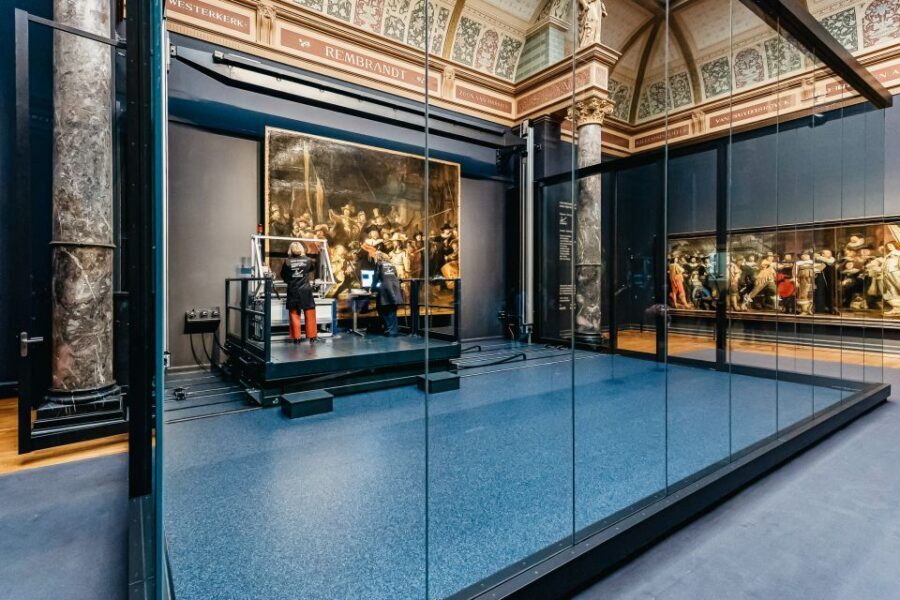
- The Night Watch is in the spotlight: A major restoration effort is happening, and you can even support it with a donation.
- Way more than paintings: Delftware, maritime items, clothing, archaeological pieces, sculpture, and Asian art fill out the story.
- Audio is optional, not mandatory: The paid multimedia tour is extra, but there’s also a free museum app option reported by visitors.
- Practical on-site perks: Cloakroom and free WiFi help you travel light and plan as you go.
In This Review
- Rijksmuseum Entry Ticket: What You Really Get for $31
- Getting There on Public Transit: Smooth Arrival at Rijksmuseum Station
- 800 Years in One Building: How to Plan Your Route Without Getting Lost
- Gallery of Honour Magic: The Rooms That Make Famous Paintings Feel Personal
- The Night Watch Restoration: Why Watching Conservation Changes Your Visit
- More Than Dutch Masters: The Stuff You Might Not Expect to Love
- Audio Without Stress: Multimedia Tour, Free App Options, and Photo Rules
- Timing and Crowds: When to Go and How Long to Give Yourself
- Practical Details That Make the Day Feel Easier
- Who This Ticket Is Best For (and Who Might Be Happier Elsewhere)
- Should You Book the Rijksmuseum Entry Ticket?
- FAQ
- What time can I enter the Rijksmuseum with this ticket?
- How long can I spend inside the museum?
- Is the multimedia audio tour included?
- Can I take photos or videos?
- How do I get to the Rijksmuseum using public transport?
- Is the museum wheelchair accessible, and can someone bring a companion?
Rijksmuseum Entry Ticket: What You Really Get for $31

At about $31 per person for a 1-day ticket, this is a straightforward way to buy your way into a national museum heavyweight. You’re not paying for a guided group tour or a private experience. You’re paying for admission plus some useful basics: museum entry, the permanent exhibition, a cloakroom, and free WiFi. There’s also a booking fee included in the price you pay upfront.
A big part of the value is flexibility. Your ticket is valid for that day, and you can enter within 15 minutes after the time on your ticket. Once inside, you can stay as long as you want until closing. That means you can either do a focused highlights route or take a slower, room-by-room approach without feeling like you’re constantly chasing a schedule.
Two small “heads up” details that matter in the real world: the multimedia tour (in 10+ languages) is not included and can be purchased at the museum for €6.50. And a guided tour is also not included. If you like learning, you’ll want to budget time (or a paid guide) for interpretation.
Finally, the museum is open 9:00 AM to 5:00 PM daily. The ticket desk closes at 4:30 PM, so don’t plan a last-minute entry sprint.
Getting There on Public Transit: Smooth Arrival at Rijksmuseum Station

If you’re staying in central Amsterdam, getting to the museum by tram is a low-stress move. You can reach the Rijksmuseum via tram 2, 5, or 12, and the nearest stop is Rijksmuseum.
This matters because the museum sits outside the densest canal-walk chaos. You’ll still be in a city with traffic and foot traffic, but tram drop-off keeps your morning organized. And since your ticket is timed, arriving calmly helps more than most people expect.
If you’re coming with a stroller or pushing a mobility device, you’ll likely appreciate that the museum is described as accessible. Still, note the restrictions: mobility scooters aren’t allowed. If you need a companion for independent navigation, a companion can enter free (you’d pick up a ticket for the companion at cash register 1).
A few more Amsterdam tours and experiences worth a look



800 Years in One Building: How to Plan Your Route Without Getting Lost

The Rijksmuseum is famous for its Dutch Golden Age art, but it’s not just a gallery of famous faces. Think of it as a timeline museum: painting and decorative arts sit alongside sculptures, archaeological artifacts, clothing, and objects connected to Dutch maritime life.
So how do you plan? I’d treat it like two layers:
1) A highlights backbone
2) A slow wander loop
For the highlights backbone, I recommend you target the rooms most likely to anchor your visit: the Gallery of Honour and the spaces where Rembrandt’s masterpiece and other iconic paintings are shown. This gives you the “wow” moments early enough that you don’t feel rushed later.
Then do the slow wander loop. You’ll see why the museum tells Dutch history through more than canvases. Delftware pops as you move between fine art rooms. You can spot how everyday material culture connects to national identity. And the museum includes international context through its global references, not just Dutch names.
One more planning tip that helps with your attention span: do not try to absorb everything. Even strong museum fans typically end up focusing on a set of rooms more deeply and skimming others. This is a place where you’ll feel better with a “good enough” route than with a frantic checklist.
Gallery of Honour Magic: The Rooms That Make Famous Paintings Feel Personal
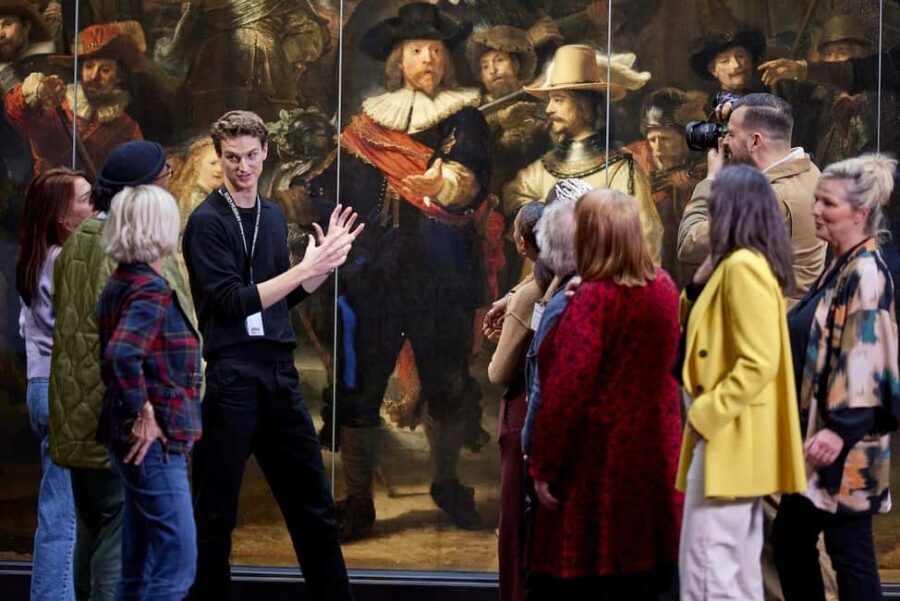
The Gallery of Honour is one of those museum spaces where architecture quietly does the work for you. The lighting and layout make masterpieces feel less like distant icons and more like objects you can actually look at.
This is where you’ll understand why the Rijksmuseum is so widely praised. The painting halls are designed for viewing, not just passing through. As you walk in, you get that subtle shift from general museum noise to focused looking.
Two paintings help set the tone for what the museum does best:
- Rembrandt’s The Night Watch
This is displayed in a beautifully lit hall, and it’s positioned so you can spend time on details instead of just snapping photos and moving on. The museum is also running the largest research and restoration project ever for The Night Watch, which started while visitors are there. If you’re into art conservation or want to watch history happen in real time, this extra layer makes the painting feel even more alive. There’s also a donation option connected to the project.
- The Jewish Bride (by Rembrandt)
This one is famous for the emotional punch it landed on people who visited shortly after the museum opened. If you like art that makes you stop and rethink, this painting is a great example of why the Rijksmuseum is more than a Dutch-master greatest-hits album.
One practical note: for some people, navigation can feel tricky. The museum is well-laid-out, but signage and routing can be harder than expected. I’d rather you go in with a plan (even a simple one) than rely on instinct.
The Night Watch Restoration: Why Watching Conservation Changes Your Visit
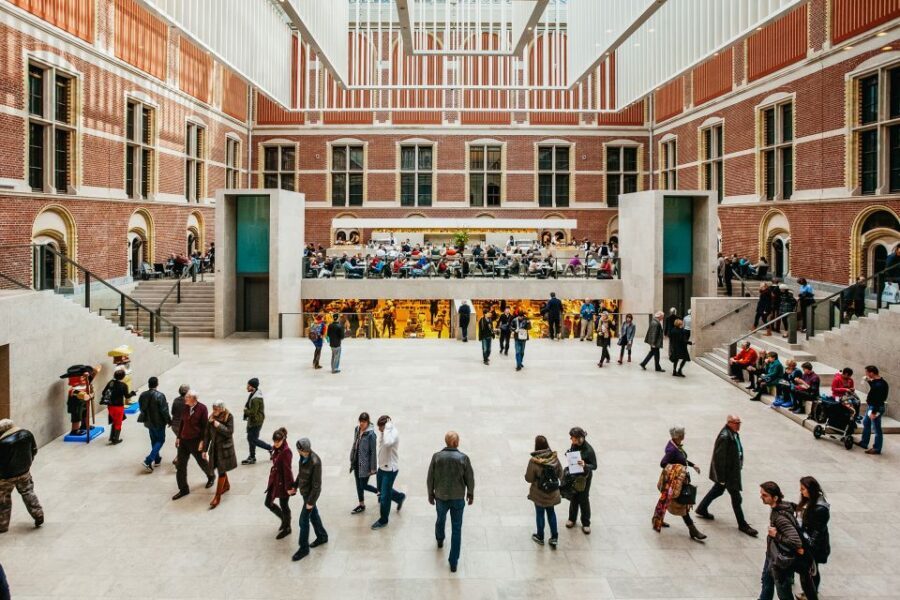
Most big museums show you the finished result. The Rijksmuseum also gives you a rare bonus: part of the story is happening while you’re there.
Because a major restoration and research effort for The Night Watch has started, the museum adds an extra dimension to your viewing. You’re not only looking at paint and composition; you’re seeing the idea that paintings are living objects with a maintenance history. That changes how you look at texture, contrast, and the fine edges where detail matters.
If you enjoy learning how museums protect masterpieces, this is a meaningful reason to schedule a visit even if you’ve seen photos online. And if you don’t care about conservation, it still helps you slow down. When you know a painting is being carefully worked on, you tend to stand longer and notice more.
The museum also offers a way to support the project with a donation. It’s optional, but it’s a nice touch if you want your ticket to mean more than just entry.
More Than Dutch Masters: The Stuff You Might Not Expect to Love
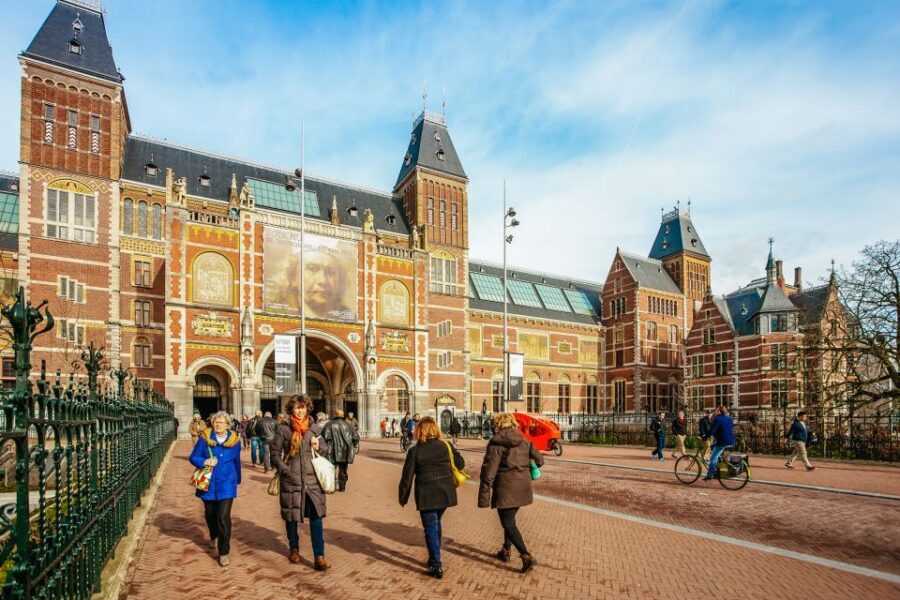
A lot of people come for the Dutch Golden Age. That’s a smart choice. But the payoff at the Rijksmuseum is how broadly it tells the story of the Netherlands across time.
You can expect plenty beyond paintings, including:
- Delftware
- Sculptures
- Archaeological artifacts
- Clothing
- Asian art
- Prints
- Items from Dutch maritime history
- And other objects that connect culture to daily life
I like this approach because it prevents the museum from feeling like a single-style parade. Instead, you start seeing patterns. Fashion and material culture sit next to art. Maritime objects show how trade and sea power shaped the country’s identity. Prints and decorative works help you understand the visual world around famous painters rather than treating them as isolated geniuses.
If you’re traveling with mixed tastes (for example, one person loves paintings and the other prefers artifacts), the Rijksmuseum is a strong match. It keeps pulling you into different kinds of attention.



Audio Without Stress: Multimedia Tour, Free App Options, and Photo Rules
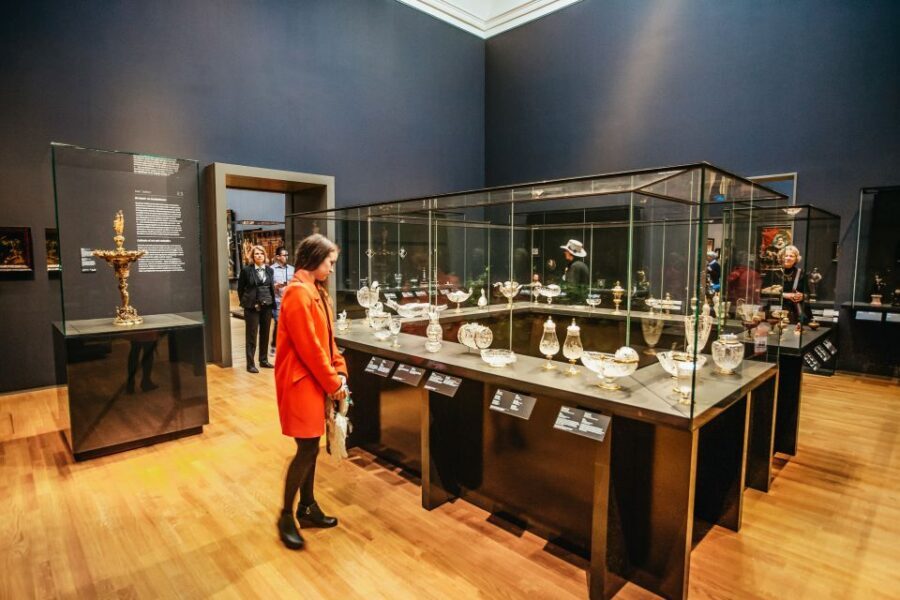
You have three interpretation routes here:
1) No guide, just labels and your own looking
2) The museum’s multimedia tour (extra)
3) Phone-based audio via the museum app (free option reported by visitors)
The ticket itself does not include the multimedia tour. It’s offered in 10+ languages at the museum for €6.50. That’s useful if you want structured walking and commentary.
But I also like the flexibility of phone audio if you can use the museum’s free app. Some visitors say they download the app and can access audio guides without paying for the paid multimedia option. If that works during your visit, it can save money and still give you useful context.
Photo rules are straightforward: photography/video is allowed except with flash or a selfie stick. That’s good news if you want reference shots for later, but you’ll still need to pause for real looking.
One small “comfort” advantage: the museum offers a cloakroom and free WiFi, so you can handle storage and planning without burning your phone battery.
Timing and Crowds: When to Go and How Long to Give Yourself
The museum is open from 9:00 AM to 5:00 PM, every day of the year. But you should treat “open” as different from “easy.”
In the real world, famous galleries (including Rembrandt- and Van Gogh-related rooms) can get crowded. So I’d aim for one of these strategies:
- Go early if you want breathing room.
- Or go later but with a tighter route so you don’t get stuck in slow-moving lines.
How long? Based on typical visit patterns, plan at least 2–3 hours if you’re doing a highlights-style sweep. If you want to enjoy the building and sit with paintings instead of speed-walking, 4 hours (or more) is a much better target. Some people spend well over that and even skip higher floors if they’re prioritizing older Dutch art.
Also consider your break plan. The museum has a cafe, and having a scheduled rest can prevent the classic museum fatigue where you start rushing just to escape tired feet. A cloakroom stop plus a food break can turn a grind into a visit.
Practical Details That Make the Day Feel Easier
Here are the nuts and bolts that affect your experience more than you’d think:
- Cloakroom: included, helpful if you’re carrying a jacket or small bag.
- Free WiFi: included, useful for mapping inside the museum or refreshing your audio.
- No pets, no smoking: pets aren’t allowed.
- No mobility scooters: plan around that if you use one.
- Photography is mostly allowed: just no flash or selfie stick.
- Cash-free museum: some visitors note you should bring a card since the museum is cash free.
One more: group bookings over 20 people should contact GetYourGuide. If you’re a small group or family, you’re fine to book normally.
If you want to make the experience feel smoother, download whatever museum app or materials you plan to use before you arrive. Even the most organized museum can be hard to navigate when you’re tired.
Who This Ticket Is Best For (and Who Might Be Happier Elsewhere)

This entry ticket is perfect if you want independence. You can move through rooms in your own order, spend extra minutes on favorite works, and still finish before closing.
I think it’s also a strong choice if you’re curious about Dutch history, not just art. The museum’s mix of paintings and objects connected to culture, trade, and everyday life helps you understand why the Netherlands matters historically.
You might be less happy if:
- you only want a short checklist of a few paintings and nothing else
- you hate uncertainty and would rather have a strict guide managing the day
- you need super-simple navigation and get frustrated by signs that don’t give enough hand-holding
But if you’re the type who likes to wander, read labels, and pause when a room grabs you, this is a high-value day.
Should You Book the Rijksmuseum Entry Ticket?
Yes, I think you should book this ticket if your Amsterdam plans include a serious art-and-history stop and you want control over your pace. For the price, it’s hard to beat the combination of major masterpieces, a deep collection that goes beyond painting, and enough time to shape your own route.
Book it especially if:
- you want to see The Night Watch in person and you like the idea of conservation happening live
- you’re interested in the museum’s wider story through objects, not just famous names
- you want a flexible day entry and can handle a large building
Skip or adjust your plan if you only have a tiny time window. The museum is big enough that rushing turns it into a blur. In that case, consider whether you want the highlights only, add an audio guide, or pair your museum time with a lighter afternoon.
If you’re deciding between going and not going, my advice is simple: don’t overthink it. Pick a time that gives you some space in the morning, wear comfortable shoes, and let the rooms set the pace.
FAQ
What time can I enter the Rijksmuseum with this ticket?
Your ticket allows you to enter up to 15 minutes after the time listed on the ticket. You can stay as long as you wish until the museum closes.
How long can I spend inside the museum?
You can remain inside for the duration of opening hours on your selected day. The museum is open from 9:00 AM to 5:00 PM.
Is the multimedia audio tour included?
No. The multimedia tour in 10+ languages is not included. It’s available for purchase at the museum for €6.50. A guided tour is also not included.
Can I take photos or videos?
Photography and video recordings are allowed, except with flash or a selfie stick.
How do I get to the Rijksmuseum using public transport?
You can take trams 2, 5, and 12. The nearest station is Rijksmuseum.
Is the museum wheelchair accessible, and can someone bring a companion?
The Rijksmuseum is wheelchair accessible. Mobility scooters are not allowed. If someone cannot navigate independently, they may bring one companion with them for free, with a companion ticket picked up at cash register 1.