REVIEW · AMSTERDAM
Amsterdam History Walking Tour
Book on Viator →Operated by SideWalks · Bookable on Viator
Five minutes in, Amsterdam starts making sense.
This 2-hour walking tour is a smart, low-cost way to get your bearings fast, with an English guide and a small group capped at 10. You’ll move through famous squares plus quieter lanes, ending at the super-photogenic Dancing Houses. A mobile ticket keeps it simple the day of.
I especially like the storytelling energy from guide Samuel, who keeps things lively and answers questions without making you feel rushed. I also like the mix of big-name landmarks and lesser-known streets, plus the kinds of side details you do not get when you just wander alone.
One thing to plan for: Anne Frank House and Amsterdam Gallery admissions are not included, so you may need extra tickets if you want to go in.
In This Review
- Key highlights
- A fast, friendly intro to Amsterdam’s old core
- Start at De Dam: finding your bearings at the New Church
- From Kattengat to Oude Nieuwstraat: streets few people slow down on
- Leliegracht and the Golden Age setup
- Anne Frank House stop: what’s included and what’s not
- Dam Square and Spui: the city’s center and its modern freedoms
- Amsterdam Gallery tiles, Kalverpassage prison stories, and Bloemenmarkt surprises
- Dancing Houses: the slanted houses viewpoint you’ll remember
- Price, pace, and who this walk fits best
- Should you book this Amsterdam history walk?
- FAQ
- How long is the Amsterdam History Walking Tour?
- What does the tour cost?
- Is the tour offered in English?
- What’s included in the price?
- Where do I meet the guide, and where does the tour end?
- Are tickets for Anne Frank House included?
- What weather and group limits should I know?
Key highlights

- Samuel’s Q&A-friendly style keeps the walk lively and personal, not a lecture
- A mix of big icons and quiet streets, including the other Red Light District area
- Golden Age and canal context through Leliegracht, so the city’s power makes sense
- In-the-street history stops at Dam Square, Spui, and Kalverpassage
- Totally postcard ending at the Dancing Houses, plus why they’re slanted
- Low price with fees covered, making it strong value for a 2-hour intro
A fast, friendly intro to Amsterdam’s old core
If Amsterdam feels like a puzzle, this kind of walk helps you click the pieces together. You cover a lot of ground in about 2 hours, with a pace that works well for getting oriented early in a trip or when you only have a morning/afternoon to spare. The price is strikingly low for what you get, and the experience includes fees and taxes.
The group size matters here. With a maximum of 10 people, the guide can actually respond to questions as they come up. That makes a big difference when you’re learning city context like what changed over time and why certain places became symbols.
And yes, it’s outdoors. The tour requires good weather, so build in a little flexibility if the forecast looks iffy.
You can also read our reviews of more tours and experiences in Amsterdam.



Start at De Dam: finding your bearings at the New Church
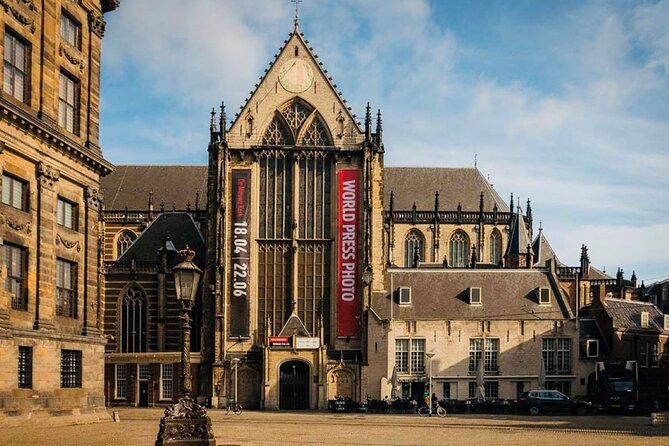
You begin at De Dam, at the New Church (the start point is listed at De Dam, 1012 NP). It’s a good choice because De Dam is where the city’s center feels real. Even before the walk gets into deep details, you get a sense of how Amsterdam organizes public space: squares for power, churches for identity, and streets that funnel you toward the next story.
From here, the tour quickly shifts from landmarks to street-level history. That matters because Amsterdam’s history is not just in museums; it’s also in the shape of neighborhoods, the naming of streets, and the way people used space.
If you like tours that help you understand the city without needing background, this start works. You’re standing in the right place to make sense of what comes next.
From Kattengat to Oude Nieuwstraat: streets few people slow down on
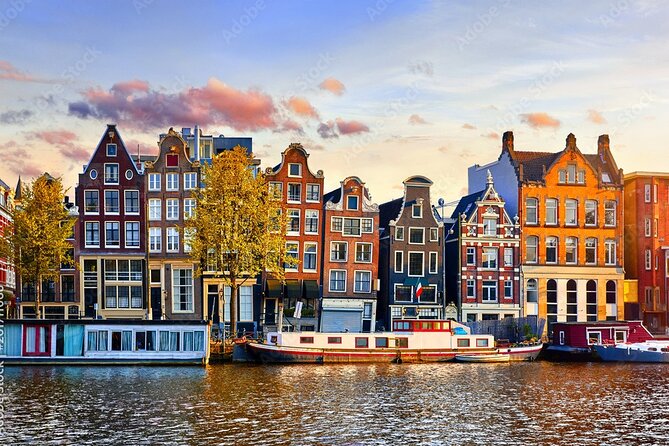
The walk kicks off with Kattengat, where you get an introduction to the city’s founding and early years. This is the kind of setup that makes later stops easier to understand. When you know what the city started as, you can connect why certain areas developed the way they did.
Then comes Oude Nieuwstraat, described as a beautiful street and a reference point for what’s often called the other Red Light District. This is where the tour goes beyond the loud, obvious version of Amsterdam. You see how the city can feel both historic and pragmatic—block by block, not just postcard by postcard.
The best part: the tour doesn’t only point and move on. It gives you enough context to look at facades, street patterns, and location choices with fresh eyes. Even if you’ve been to Amsterdam before, these street explanations can reset your mental map.
Leliegracht and the Golden Age setup
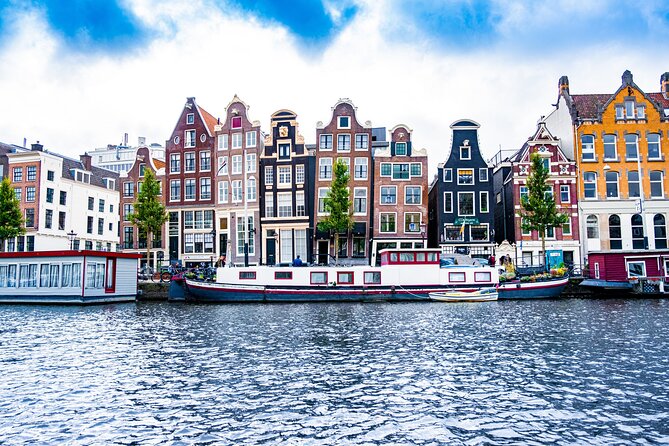
Next you head to Leliegracht, a canal stop tied to the Dutch Golden Age. This is a smart hinge in the tour: you’re no longer just collecting facts about the early city. You’re being guided toward why Amsterdam became a global power and how that shows up in the spaces people built and preserved.
Canal walks can turn into “pretty water, pretty houses” if nobody explains what shaped the city’s wealth. Here, you get history that connects the canal landscape to ambition, commerce, and status. Even if you’re not a history fanatic, it makes the architecture feel less random.
This part of the walk is also a confidence boost. By the time you reach the next major icon, you’ll be better prepared to understand why it matters.
Anne Frank House stop: what’s included and what’s not
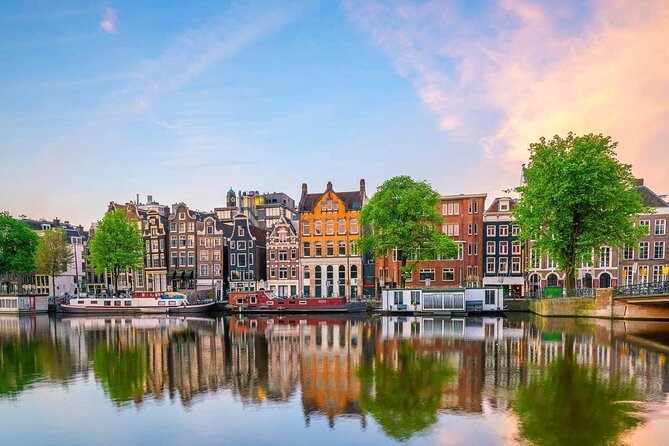
The tour includes a stop dedicated to Anne Frank House, with a note that admission is not included. That’s important because it changes how you should plan your day. You can absolutely appreciate the site from outside and take in the context on the walk, but if you want to go inside, you’ll need separate planning.
From a value standpoint, I like that the tour still gives you the historical anchor at the right moment. But from a logistics standpoint, it’s worth being honest: this is not a ticketed-entry museum tour.
If you’re the type who loves to linger, you might find the overall pace tight around this stop. If you’re more about learning the story while moving through the city, you’ll probably enjoy how the guide keeps everything flowing.






Dam Square and Spui: the city’s center and its modern freedoms
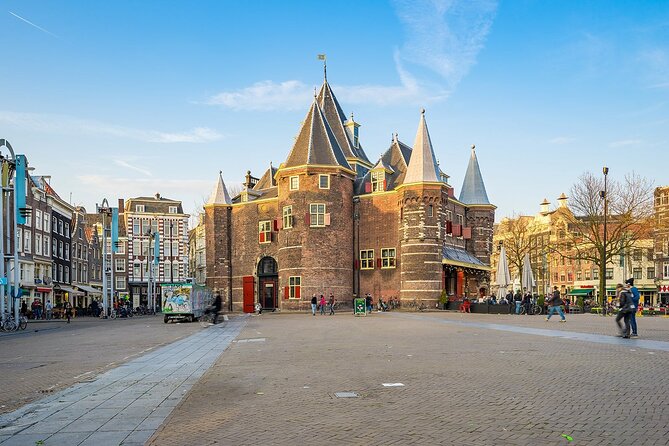
You hit Dam Square, described as the heart of Amsterdam. This is one of those places where it’s easy to look around and think you’ve seen enough in five minutes. The guide helps you look again, and that’s the difference. You’re not just noticing where crowds gather; you’re learning why this square is central to the city’s identity.
Then the tour continues to Spui, where the focus shifts toward the present—how freedoms and ideas that gave Amsterdam its worldwide reputation were forged in places like this. I like that the tour doesn’t treat history like a sealed box in the past. It links past decisions to what the city is famous for today.
These stops also help with pacing. Between longer story-heavy areas, you get open space moments where you can take in the view and reset. It keeps the walk from feeling like one nonstop lecture.
Amsterdam Gallery tiles, Kalverpassage prison stories, and Bloemenmarkt surprises

One of the more distinctive stops is Amsterdam Gallery. Admission is not included, which again matters if you’re hoping to do more than view the exterior context. Still, the point here is the explanation of decorative elements you see on many facades—how the plates/images connect to the city’s look. It’s the kind of detail you’d miss if you simply snapped photos and kept walking.
Then you reach Kalverpassage, described as an old prison and tied to the Dutch prison system and organized crime. This stop adds an edge to the walk. Instead of only focusing on power and prosperity, you get a reminder that cities run on rules, enforcement, and complicated human stories.
Finally comes Bloemenmarkt, where the tour tackles tulip fever and also mentions another famous flower: marijuana. Even if you’re only half-interested in botanical trivia, this kind of economic/urban pop-history helps Amsterdam’s reputation feel real. It’s not just “pretty flowers.” It’s a lesson in how trends, trade, and hype can shape a place.
Dancing Houses: the slanted houses viewpoint you’ll remember

The walk ends at the Dancing Houses at Amstel 102II (listed as 1017 AD Amsterdam). This is one of those locations you can understand instantly: two sloping, twisting buildings that look like they’re in motion. The guide explains why the houses are sloped, which turns the photos from random cute angles into something with meaning.
I like ending here for practical reasons. It’s a strong final “anchor image.” You leave with a visual you can use to tell friends what the city looks like, and you’ll remember the reason behind the shapes.
Also, it’s near good transportation options, so getting out afterward is usually straightforward. The tour is designed to finish at an easy-to-find photo spot rather than deep in a maze.
Price, pace, and who this walk fits best
At $6.05 per person (with fees and taxes included), this is one of those Amsterdam deals that makes you double-check you’re reading it right. For a 2-hour walk covering major squares, a canal, and multiple story-led stops, the value is hard to beat—especially with a guide who engages.
The pace is intentionally brisk. Many stops are about 10 minutes, which means you’re learning as you move, not soaking in a long museum session. If your ideal day includes slow, deep wandering, you might want to pair this with one longer attraction afterward. If your ideal day is getting context while you’re still fresh, this works well.
This tour also makes sense for:
- First-timers who want city orientation fast
- History-curious travelers who prefer street-level explanations
- Anyone who likes when the guide actually answers questions in real time
- Travelers planning a tight schedule and want a low-cost hit of key sights
Should you book this Amsterdam history walk?
I think it’s a strong choice if you want a local-feeling introduction that mixes the major landmarks with under-the-radar streets and practical context. The best reason to book is the guide approach: energetic, question-friendly, and the kind of storytelling that helps you connect one area of the city to the next.
Only book it with eyes open about tickets. Anne Frank House and Amsterdam Gallery admissions are not included, so if you want to enter those places, you should plan for additional costs and time. Also, go when the weather is likely to cooperate since the tour requires good weather.
If you want an easy start to Amsterdam that doesn’t cost much and still feels like you learned something real, this one is worth your morning or afternoon.
FAQ
How long is the Amsterdam History Walking Tour?
It runs for about 2 hours.
What does the tour cost?
The price is $6.05 per person.
Is the tour offered in English?
Yes. The tour is offered in English.
What’s included in the price?
The tour includes all fees and taxes. You should also plan for a tip since tips are not included.
Where do I meet the guide, and where does the tour end?
You start at The New Church, De Dam, 1012 NP Amsterdam and finish at The Dancing Houses, Amstel 102II, 1017 AD Amsterdam.
Are tickets for Anne Frank House included?
No. Admission to Anne Frank House is not included.
What weather and group limits should I know?
The experience requires good weather. It has a maximum of 10 travelers, and service animals are allowed.