REVIEW · AMSTERDAM
Amsterdam: Private Introduction Walking Tour (TOP RATED)
Book on Viator →Operated by Trigger Tours · Bookable on Viator
Amsterdam hits different with a good guide. This private walk through central streets and squares in about 2.5 hours helps you make sense of what you’re seeing, with an English-speaking local guide steering the story.
I love how the route hits major landmarks in one go, from Centraal Station to Beursplein and Dam Square, so you get your bearings fast. I also like the way the guide treats Amsterdam’s coffee shop culture and the Red Light District as part of the city’s real history and present-day life—not just something to stare at.
One consideration: it’s a steady walking tour, and the Anne Frank House stop requires a separate ticket if you want to go in.
In This Review
- Quick Takeaways
- Why This Private Introduction Walk Works for First-Time Amsterdam
- Starting at Centraal Station: The Right Place to Begin
- Zeedijk and Nieuwmarkt: Pubs, Chinatown, and the Feeling of Daily Life
- Oude Kerk and Begijnhof: Religion Without the Museum Vibe
- Dam Square and Beursplein: Power, Trade, and Civic Pride
- Anne Frank House Stop: Learn the Story, Decide on Entry
- The Canal Ring (Grachtengordel): The City’s Big Engineering Idea
- Rembrandtplein and the Red Light District Context
- Portuguese Synagogue: Jewish Community History in the Golden Age
- Price and Value: Is $39.20 a Good Deal?
- What the Tour Feels Like on the Ground (Pace, Stops, and Comfort)
- Choosing the Right Day and Departure Time
- Guides Matter: Humor, Stories, and Real Question Time
- Should You Book This Private Amsterdam Introduction Walk?
- FAQ
- FAQ
- Where is the meeting point?
- How long is the tour?
- Is this tour private?
- What language is the tour offered in?
- Is hotel pickup available?
- Do I need tickets for the stops?
- Does the tour cover the Red Light District and coffee shop culture?
- Where does the walking tour start?
- What if the weather is bad?
- Can I bring a service animal?
Quick Takeaways
- Central Amsterdam in one loop: You cover the core areas in a single outing, with stops that explain the city’s “why,” not just the “what.”
- Coffee shop and Red Light context: The guide talks about these topics openly and puts them in cultural perspective as you walk.
- Jordaan-area history feel: You get the stories behind the neighborhoods and their shaping forces, not just photos and names.
- Many stops are outside and free: You can enjoy key sights without paying admission at most locations.
- Easy to schedule: Morning and afternoon departures make it simple to fit into a first-day plan.
Why This Private Introduction Walk Works for First-Time Amsterdam
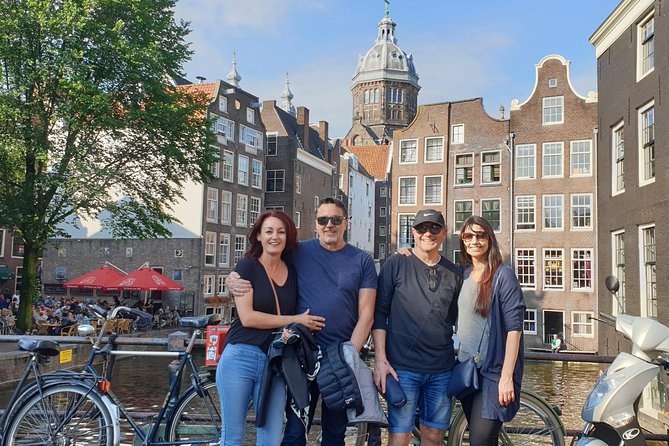
If Amsterdam is your first Dutch stop, this tour is an efficient way to stop feeling like you’re wandering and start feeling like you understand the map. In a little over two hours on foot, you’ll move through the heart of the city—stations, markets, church spires, major squares, and the canal ring—while your guide explains how these places connect to Amsterdam’s identity.
The value is in the structure. Instead of trying to plan separate museum days, photo stops, and “what am I looking at?” moments, you get a single storyline that spans practical geography and big themes: trade, religion, community life, and how the city became what it is today. And since this is a private tour when you choose that option, you’re not stuck matching your questions to a big group’s pace.
One thing I really appreciate about formats like this is that they help you pick better priorities later. After a good introduction, you’ll know what to return to, what to skip, and what to approach with a plan.
You can also read our reviews of more tours and experiences in Amsterdam.

Starting at Centraal Station: The Right Place to Begin
Your tour kicks off at Centraal Station. It’s a smart starting point because it anchors everything that follows. The guide introduces themselves and you immediately begin “reading” the city through this central hub—how Amsterdam thinks about movement, access, and gathering people in one place.
It’s also a convenient option because the tour can meet either at the station area or, if requested, at a selected hotel. That flexibility can matter if you’re trying to avoid awkward early-day transit.
Tip: If you want the least-stress start, arrive a few minutes early. Stations are easy to find, but Amsterdam can still surprise you with how fast crowds move and how many lanes you need to cross.
Zeedijk and Nieuwmarkt: Pubs, Chinatown, and the Feeling of Daily Life
Next up is Zeedijk, a street known for long-running pub culture and older Amsterdam energy. You’ll also find Amsterdam’s Chinatown here, where a Buddhist temple sits within the mix. It’s one of those areas where the “tourist Amsterdam” label doesn’t fully capture what you’ll see: daily street life plus layers of history.
Then you head to Nieuwmarkt, where the old city gate Waag stands from the 15th century. This stop is about structure and commerce—how cities organize access and how buildings become symbols over time. You’ll also pass the daily street market, which is a real-world bonus if you’re hungry for Dutch snacks and want something quick and casual.
What you’ll walk away with: a better sense of how Amsterdam’s old gates and trade rhythms still show up in street patterns you can spot today.
Oude Kerk and Begijnhof: Religion Without the Museum Vibe
Two stops that work especially well for people who like atmosphere more than audioguides are Oude Kerk and Begijnhof.
At Oude Kerk, you’re at Amsterdam’s oldest building. The guide uses it to connect buildings to Dutch identity—how religious spaces and civic life have been intertwined. This isn’t just “this church is old.” It’s about why the country’s identity formed the way it did, and how places like this help explain the timeline.
Then comes Begijnhof, a courtyard that feels intentionally protected from the street’s noise. You’ll see a hidden church and learn about the hofjes tradition—enclosed communities organized around historic dwellings. It’s a peaceful reset in the middle of a walk that otherwise stays focused on major public spaces.
Consideration: If you’re visiting in the colder months, you’ll likely feel the walking outdoors more here. Bring a layer you can manage because the tour has lots of short stops rather than long indoor breaks.
Dam Square and Beursplein: Power, Trade, and Civic Pride
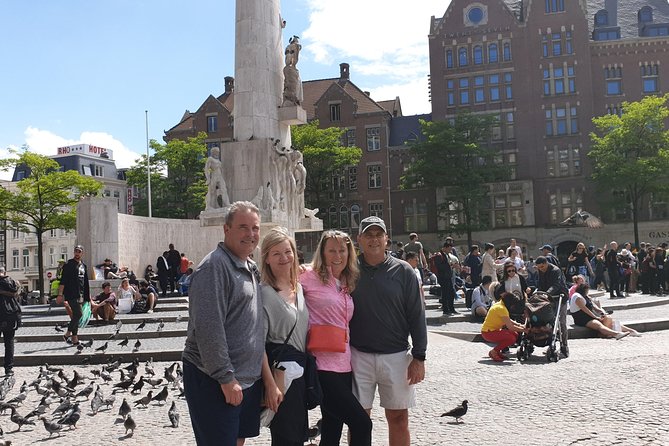
At Dam Square, you’re in Amsterdam’s center. The Royal Palace anchors the square visually, and the guide points out the Nieuwe Kerk and the National Monument, including how the square relates to annual National Remembrance Day.
Then you shift to Beursplein, where Beurs van Berlage and the Damrak area bring you into the story of Dutch finance and business thinking. This stop is designed for visitors who like the “how did this happen?” angle—how the Dutch helped shape the modern corporation and why Amsterdam became a key stop in stock exchange history.
This part of the tour can feel like a tour for your brain, not just your camera. If you enjoy politics, economics, or the story behind institutions, you’ll likely find this segment a highlight.


Anne Frank House Stop: Learn the Story, Decide on Entry
At the Anne Frank House stop, the guide explains more about the Anne Frank story. This is one of the most emotionally charged points in the walk, and it helps to have someone frame the meaning of the site as you pass it.
Just remember: the Anne Frank House ticket is not included. The tour stop supports context, but if you want to actually enter, you’ll need to handle entry separately.
Practical move: If this site is top priority for your trip, plan your schedule early so you’re not trying to fit it in last minute.
The Canal Ring (Grachtengordel): The City’s Big Engineering Idea
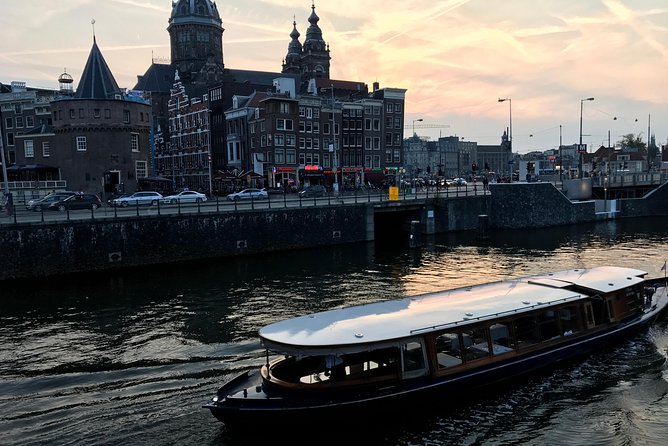
The walk then heads into the canal ring area (Grachtengordel), where the guide explains how and why the canals were constructed. This is a popular Amsterdam theme, but the value here is that you’ll connect canal building to the city’s development instead of just seeing pretty water.
If you like “why it looks like this” questions, this is where the tour earns its keep. You’ll start noticing patterns—how the ring relates to the layout of streets and how the city uses water for function as well as form.
Tip: Cameras will love you here, but also try to look up. Canal views are great, yet the canal-side facades and rooflines tell stories too.
Rembrandtplein and the Red Light District Context
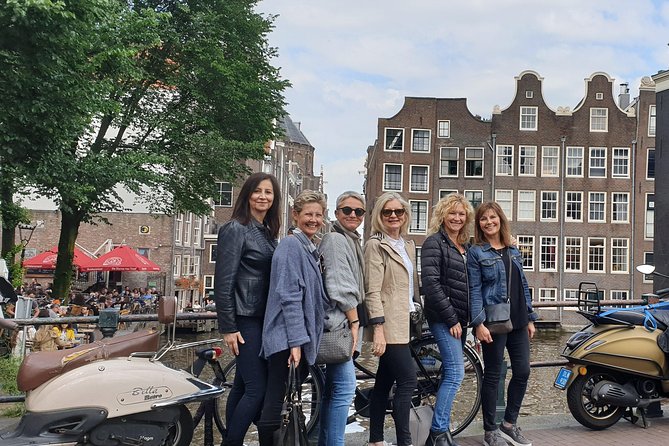
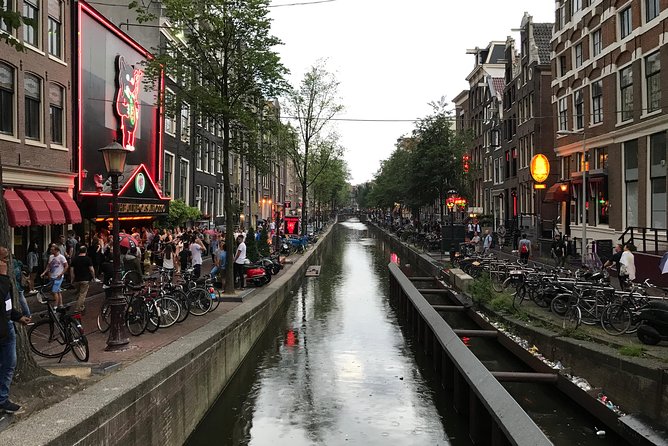
A lot of first-timers think they’ll either avoid the Red Light District or treat it like a side quest. This tour takes a more useful approach: you learn about the culture around the city’s adult entertainment area and also about Amsterdam’s coffee shop culture, with explanation built into the overall tour narrative.
You then reach Rembrandtplein, named after Rembrandt van Rijn, who owned a house nearby. The square is also known for pubs and nightclubs. So you get a quick sense of how Amsterdam’s history connects to its nightlife energy.
How I’d use this information later: Once you know what the guide is pointing out, you’ll be less shocked by the sheer presence of adult-themed businesses. You’ll still decide what level of comfort you want, but you’ll understand the setting instead of just reacting.
Portuguese Synagogue: Jewish Community History in the Golden Age
The final major stop is the Portuguese Synagogue. Here the focus is the Jewish community in Amsterdam and how the Sephardic community became one of the largest and richest in Europe during the Dutch Golden Age. The guide explains how that community’s presence shaped the synagogue itself, and you learn that the building remains an active place of worship and a well-known tourist attraction.
This stop adds a necessary balance to the rest of the walk. So much of Amsterdam’s visitor story centers on canals and trade; the Portuguese Synagogue shows how religion and community life fit into the bigger city picture.
Good to know: Even if you’re not planning to go inside, the way the guide frames the building usually makes it feel less like a checklist item and more like a real community landmark.
Price and Value: Is $39.20 a Good Deal?
At $39.20 per person for about 2 hours 30 minutes, the price sits in the “first-day splurge that saves time” category. You’re paying for a local guide plus a route that strings together major sights across central Amsterdam.
What makes it feel like value:
- Many stops are outside or have free admission access at the listed points.
- You get a coherent introduction across history, culture, and key neighborhoods.
- If you choose the private option, it’s just your group—so you can ask real questions without feeling rushed.
Where it may not feel like value:
- If you already know Amsterdam well and you’re mostly here for museums, you might get more value by spending that time on a specific indoor attraction.
- If you’re hoping to do Anne Frank House entry as part of this tour, you’ll still need to budget for the ticket separately.
My rule of thumb: if it’s your first day and you want the city to make sense quickly, this is a strong buy. If you’re already a deep-history person with a tight museum itinerary, consider whether you need this kind of orientation.
What the Tour Feels Like on the Ground (Pace, Stops, and Comfort)
This is a walking tour with lots of short stop points. That’s great because it keeps your attention moving, but it also means you should plan for constant motion. One practical note from real-world experience with tours like this: there often aren’t built-in long breaks.
So, I’d do two things before you go:
- Wear comfortable shoes. Amsterdam sidewalks are famous, but so are the small surprises: slick spots, uneven cobbles, and lots of turning.
- Bring water and something small to snack on, especially if you start hungry and end up at supper time.
The upside is that the tour tends to feel manageable because it’s broken into bite-sized segments, not one long trek.
Choosing the Right Day and Departure Time
You can book this with either a morning or afternoon departure time. That flexibility matters because Amsterdam has a weather personality. This experience requires good weather. If weather turns poor, you’ll get offered a different date or a full refund.
I’d pick a time that matches your energy level:
- Morning works well if you want a clean start and the rest of the day to roam with confidence.
- Afternoon works if you prefer a slower start and want this tour as a lead-in to evening plans.
Guides Matter: Humor, Stories, and Real Question Time
Part of what makes this tour stand out is the way guides teach. Names you might run into include Ben, Guido, Robin, James, Andrea, Aaron, and Ari. Across different styles, the consistent theme is that they make the walk feel like conversation rather than a lecture.
Some guides are especially big on humor and anecdotes, others lean more academic and history-driven. One guide even went as far as sharing a stroopwaffle treat during the walk, which is a fun reminder that you’re tasting Amsterdam even when you’re not at a market stall.
The practical takeaway: if you’re someone who likes asking questions, a small-group private setup can be ideal. You’ll get answers instead of just being carried along.
Should You Book This Private Amsterdam Introduction Walk?
Yes, if you want:
- a fast, organized way to see central Amsterdam in a single day,
- context for coffee shop and Red Light District culture,
- and a guided route that covers major landmarks like Dam Square, the canal ring, Begijnhof, and the Portuguese Synagogue.
I’d skip it or swap priorities if:
- you’re only interested in one museum or one single site and your schedule is too tight for a multi-stop walk,
- you dislike walking tours with frequent short stops,
- or you’re planning to spend most of your time on very specific indoor attractions (in which case you can build a more targeted plan).
If you’re trying to get the city to click quickly, this is the kind of introduction that makes the rest of your trip easier.
FAQ
FAQ
Where is the meeting point?
You’ll meet at Park Plaza Victoria Amsterdam Damrak 1-5, 1012 TM Amsterdam. The tour also ends back at the meeting point.
How long is the tour?
It runs for about 2 hours 30 minutes.
Is this tour private?
This is a private tour/activity, and only your group participates (for the private option).
What language is the tour offered in?
The tour is offered in English.
Is hotel pickup available?
Hotel pickup and drop-off are included for selected hotels (if that option applies to you). You may also be able to request meeting at your hotel.
Do I need tickets for the stops?
Most stops are listed as free admission. The Anne Frank House stop requires a ticket that is not included.
Does the tour cover the Red Light District and coffee shop culture?
Yes. The tour highlights include learning about Amsterdam’s coffee shop culture and the Red Light District.
Where does the walking tour start?
It starts at Centraal Station.
What if the weather is bad?
This experience requires good weather. If it’s canceled due to poor weather, you’ll be offered a different date or a full refund.
Can I bring a service animal?
Service animals are allowed. The tour is also near public transportation and most travelers can participate.
If you tell me your exact travel dates and whether you’re doing Anne Frank House entry, I can suggest the best departure time and how to pair this walk with the rest of your day.