REVIEW · ARNHEM
Arnhem: Burgers’ Zoo Entry Ticket
Book on GetYourGuide →Operated by Koninklijke Burgers' Zoo · Bookable on GetYourGuide
Arnhem’s Burgers’ Zoo feels like walking through habitats. In one day, you get real eco-displays built for animals and people to share space, from thick jungle sounds to open savannah air. It’s the kind of zoo where the setting does half the storytelling for you, and your walk starts feeling like a mini tour of different ecosystems.
I also really like how close you can get to animals without it feeling like a drive-by. In the Safari, giraffes and rhinos wander through the savannah plains, and the well-kept paths make it easy to slow down and actually watch.
One thing to plan for: food isn’t included, and eight hours turns into plenty of walking. If you’re hungry (and you will be), you’ll want to budget time for on-site restaurants.
In This Review
- Key things to know before you go
- Why Burgers’ Zoo’s eco-displays feel different from a normal zoo
- Planning an 8-hour visit: what to prioritize first
- Entering the Bush rainforest: humidity, dense vegetation, and jungle sounds
- Mexican-American rock desert and the coral reef with 8 million liters of water
- Safari plains: watching giraffes and rhinos roam where you walk
- Rimba Malay rainforest: keeping the momentum through another biotope
- The Belize-inspired indoor mangrove: butterflies, manatees, and crab diversity
- Food, breaks, and staying comfortable in Arnhem
- Price and value: is $33 worth a full day of habitats?
- Should you book Burgers’ Zoo entry in Arnhem?
- FAQ
- How long is the Burgers’ Zoo visit time on the ticket?
- What is the price of the Arnhem Burgers’ Zoo entry ticket?
- What does the ticket include?
- Are food and beverages included?
- Is parking included?
- Can I cancel for a refund?
- Can I reserve now and pay later?
- Does the ticket help me skip lines?
- Is Burgers’ Zoo wheelchair accessible?
- What eco-displays can I expect to see?
Key things to know before you go
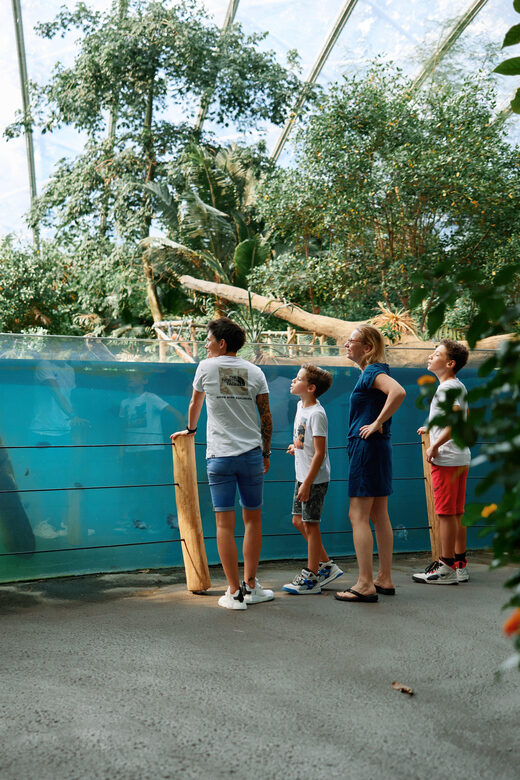
- A full day across 45 hectares of eco-displays, not one small loop
- Eight hours is the sweet spot if you want to take it slowly
- The Bush jungle is built to feel humid and alive, with dense vegetation and jungle sounds
- The indoor mangrove is the big headline, inspired by Belize and set up as a working wet ecosystem
- You’ll see a mix of habitats in one visit, from desert and reef to Malay rainforest and savannah
- Plan meals ahead since food and drinks aren’t included in the ticket
Why Burgers’ Zoo’s eco-displays feel different from a normal zoo
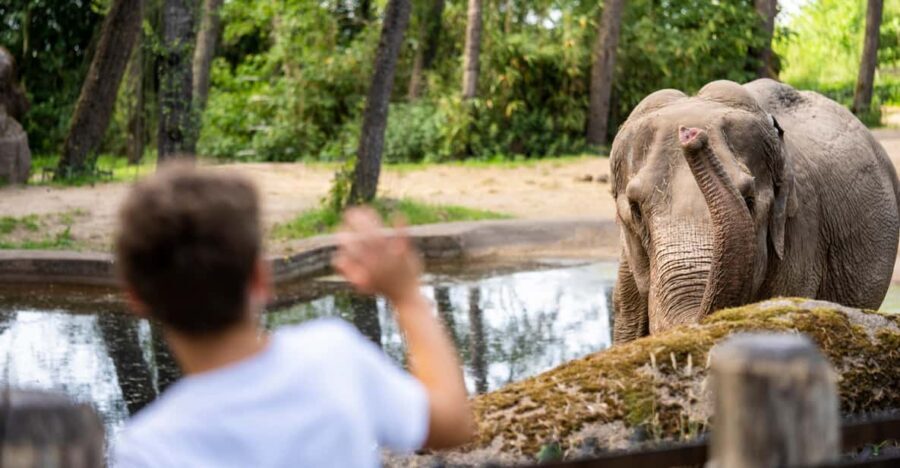
Burgers’ Zoo isn’t set up like a straight line of cages. It’s designed around eco-displays—large natural habitats where animals, plants, and visitors are meant to coexist. The zoo covers 45 hectares, so you’re not just looking at animals; you’re walking through recreated environments that feel like their own weather and mood.
That design choice changes how your day feels. Outdoors, you move through open spaces and change what you hear and smell. Indoors, you step into controlled humidity and vegetation that make the air feel thicker. Instead of seeing a single exhibit, you’re stitching together a whole chain of habitats: jungle to desert to ocean reef to savannah to mangrove.
The best value here is time. With an eight-hour visit window, you can do the big biomes without rushing. And the routes are kept in good condition, which matters because you’ll earn your view by walking—this is not a quick “one photo and out” kind of day.
A few more Arnhem tours and experiences worth a look
Planning an 8-hour visit: what to prioritize first
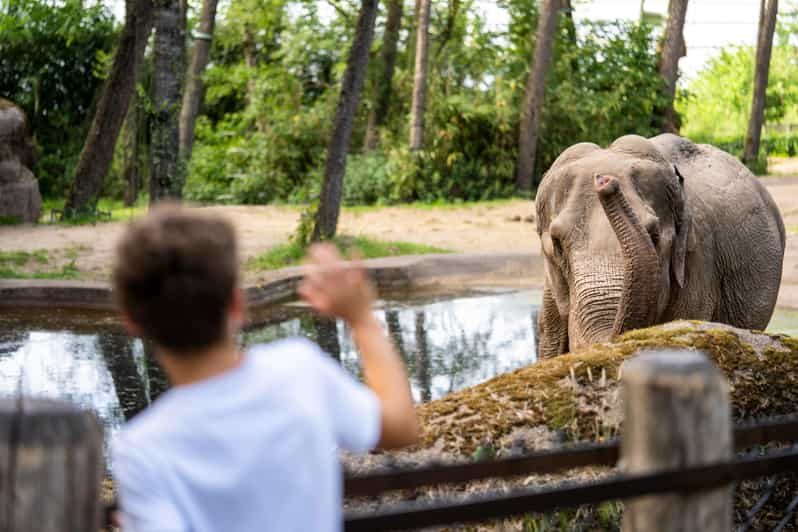
You’ve got a ticket designed for a long visit—about 8 hours—and that’s realistic if you want to see multiple eco-displays at a comfortable pace. The zoo works best when you don’t treat it like a checklist. I’d treat it like a walk with stops: follow your curiosity, then loop back when you’re ready for the next biome.
Here’s how I’d prioritize if you only cared about the standout experiences:
- Start with the places that change your senses the most (the indoor mangrove and the Bush rainforest).
- Then move into the open eco-displays (desert, ocean reef, and the savannah).
- Leave time for slower moments in between, because Burgers’ Zoo rewards lingering at the edges of habitats where small details add up.
Don’t ignore rest breaks. On-site restaurants are worth planning for, especially because you’re on your feet most of the day. Also note that the ticket is admission, while food and drinks are not included—so you’ll want a lunch plan (even if it’s a simple one).
Finally, keep footwear practical. The routes are well-maintained, but you’ll still clock real walking time across different zones.
Entering the Bush rainforest: humidity, dense vegetation, and jungle sounds
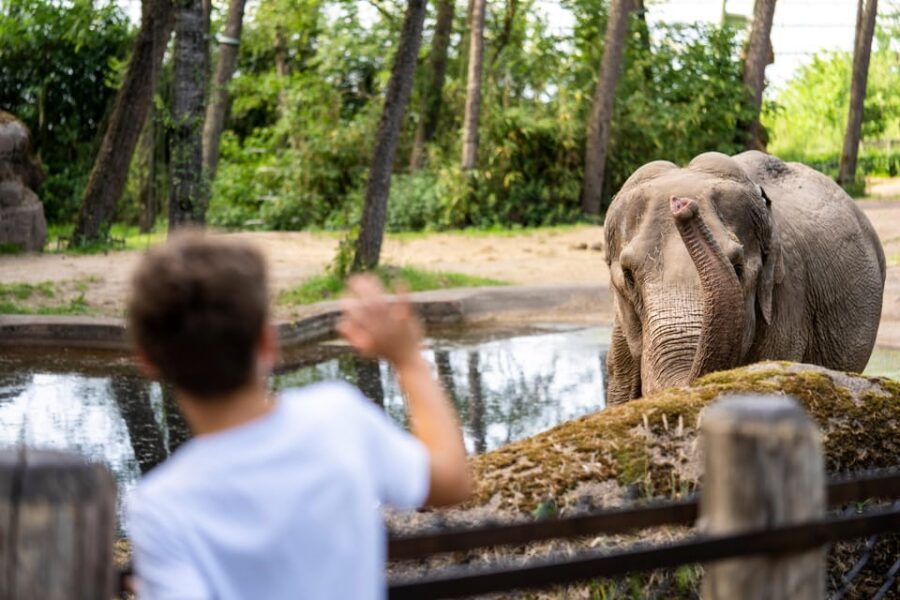
The Bush is the heart of the zoo’s rainforest idea. It opened to the public in 1988, and it’s a 1.5-hectare tropical rainforest zone. When you step in, the goal is simple: recreate what a jungle feels like, not just what it looks like on paper.
Expect humidity, dense vegetation, and the layered soundscape that comes with a habitat that’s been designed to feel alive. The experience can hit you right away—your clothes and hair can feel different depending on the temperature shift, and your senses become the guide.
What I like about this kind of exhibit is that it sets context. If you’ve ever wondered why rainforests matter beyond “pretty plants,” Burgers’ Zoo makes you notice how busy a habitat can feel. Even without memorizing species names, you’ll pick up the rhythm of an environment built for movement, hiding, and stillness.
Potential drawback: indoor jungle spaces can feel warm and damp. If you run hot or you hate humid air, wear breathable layers and be ready to slow down. This isn’t the section you sprint through.
Mexican-American rock desert and the coral reef with 8 million liters of water
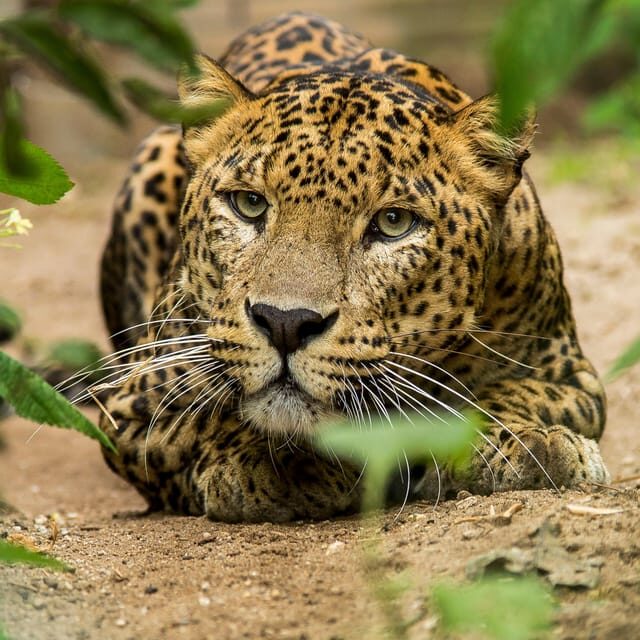
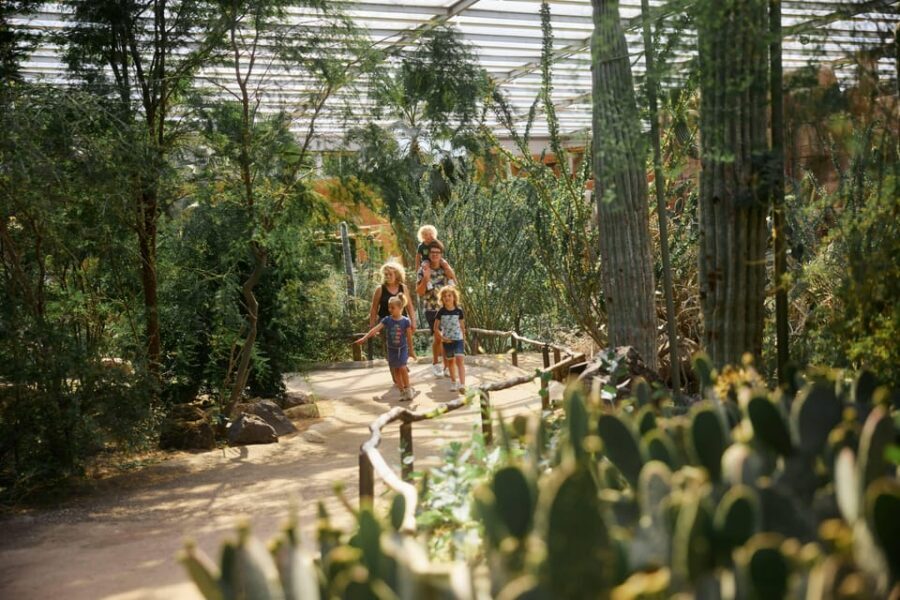
After the rainforest, the shift to the desert is one of the easiest ways to understand what makes these eco-displays special. The desert at Burgers’ Zoo is the Mexican-American rock desert, and it’s paired with an outdoor-feeling vibe even when you’re still in a zoo setting.
A key detail worth knowing: the desert area includes vultures, and that adds a sense of open, watchful space. It also changes what you look for. In a jungle, you scan upward and through leaves. In the desert, you tend to look for stillness, circling motion, and animals placed in a wide view.
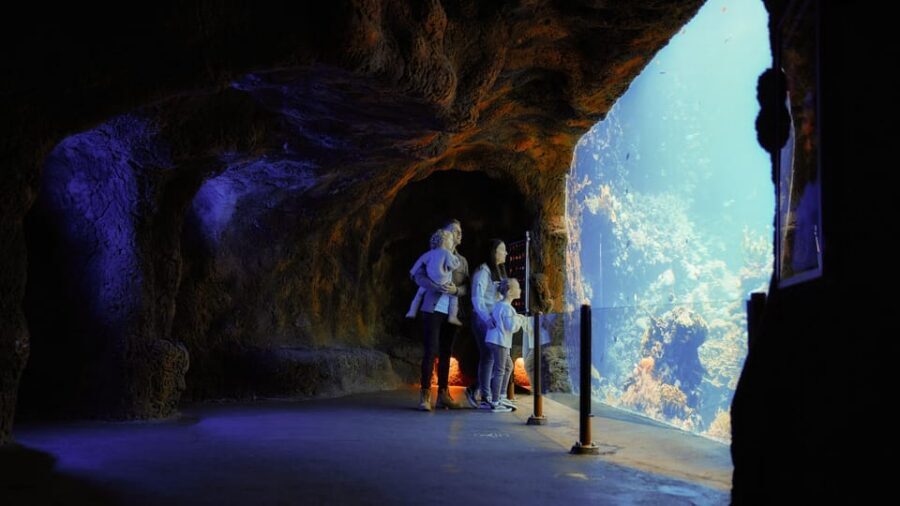
Then comes the ocean segment, focused on a coral reef in the Indian Pacific Ocean. One of the numbers that makes this impressive is 8 million liters of water. That’s the kind of scale that helps the reef feel more like a system than a backdrop.
What makes this section valuable is the contrast. You go from land that feels harsh and dry to underwater that feels complex and layered. Even if you’re not the kind of person who reads every sign, the environments do the work for you—light, movement, and the sense of space change as you walk.
If you’re visiting at a pace that keeps you energized, this is a strong middle-of-the-day stop. If you’re already tired, start earlier so you’re not rushing through the most visually varied zones.
Safari plains: watching giraffes and rhinos roam where you walk
The Safari is built around savannah plains where giraffes and rhinos wander. Seeing those animals in a recreated savannah does two things for your day.
First, it changes your expectations of what a zoo experience can look like. A savannah habitat feels like a place with weather, distance, and open angles. You’re not stuck at the fence line. You walk the paths, and the exhibit layout gives you different viewpoints.
Second, it encourages patience. In reviews and firsthand impressions alike, the zoo’s design comes through as thoughtful—routes are easy to follow, and it’s realistic to stop and really watch behavior rather than just getting a quick glance.
One practical note: savannah zones can involve long stretches. Bring water and take breaks if you need them, especially in the warmer parts of the day. The good news is that the zoo’s walking routes are described as well-maintained, so you’re not constantly fighting rough surfaces.



Rimba Malay rainforest: keeping the momentum through another biotope
After the desert and reef, you’ll come to the Malay rainforest, called the Rimba. This is another step in the zoo’s habitat chain, and the value here is variety without losing the “eco-display” theme.
Even though the most specific animal highlights are tied to other zones, the point of the Rimba is that you keep moving through different biomes while staying in the same zoo world. That matters because Burgers’ Zoo is designed around transitions. You’re not just seeing animals—you’re seeing how different environments behave.
If you like nature more than animal attractions, the Rimba is where your focus may shift. You might notice plant textures, shaded pathways, and the way the exhibit guides your walking route. It’s a good place to slow down if you want your visit to feel less like an outing and more like an experience.
The Belize-inspired indoor mangrove: butterflies, manatees, and crab diversity
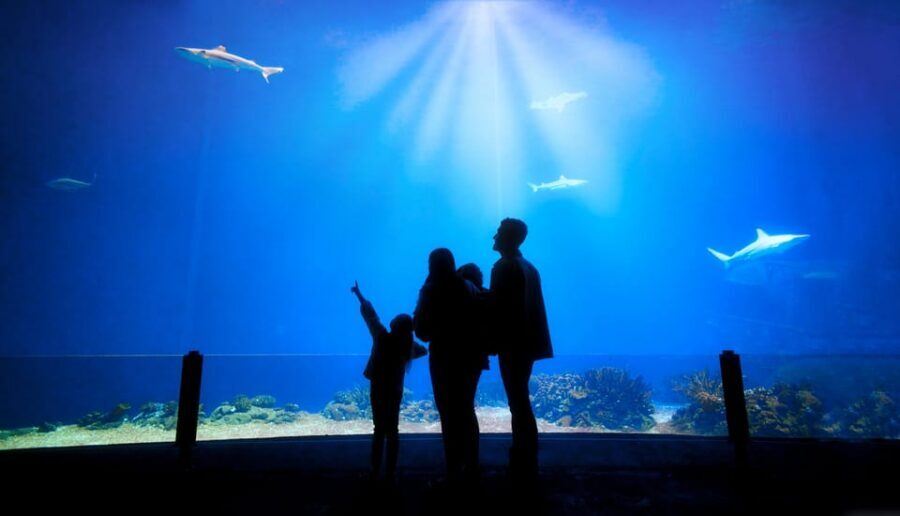
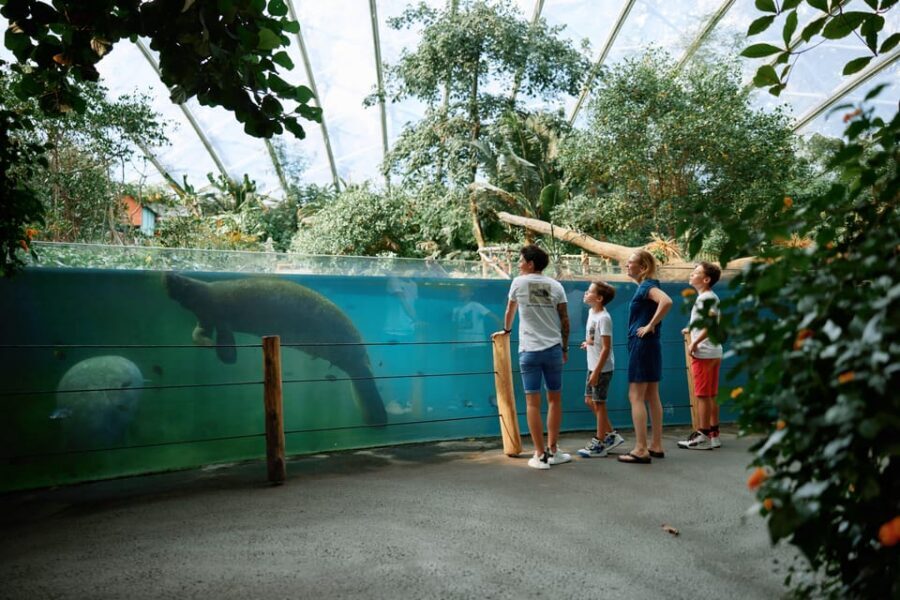
This is the star if you want something truly “only here” in Arnhem. The youngest eco-display is the largest indoor mangrove in the world, inspired by a nature area in Belize that has been managed for almost 30 years.
When you step inside the mangrove, you’re entering a wet habitat built to feel like a living shoreline. It’s not just decoration. Mangroves are about water movement, roots, shade, and an ecosystem that supports many different roles at once.
What you can look forward to:
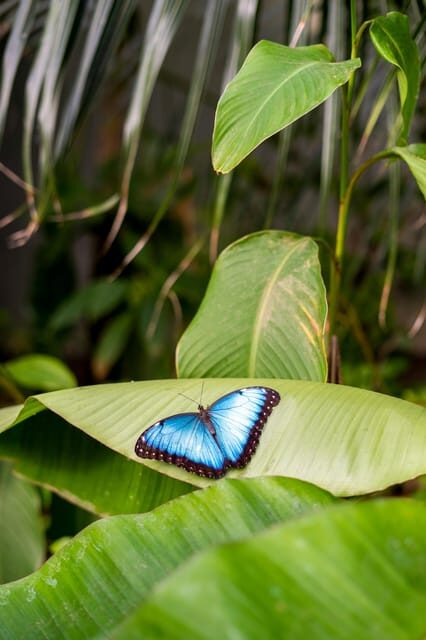
- Butterflies flutter in the mangrove area
- Manatees are part of the habitat experience
- There are many different species of crabs, which adds that grounded, small-creature layer people often miss in larger exhibits
I love this kind of exhibit because it broadens your idea of what “zoo animals” can include. You’re not limited to the big-name creatures. You get the small, busy ecosystem parts too—crabs and butterflies bring energy that’s easy to watch if you take a minute to stand still.
Practical consideration: because this is indoor and mangrove-like, expect an atmosphere that can feel humid. Wear clothes you can tolerate in warm air, and give yourself time. This is one of the places where rushing makes you miss what’s happening at plant level and along the edges of the water area.
Food, breaks, and staying comfortable in Arnhem
Food and beverages are not included with the admission ticket, so plan for at least one real meal and maybe a snack stop. The on-site restaurants are specifically worth timing into your day. Taking a break doesn’t ruin your rhythm here—it actually helps you reset before the next habitat.
Because the zoo includes both humid indoor spaces and open-air areas, I recommend dressing in layers. If you’re sweating in the jungle and freezing outside, you’ll wish you’d worn something flexible. Also consider how long you’ll want to stay inside the mangrove and the Bush. Those zones are the kind of places where you can lose time because they feel like an environment, not just a room.
Parking is another budget item: it’s available for an additional fee of €8.50. If you’re driving, factor that into your total cost. If you’re not, you can focus your budget on food and water instead.
Price and value: is $33 worth a full day of habitats?
At $33 per person, the ticket isn’t the cheapest day out—but it can be strong value if you use the whole 8-hour window. Here’s why: you’re paying for access to a zoo built around large-scale habitats across 45 hectares, with multiple biomes in one visit.
The included part is straightforward: admission to Burgers’ Zoo. That also means the price doesn’t cover food and drinks, and it doesn’t include parking. Once you add those, your final spend depends on how you eat and whether you drive.
Still, I think the value holds because the day isn’t just “see animals.” It’s see systems—jungle humidity, desert openness, reef scale, savannah roaming, and a Belize-inspired indoor mangrove. If you’ve visited more basic zoos where you bounce from enclosure to enclosure, Burgers’ Zoo feels more like you’re learning how ecosystems work by moving through them.
Also, there’s a practical perk that matters for value of time: the ticket includes skip the ticket line. When you arrive hungry and eager, waiting is the last thing you want to do.
Should you book Burgers’ Zoo entry in Arnhem?
You should book if you want a full-day nature experience that goes beyond a simple animal checklist. Burgers’ Zoo is especially good for people who enjoy atmosphere—humidity, sounds, and habitat design—and who don’t mind walking. It’s also a solid choice if you like a mix: desert and reef in the same visit as rainforest and indoor mangrove.
I’d skip it only if you want a short stop or you hate warm indoor environments. The Bush and the mangrove are built to feel like real wet habitats, and that’s part of the magic.
If you’re going, go with a leisurely pace. Plan for at least one restaurant break, take your time in the big indoor zones, and let the transitions between ecosystems be your agenda.
FAQ
How long is the Burgers’ Zoo visit time on the ticket?
The duration is listed as 8 hours, so plan on using most of that time.
What is the price of the Arnhem Burgers’ Zoo entry ticket?
The price is listed as $33 per person.
What does the ticket include?
The ticket includes admission to Burgers’ Zoo.
Are food and beverages included?
No. Food and beverages are not included.
Is parking included?
No. Parking costs an additional €8.50.
Can I cancel for a refund?
Yes. You can cancel up to 24 hours in advance for a full refund.
Can I reserve now and pay later?
Yes. The option listed is Reserve now & pay later, with you paying nothing today.
Does the ticket help me skip lines?
Yes. It includes skip the ticket line.
Is Burgers’ Zoo wheelchair accessible?
Yes. It’s listed as wheelchair accessible.
What eco-displays can I expect to see?
You can expect the Bush rainforest, the Mexican-American rock desert, the coral reef in the Indian Pacific Ocean, the Safari savannah with giraffes and rhinos, the Malay rainforest (Rimba), and the largest indoor mangrove in the world inspired by Belize, including butterflies, manatees, and multiple crab species.