REVIEW · BREDA
Breda: Holy Moly Trip Entry Ticket
Book on GetYourGuide →Operated by Holy Moly Trip · Bookable on GetYourGuide
Breda’s theatre story starts fast. The Holy Moly Trip turns a centuries-old space in North Brabant into a guided, puzzle-like walk through 17 remarkable rooms, built around the founder Holy and his wife Magdalena Moly. I especially love how the story feels like it’s spreading beyond the walls, pulling you along with drama, passion, and tension as you move from chamber to chamber.
I also like the way this is kept human-sized: limited to 5 participants, with a headset and an audio guide included. One possible drawback to weigh is that the audio guide is Dutch, so if you don’t read Dutch comfortably, you may rely on the visuals and any brief host explanations.
In This Review
- Key Things You Should Know Before You Buy
- What the Holy Moly Trip in Breda Really Feels Like
- A Simple Walk Through 17 Rooms: How the Story Moves
- Headsets, Rules, and the Tech-Free Theatre Experience
- Price and Value: Is $29 Worth a One-Day Ticket?
- Who Should Book Holy Moly Trip in Breda (and Who Should Skip It)
- Room for Improvement: What to Watch Before You Go
- Planning Your Breda Day Around Lunch at the Magical Restaurant
- Should You Book the Holy Moly Trip?
- FAQ
- How many rooms are included in the Holy Moly Trip?
- Is the audio guide included, and what language is it?
- What do I get with my ticket?
- How large is the group?
- Are cameras or phones allowed during the experience?
- How long is the experience valid?
Key Things You Should Know Before You Buy

- 17 rooms, one connected story built around Holy Moly and Magdalena Moly
- Small group of up to 5 means less rushing and more room to notice details
- Headset audio guide (Dutch) keeps you moving through the plot in real time
- Hidden rooms and behind-the-scenes angles give you more than just a show seat
- Strict no-phone/no-camera rules push you to experience it with your senses
What the Holy Moly Trip in Breda Really Feels Like
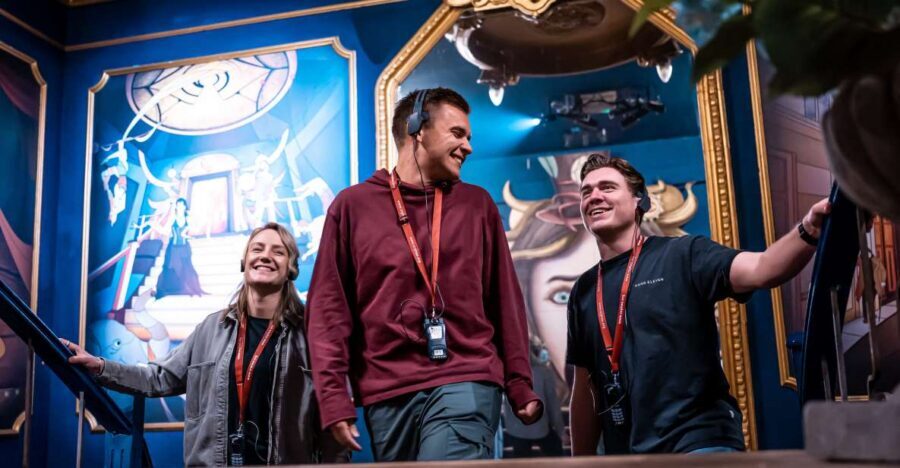
This is not a sit-down performance where you watch and then leave. It’s a guided, room-by-room experience inside an old theatre in Breda, where you follow a storyline and uncover secrets as you go. The place itself carries the mood: the theatre is described as thriving again, almost like it’s back to the energy it had around 1920, after harder times when the building sat empty.
The heart of it is the founder story. You’ll get the narrative of Holy Moly and Magdalena Moly, plus the tension of what happens when ambition meets risk. I like that the theme isn’t just romance or spectacle. It has consequences, darker periods, and a sense that the theatre’s history isn’t finished talking.
You should also expect an “experience” vibe, not a museum one. The format is built to trigger your senses—seeing, hearing, and paying close attention to what’s in front of you. That means you’ll feel more like an active participant than a spectator, which is exactly why this works for people who enjoy interactive theatre styles.
You can also read our reviews of more tours and experiences in Breda.

A Simple Walk Through 17 Rooms: How the Story Moves
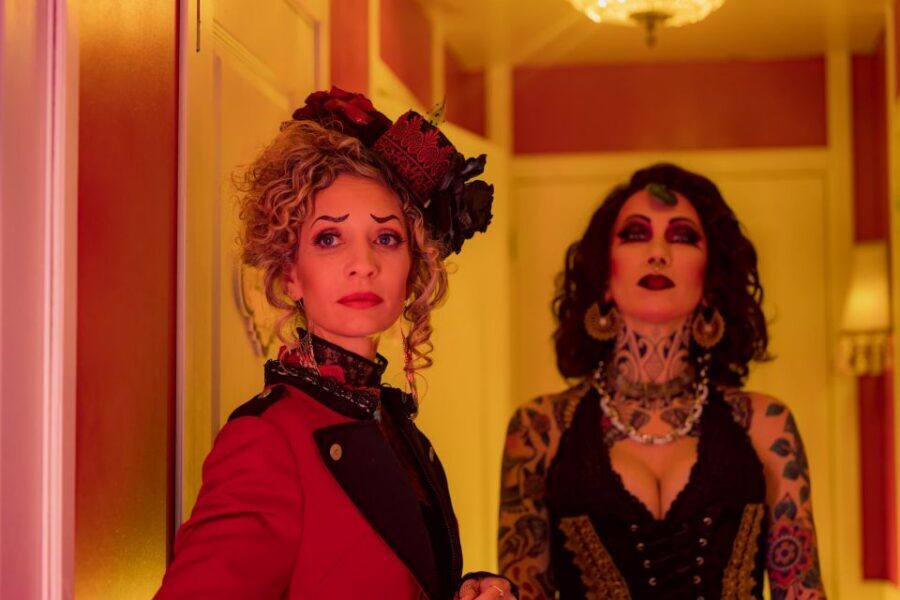
You’ll spend your one-day entry ticket moving through 17 chambers in the Holy Moly Theatre complex. There isn’t a traditional “stop #1, stop #2” sightseeing rhythm here. Instead, the order is about pacing the story—each room acts like a scene, adding context and new information as you progress.
Here’s the practical way to think about the flow:
First, you start with an orientation phase that uses your headset. You’ll be guided through the opening of the plot, which sets up who Holy is, who Magdalena is, and why this theatre matters. The headset matters because it helps stitch the story together as you move, especially when you’re not in a single fixed viewing position.
Next comes the sequence of story rooms focused on Holy Moly and the couple behind the theatre’s identity. These chambers are meant to make you unravel secrets, not just listen. So if you’re the kind of visitor who likes solving a little, noticing clues, and connecting details, you’ll probably enjoy the way the experience asks you to pay attention.
Then you hit rooms described as hidden and “behind the scenes.” This is where the theatre setting really earns its keep. Even without a lot of explicit background notes, the structure of the experience helps you build a feeling for the past—how the theatre looked and how it changed when things weren’t going well.
Toward the end, the plot threads come together in a way that makes the theatre feel like a storyworld you’ve walked through. You’ll finish with the sense that the tale is larger than the building, since the story is framed as spreading through the city. That’s a subtle detail, but it helps: you leave with more than the rooms you passed through—you carry a bigger narrative with you.
Finally, you have the option to continue the day at the restaurant. After the experience, you’re welcomed to a magical restaurant for an extraordinary lunch or drinks. This is a nice follow-up because it gives you time to decompress, compare notes with your small group, and reset after being “switched on” by the story.
What to watch for as you move: since this is a walking, room-to-room format, you’ll want comfortable shoes and a steady pace. Some parts may feel tight or enclosed for the wrong body comfort level, which matters if you’re cautious about small spaces or you get anxious easily in confined areas.
Headsets, Rules, and the Tech-Free Theatre Experience
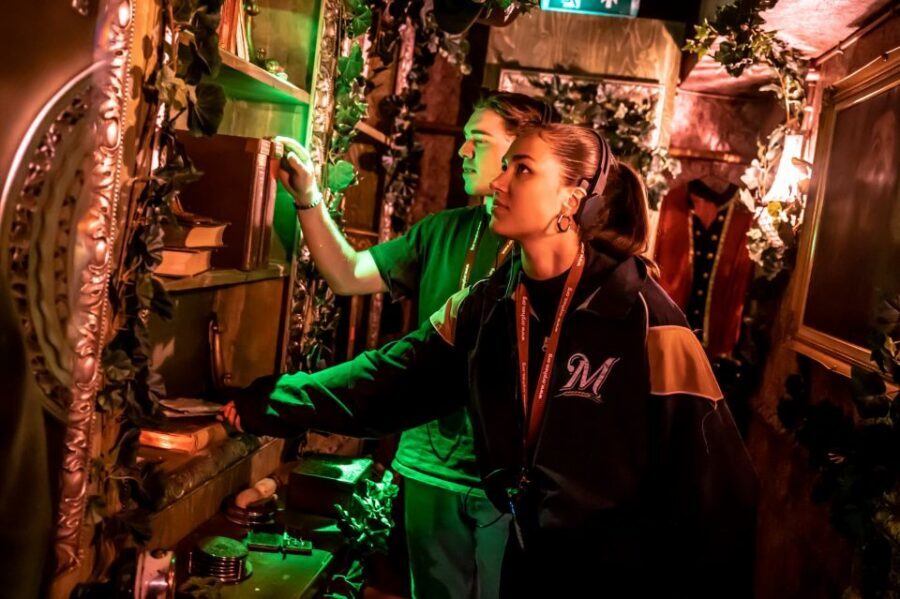
The headset is included, and it’s a big part of how the experience functions. You’re not just wearing it for convenience—you’re using it to stay aligned with the story as you pass through rooms that don’t work like normal galleries. If you tend to multitask with your phone, this experience asks you to swap habits.
That leads to the rules, which are strict and detailed. You can’t use cameras, flash photography, cellphones, audio recording, or speakers. In other words, don’t plan on documenting the rooms. Plan on experiencing them, then remembering them later.
I actually think the no-phone policy is part of the value for the right kind of traveler. When you’re forced to put the device away, you notice what the experience is trying to make you notice—sound cues, timing, and small story moments that you could miss if you’re filming everything. If you’re coming for a “shareable content” outing, you may find the restrictions a mismatch.
Also pay attention to the other personal-item restrictions: bare feet aren’t allowed, baby carriages aren’t allowed, and intoxication isn’t allowed. There are also rules about unaccompanied minors. If you’re traveling as a family, these points matter for planning and choosing who comes with you.
Price and Value: Is $29 Worth a One-Day Ticket?
At $29 per person for a one-day ticket, you’re paying for a full hour-or-two style commitment (the listing calls it 1 day) plus a guided audio system and a small-group walkthrough. It’s not a bargain like a free walking tour, but it doesn’t feel like a “big production” price either.
Where the value shows up is the combination of:
- 17 rooms, meaning you’re not paying for a brief show lasting a few minutes
- headset audio included, so you’re not buying extras once you arrive
- small group size (max 5), which often improves how fluid these experiences feel
It’s also a good price point for travelers who want something in between a standard museum visit and a big-ticket theatre night. You get movement, story context, and the chance to explore “behind the scenes” in a theatre setting that’s meant to feel alive again.
The one value question to hold in your mind: the experience is Dutch, and the “interactive” portion depends on everything working smoothly on-site. If any pieces of the experience fail, that can affect your sense of engagement more than it would in a passive event.
Who Should Book Holy Moly Trip in Breda (and Who Should Skip It)
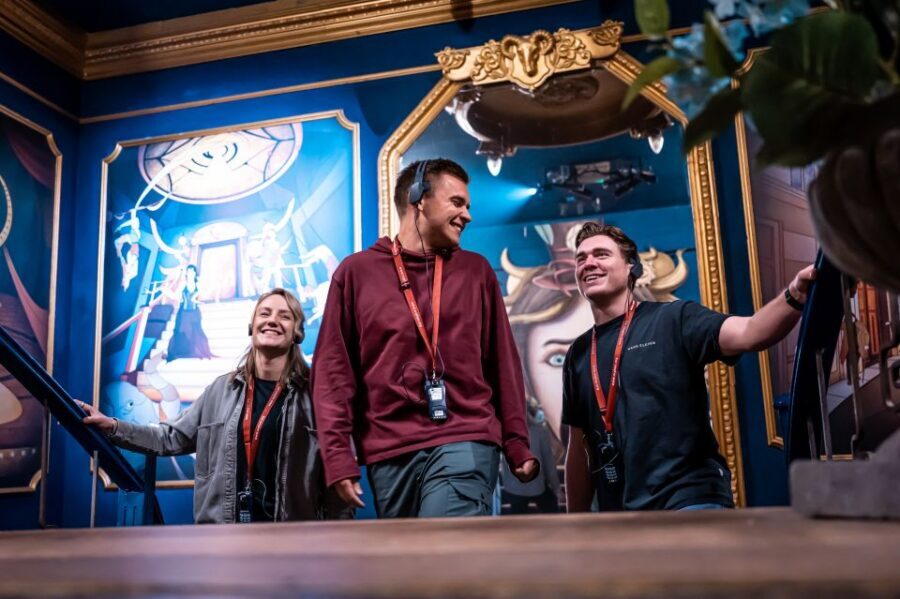
This is best for you if you enjoy story-led experiences where you move through spaces and follow clues. The concept of unraveling secrets in 17 rooms fits people who like theatre, light mystery, and sensory-driven entertainment—not just looking at props from a distance.
It’s also a great match if you prefer smaller groups. With only 5 participants, you’re more likely to feel carried by the experience instead of swallowed by a crowd.
That said, it’s not suitable for a wide set of visitors based on the provided safety info. It’s not suitable for people with back problems, mobility impairments, claustrophobia, wheelchair users, epilepsy, visually impaired people, or hearing-impaired people. If any of those categories apply, it’s worth skipping so you don’t risk discomfort during the walk-through.
Language matters too. Since the audio guide is Dutch, you’ll want at least some comfort following Dutch narration, or you should be ready to rely on what you see while your headset plays the story. If Dutch is a big barrier for you, you may still enjoy the atmosphere, but the emotional and narrative connection may be weaker.
Room for Improvement: What to Watch Before You Go
Even with strong overall ratings (4.2 out of 20), there are a few practical “watch-outs” that can affect your experience.
One theme in feedback is clarity. People liked the rooms with tasks and found the other experience areas well thought out, but there’s a concern about not being able to see where your ticket ends up after completing an assignment. If you’re the type who wants clear feedback loops, keep an eye out for staff cues or ask what to check after you finish a task step.
Another point is the need for everything to be working properly. There’s at least one disappointment about systems not functioning and missing reward tickets, with confusion around what should happen if they didn’t show up. So if something feels off—an expected element missing, a component not triggering—don’t guess. Get a staff member to confirm what’s wrong and what the fix is.
Finally, there’s the “price versus experience” concern. One reviewer felt it was overpriced for how involved it was. That doesn’t mean you should automatically assume it’s not worth $29, but it does mean you should decide based on your own interest level in interactive, story-driven theatre. If you want a more standard sightseeing format, this may not hit the mark.
Planning Your Breda Day Around Lunch at the Magical Restaurant
The experience doesn’t have to be the whole day. Afterward, you’re welcomed to a magical restaurant for an extraordinary lunch or drinks. That matters because interactive formats can be mentally tiring, even when they’re fun. Having a nearby place to slow down helps you transition from “story mode” back to normal life.
Practically, I’d plan a little buffer time after your entry ticket. You’ll likely want a calm walk and time to process what you saw in each chamber. Also, your small group dynamic can change the moment: some people love to talk through the story right away, and some need quiet.
If you’re the type who likes finishing strong, the restaurant option is a smart way to stay in the mood. If you’re more practical, treat it as a convenient meal stop and choose what’s right for your energy level.
Should You Book the Holy Moly Trip?
Book this if you want a small-group, story-led walkthrough in a real theatre setting, with 17 rooms and a clear founder-and-couple narrative at the center. For $29, you’re paying for an experience-style format with a headset and a “walk the story” structure—exactly the kind of thing Breda does best when it offers something more personal than a checklist.
Skip it if you need English-only interpretation, because the audio guide is Dutch. Also skip if any of the listed suitability issues apply, especially claustrophobia or mobility limits, since it’s built around moving through rooms.
If you’re curious, bring the right mindset: put the phone away, pay attention, and follow the story cues. When you do, the Holy Moly Trip is the kind of place where the theatre stops being a building and starts feeling like a living plot.
FAQ
How many rooms are included in the Holy Moly Trip?
The Holy Moly Trip includes 17 remarkable rooms.
Is the audio guide included, and what language is it?
Yes. An audio guide is included, and it is in Dutch.
What do I get with my ticket?
You receive a headset. The experience also includes the headset-based audio guidance.
How large is the group?
This is a small group limited to 5 participants.
Are cameras or phones allowed during the experience?
No. Cameras, flash photography, cellphones, and audio recording are not allowed.
How long is the experience valid?
The ticket is valid for 1 day. Starting times depend on availability.