REVIEW · HAARLEM
Corrie Ten Boom and WW2 Experience
Book on Viator →Operated by 360 Haarlem Tours · Bookable on Viator
Haarlem turns WWII into street-level stories fast. This guided walk connects names you’ve heard before to specific corners of the city, from Hannie Schaft at Kenaupark to the Joods Monument tied to deportations. I especially like how the tour balances emotion with clear context, and how the guide keeps you moving without rushing. One thing to keep in mind: the Corrie ten Boom House museum entry isn’t included, so you’ll likely want a plan to see that separately.
You’ll also appreciate the practical pace. Stops are short, mostly outdoors, and the group stays small (max 18), so questions don’t vanish into the crowd. Still, since the tour runs about 2 hours and is mostly walking between sites, wear shoes you’re comfortable in, especially if the weather is damp.
In This Review
- Key Highlights You’ll Feel During the Walk
- From Groote Markt to WWII Haarlem: What This Tour Really Delivers
- Kenaupark and Hannie Schaft: Where Resistance Becomes Personal
- Haarlem Railway Station (1839): History You Can Touch, Not Just Hear
- Corrie ten Boom House: A Primer Stop, With Museum Entry Extra
- Grote Markt to Secret Gardens: WWII Stories Through Everyday Haarlem
- De Koepel and the Joods Monument Haarlem: Remembering Without Performing It
- Price and Logistics: $39.10 Is Mostly Paying for Interpretation
- Guide Quality: The Difference Between Reading and Understanding
- Who This Tour Fits Best (And Who Might Want Something Else)
- Should You Book Corrie ten Boom and WW2 Experience in Haarlem?
- FAQ
- How long is the Corrie ten Boom and WW2 Experience?
- Where does the tour start and end?
- Is the Corrie ten Boom House museum entrance included?
- What language is the tour offered in?
- Is there a mobile ticket?
- How big is the group?
- Is the tour suitable for moderate walking?
- Does weather affect the experience?
- Are service animals allowed?
Key Highlights You’ll Feel During the Walk
- Hannie Schaft’s memorial at Kenaupark links resistance to a calm park setting you can actually picture
- Haarlem Railway Station (opened 1839) adds a concrete travel/history backdrop to the WWII story
- Corrie ten Boom House is introduced as your next step, with the museum ticket sold separately
- Secret-city quiet at Wijngaardtuin and steeg (alley) plaques slows the pace without turning into a lecture
- De Koepel’s prison-to-cultural reuse shows how Haarlem transformed an ugly past into public learning
- Joods Monument Haarlem marks the 715 Jewish residents deported and murdered, right where the former main synagogue once stood
From Groote Markt to WWII Haarlem: What This Tour Really Delivers
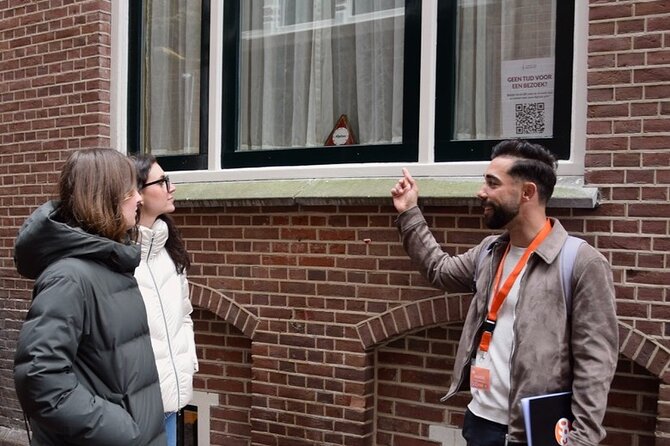
This tour is built for people who want more than facts on a screen. You start near Haarlem’s Groote Markt area, then move through the city like a story map: park, station, museum area, main square, small gardens, and memorial sites. You’re not just hearing about WWII from a distance—you’re seeing how the events connect to the geography of Haarlem.
The value here is the guide. With a live experienced guide in English, you get what you’d miss if you only used a phone app: meaning, context, and the human details that make names stick. The small group size (up to 18) also helps. It’s easier to ask a question, and it’s easier to hear the answer.
At $39.10 per person for about 2 hours, the price is fair when you consider two things: (1) you’re getting guided interpretation across multiple locations, and (2) most stops have free entry because they’re outdoor landmarks. The one “extra” you should expect is the Corrie ten Boom House museum ticket, which isn’t included.
You can also read our reviews of more tours and experiences in Haarlem.



Kenaupark and Hannie Schaft: Where Resistance Becomes Personal
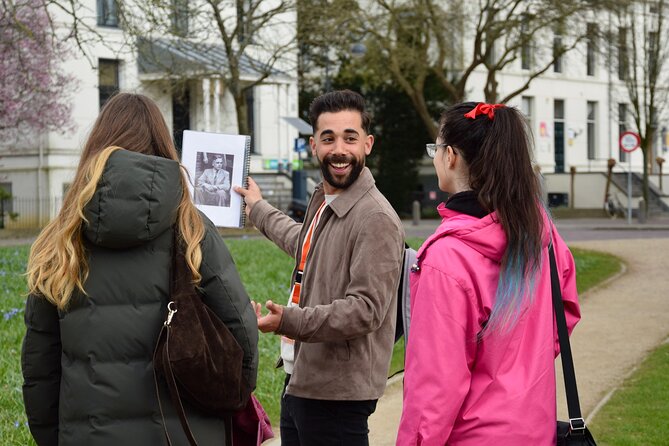
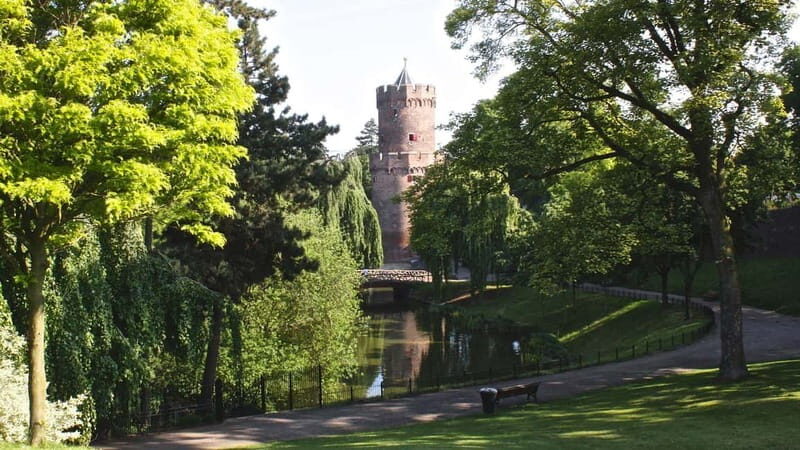
Kenaupark is the tour’s emotional center, even though it looks peaceful. Here, you’ll stop at the monument to Hannie Schaft, often called the Girl with the Red Hair. In this park setting—old trees, quiet pathways, and nearby historic buildings—you’ll hear how her resistance work unfolded in and around Haarlem.
What I like about placing this story in a park is that it stops the narrative from feeling like theater. You get a contrast: the space is calm, but the facts behind the memorial are severe. The guide connects that contrast to how ordinary people in the Netherlands were pulled into extraordinary choices under Nazi occupation—through acts of espionage, sabotage, and helping Jewish families hide.
Practical tip: bring your camera, but don’t treat it like a photo stop only. Give yourself a moment to read the monument and absorb the setting. That pause is part of how the tour “lands” this story.
Possible drawback: because this part is so moving, the park can feel like a slower emotional beat. If you’re the type who prefers fast, light sightseeing, this stop may hit harder than you expected—in a good way, but still.
Haarlem Railway Station (1839): History You Can Touch, Not Just Hear
From Kenaupark, the walk continues toward Haarlem Railway Station, which opened in 1839. It’s the oldest train station in the Netherlands, and the tour uses it as more than an architectural waypoint.
Rail stations were major nodes in wartime Europe. Even when your guide doesn’t turn it into a grim technical lesson, the station location helps you frame movement, schedules, and the way cities connected to larger systems. In other words, it gives you a real-world reference point for how people and information traveled.
This stop is short—think about 5 minutes—so it’s best not to wander. Keep your eyes up for details the guide points out, and then move on. You’re using the station as a historical anchor, not as a separate attraction.
Corrie ten Boom House: A Primer Stop, With Museum Entry Extra
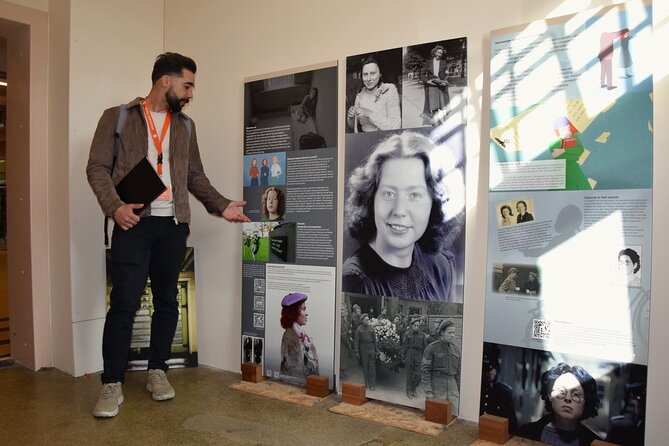
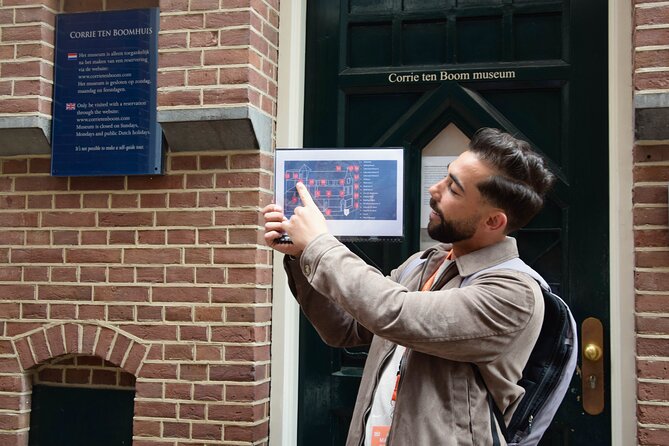
Next comes the Corrie ten Boom House. This is where the tour shifts from “walk-and-listen” into “walk-and-choose-your-next-step.” The museum entrance isn’t included, so the experience here is more of an orientation.
Your guide introduces what the ten Boom family did during WWII and why their story still matters. If you leave thinking, I want to see more inside, that’s exactly how this tour is designed to work. It gives you the background so the museum visit later feels clearer and more personal, instead of like a pile of displays with no thread.
The catch is obvious: you can’t count on the full museum time being covered in the 2-hour tour. If you want to spend real time inside, plan to add it afterward. This is also a good moment to check opening times on the day you visit.
Value angle: paying for this tour makes the museum visit more meaningful. Instead of just reading panels, you’ll already understand the “why” behind them.
Grote Markt to Secret Gardens: WWII Stories Through Everyday Haarlem
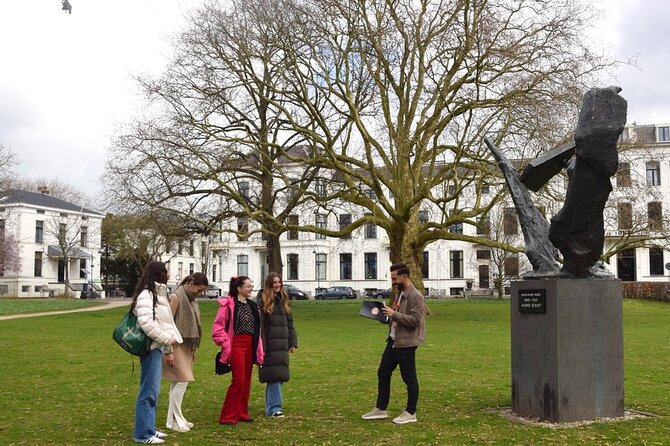
After the Corrie ten Boom stop, you’ll head to Grote Markt, Haarlem’s vibrant main square. Here, the tour widens the lens. You get a sense of the city as a living place, not just a memorial backdrop.
This stop is quick (about 10 minutes), but it helps you regroup. It’s also practical: you can orient yourself visually, spot landmark architecture, and reset your brain between heavier moments.
Then you move to smaller, quieter spaces that make the walk feel more human. Wijngaardtuin is a peaceful garden tucked behind central streets. It’s one of those places where Haarlem feels like it’s letting you rest your feet while still staying close to the story thread.
And in nearby steeg (narrow passageways), you’ll see a plaque honoring Simon Philip de Vries—a Dutch rabbi and scholar who served Haarlem’s Jewish community for nearly five decades. That long timeframe matters. It reminds you the Jewish presence in Haarlem wasn’t only wartime. It was community, learning, leadership, and daily life that existed long before deportations.
Practical tip: these quieter stops can be small. Keep an eye on your group’s pace and don’t get stuck studying every brick for 20 minutes—unless your guide pauses for questions, the tour is structured.



De Koepel and the Joods Monument Haarlem: Remembering Without Performing It
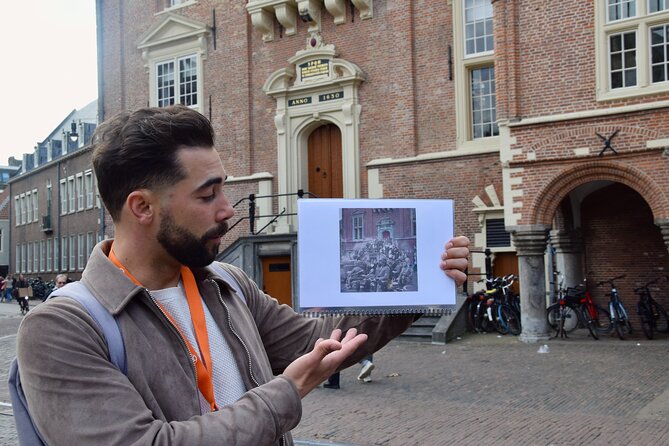
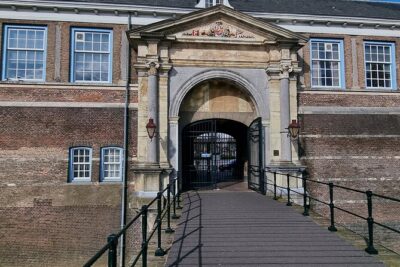
By the later part of the tour, you’re moving from “context and introduction” into “what happened here.” De Koepel is one of the best examples of that shift. The site is known for its architectural transformation—from a historic prison into a cultural and educational hub.
Even in a short stop (about 10 minutes), that reuse tells a story of its own. It’s a reminder that spaces change purpose. People rebuild, re-teach, and reframe what happened there so the present doesn’t pretend the past wasn’t real.
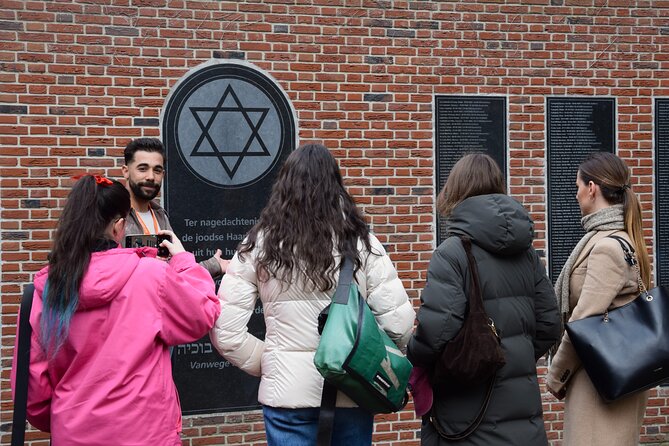
Then comes the final and most direct memorial stop: Joods Monument Haarlem at Nauwe Appelaarsteeg 1, near Philip Frankplein, close to the former main synagogue. This monument honors the 715 Jewish residents of Haarlem who were deported and murdered during the Holocaust, and it was unveiled on September 23, 2012.
This is the “don’t rush” moment. The tour gives you time to stand with what the monument represents. It’s solemn, but it’s also clear. You’re not just hearing about loss; you’re seeing how Haarlem marks names and numbers in a specific physical location.
Price and Logistics: $39.10 Is Mostly Paying for Interpretation
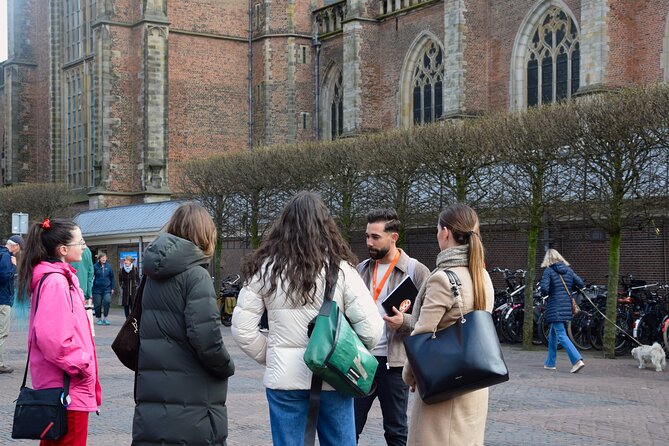
Let’s be honest about the math. You’re paying $39.10 for around 2 hours with a guide. Most stops are free because they’re public spaces—parks, stations, squares, gardens, plaques, and memorials. The one paid piece that’s not included is the Corrie ten Boom House museum entry.
So the value comes down to this: do you want help connecting the dots? If you’re comfortable self-guiding with books and a phone, you could probably assemble something similar. But if you want the city’s WWII story translated into a clear walking narrative—this is a good way to do it.
Also, the tour’s schedule is built around short stop times (often 5–10 minutes each). That means you’re getting a lot of locations without spending your whole day in transit. Small groups (max 18) help keep the experience personal enough for questions.
One more practical note: the tour requires good weather. If the day is rainy or miserable, you may be offered a different date or a refund. Plan as if you’ll want outdoor walking time.
Guide Quality: The Difference Between Reading and Understanding
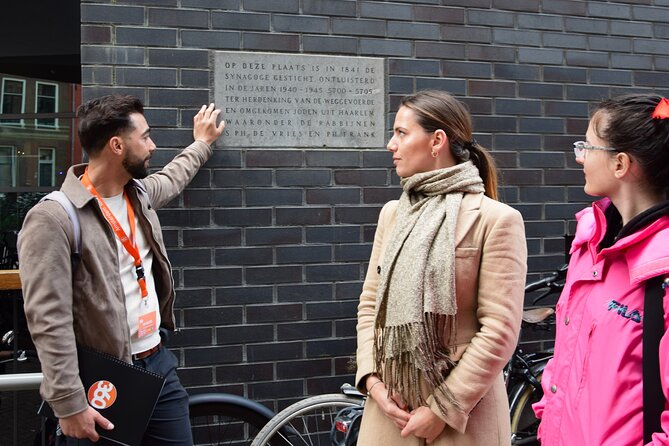
This tour earns its high rating because the guide doesn’t treat WWII like a checklist. People highlight the guide’s storytelling style and the way they bring details alive—especially when the guide is Manuel, who’s praised as professional, engaging, and very good at answering questions.
One theme in the feedback is time. The tour is scheduled for about 2 hours, but guides sometimes continue for a bit beyond the expected end because there are still questions and relevant details to share. That tells me the operator cares about learning, not just clocking a route.
If you’re the type who likes to ask, Why did they do that? What happened next? How did this affect ordinary people?—you’ll likely get a lot out of this format.
Who This Tour Fits Best (And Who Might Want Something Else)
This experience is ideal if you:
- want a starter route through Haarlem’s WWII story before visiting the Corrie ten Boom museum
- like walking city districts and learning from the actual places
- prefer a guided narrative over reading everything alone
- enjoy quiet spots alongside memorials, not just major landmarks
It may be less ideal if you:
- hate walking for about 2 hours on moderately active routes
- want a full museum experience included in the ticket price
- prefer a lighter, purely sightseeing day
Should You Book Corrie ten Boom and WW2 Experience in Haarlem?
I think this is a smart booking if you’re even slightly curious about resistance stories connected to Haarlem’s streets. The tour does two useful jobs at once: it gives you meaning at memorial stops and it prepares you for what to look for when you visit the ten Boom museum separately.
Book it if you want a guided, emotionally aware walk that stays grounded in location. Skip it (or pair it differently) if you only want a museum ticket day and don’t want the city walking component.
If you go, do this: wear comfortable shoes, bring a camera but give yourself a few quiet seconds at the monuments, and plan your museum visit so the intro doesn’t feel unfinished.
FAQ
How long is the Corrie ten Boom and WW2 Experience?
It runs for about 2 hours (approximately).
Where does the tour start and end?
It starts at 2011 MS Haarlem, Netherlands (near the Central square of Haarlem, Groote Markt) and ends at Nauwe Appelaarsteeg 1, 2011 HA Haarlem, Netherlands.
Is the Corrie ten Boom House museum entrance included?
No. The tour includes the visit as an introduction, but Corrie ten Boom House admission is not included.
What language is the tour offered in?
The tour is offered in English, with an experienced guide in the chosen language.
Is there a mobile ticket?
Yes, the tour provides a mobile ticket.
How big is the group?
The tour has a maximum of 18 travelers.
Is the tour suitable for moderate walking?
It’s intended for travelers with a moderate physical fitness level.
Does weather affect the experience?
Yes. It requires good weather, and if it’s canceled due to poor weather, you’ll be offered a different date or a full refund.
Are service animals allowed?
Yes, service animals are allowed.