REVIEW · HOORN
Hoorn: City Tour with Local Guide
Book on GetYourGuide →Operated by 360 Haarlem Tours · Bookable on GetYourGuide
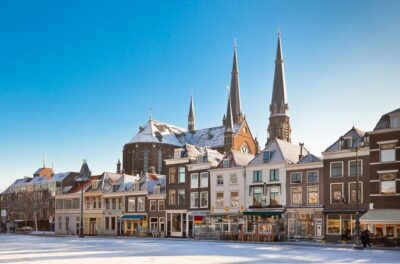
Hoorn’s streets come with stories. This 2-hour walking tour turns storybook streets into a timeline of trade, shipbuilding, religion, and resistance, with stops tied to the Dutch Golden Age and the VOC. You’ll walk past places like the Hoofdtoren and former VOC warehouses while your guide connects them to real conflicts and real legends.
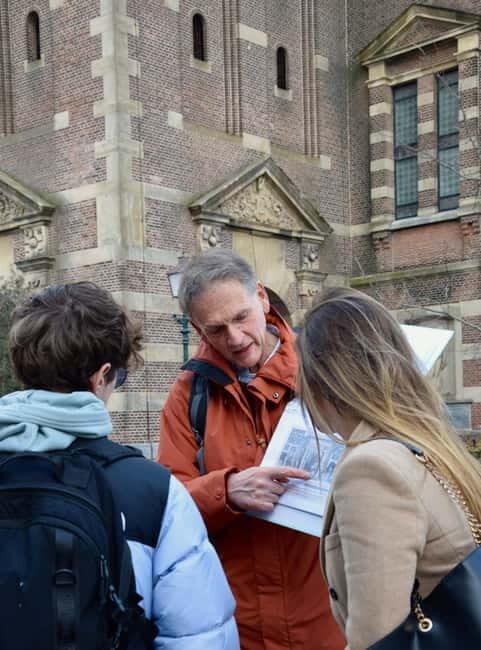
I especially liked the way the guide, often including Wiebe Jan, explains the city through cause and effect, not just facts. Two standout wins for me are the question-friendly pace (he takes time to answer) and the clever mix of big landmarks with the smaller details that make Hoorn feel lived-in, not staged.
One consideration: if you prefer a super fast-moving, action-heavy tour, the focus on history can make the walk feel more talk-forward than beat-by-beat dramatic. Also, the walking nature matters, since the tour is listed as not suitable for wheelchair users and people with mobility impairments.
In This Review
- Key highlights to look for
- Entering Hoorn’s Golden Age, One Corner at a Time
- Meeting at Noorderplantsoen and Finding the Orange Umbrella
- Binnenstad Hoorn: How the Walk Becomes a Story Timeline
- Along the Streets Toward Mariatoren and Onder de Boompjes
- Muntstraat and the Street-Grade View of Trade
- Grote Kerk and the Riot Spark: Religion as a Real Force
- Bossuhuizen: Watching Architecture Carry Social Meaning
- Hoofdtoren: Where the Waterfront Story Gets Real
- The Weigh House and the Quiet Power of Grain
- Jan Pieterszoon Coen Statue: A Controversy You Can’t Ignore
- Scheepsjongens van Bontekoe: Heroes, Sailors, and Story Legends
- Eetcafé ’t Schippershuis and the Roode Steen Finish
- The Value Question: Is $26 for 2 Hours Worth It?
- Who This Tour Suits Best
- Should You Book Hoorn: City Tour with Local Guide?
- FAQ
- Where is the meeting point for the Hoorn city tour?
- How long is the walking tour?
- What languages is the guide available in?
- What is included in the price?
- Are entrance fees or food included?
- Is this tour suitable for wheelchair users?
Key highlights to look for
- Hoofdtoren and VOC-linked waterfront buildings: see where ships and wealth moved through Hoorn
- Weigh house stop: a practical reminder of how trade worked on the ground
- Church stories and the riot connection: religion wasn’t a side note here
- Jan Pieterszoon Coen statue: you’ll hear why it’s controversial in local memory
- Legends that mix old and modern views: from underground tunnels to a pirate-at-sea tale
- Short pause at Eetcafé ’t Schippershuis: a quick reset without turning the tour into a food stop
Entering Hoorn’s Golden Age, One Corner at a Time
Hoorn can feel calm when you first arrive, then suddenly you notice how the city is built to tell you what happened here. This tour is built around that idea: you don’t just see old buildings, you learn what they meant when ships came and went, grain flowed, and political and religious groups argued in public.
The big theme is how Hoorn became wealthy through shipping and trade, not only spice routes. Your guide puts a spotlight on the Baltic grain trade, explaining how it quietly made Hoorn richer than the glamorous spice story many people know. That changes the way you read the city. Instead of thinking only about ships as symbols, you start seeing them as logistics.
You’ll also hear about the clash between Remonstrants and Gomarists, which isn’t usually the headline for Dutch Golden Age cities. Here, it becomes part of the street-level story: why certain buildings mattered, why crowds formed, and how everyday life got pulled into bigger battles.
You can also read our reviews of more tours and experiences in Hoorn.
Meeting at Noorderplantsoen and Finding the Orange Umbrella
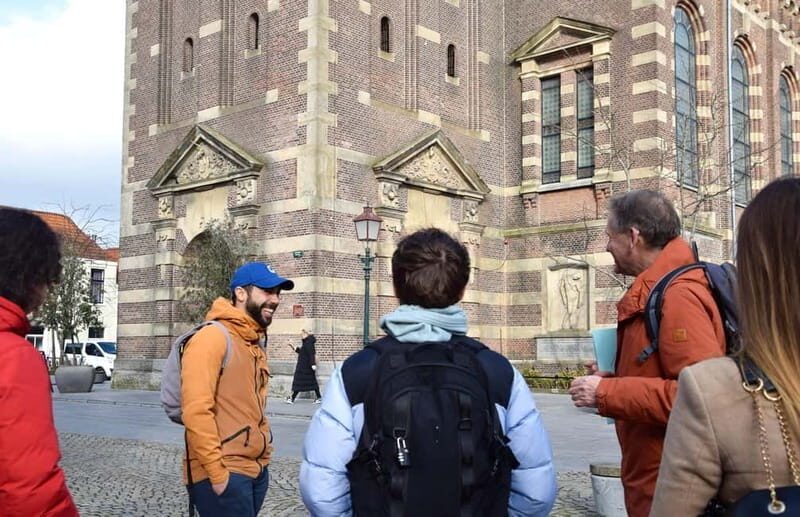
You start at Noorderplantsoen park, in front of Hoorn’s train station. That’s useful because Hoorn is easy to reach and the meeting point is straightforward. If you’re arriving by train, you’ll basically roll from transport into the old center.
Look for the guide with the orange umbrella. It sounds small, but on a walking tour it saves time and stress, especially if the park area has more than one group milling around.
Duration is set at about 2 hours, so you’re not committing to a full half-day. The walk is also paced to cover a cluster of sights in the Binnenstad area, so you get the strongest city feel without needing to plan your own route afterward.
Binnenstad Hoorn: How the Walk Becomes a Story Timeline
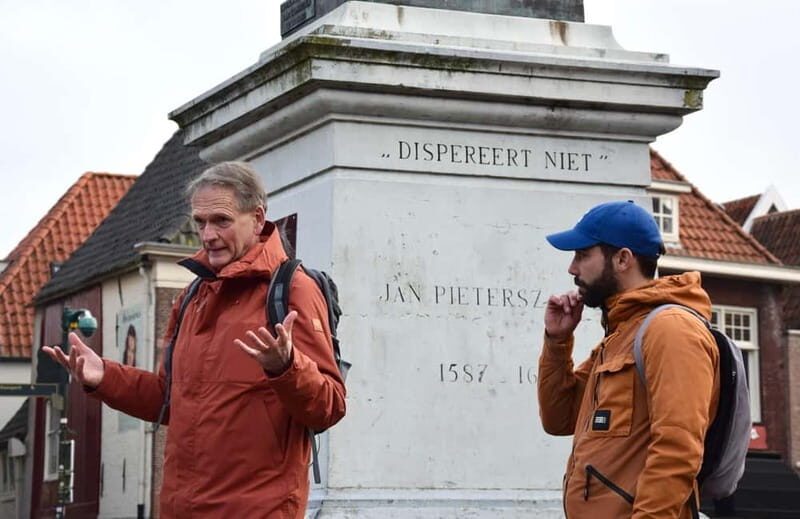
The first stretch is where the guide sets the tone. Walking into Binnenstad Hoorn, you begin hearing how Hoorn moved from commercial success to conflict. The tour frames the city’s rise as a combination of trade power, shipbuilding skills, and the political-religious tensions that came with wealth.
This is where you’ll learn the fundamentals you need for the rest of the walk: how battles shaped the city, why shipbuilding mattered beyond the docks, and why people cared so much about institutions like churches. If you’re the type who likes context, this opening section pays off later, because you’ll recognize the meaning behind what you see.
If you dislike “lecture-style history,” you can still enjoy this part, but it helps to go in ready to listen. One review note in the same spirit suggested the guide went quite deep, which can slow the energy a bit. For me, that’s not bad if you enjoy real explanations instead of surface-level highlights.
Along the Streets Toward Mariatoren and Onder de Boompjes
As the route continues, you pass through areas connected to local landmarks and neighborhoods. The tour includes a stop by Vakantiehuis De Mariatoren Hoorn, and then heads toward Onder de Boompjes.
I like this kind of sequencing because it prevents the tour from becoming a straight line of only the biggest monuments. Even when you’re not stopping to enter a building, the guide’s commentary helps you notice the scale and texture of the city: how narrow street patterns shape movement, how small squares act like social stages, and how architecture reflects changing fortunes.
Onder de Boompjes is the kind of name that pulls you toward a place with character. Even without stepping inside anywhere, the guide’s storytelling makes the area feel tied to how people lived, traded, argued, and traveled through the city.
Muntstraat and the Street-Grade View of Trade
Next up is Muntstraat. Street names often hint at the city’s identity, and in Hoorn, commerce is the heartbeat. In this section, expect your guide to keep linking everyday street-level features to the wider trading system.
This is also a good moment to slow down mentally and look at the city as a working system. You’re not only sightseeing; you’re learning how wealth got processed—literally—through weighing, shipping, storage, and transport. When the tour later hits the weigh house and VOC-linked sites, the earlier trade framing makes those stops land harder.
If you take photos, this is a good time to do it before you get absorbed in the story at the larger landmarks. There’s no need to rush. Just keep your camera handy and your attention flexible.
Grote Kerk and the Riot Spark: Religion as a Real Force
The tour includes Grote Kerk – ET Hoorn, which is where religion stops being background atmosphere and becomes a driver of events. The guide connects the church to riots, showing that religious conflict wasn’t polite debate—it could turn into public upheaval.
One of the tour’s strengths is that it doesn’t treat religion as separate from commerce and politics. In Hoorn, the same institutions and influential figures show up across the story. The church section ties into the broader tension between Remonstrants and Gomarists, and it helps explain why certain ideas had enough power to disrupt daily life.
You’ll also hear about how the city’s leadership and public opinion shaped what people built and what they fought over. Even if you’ve read about Dutch history before, this adds a Hoorn-specific angle that makes the events feel more grounded.
Bossuhuizen: Watching Architecture Carry Social Meaning
After the church, you move toward Bossuhuizen. This is the kind of stop that’s great for anyone who likes reading architecture like a document. Instead of only hearing names and dates, you’re prompted to notice how buildings reflect status, wealth, and social organization.
A walk like this is surprisingly helpful if you want to understand why some cities feel more “alive” than others. In Hoorn, the architecture isn’t only decorative. It’s tied to who could afford to shape the city and who had to respond when fortunes shifted.
You might not have a museum entrance here. That said, you’ll still come away with a clearer sense of how power showed up in stone and layout.
Hoofdtoren: Where the Waterfront Story Gets Real
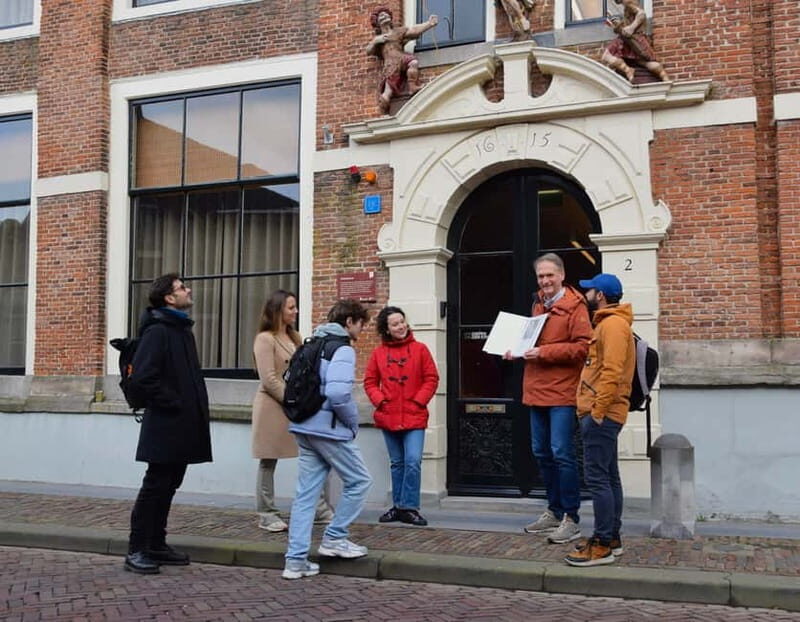
Now you reach Hoofdtoren, a focal point of the tour. This is one of the best spots to pay attention because it anchors the storybook feeling in a real maritime setting.
The guide connects Hoofdtoren to the era when Hoorn was among the wealthier cities in the Netherlands, tied to shipping and VOC activity. You’ll also hear about former VOC warehouses—places where goods and connections moved toward the East Indies.
I like that the tour frames these stops not as relics, but as evidence. When you hear how ships once set sail from this area, the city’s layout starts to make sense in a practical way.
If you’re traveling with someone who gets bored in history tours, this stop often helps. It’s visually strong and story-driven at the same time, which is the ideal combo for a 2-hour walk.
The Weigh House and the Quiet Power of Grain
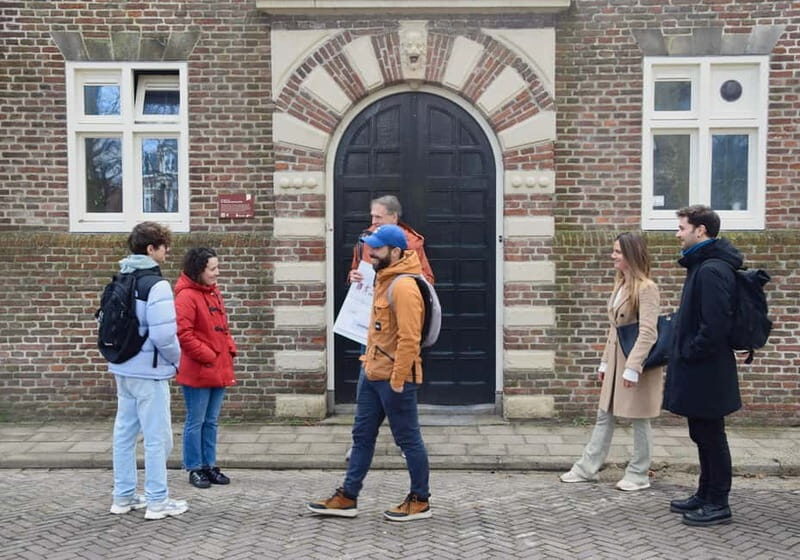
The tour includes a weigh house stop. This is where the story shifts from romance-of-the-sea to the real machinery of trade.
If you’ve mostly heard about the Dutch spice myth, the weigh house section helps correct that view. Your guide highlights that Hoorn’s wealth also came through Baltic grain trade—less flashy than spices, but enormous in impact. The weigh house makes that point concrete by focusing attention on how goods were measured, sorted, and moved.
That kind of detail is genuinely useful because it gives you a new lens for what you see. You’ll understand why certain locations mattered even if they weren’t the most famous viewpoints.
Jan Pieterszoon Coen Statue: A Controversy You Can’t Ignore
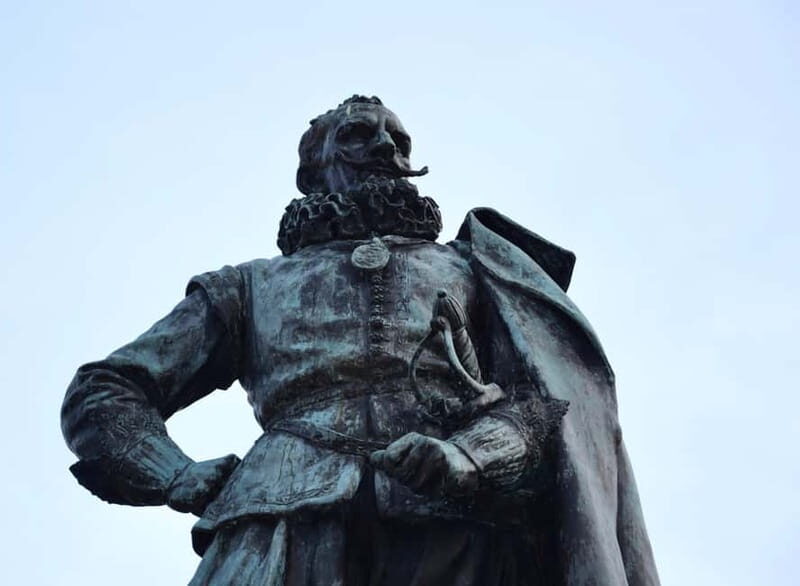
Another memorable stop is the controversial statue of Jan Pieterszoon Coen. This part is valuable because it shows how historical figures can remain contested long after their era ends.
You’ll hear local interpretations tied to the VOC shadow and how those legacies show up in public art and public memory. Even if you don’t agree with one interpretation or another, the tour helps you understand why the statue sits in the city’s ongoing conversation.
If you like honest history, this is the portion that gives you complexity instead of a neat moral. Hoorn isn’t sugarcoated here.
Scheepsjongens van Bontekoe: Heroes, Sailors, and Story Legends
The tour includes Scheepsjongens van bontekoe, where the focus turns toward sailors and heroic tales. This is where Hoorn’s relationship to maritime legend becomes clear.
One of the tour’s most fun strengths is that it layers in local legends from the 1600s and also brings in modern views of those days. You’ll also hear stories that go beyond the usual sea-sagas, including references like underground tunnels and a pirate who climbed the Spanish flagship’s mast.
Even if you’re not a pirate-story person, these legends do a practical job: they help you remember the real history behind the sights. They also make the walk feel less like a textbook and more like a guided conversation with someone who loves this city.
Eetcafé ’t Schippershuis and the Roode Steen Finish
Near the end, you get a short visit to Eetcafé ’t Schippershuis for about 15 minutes. No long meal is included, but the break matters. After a couple of busy stops, you’ll appreciate the chance to regroup and ask any last questions.
Then you finish at Roode Steen, a fitting end point because it brings you back to the city’s public heart. It’s the kind of place where you can step back, look around, and connect the final “scene” to everything you learned earlier.
The Value Question: Is $26 for 2 Hours Worth It?
At $26 per person for a 2-hour guided walk, the value depends on what you want from travel.
If you want a quick taste of Hoorn with minimal thinking, you could do it on your own. The streets and landmarks are visible. But if you want the meaning behind them, the guide is the point of the ticket: the explanation of VOC connections, the trade mechanics behind the weigh house, and the religious and political friction that shaped public life.
This tour is also structured in a way that keeps it efficient. You cover multiple major stops in one walking loop, so you’re not spending your time figuring out what’s worth your attention. For a compact, context-heavy city experience, that’s strong value.
Who This Tour Suits Best
This tour is a great fit if you:
- Like history that connects to real buildings, streets, and institutions
- Want more than a list of sights, with stories tied to trade and conflict
- Enjoy guides who take time with questions (Wiebe Jan is specifically mentioned as question-friendly)
- Prefer learning in a group setting where kids and adults can both get attention (some families note the guide switching between adult and child explanations)
You may feel less satisfied if:
- You want a high-energy walk where the guide moves quickly and rarely slows down
- You need an itinerary that works for mobility limits, since the tour is listed as not suitable for wheelchair users and people with mobility impairments
Should You Book Hoorn: City Tour with Local Guide?
If you’re spending only a short time in Hoorn, this is an efficient way to get the city’s core story, from VOC-linked buildings to the weigh house and the church riots connection. The guide’s storytelling, including maritime legends and the way he handles questions, is the part that makes this feel like more than just passing monuments.
I’d book it when you want context and conversation more than you want speed. If you’re sensitive to long, detailed history talk, consider whether you’ll enjoy that style. For anyone who likes to understand how a place worked, not just how it looks, this tour is a solid pick for $26.
FAQ
Where is the meeting point for the Hoorn city tour?
The tour meets at Noorderplantsoen park, in front of Hoorn’s train station. Look for the guide with the orange umbrella.
How long is the walking tour?
It lasts about 2 hours.
What languages is the guide available in?
The live guide offers Dutch and English.
What is included in the price?
Included are the 2-hour walking tour, an expert local guide, and stops at historical landmarks and hidden sites. Entrance tickets to museums or buildings are not included.
Are entrance fees or food included?
No. Entrance tickets and food or drinks are not included. There is a 15-minute visit to Eetcafé ’t Schippershuis, but the tour does not list a meal as part of the package.
Is this tour suitable for wheelchair users?
The listing includes mixed accessibility info: it says wheelchair accessible, but it also states not suitable for wheelchair users and people with mobility impairments. If accessibility is important for you, it’s worth checking directly with the provider before booking.