REVIEW · AMSTERDAM
LGBTQI+ History Tour of Amsterdam
Book on Viator →Operated by Special Amsterdam Tours · Bookable on Viator
A canal walk that tells the truth. This LGBTQI+ History Tour of Amsterdam with guide Henk uses real places to explain how the city shaped gay life, from the Gay Monument to the red-light district, and it also welcomes straight allies. What I like most is the small group size (max 15), because it means you actually get time to ask questions and hear the story with context. The other big plus: Henk lived through the early days of the movement in Amsterdam, so the tour doesn’t feel like distant textbook history—it feels personal.
One thing to plan for: this is a walking tour in central Amsterdam, so bring the right shoes and pace yourself. The schedule also needs good weather, and you’ll want water since the tour includes short stops and mostly stays on foot.
In This Review
- Key things I’d mark on your map
- Meet Henk at Westermarkt and get the right tone fast
- Gay Monument stop: why the tour starts with memory
- Canal walk toward Dam Square: city planning you can actually see
- Dam Square and the Royal Palace: what you get without paying for entry
- Red-light district and the leather street: learning what to look for
- Chinatown and WWII details: wartime limits and community survival
- Finish at Bet van Beeren near Zeedijk: end with a living connection
- Price and value for $42.33: what you’re really paying for
- What to bring and how to make the most of the route
- Who this tour is best for (and who should choose another day)
- Should you book the LGBTQI+ History Tour of Amsterdam?
- FAQ
- How long is the LGBTQI+ History Tour of Amsterdam?
- What time does the tour start and where does it meet?
- Where does the tour end?
- Is the tour in English?
- What group size should I expect?
- What’s included in the price?
- Do I need to bring anything?
- What if the weather is bad?
- Can I cancel for free?
Key things I’d mark on your map
- Henk’s lived perspective: a guide who experienced the early gay movement in Amsterdam firsthand
- Gay Monument with admission included: the start point for stories about victims, past to present and future
- Canal-side 17th-century streets and planning: you walk through the kind of urban design Amsterdam is famous for
- Dam Square + Royal Palace context: you get the meaning without spending time inside the Palace
- Red-light district and leather street: explained with care, not just sightseeing
- End at Bet van Beeren: finish near Zeedijk, with one historic bar stop tied to wartime history
Meet Henk at Westermarkt and get the right tone fast
The tour starts at Westermarkt 2L (1016 DW) at 11:00 am. Expect a true walking format right away: fewer vehicles, more street-level learning, and a route that keeps you focused on the stories behind the buildings and squares.
The small group cap (up to 15) matters more than you’d think. Amsterdam is huge on tours, and a lot of group walks turn into quick photo stops. Here, the format leaves room for questions and follow-ups, and that’s especially useful when you’re learning about LGBTQI+ history across different decades. One of the strongest reasons to pick this tour is the guide: Henk is an advocate, and his approach blends history with personal memory and human reactions. That mix helps you connect the why, not just the what.
Also, I appreciate that straight allies are warmly welcomed. This isn’t framed as a closed-off experience. If you’re an ally, you’ll still get the full story and be treated like a participant, not an outsider.
You can also read our reviews of more tours and experiences in Amsterdam.

Gay Monument stop: why the tour starts with memory
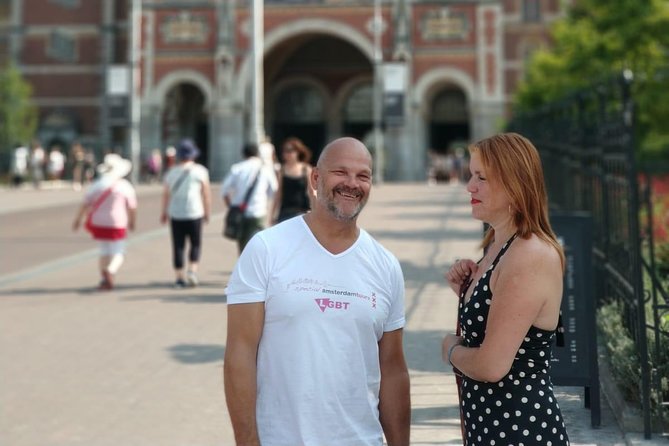
Your first real anchor point is the Gay Monument, with a scheduled 30 minutes and admission ticket included. The point of the monument is clear: it’s for gay victims in past, present and future. That wording sets the tone immediately. This isn’t a tour built only around dates or famous names—it’s about remembrance and how public space can carry responsibility.
Henk also explains how the Netherlands got what’s described as the first monument in the world. Even if you’ve read a little about Dutch LGBTQI+ history before, this stop works because it turns policy and progress into a physical place you can stand in and look at. When you start there, later stops about bars, streets, and squares feel linked, not random.
Practical note: monuments and memorials are the moments you’ll want to linger for photos and to listen closely. This is one of the best points to take it in without rushing.
Canal walk toward Dam Square: city planning you can actually see
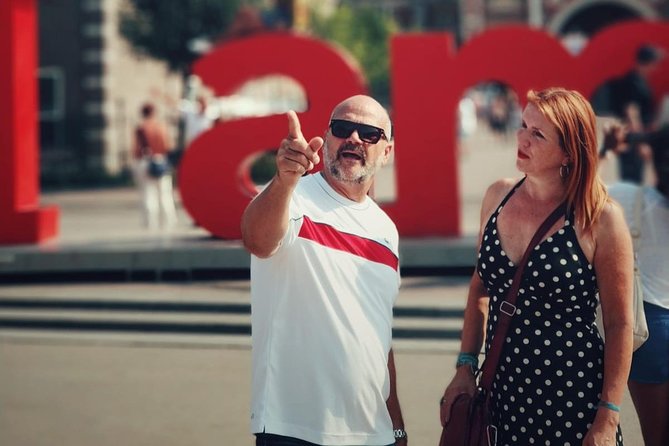
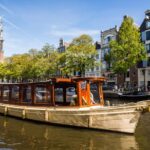
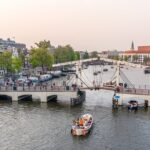
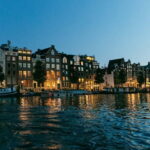
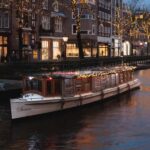
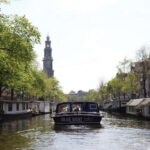
After the Gay Monument, you walk along the canals toward Dam Square, with a focus on 17th-century houses. The guide also explains how Dam-area urban planning was shaped early—framed as the first example of city planning in the world.
That might sound like a textbook claim, but on foot it lands differently. When you’re looking at the canals and the street edges, you start to understand how a city layout can affect everyday life: where people gather, how communities form, and how visibility works in a dense urban center. It’s also a good transition from “memorial” to “daily life,” which keeps the tour from feeling only heavy or only celebratory.
This canal section is where the route starts acting like an orientation walk. If it’s one of your first times in central Amsterdam, you’ll get a sense of direction quickly—especially toward Dam Square, which is the hub that shows up again and again across Dutch history.
Dam Square and the Royal Palace: what you get without paying for entry
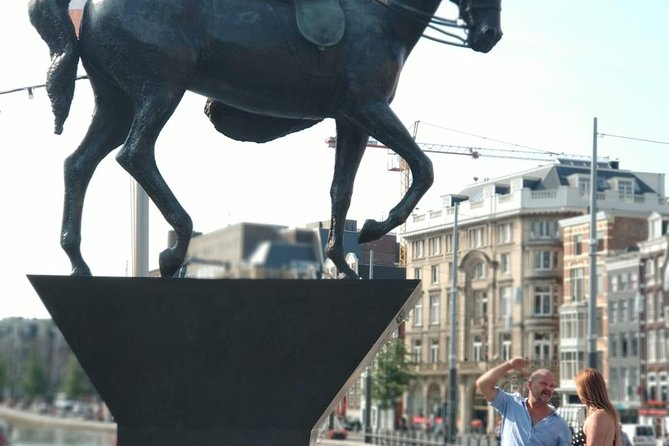
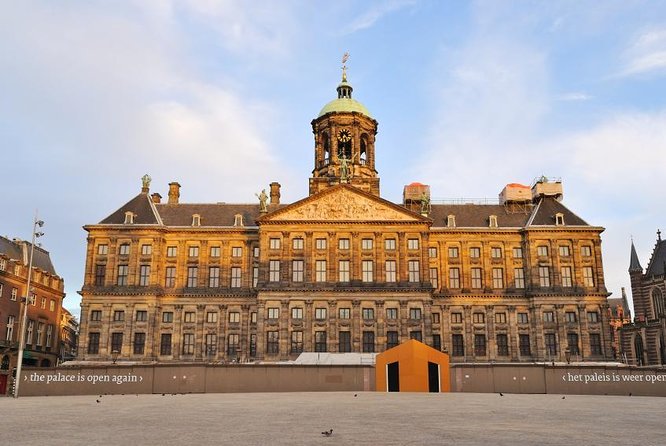
On Dam Square, you’ll hear about the origin of the Royal Palace and what it has to do with gay life in the 17th century. The important detail for your planning: you don’t have time to visit the Palace, and entry is not included. Still, the guide says it’s worth visiting later on your own.
That approach is smart for two reasons. First, it keeps the tour within its roughly 2-hour timeframe. Second, it gives you a reason to care before you spend money on admission elsewhere. If the Palace inside is on your list, you now know the angle to look for: not just royal architecture, but how power and social life intersected in the city’s earlier era.
You also stop at Dam Square itself for about 10 minutes, where the guide explains its long history and what’s LGBT related there. The schedule notes an admission ticket included piece for this stop. Even if you’re not a museum person, Dam Square is one of those places that always feels like a living stage—being told what to notice makes it more than a landmark you pass through.
Red-light district and the leather street: learning what to look for
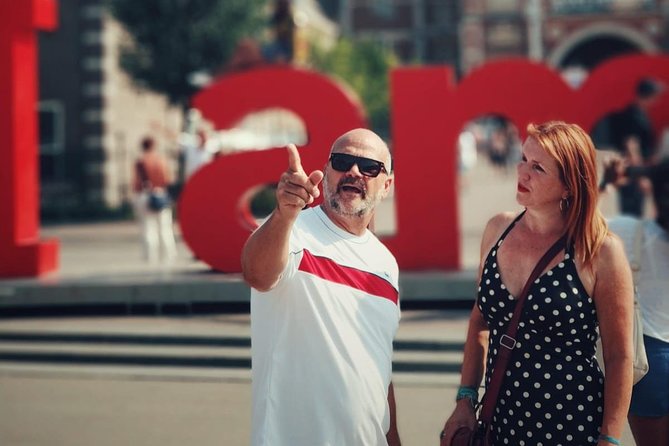
From Dam Square, the walk heads into the red-light district, including mention of the leather street of Amsterdam. The tour framing here is practical: the guide will point out details, and you can ask questions if you’re interested.
This section can be the most uncomfortable part for some people, not because the tour is sensational, but because the subject matter sits close to real-life exploitation and stigma. What makes it worth doing anyway is that the guide ties the streets back to LGBTQI+ history and how marginalized communities have navigated visibility under pressure.
My advice: treat this part like a listening segment. If you go in expecting “adult nightlife trivia,” you’ll miss the point. If you go in ready to understand how city spaces worked for queer communities—sometimes safely, sometimes not—you’ll get more out of it.
Also, if you’re traveling with family or friends who don’t know your comfort level, it’s a good idea to do a quick pre-check-in. This is Amsterdam, but the tour is still a history walk with adult-adjacent surroundings.

Chinatown and WWII details: wartime limits and community survival
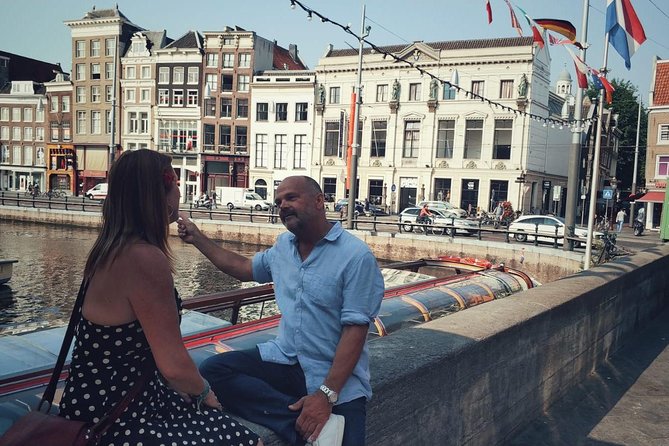
Next comes Chinatown, described as once the roughest street in Amsterdam. This stop adds two layers that make it stand out from other walking tours:
- It includes the oldest gay bar in Amsterdam (the tour ends at this area and the final bar is named).
- The guide explains why German soldiers in WWII were not allowed in this part of the city.
That WWII detail is the kind of story that can sound like a rumor if it’s dropped into a conversation, but it fits the tour’s bigger theme: power and control versus community boundaries. Learning that soldiers had restrictions here reframes the neighborhood as something more than a nightlife zone. It becomes a place with protection, rules, and consequence—whether enforced by policy, social refusal, or local conditions.
If you like history with a human edge, you’ll probably feel it here. It’s one thing to hear about progress or rights in the abstract. It’s another to hear about boundaries under occupation, and then see how community life continued afterward.
Finish at Bet van Beeren near Zeedijk: end with a living connection
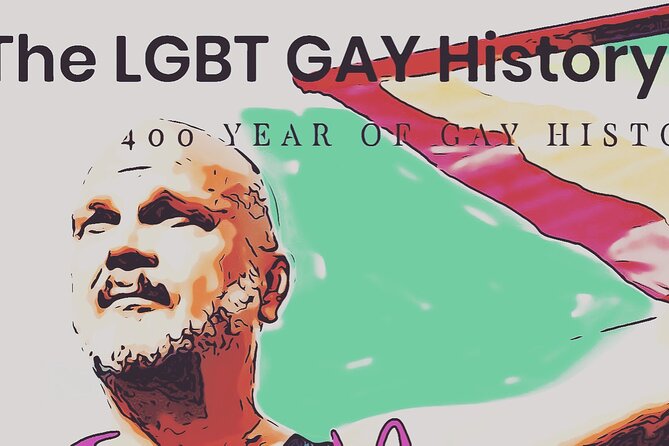
The tour ends at Café ’t Mandje, located at Zeedijk 63 (1012 AS). The route is a walking distance from Central Station, which is handy if you’re hopping to another stop afterward.
The final bar stop is Bet van Beeren, and it’s positioned as a historic end point tied to the LGBTQI+ story in the area. Ending at a place that still operates gives the tour a satisfying aftertaste: you’re not just leaving a lecture behind. You’re stepping out into a neighborhood that still has LGBTQI+ social life in it.
In reviews, people often describe the guide as warm and empathic, with moments that can land emotionally—like reflecting on losses tied to AIDS. That kind of tone makes the ending feel less like a sightseeing finish line and more like closure, even if it’s not “happy” history the whole way.
Price and value for $42.33: what you’re really paying for
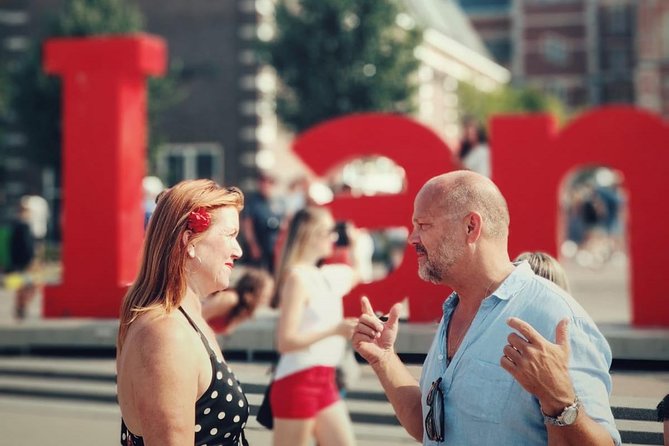
At $42.33 per person for about 2 hours, you’re paying for three things:
- A real guide with firsthand involvement in Amsterdam’s early movement
- A tight route in central Amsterdam (max 15 people keeps attention on you)
- Admission tickets included at key stops (the Gay Monument and a Dam Square ticket are noted)
If you’ve done basic sightseeing walks before, the price can look like “a bit more than average.” Here, the extra money makes sense because the guide’s lived perspective changes the entire experience. You’re not only seeing places—you’re hearing why those places mattered and what happened in and around them.
A small tip on timing: the tour is, on average, booked about 26 days in advance. That doesn’t mean you must plan a month ahead, but it does suggest the best time slots can fill. If you’re on a tight itinerary, book early so you don’t gamble.
What to bring and how to make the most of the route
This tour includes the tour escort/host, and it’s in English with a mobile ticket. You’ll want to bring your own water and walking shoes. That’s not just comfort advice—it’s what keeps you present while you listen.
You should also expect a bit of emotional range. The guide doesn’t avoid difficult topics, and some parts of the story include losses connected to AIDS and the cost of stigma. If you’re the type of traveler who likes history that holds both grief and progress, this tour will feel like a honest match.
And because the tour requires good weather, plan it for a day when you’re not counting on a perfect schedule. If rain hits, you may need to move dates, or you’ll be offered an alternative.
Who this tour is best for (and who should choose another day)
This is a great fit if you want:
- LGBTQI+ history in Amsterdam that connects policy, community, streets, and real places
- A guide who can explain the story with humor and empathy, not just facts
- A manageable walk (about two hours) that gives context fast
It’s also a smart choice if you’re doing the usual Amsterdam checklist and want one tour that changes how you see the city. After this, Dam Square, the canal area, and even the nightlife streets won’t feel like blank scenery.
If you hate walking, or if you’re sensitive to adult-adjacent surroundings, consider whether you want your day shaped by the red-light district segment. The tour includes that area for historical reasons, so skipping it isn’t really an option on this itinerary.
Should you book the LGBTQI+ History Tour of Amsterdam?
Yes—if you want a guided, human-scale way to understand Amsterdam’s LGBTQI+ past and present. The combination of a small group, guide Henk’s firsthand perspective, and admission-included stops is strong value for a $42.33 ticket.
I’d especially recommend booking early in your trip. This is the kind of tour that gives you a lens, so later museums, neighborhoods, and even casual street wandering feel more meaningful.
If you want a quick checklist tour with minimal emotion, you might feel the weight more than you expect. But if you’re okay with history that includes both struggle and progress, this is one of the best ways to get real context without spending the whole day indoors.
FAQ
How long is the LGBTQI+ History Tour of Amsterdam?
The tour runs for about 2 hours.
What time does the tour start and where does it meet?
It starts at 11:00 am and meets at Westermarkt 2L, 1016 DW Amsterdam.
Where does the tour end?
It ends at Café ’t Mandje, Zeedijk 63, 1012 AS Amsterdam, and it’s a walking distance from Central Station.
Is the tour in English?
Yes, the tour is offered in English.
What group size should I expect?
The tour has a maximum of 15 travelers.
What’s included in the price?
The tour includes the tour escort/host. Admission tickets are listed as included for the Gay Monument and the Dam Square stop, while Royal Palace entry is not included.
Do I need to bring anything?
Bring your own water and walking shoes. The tour is mostly on foot.
What if the weather is bad?
The experience requires good weather. If it’s canceled due to poor weather, you’ll be offered a different date or a full refund.
Can I cancel for free?
Yes. Free cancellation is available up to 24 hours in advance for a full refund.