
REVIEW · HAARLEM
Life of Corrie Ten Boom & World War 2 Walking Tour
Book on GetYourGuide →Operated by 360 Haarlem Tours · Bookable on GetYourGuide
Haarlem has a WWII pulse you can walk. This Corrie ten Boom & World War 2 Walking Tour turns street corners into real-world resistance stories, focused on the places Corrie knew in North Holland. You’ll follow the route with a live guide and see how the city’s occupation-era life connects to one family’s moral courage.
What I like most is the way the guide brings the story to life in a human way. In particular, a guide named Manuel stood out in recent tours for his friendly delivery and story telling that landed with both emotion and facts.
One possible consideration: this tour does not include Corrie ten Boom Museum entrance, so if you want to spend time inside the museum, plan for a separate visit.
In This Review
- Key Points You Should Know
- Walking Haarlem’s WWII Story in Two Hours
- Kenaupark Start: Hannie Schaft and Finding Your First Thread
- Haarlem Station and the City Center: Occupation Life You Can See
- Outside the Ten Boom House and the Joods Monument
- Koepel Haarlem: Where the Nazis Tightened the Net
- Wijngaardtuin and Wijde Appelaarsteeg: Everyday Resistance on Quiet Streets
- Price, Duration, and What You Get for $38
- Who This Tour Fits Best (and Who Might Want a Different Plan)
- Tips to Get More Out of Every Stop
- Should You Book This Corrie Ten Boom Walking Tour?
- FAQ
- How long is the Corrie Ten Boom & World War 2 walking tour?
- Where does the tour meet?
- Is the tour guided?
- Is the Corrie ten Boom Museum entrance included?
- Which key WWII locations will I see?
- Where does the tour finish?
- What is the price?
- Is the tour wheelchair accessible?
- Can I cancel if my plans change?
Key Points You Should Know

- Two hours, focused route: You’ll hit the core WWII sites without feeling dragged around town.
- Outside landmarks with meaning: You see the Ten Boom House exterior and the Joods Monument rather than only generic plaques.
- Koepel Haarlem connection: The stop at the prison site helps explain what happened after the resistance was exposed.
- Wijngaardtuin’s everyday resistance: It’s not only dramatic arrests; you learn how help worked quietly.
- Strong guide energy: Recent visitors highlighted an engaging, friendly guide who explains with relevance.
Walking Haarlem’s WWII Story in Two Hours
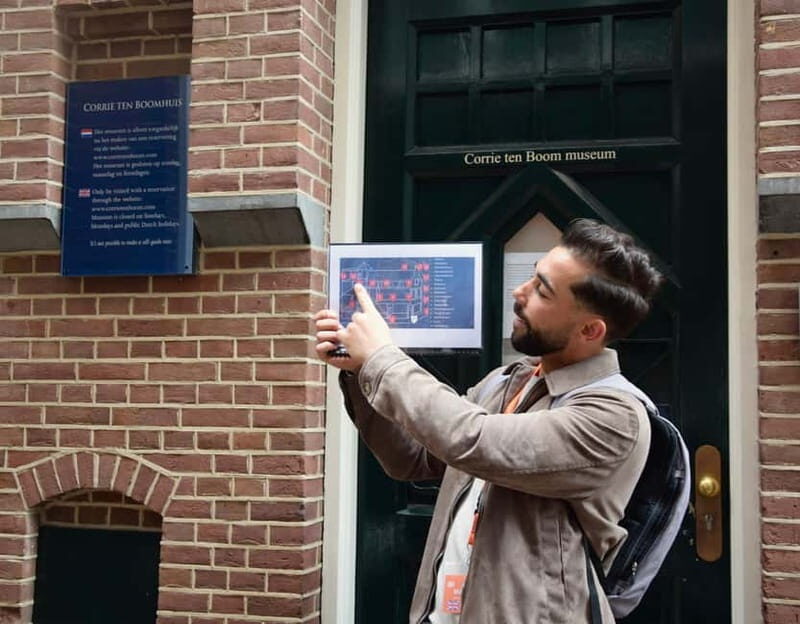
If you like history that’s specific, not vague, this Corrie ten Boom walking tour in Haarlem is a strong fit. You’re not just learning dates. You’re walking the actual urban layout where choices were made, risks were taken, and the Nazi occupation tightened around ordinary people.
The pacing is built for a short visit. At 2 hours, you get a coherent arc: Haarlem under pressure, Corrie’s decision to hide Jews through her home and network, the moments of resistance in daily life, and the point where the system finally caught up—linked here to the Koepel Haarlem prison area. It’s intense without trying to be sensational.
You’ll also be glad this tour is guided. The places you visit can feel quiet from the sidewalk. The guide does the heavy lifting, turning each stop into a story you can picture. Reviews repeatedly praised this style of narration, calling out a guide named Manuel for being engaging, informed, and emotionally resonant. That matters because WWII storytelling can go flat if the guide isn’t skilled.
You can also read our reviews of more walking tours in Haarlem

Kenaupark Start: Hannie Schaft and Finding Your First Thread
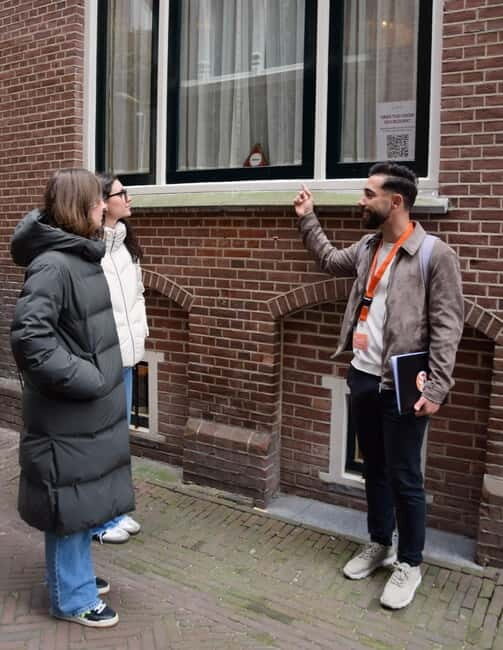
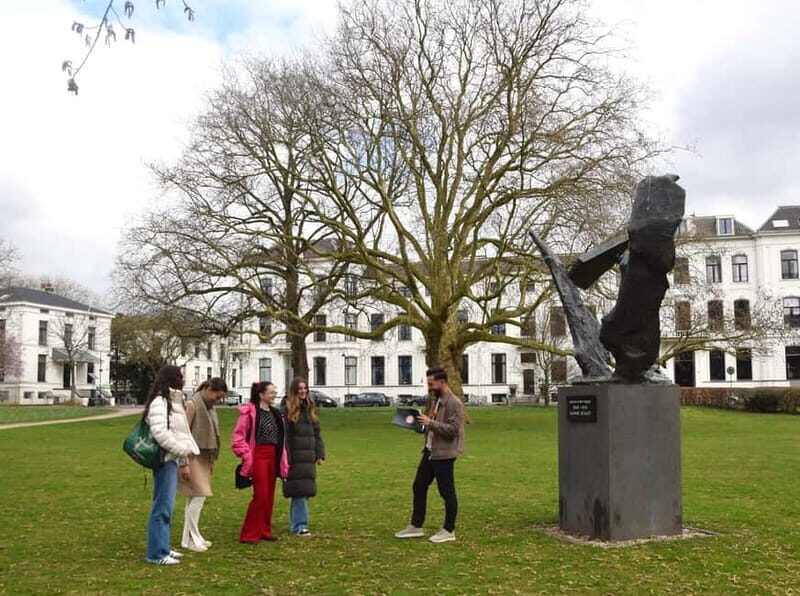
Your walk begins at KenauPark, right in the center by the statue of Hannie Schaft. That’s a smart starting choice because it signals the theme immediately: resistance in Haarlem wasn’t only one person or one moment. The tour frames Corrie Ten Boom inside a wider pattern of people who chose to help, even when it was dangerous.
From the start, I’d treat this as your “mental warm-up.” Before you hear the deeper Corrie Ten Boom details, you’re placed in a context that already acknowledges resistance. That helps you read the rest of the route differently. Instead of seeing a list of sites, you start connecting them into one story.
If you arrive early, take a minute to look at the area and orient yourself. You’ll be walking through the center of Haarlem, so getting bearings fast pays off.
Haarlem Station and the City Center: Occupation Life You Can See
After KenauPark, the tour passes Haarlem Station. You won’t get a long stop here, but passing the station works. It’s a reminder that trains, movement, and communication mattered during WWII—both for normal life and for the ways occupation forces controlled it.
Next, you’ll move through central Haarlem, including a pass by the Ten Boom Museum and a stop in the area of Grote Markt (the main square). Even without going inside the museum on this tour, those passes matter because they put key references on your mental map. When you later decide whether to visit the museum, you’ll already know why it exists and what you’re looking for.
The Grote Markt stop is useful because a square forces perspective. Resistance and persecution are often discussed as private or hidden. Here, you get a public-space lens. You can imagine what it meant to keep living in the open while the occupation tightened behind the scenes.
Practical note: in a busy square, you’ll want to listen to the guide more closely. Depending on crowds, you may hear key points best when you’re slightly off to the side rather than pressed into the busiest foot traffic.
Outside the Ten Boom House and the Joods Monument
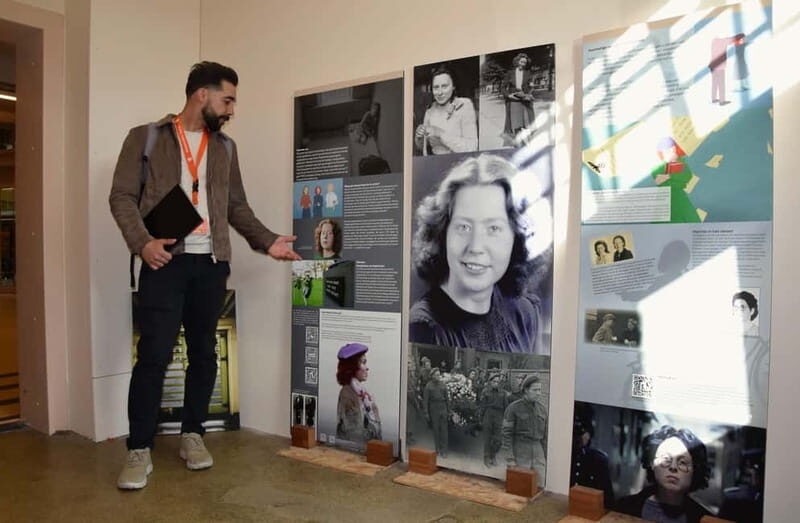
One of the strongest parts of this tour is that it doesn’t rely only on memorial plaques. You’ll visit the outside of the Ten Boom House and see the Joods Monument. These are not just “look and move on” stops. The guide links them to how Corrie’s courage played out in real life—specifically through her home becoming a place of hiding.
Seeing the Ten Boom House from the outside is a benefit if you’re trying to understand location and scale. Inside is one kind of experience; outside helps you picture the neighborhood context. You can connect what you see on the street to what people would have noticed nearby—footsteps, timing, how discreet someone had to be.
Then the Joods Monument adds the other side of the story: the broader Jewish community and what was at stake. I like pairing these types of stops. When it’s only one family, the story can feel isolated. When it includes the monument, you remember that this was about people, not just one set of events.
This part is also where I’d lean in emotionally. WWII tours can sometimes turn into a brisk sightseeing loop. Here, the guide’s role is to keep it grounded.
Koepel Haarlem: Where the Nazis Tightened the Net
The stop at de Koepel Haarlem is the most haunting on the route. It’s tied to Corrie being arrested by the Nazis, and that connection changes the way you experience the site. Even if you can’t “feel” the past from bricks alone, you can understand the logic: once the system locked onto a resistance network, there was very little room left for ordinary movement.
This is a sensitive kind of history. If you’re the type who prefers facts over emotion, you’ll still get value here because the guide connects the site to what it meant for Corrie and for the resistance. If you’re someone who needs the emotional framing to make the facts stick, you’ll likely appreciate how the narrative is handled.
What to do during this stop: look around and try to picture routes. Think about where someone might be taken from, how quickly things could happen, and what the neighborhood would have looked like in that era. The guide’s storytelling helps, but your own observation makes it real.






Wijngaardtuin and Wijde Appelaarsteeg: Everyday Resistance on Quiet Streets
Not all resistance looks like a dramatic stand. One of the most compelling themes on this tour is everyday resistance—and the route delivers it through the Wijngaardtuin and nearby streets, including Wijde Appelaarsteeg.
The Wijngaardtuin stop is about quiet help. It’s the kind of place where the city feels livable and calm, which is exactly why it’s powerful. The tour helps you understand that moral decisions often happened in ordinary spaces. That’s the lesson I carried most clearly: resistance didn’t only happen in secrets far away. It happened in the same kind of streets people walked every day.
Then you continue through the narrow-street feel of the area—again, not a sightseeing detour. It reinforces how discreet you had to be. Corrie’s story here isn’t only about being brave once. It’s about sustaining risky decisions long enough for help to matter.
If you want to get more out of these stops, ask yourself a simple question as you walk: where would you hide something, where would you move someone, and how could you do it without drawing attention? The tour’s framing makes those mental images part of understanding the story.
The final stretch leads you to Nauwe Appelaarsteeg 1, finishing near the area tied to the Ten Boom narrative. Finishing at a specific address-feeling location helps the story land. You don’t just leave with general impressions—you end with a sense of place.
Price, Duration, and What You Get for $38
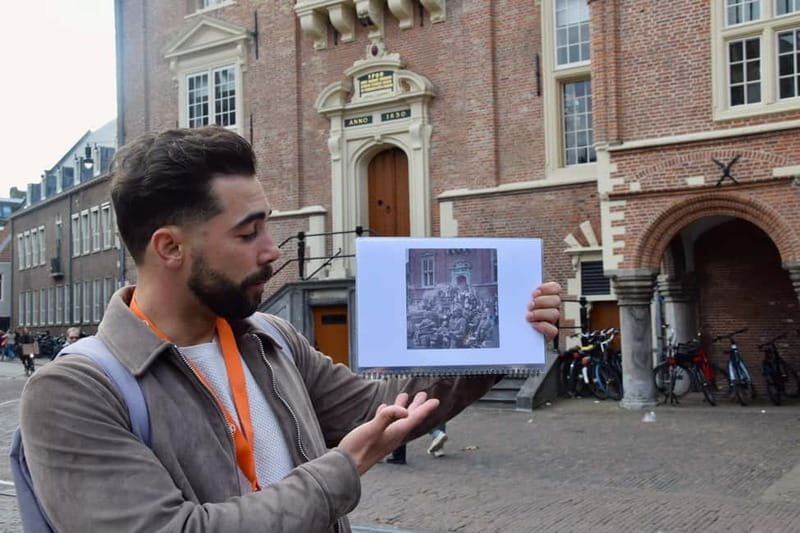
At $38 per person for a 2-hour walking tour, you’re paying mainly for two things: the guide and the curated route. This is one of those prices that only feels “reasonable” if you think about time. Two hours is long enough to learn a coherent story and visit multiple key points, but short enough to fit into a typical Haarlem itinerary.
What you’re not paying for is museum entry. This tour serves as an introduction or alternative to the Corrie ten Boom Museum rather than replacing it completely. I actually think that’s a smart approach for many visitors. If your time is tight, a guided walk gives you the map of meaning first. If you want a deeper dive afterward, the museum can become your second step.
So the value question becomes: do you want narrative and orientation, or do you want museum exhibits? This walk is for narrative and street-level understanding. If you’re hoping for indoor access as part of the ticket, you’ll want to plan for the museum separately.
Also worth noting: the tour is English and wheelchair accessible. That makes it easier for more people to participate, especially if you need a manageable walking format in the center of Haarlem.
Who This Tour Fits Best (and Who Might Want a Different Plan)
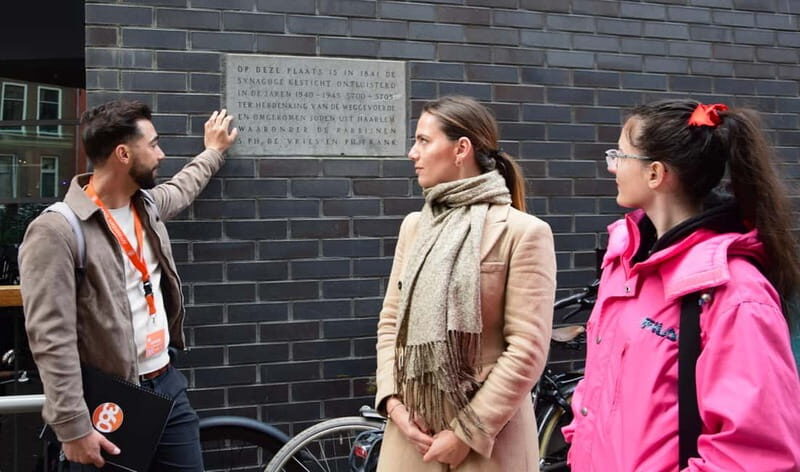
This tour is ideal if you:
- Want WWII Haarlem context tied to one of the most well-known resistance stories.
- Like guided storytelling that connects sites to people, not only to dates.
- Prefer a walk that’s emotionally aware and still practical.
It may be less ideal if you:
- Want only museum-style artifacts and inside exhibits during your paid time. Since the tour doesn’t include museum entrance, you’ll need a separate plan for that.
- Are looking for a relaxed, lighthearted city stroll. This walk is about resistance and persecution, so the tone is serious.
For me, the sweet spot is people who want history that’s anchored to place. Haarlem can be beautiful and easy to explore on your own, but this tour gives you a reason to look harder.
Tips to Get More Out of Every Stop

Here’s how to make the experience click fast:
- Keep your phone away unless you’re taking quick notes. The guide’s story does best when you’re fully present.
- Be ready for emotional moments at Koepel Haarlem and related stops. It’s part of understanding what happened.
- If you’re interested in learning more after, plan to visit the Corrie ten Boom Museum separately. This walk sets up the questions that museum time can answer.
- Wear comfortable shoes. The route covers multiple locations across central Haarlem, and you’ll want to stay steady while listening.
If you’re the kind of traveler who likes to ask questions, this is a good tour for that. You’ll hear specific connections, and you’ll naturally want clarification. A good guide will handle that well, and recent feedback highlighted that guides like Manuel were not just informative, but also friendly and engaging.
Should You Book This Corrie Ten Boom Walking Tour?
I’d book it if you want a tight, meaningful overview of Haarlem’s WWII resistance story, tied directly to key locations like the Ten Boom House exterior, the Joods Monument, and the prison site linked to Corrie’s arrest. For $38 and 2 hours, the value is strong because you’re buying guided interpretation, not just walking.
Skip or consider a different approach if you specifically need museum entrance included. Since this walk is an intro or alternative, museum lovers may feel most satisfied by pairing the walk with museum time afterward.
If you have limited time in Haarlem and you care about understanding what happened to real people in real places, this tour is one of the most efficient ways to do it.
FAQ
How long is the Corrie Ten Boom & World War 2 walking tour?
It lasts 2 hours.
Where does the tour meet?
It meets at the center of KenauPark, by the statue of Hannie Schaft.
Is the tour guided?
Yes. It includes an experienced live guide in English.
Is the Corrie ten Boom Museum entrance included?
No. The tour does not include Corrie ten Boom Museum entrance, and it’s positioned as an introduction or alternative to the museum.
Which key WWII locations will I see?
You’ll see the outside of the Ten Boom House, the Joods Monument, Koepel Haarlem (where Corrie was arrested), and the Wijngaardtuin, among other nearby streets on the route.
Where does the tour finish?
It finishes at Nauwe Appelaarsteeg 1, 2011 HA Haarlem, Netherlands.
What is the price?
The price is $38 per person.
Is the tour wheelchair accessible?
Yes, it is listed as wheelchair accessible.
Can I cancel if my plans change?
Free cancellation is offered up to 24 hours in advance for a full refund.