Maastricht starts earlier than you think. This short walk strings together Roman traces, medieval power shifts, and the local personality of Mestreechter Geis, so the city feels like one continuous story. I especially loved seeing the Roman-era clues tied to the Maas crossing at Mosa Trajectum, and then switching gears to how life at Vrijthof Square carries that Mestreechter Geis attitude.
My main takeaway: you cover a lot on foot in two hours, so you’ll want solid shoes and a willingness to keep moving, even during photo stops.
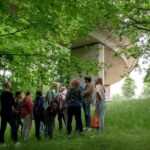
For practical comfort, it’s a private group tour with hotel pickup in Maastricht-Centrum, guided in Dutch, German, or English by Fons Bollen—so you get a more personal pace than you’d manage on a bigger group bus tour.
In This Review
- Key things that make this tour worth your time
- Why Maastricht’s Roman roots matter (and why they’re not boring)
- Sint Servaasbrug to Mosa Trajectum: reading the Maas crossing like a story
- Mestreechter Geis and “Op de Thermen”: where Roman echoes meet everyday names
- Basilica of Our Lady and the power struggle behind Maastricht’s shape
- Helpoort, Jekerkwartier, and the city wall: fortifications you can feel
- Vrijthof Square and Dominicanerkerkstraat: the “present tense” of Maastricht
- Price and value: what $235 per group actually buys you
- How to enjoy the walk more (and ask better questions)
- Should you book this Maastricht origins walk?
- FAQ
- How long is the Maastricht tour?
- Where does the tour start, and is pickup included?
- Is this tour private, and how big is the group?
- What languages are available, and is it wheelchair accessible?
- What’s included in the $235 price, and what costs extra?
- Can I pay later and get a refund if plans change?
Key things that make this tour worth your time
- Roman origins you can connect to real street corners, not just a timeline on a sign
- Photo stops at major landmarks that help you map the city fast
- Medieval Maastricht explained through power and allegiance, including the Bishop of Liège and the Duke of Brabant
- Local spirit language focus, including Mestreechter Geis, for a feel of how people identify with the city
- River-side viewpoints along the Jeker that add texture beyond the postcard spots
- Fons Bollen’s calm, question-friendly style, which matters when your group has a mix of energy
Why Maastricht’s Roman roots matter (and why they’re not boring)
Maastricht feels old in the way that only places with layered control can feel old. This tour frames it clearly: the city’s origin story ties back to around 50 AD, when Romans set up a crossing over the Maas River. You also hear how Maastricht’s name connects to the Roman army’s presence—so you’re not just watching history happen in a museum. You’re walking through the geography that made it useful in the first place.
That’s the real value here. Roman history is often taught as abstract dates. Here, it’s treated like a practical decision: where do you cross a major river, where do you trade, and where do you defend? Once you grasp that logic, the later medieval bits stop feeling like separate chapters. They start feeling like consequences.
You start at Maastricht-Centrum, then move straight into the visual proof. The first stop is Sint Servaasbrug, with a photo stop plus guided explanation. Even if you only catch a quick look, it sets the tone: you’re standing where the Maas crossing becomes the city’s organizing feature. From there, the walk keeps pulling you back to that Roman-era foundation.
If you like tours that help you understand a place instead of just collect sights, this structure works well. And because it’s a private group, you can ask questions when something clicks—or when it doesn’t.
You can also read our reviews of more tours and experiences in Maastricht.



Sint Servaasbrug to Mosa Trajectum: reading the Maas crossing like a story
Sint Servaasbrug is more than a convenient meeting-and-photo moment. It’s your first orientation point, and it gives you a visual anchor for the Roman narrative. The guide ties this part of Maastricht to the Mosa Trajectum crossing point—an idea that connects the city’s map to what Romans likely needed: movement, trade, and strategic control.
As you walk from there, you’re not meant to memorize every detail. You’re meant to get your mental bearings fast. For me, the best part is how the tour uses simple “why this mattered” explanations. If you’ve ever felt lost in a historical city, this approach helps you stop feeling like you’re wandering and start feeling like you’re following clues.
The itinerary then moves into areas that build on that origin story. One stop is De Mestreechter Geis, which works like a palate cleanser after Roman references. Instead of staying stuck in the past, the tour pivots to the human side of Maastricht: how people see themselves and what makes them enjoy the city day to day.
That balance is important. Without it, Roman-to-medieval tours can feel like a lecture marathon. With it, you end up with context you can actually use later when you’re walking around on your own.
Mestreechter Geis and “Op de Thermen”: where Roman echoes meet everyday names
I like when a tour treats local language like information, not decoration. On this one, De Mestreechter Geis isn’t just a sign you pass. You get a guided pause that frames it as the local spirit—warmth, friendliness, and that extra liveliness people associate with Maastrichtenaren. It’s a great reminder that history lives in how people talk about their home.
Then you head to Op de Thermen. The stop name alone suggests a link to earlier eras, and the guide connects it to the bigger story of how Roman times left their marks on Maastricht’s layout and identity. Even if you don’t know what to look for, you’ll leave with a clearer sense of why certain neighborhoods and landmarks carry specific names.
This is also where Fons Bollen’s style shows. In real tours, pacing matters as much as facts. The best feedback points to how Fons stays calm and accessible, even when the group isn’t perfectly synchronized. That matters because you may have a mix of interests in your private group—someone who wants deep dates, someone who wants street-level stories, someone who just wants good questions answered.
So my practical advice is simple: bring at least one question in your pocket. When the guide invites input, you’ll get more out of the walk than if you just follow along silently.
Basilica of Our Lady and the power struggle behind Maastricht’s shape
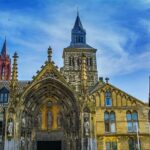
Now you hit one of the emotional anchors: Basilica of Our Lady, Maastricht. This stop is about medieval architecture, and you’ll get guided notes on what you’re looking at. The goal isn’t to turn you into an architectural scholar. It’s to help you notice patterns—why the basilica feels like it does, and how such places become symbols when power shifts.
And this is where the tour becomes more than a sequence of photos. You learn how Maastricht was influenced by both the Bishop of Liège and the Duke of Brabant. That dual allegiance is not a trivia fact; it explains why you feel a mixed cultural identity when you walk the city.
When two powers pull a place in different directions, streets, churches, gates, and public spaces tend to show the results. You start to see Maastricht as a city that had to negotiate its role—strategically, politically, and socially.
From the basilica area, the itinerary continues to Bisschopsmolen. The name itself points toward historical association with bishops. The guide connects it to the broader story of how authority shaped daily life and infrastructure. Even if you only see it as a quick stop, the explanation helps it click into the medieval map of power.
Helpoort, Jekerkwartier, and the city wall: fortifications you can feel
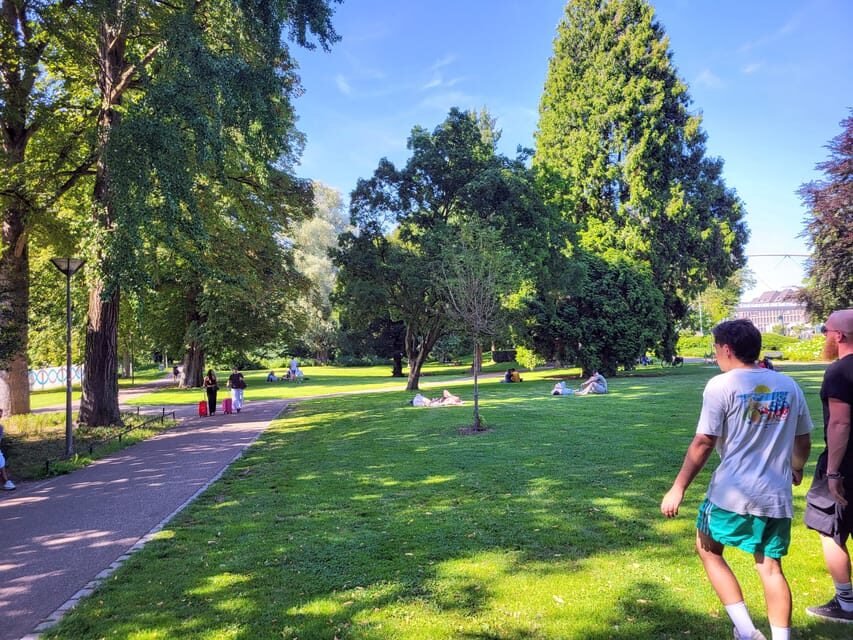
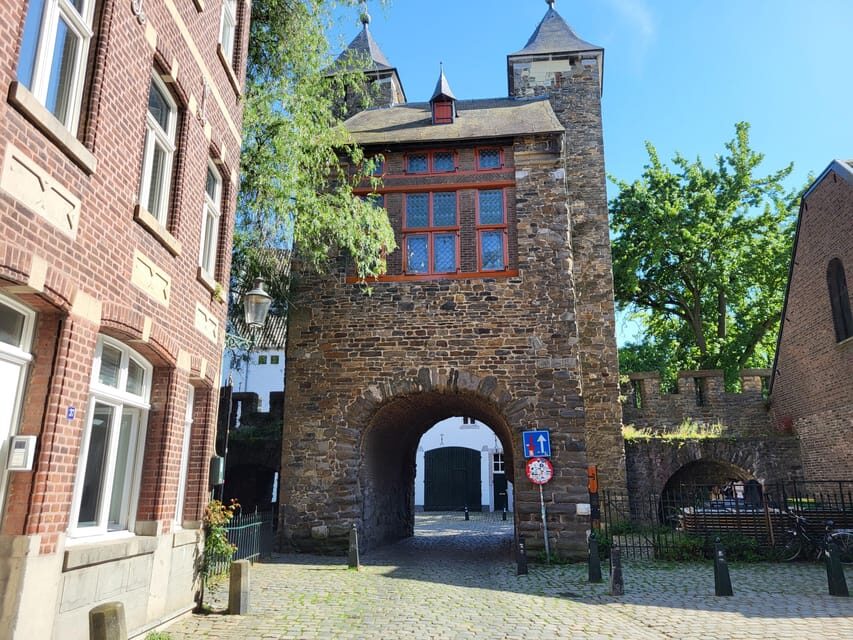
Helpoort, Maastricht is one of those stops where a city gate works like a time machine. You’ll get a guided photo stop and short explanation that ties it to Maastricht’s defensive needs. It’s the kind of landmark that looks dramatic even if you’re not trying hard to feel “medieval.” That’s its power.
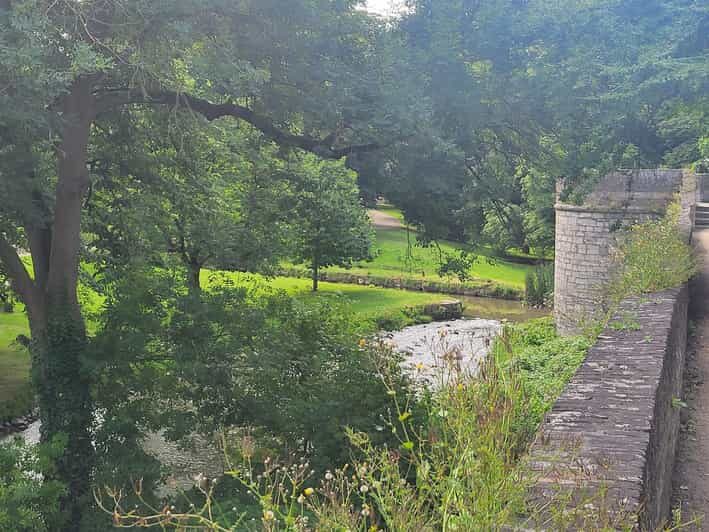
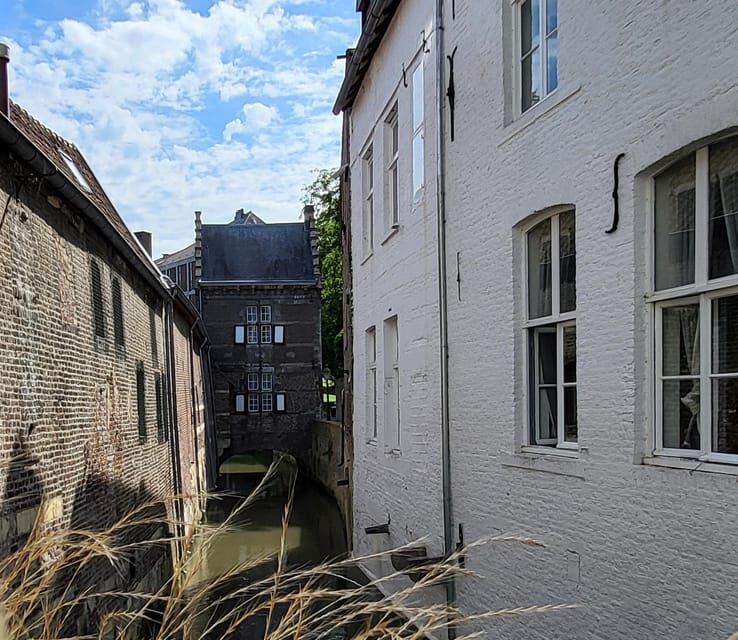
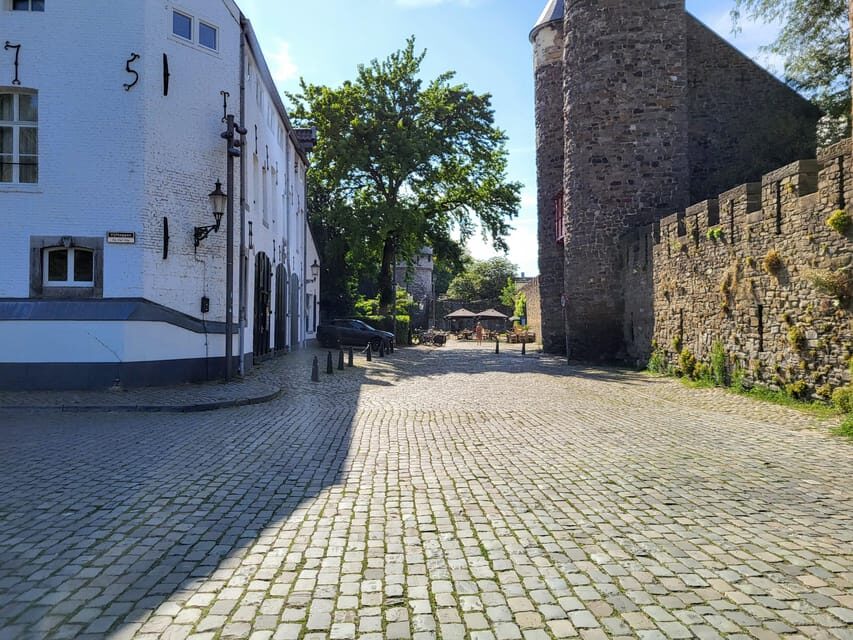
Next comes Jekerkwartier, Maastricht, followed by City Wall at river Jeker. This is a good stretch for anyone who likes the quieter side of cities. The tour doesn’t just point at big landmarks. It sends you to river-side places where the city’s practical design becomes visible.
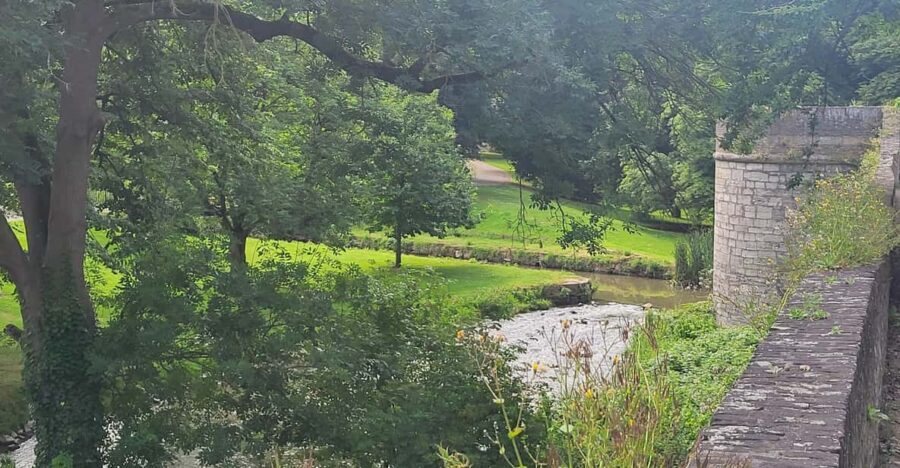
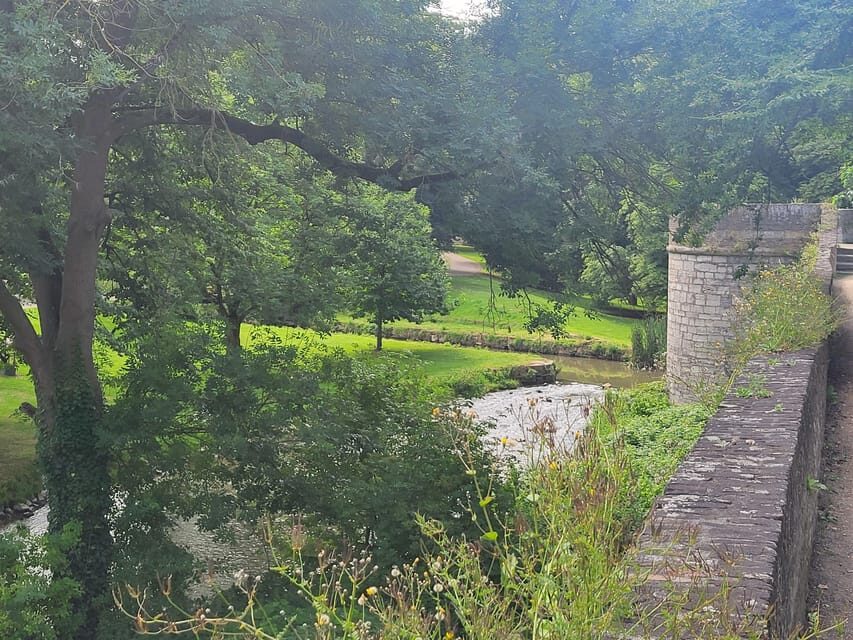
The Jeker area helps you understand why fortifications and waterways mattered. You see how the city boundaries weren’t imaginary lines drawn for tourists. They were built around real water, real movement, and real defense.
Then there’s Het Vagevuur. I won’t pretend this stop is instantly “famous” in the way a cathedral is. But that’s exactly why it’s useful. It adds local specificity—a named place that makes the city feel lived-in, not packaged. For me, these stops are where you start to feel like the guide actually knows the city beyond the main checklist.



Vrijthof Square and Dominicanerkerkstraat: the “present tense” of Maastricht
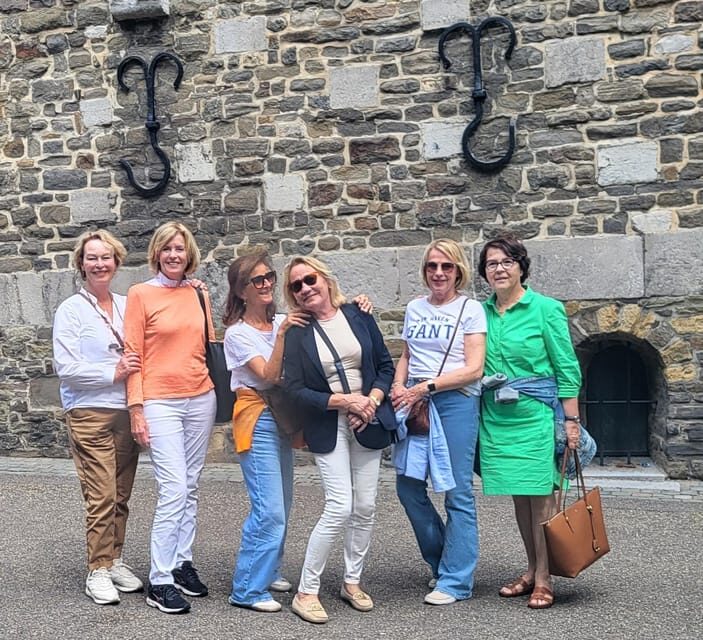
Finally, you land at Vrijthof, Maastricht. This is where Maastricht becomes social again. The guide connects the square to daily life—cafés, markets, and festivals. You don’t have to sit down for a meal to feel the difference between a square that exists for movement versus one that exists for people.
This stop matters because it flips the tour’s energy. After Roman and medieval layers, you get the city in its current rhythm. It’s also a natural moment to take photos and orient yourself for independent wandering afterward.
The walk then continues to Dominicanerkerkstraat, where you’ll get another guided photo stop and walk through older street character. This is your chance to notice the narrow feel of streets and how historic houses sit next to the present. Even without museum tickets, you’re learning how neighborhoods evolved.
And when you finish back at Maastricht-Centrum, you’re not just tired from walking. You’re finished with a story. That’s a small but important difference.
Price and value: what $235 per group actually buys you
The price is listed as $235 per group up to 14, for a 2-hour guided private walking tour. That’s a big deal for value because it’s priced per group, not per person.
If you go with a full group of 14, the rough per-person cost can be very low. If it’s fewer people, the per-person cost rises—so your best value comes when you’re splitting the cost with friends or another couple. Still, even without a full group, you’re paying for a guide, a structured route, and the convenience of hotel pickup within the city.
What’s included is solid and straightforward:
- guide-led walking tour through the city
- hotel (in the city) pickup
- a private group format
What’s not included:
- food and drinks
- museum tickets
So the practical logic is this: you’re not paying for meals or paid entry. You’re paying for an efficient route with context—exactly what you need in a place where streets and landmarks already hold the meaning, if someone helps you read them.
How to enjoy the walk more (and ask better questions)
This tour is designed to be flexible. That matters. If you’re more interested in churches, ask. If you want more on the Roman period, ask. If you care about local life—where people hang out and what the city celebrates—ask. A walking tour lives or dies by these small interactions.
Here are a few easy moves that make a difference:
- Wear comfortable shoes. It’s a walking route with multiple guided stops.
- Bring a phone or small camera for photo stops like Sint Servaasbrug and Vrijthof.
- Plan to stay engaged for the full two hours. The best connections happen after the early orientation.
- If you’re in a mixed-interest group, say so early. A good private guide can adapt.
One more tip: because Fons Bollen has a calm, accessible teaching style, you don’t have to worry about being “the one who asks.” The tour works better when you participate.
Should you book this Maastricht origins walk?
Yes, if you want a focused way to understand Maastricht quickly. You get a guided path from Roman-era crossing ideas to medieval architecture and power, then you finish at Vrijthof to feel the city’s present rhythm. The private format also helps: you’re not stuck listening to a script that only works for one kind of interest.
I’d pass if you’re looking for a long, stop-at-everything museum day. This is a walking and story-based experience, with no food or museum tickets included. It’s built for people who want context and clarity, not a checklist of paid entry sites.
If you’re in Maastricht for a short stay, or you want to get your bearings fast before exploring on your own, this tour is a strong use of time—especially if you appreciate a guide who stays calm, answers questions, and shows you sides of the city you might miss by yourself.
FAQ
How long is the Maastricht tour?
The tour lasts about 2 hours.
Where does the tour start, and is pickup included?
The pickup location is Maastricht-Centrum, and hotel pickup (in the city) is included.
Is this tour private, and how big is the group?
It’s a private group tour. The price is listed per group up to 14.
What languages are available, and is it wheelchair accessible?
The live guide speaks Dutch, German, and English, and the tour is wheelchair accessible.
What’s included in the $235 price, and what costs extra?
Included: the guide, a walking tour through the city, and hotel pickup in Maastricht-Centrum. Not included: food and drinks, and museum tickets.
Can I pay later and get a refund if plans change?
You can reserve now and pay later. There is free cancellation up to 24 hours in advance for a full refund.