REVIEW · MAASTRICHT
Maastricht: Highlights Tour with a local Guide
Book on GetYourGuide →Operated by Explore Maastricht · Bookable on GetYourGuide
Maastricht comes alive with a guide at your side. This official walking tour turns the city center into a story—Roman threads, medieval fortifications, and major sights laid out in one smart 2-hour route. I especially like how the guide connects the big monuments with the small, everyday streets, and how a short Basilica of Saint Servatius stop (when open) gives the whole walk a real anchor.
One catch: it is a brisk walk of about 5 km, so you’ll want solid shoes and you need to be comfortable keeping pace.
In This Review
- Key things that make this tour worth it
- Maastricht highlights work best on foot
- Starting at Maastricht Store and finding your bearings
- A brisk 2-hour loop through walls, fortifications, and Roman hints
- Dinghuis to monuments: how the guide threads the center together
- Basilica of Saint Servatius: a short stop with big meaning
- Squares, alleyways, and the city park pause
- A once-neglected neighborhood now full of life
- Shopping street moment: a city that mixes old and everyday
- Food and culture tips you can use immediately
- Pace, comfort, and who should skip it
- Price and value: $17 for two hours of guided context
- Languages and how the guide style affects your experience
- Should you book the Maastricht Highlights Tour?
- FAQ
- How long is the Maastricht Highlights Tour?
- Where does the tour start?
- What does the tour include?
- Is the Basilica of Saint Servatius always visited?
- How far do you walk during the tour?
- What languages are available?
- Are food or drinks included?
- Is the tour suitable for kids or wheelchair users?
- What’s the price, and can I change plans?
Key things that make this tour worth it

- Official local guide who explains what you’re seeing, not just where you’re going
- A 2,000-year route that links Roman traces to medieval walls and basilicas
- Basilica time when open, plus a backup stop option when it’s not
- Short visits to multiple highlights instead of one long detour
- Food and culture pointers you can use right after the tour
- Languages: German, Dutch, English for easier participation
Maastricht highlights work best on foot
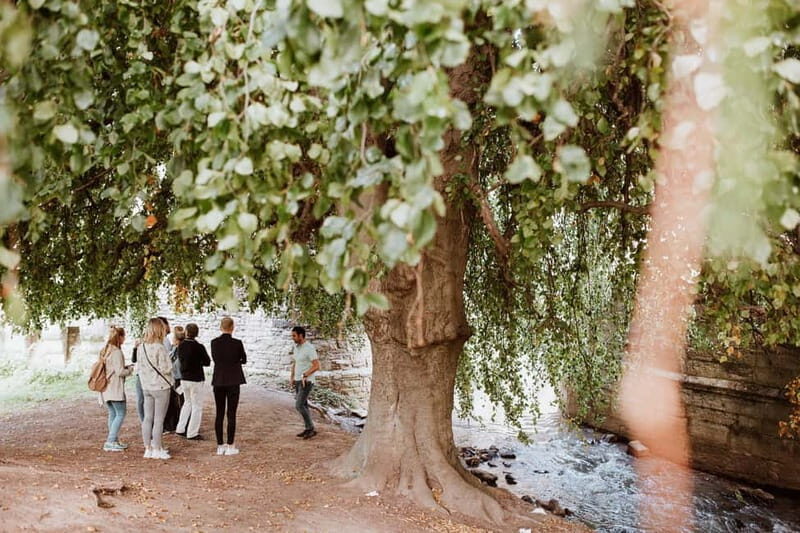
If you like cities that have layers, Maastricht delivers. The center feels compact, but the timeline is anything but. One reason this tour earns its reputation: you don’t just get a list of sights—you get connections, like how walls, churches, and street patterns grew out of different eras.
I also like the way the walk is paced for understanding. Two hours sounds short, but the route is planned so you’re always moving between context points: one stop helps explain the next. That makes it easier to remember what you saw later, when you’re hungry and trying to navigate.
The walking style is brisk, though. This isn’t a casual stroll with long photo breaks every 30 seconds. Bring comfortable shoes and go in with the mindset of a guided city walk.
You can also read our reviews of more guided tours in Maastricht


Starting at Maastricht Store and finding your bearings
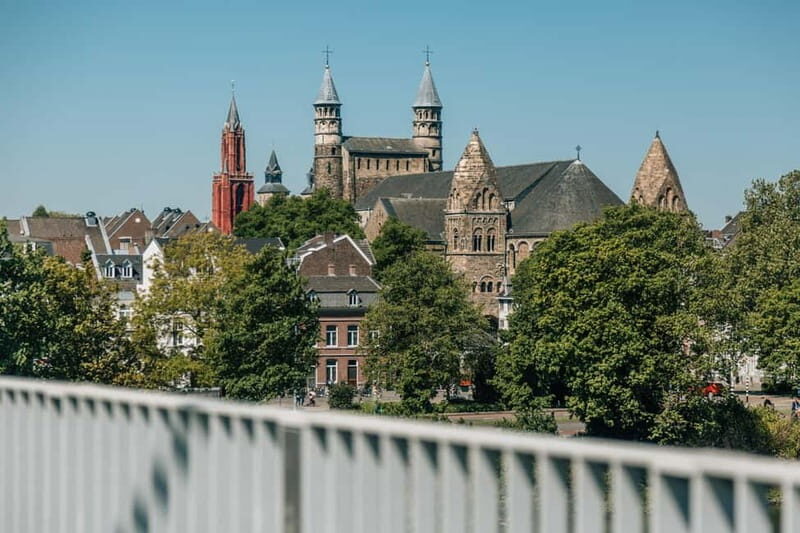
The tour meets at the Maastricht Store desk at Kleine Staat 1, right in the city’s core. Arriving at least 10 minutes early helps you get oriented and keeps the start smooth.
From the beginning, the guide sets the map in your head. You’ll hear how the city’s key locations link together, and you’ll get a sense of which streets are older than they look and which areas changed roles over time. This matters because Maastricht can surprise you: a pretty facade doesn’t always tell you what the building or street was doing centuries ago.
The other practical win: you avoid wasting your first hour guessing where to go. Instead, you walk with intention from the start.
A brisk 2-hour loop through walls, fortifications, and Roman hints
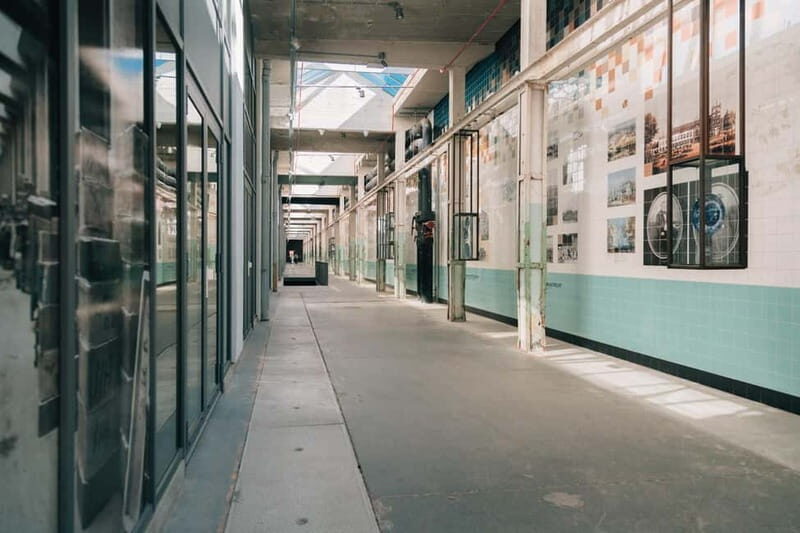
The heart of the experience is the city wall and fortification story, plus clues that point back to a Roman past. Even if you’re not a hardcore history person, you’ll get what to look for.
Here’s what you should expect as you walk:
- You’ll pass remnants tied to medieval defenses, and you’ll learn how they shaped the city’s layout.
- You’ll spot Roman-era references in what you see around you, not in a museum-only way.
- You’ll move through atmospheric streets and quieter alleyways that feel like they’re hiding things from casual passersby.
This is the kind of tour that works because it trains your attention. After a good guide explanation, you don’t just see old buildings—you understand why they’re placed where they are.
Dinghuis to monuments: how the guide threads the center together
Maastricht has a way of rewarding curiosity. The route links the big, obvious stops to the in-between spaces: squares, parks, alleyways, and the streets locals actually use.
You’ll hear about:
- The kinds of monuments that define the skyline
- Cozier squares you might walk past without stopping
- Streets that feel hidden even when they’re not far from the center
This is also where the guide’s personal storytelling adds value. The best part isn’t the facts alone—it’s how the guide frames those facts so you can picture everyday life in different centuries.
Guides for this tour can include locals such as Wim and Donne, and the vibe described through their teaching styles is consistent: clear explanations and lively interactions. Even if you’re not the type to ask questions, you’ll still feel pulled into the story.
Basilica of Saint Servatius: a short stop with big meaning
A highlight is the visit to the Basilica of Saint Servatius. It’s short, and it’s scheduled when the basilica is open, so it won’t be the kind of stop where you expect to spend hours inside.
Still, this quick visit works because it gives you an emotional and architectural reference point. After learning about fortifications and older layers of the city, you get to see how sacred architecture became a kind of landmark—something people gathered around, not just something you viewed from outside.
If the basilica isn’t open, the tour includes a related alternative: Sphinxkwartier. Either way, you’re not left with a dead end. You’ll still get a meaningful stop that keeps the route coherent.





Squares, alleyways, and the city park pause
Between the major monuments, you’ll get time in spaces that feel made for slowing down—cozy squares and calmer side streets. The tour description emphasizes those “in-between” areas for a reason: this is where Maastricht stops feeling like a checklist and starts feeling like a place.
You’ll also pass a charming city park. Even though the tour is brisk, that park segment helps break up the walk. It gives you a breathing point and helps you reset before the next cluster of history and architecture.
The practical takeaway: if you’re planning the rest of your day, this tour route tends to drop you back into the same general city-center orbit. That makes it easier to continue exploring without getting lost.
A once-neglected neighborhood now full of life
One of the more interesting aspects is how the walk doesn’t freeze Maastricht in the past. You’ll move through an area that used to be neglected and is now more lively—showing how a city changes what it values over time.
This portion is valuable because it gives you a modern lens. After talking about walls, medieval defenses, and older religious sites, it helps to see how the city repurposes space. You get a feel for Maastricht today, not just Maastricht as an exhibit.
So even if you’re mostly there for architecture, this section adds balance. It keeps the day from becoming only stone-and-stories.
Shopping street moment: a city that mixes old and everyday
The route also connects to one of Maastricht’s exclusive shopping streets. This is a subtle but smart choice.
Why? Because shopping streets are a good indicator of how cities concentrate foot traffic and economic life. When the guide points out what makes that street special, you learn how “important” places aren’t only religious or defensive. They’re also commercial and social.
You’re not getting a shopping-only tour. You’re getting a street-level lesson in how urban centers function.
Food and culture tips you can use immediately
Food isn’t included on the tour, but the local guide typically helps you aim your next steps. In the feedback, one strong theme is that guides recommend good places to eat, and that makes a difference.
After a 2-hour walk of about 5 km, you’ll likely want a plan for lunch or a snack. With a guide’s recommendations, you can skip the guessing game and choose something that matches your tastes and the time of day.
A simple mindset that helps: ask your guide for two options—something casual and something a bit nicer—then compare based on how hungry you feel.
Pace, comfort, and who should skip it
This tour involves a brisk walk of about 5 km. That means you should plan for steady movement, not long stops for photos. If you like to wander slowly on your own, you might feel rushed. If you like guided flow, you’ll probably appreciate how tightly the route is managed.
What you should bring:
- Comfortable shoes (non-negotiable)
- A bottle of water if you’re sensitive to long walks
What to keep in mind about who it suits:
- Not suitable for children under 12
- Not suitable for people with mobility impairments or wheelchair users
There’s also a simple rule set: no intoxication, and alcohol and drugs aren’t allowed. It’s a walking tour with a focused group setting.
Price and value: $17 for two hours of guided context
At about $17 per person for a 2-hour guided walk, the value is strong if you want understanding, not just sightseeing. The key is what’s included: a live guide plus a short visit tied to either the Basilica of Saint Servatius (when open) or Sphinxkwartier.
Two hours can easily turn into more expensive tours in many European cities, especially when you include a guided architectural stop. Here, the pricing works because it’s concentrated: you’re paying for expert interpretation over a manageable walking distance.
Just remember one thing: food and drinks aren’t included. So think of it like buying a guided map with cultural context, not a meal deal.
If you’re traveling solo or as a couple, this tour also makes sense because it gets you oriented quickly. For anyone who likes to move efficiently through a place they might not revisit soon, that’s a real advantage.
Languages and how the guide style affects your experience
The tour is offered with live guidance in German, Dutch, and English. That matters more than it sounds. When you understand the explanations easily, you absorb the “why” behind the streets and buildings.
The tour is also described as interactive, with explanations that feel engaging rather than scripted. In plain terms, that means you get more than a lecture. You’re guided through the city, and the pace supports conversation and questions.
In the feedback, names like Wim and Donne show up as standout guides, with comments praising how interesting and fascinating the explanations feel. Even if your guide is someone else, the guide selection and teaching approach seems consistent: passionate, clear, and practical.
Should you book the Maastricht Highlights Tour?
Book it if you want a tight, high-meaning walking route through Maastricht’s core—especially if you like history + architecture explained in real time. The $17 price for an official guided walk with a basilica stop (when open) is a good deal, and the route is designed so you finish with a mental map, not just photos.
Skip it if:
- You dislike brisk walking or you need more mobility support
- You’re traveling with children under 12
- You want a long, slow, sit-down style tour with meals included
If your goal is to get bearings fast and understand what you’re seeing as you go, this is a smart first-or-middle stop in a Maastricht day.
FAQ
How long is the Maastricht Highlights Tour?
It lasts 2 hours.
Where does the tour start?
The meeting point is the Maastricht Store desk at Kleine Staat 1 in Maastricht.
What does the tour include?
You get a guided walking tour and a visit to the Basilica of Saint Servatius or Sphinxkwartier.
Is the Basilica of Saint Servatius always visited?
It’s visited when it is open. If it’s not open, the tour includes the Sphinxkwartier instead.
How far do you walk during the tour?
You’ll walk about 5 km at a brisk pace.
What languages are available?
The live guide speaks German, Dutch, or English.
Are food or drinks included?
No. Food or drinks are not included.
Is the tour suitable for kids or wheelchair users?
No. It’s not suitable for children under 12, people with mobility impairments, or wheelchair users.
What’s the price, and can I change plans?
The price is $17 per person. You can reserve and pay later, and you can cancel up to 24 hours in advance for a full refund.