REVIEW · AMSTERDAM
Our Lord in the Attic Museum Entrance Ticket in Amsterdam
Book on Viator →Operated by Museum Ons' Lieve Heer op Solder · Bookable on Viator
A whole Catholic church hides above Amsterdam streets.
This museum turns a historic canal house into a time capsule, with Onse Lieve Heer op Solder famous for its attic chapel and well-preserved rooms. You walk through Dutch Golden Age domestic life, then climb up to a place of worship that was tucked away for centuries.
Two things I especially like: prebooking means you get entry on arrival without guesswork, and the self-paced visit with an audio guide makes the story easy to follow as you move room to room. The design is also smart for a short visit: you’re not just looking at artifacts, you’re moving through the house the way it was lived in.
One consideration: expect stairs. The route climbs upward to the attic church, and in very warm weather it can feel hot, so plan accordingly.
In This Review
- Key points to know before you go
- A 1663 Attic Chapel in a Canal House
- Price That Really Buys Access: Entry + Audio Guide
- Inside the Historic Canal House: Rooms That Feel Lived-In
- The Attic Church: How Concealment Became a Story of Tolerance
- Stairs, Heat, and Getting Your Bearings
- The Underground Passage: The New Wing Next Door
- Audio Guide in English: How It Changes the Visit
- Practical Amsterdam Logistics: Bags, Lockers, and Where to Line Up
- How Long to Plan, and What to Pair With It
- Who This Museum Is Best For
- Should You Book This Museum?
- FAQ
- How long does the Our Lord in the Attic Museum visit take?
- What is included in the ticket?
- Is the ticket mobile, and in what language is the experience offered?
- Where is the museum located in Amsterdam?
- Can I bring food or drinks with me?
- Is there a place to store a coat or bag?
- Does the museum allow service animals?
- Is it wheelchair friendly or easy for visitors with mobility issues?
- How does the extension work?
- Can I cancel and get a refund?
Key points to know before you go
- Book ahead to lock in entry time and avoid wasting your Amsterdam hours
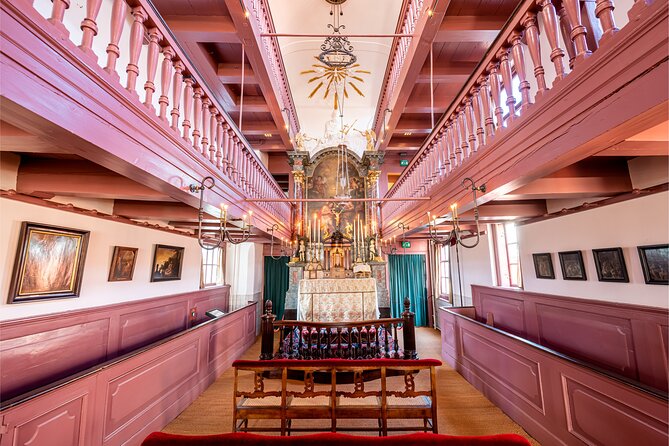
- See a complete Catholic church inside the attic of a 17th-century house
- Explore refurbished rooms that show everyday life—living spaces, kitchens, and bedrooms
- Use the included audio guide to understand what you’re seeing as you go
- Find a second wing next door, linked by an underground passage
- Plan around stairs and bag rules so you don’t get stuck at the door
A 1663 Attic Chapel in a Canal House
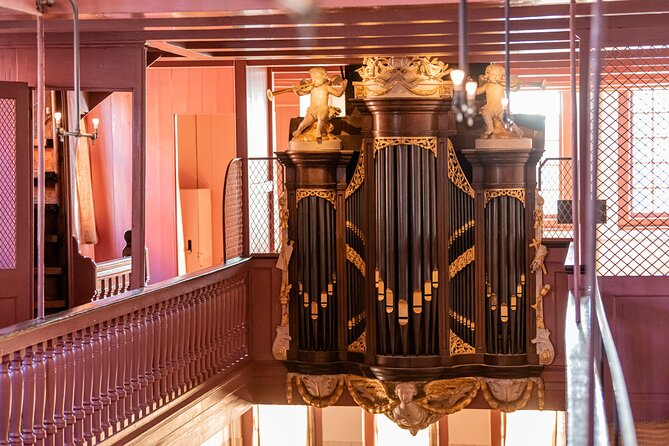
Amsterdam loves grand museums, but this one is different. Instead of a big gallery, you’re in a real historic building where the “main attraction” is literal: a Catholic church built into the upper floors, reached by narrow stairways.
The museum frames the whole visit around religious tolerance in the Netherlands—an idea you can feel in the architecture itself. The concept is simple and powerful: during a time when Catholics couldn’t openly celebrate mass, people practiced their faith in secret. Here, that secrecy becomes part of the story, and the house preserves the result.
You can also read our reviews of more tours and experiences in Amsterdam.



Price That Really Buys Access: Entry + Audio Guide
At $21.78 per person, you’re paying for a short, high-impact visit that includes both admission and an audio guide. There’s no need to hunt for extra tickets or decide on a separate tour—this is built for self-guided exploration.
For value, it helps that the experience covers two different layers:
- the canal-house rooms that show daily life, furnishings, and layout
- the attic church element that explains why the building’s design mattered
If you want a museum that fits into a typical day and still feels unusual, this is a good buy for the price.
Inside the Historic Canal House: Rooms That Feel Lived-In
The first part of the experience walks you through refurbished rooms spread across the house. As you move from space to space, you’re not just reading labels—you’re seeing how different parts of a home worked.
You’ll pass through areas that are described as living spaces, and you’ll also encounter rooms tied to daily routines like the kitchen and bedrooms. The period furnishings and décor help you imagine what life looked like in 17th-century Amsterdam, not as a distant idea but as a physical environment.
This section is especially worth your time because it sets the stage. When you later reach the attic church, you’ll understand the building isn’t just a weird architectural trick—it’s a complete domestic setting that supported real people.
The Attic Church: How Concealment Became a Story of Tolerance
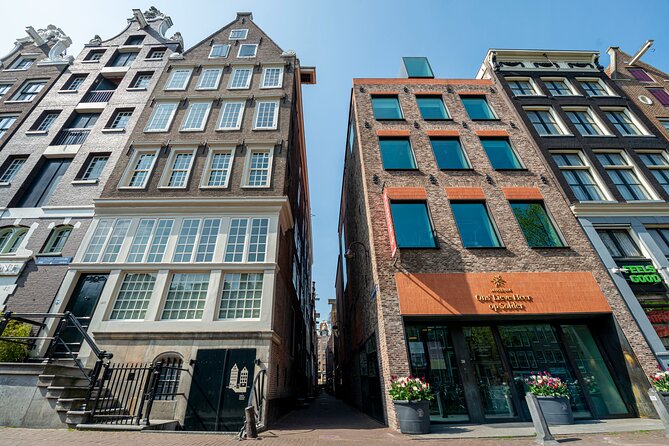
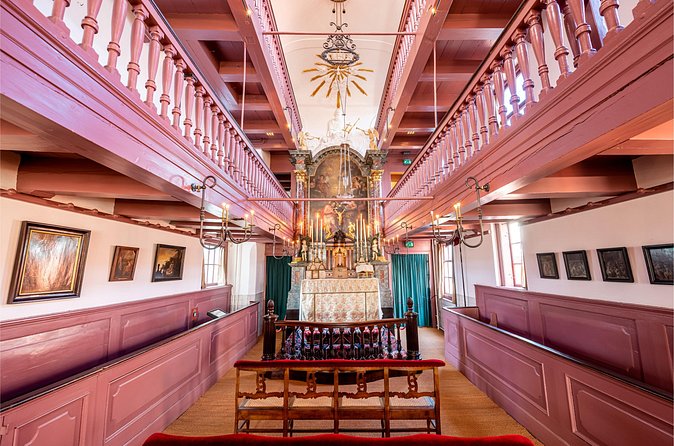
The standout is the Catholic church in the attic, dating from 1663. The museum’s theme is clear: Catholic worship was restricted, and yet the authorities turned a blind eye. That combination—prohibition on paper, practical tolerance in real life—captures a key point about Dutch history.
The museum links this approach to the broader Dutch tradition of religious tolerance connected with the 16th century, associated with Willem of Orange. You’ll see how that idea connects to religious freedom and conscience, which is what the museum is built to reflect today.
Practical tip: don’t rush this section. The story is easier to grasp when you slow down long enough to notice layout and details. One of the most memorable aspects is that the church isn’t presented as a detached exhibit—it’s part of the house, up in the place you’d least expect to find a complete place of worship.
Stairs, Heat, and Getting Your Bearings
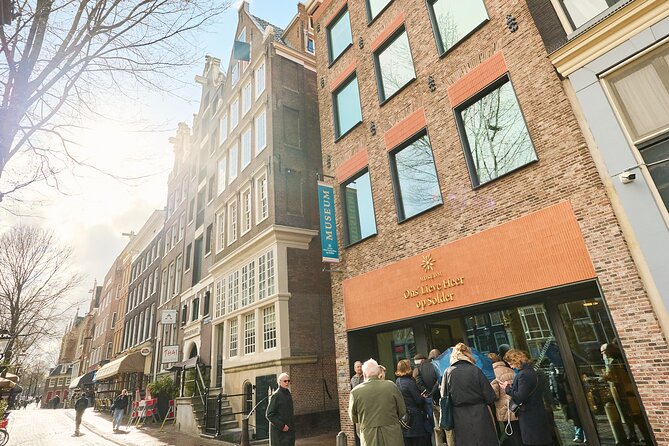
This museum is not designed for quick “scan and go.” It’s vertical. You’ll be climbing narrow stairs to reach the attic church, and several visitors specifically call out that it takes a bit of effort.
If you have mobility concerns, treat this as a serious planning factor. The experience is well worth it for many people, but the attic setting means you may face lots of steps and tighter spaces than you might expect from a typical museum.
Also, if you’re visiting during a very hot stretch of weather, plan for warmth. The attic can run hot when the temperature outside climbs, so bring water and take your time. When you stop for the audio narrative, you’ll benefit from those slower pauses.






The Underground Passage: The New Wing Next Door
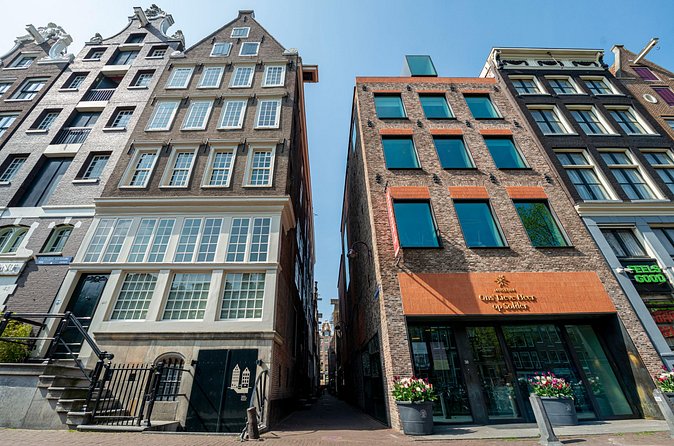
Your ticket also includes access to a newer extension in a neighboring building. The museum connects the two buildings through an underground passage, which is a nice reminder that this wasn’t just a chapel tucked away in one house—it became a site with expansion and additional storytelling space.
The extension adds more displays and exhibits tied to Dutch history. It’s a helpful way to round out what you learned earlier in the house: you start with daily life, go up to faith under pressure, then continue through additional material so the whole visit feels more complete than a single-room novelty.
Audio Guide in English: How It Changes the Visit
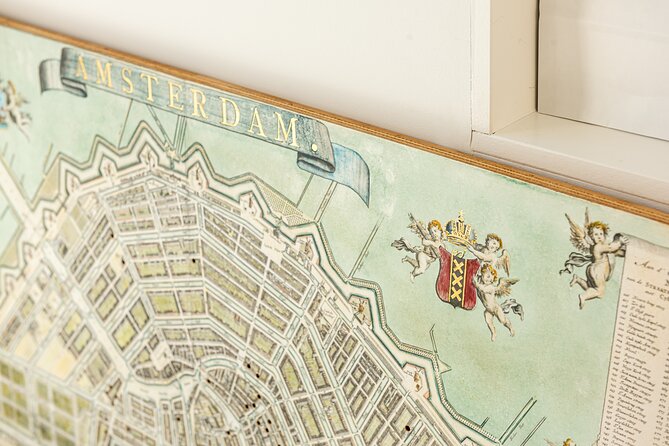
You get an audio guide, and it’s a big part of why this museum works well as a self-paced experience. The narration helps you connect what you’re seeing—furnishings, room layout, and the attic church—with the historical meaning behind it.
One of the best things about using audio here is that the building encourages pausing. You’ll naturally stop at details because the story is tied to the physical space. Even if you’re not a big museum person, the audio guide can help you focus on what matters without requiring you to read every label.
Timing note: many people report finishing in about 1.5 hours, which feels about right if you’re listening carefully and taking your time in the attic.
Practical Amsterdam Logistics: Bags, Lockers, and Where to Line Up
This museum is in central Amsterdam on a historic canal, so it fits neatly into a walk-heavy day. It’s also near public transportation, which makes it easier to slot in between other sights.
Here’s the practical part you should plan around:
- There’s a free locker and an unguarded cloakroom.
- Bags and backpacks can’t be taken into the museum, and the size limit for (hand)bags is A4 format.
That means if you’re traveling with a bigger daypack, you’ll want to use the locker right away. Doing that early saves time later when your route starts climbing.
Finally, the museum includes an audio guide and entry with your ticket, and it’s designed for self-guided wandering. If you arrive close to your reserved time, you’re likely to have a smoother flow through the rooms.
How Long to Plan, and What to Pair With It
The published visit window is about 30 minutes to 2 hours. In real terms, I’d plan about 60–90 minutes if you want to take in the rooms and give the attic church the attention it deserves.
This museum also pairs well with nearby area walking. One detail to know: it may require you to pass through the area around Amsterdam’s Red Light District to get there and/or to move on afterward. If that’s not your thing, it’s not the museum’s fault—it’s just the geography. Keep going with a simple mindset: you’re headed to a quiet interior built for careful looking.
A nice add-on: there’s a cafe element associated with the visit, and at least some visitors mention tea, coffee, and cake as a pleasant follow-up. Since food and drinks aren’t included in your ticket, treat it as an optional bonus rather than part of the core value.
Who This Museum Is Best For
You’ll likely enjoy this museum most if you:
- like history that’s tied to buildings and real layouts
- want something more personal than a big collection room
- enjoy self-guided experiences with audio guidance
- care about themes like religious tolerance and how societies handle difference
It’s also a strong choice if you’re doing Amsterdam in a tight schedule and still want one genuinely unusual stop.
Should You Book This Museum?
Yes—if you want a museum that feels like a story you can walk through, book it.
This is one of those places where the core attraction isn’t a single display behind glass. You’re moving through a real canal-house, up into an attic church, and the building itself explains the historical idea of tolerance and secrecy during a restrictive period.
Skip or reconsider only if stairs are a deal-breaker for you, or if you’re going during very hot weather and you know you’ll struggle with warm indoor attic spaces. Otherwise, the included audio guide, the strong “high value per hour” pacing, and the chance to see a complete church tucked into a house make it an easy win for an Amsterdam day.
FAQ
How long does the Our Lord in the Attic Museum visit take?
Plan for about 30 minutes to 2 hours. Many visitors finish around 1.5 hours when they take their time with the audio guide.
What is included in the ticket?
Admission to the museum and an audio guide are included.
Is the ticket mobile, and in what language is the experience offered?
You’ll use a mobile ticket, and the experience is offered in English.
Where is the museum located in Amsterdam?
It’s in central Amsterdam on a historic canal (the main site is Museum Ons’ Lieve Heer op Solder).
Can I bring food or drinks with me?
Food and drinks are not included with the ticket. You can use the on-site cafe if you want something after, but it’s not part of the included package.
Is there a place to store a coat or bag?
Yes. There is an unguarded cloakroom and free lockers. Bags and backpacks can’t be taken into the museum, and (hand)bags must be no larger than A4 format.
Does the museum allow service animals?
Yes, service animals are allowed.
Is it wheelchair friendly or easy for visitors with mobility issues?
The visit involves stairs and climbing to the attic church, so people with mobility issues may find it difficult.
How does the extension work?
Your ticket also includes an additional wing connected to the main museum through an underground passage.
Can I cancel and get a refund?
Free cancellation is available if you cancel at least 24 hours before the experience’s start time for a full refund.