REVIEW · KINDERDIJK
Rotterdam: Kinderdijk UNESCO World Heritage Entry Ticket
Book on GetYourGuide →Operated by UNESCO Werelderfgoed Kinderdijk · Bookable on GetYourGuide
Windmills, water, and Dutch genius in one day.
This UNESCO Kinderdijk entry ticket is interesting because it mixes postcard scenery with real engineering: you’ll step inside the museum mills and then glide across the polders by boat to see why the Dutch kept living here. I especially like the chance to see the mills as working heritage, not just buildings behind fences, and I like how the boat ride stitches the whole site together. One drawback to plan for: the tour boats may not sail in bad weather, and you’ll still do plenty of walking between stops, so give yourself time to breathe.
What makes this ticket work well is that it’s mostly self-guided on site. You get an informative film and exhibition, plus an online guide with an audio tour in multiple languages, including English and Dutch (and also French, Spanish, Italian, Chinese, and German). I also like that there’s an interactive scavenger hunt for kids, so families don’t feel stuck in museum mode all afternoon.
Timing matters more here than you might expect. The site opening hours change with the season, the last boat departs 30 minutes before closing, and transport to Kinderdijk plus food and drinks are on you. If you arrive at the wrong hour, you can end up seeing a lot of exterior windmills and missing the best parts of the ticket.
In This Review
- Key points to know before you go
- Kinderdijk From Rotterdam: what this ticket really gives you
- Enter Two Museum Mills: Blokweer and Nederwaard
- Step Into the Pumping Station Engine Room
- The Polder Boat Cruise: your shortcut to the best views
- Self-guided learning with an online audio guide in 8 languages
- Timing, weather, and how to avoid stress between stops
- Practical tips for getting there from Rotterdam and using the site
- Who this Kinderdijk ticket fits best
- Should you book this Kinderdijk entry ticket?
- FAQ
- What is included in the Rotterdam Kinderdijk UNESCO ticket?
- How long should I plan for this experience?
- Is this ticket just entry, or is there a guided tour?
- Are there museum mills and a pumping station on the itinerary?
- Does the ticket include a boat ride, and can it be canceled?
- What are the site opening hours?
- What time does the last boat depart?
- Is it wheelchair accessible, and what languages are available on site?
Key points to know before you go
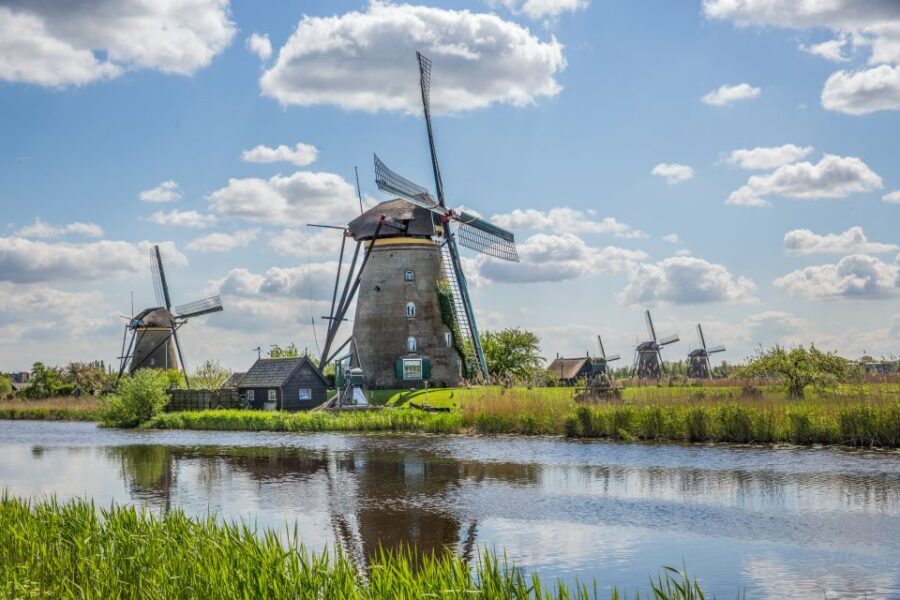
- Two museum mills included (Blokweer and Nederwaard), so you’re not limited to viewing from the dike path
- Pumping station engine room access adds the real reason these windmills exist
- Boat trip through the World Heritage Site gives you the most efficient views with the least walking
- Audio guide in many languages helps you move at your own pace without losing the story
- Boat sailing depends on weather, so keep your schedule flexible
Kinderdijk From Rotterdam: what this ticket really gives you
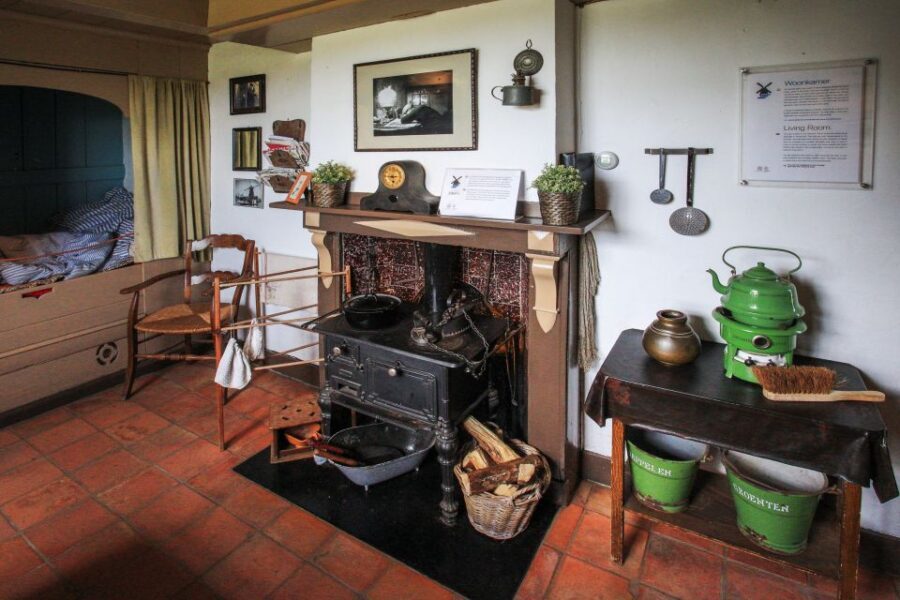
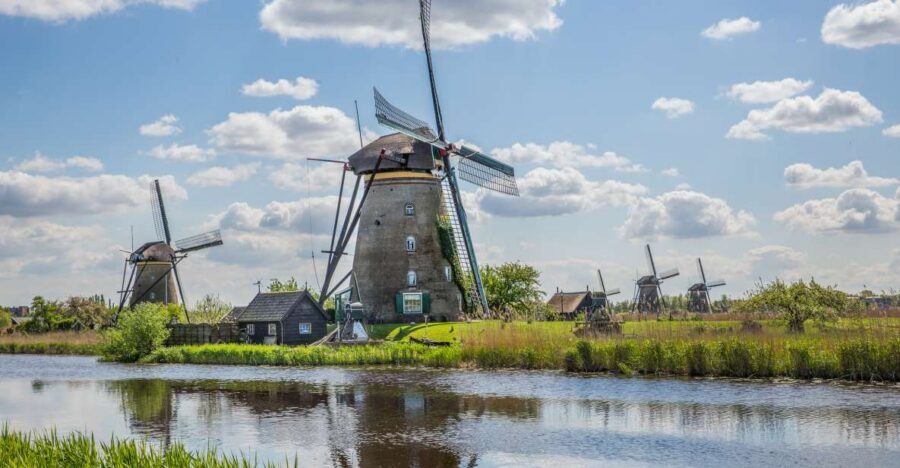
Kinderdijk is famous for a reason. You’re looking at a Dutch solution to a Dutch problem: water levels, land reclamation, and the constant need to move water out of the polders. This ticket is built around that idea, with stops that go from wind power to pumping power to the landscape that forced it all to happen.
The big value is that your entrance ticket isn’t just for one building. It includes entry to two museum mills, the pumping station engine room, and a boat trip through the World Heritage Site, plus an informative film and exhibition. That combination is what turns a windmill photo stop into a full day of understanding.
Also note what you don’t get. Transport to Kinderdijk and food and drinks aren’t included, so you’ll want to plan your day like a local outing, not a packaged coach tour.
You can also read our reviews of more tours and experiences in Kinderdijk.
Enter Two Museum Mills: Blokweer and Nederwaard
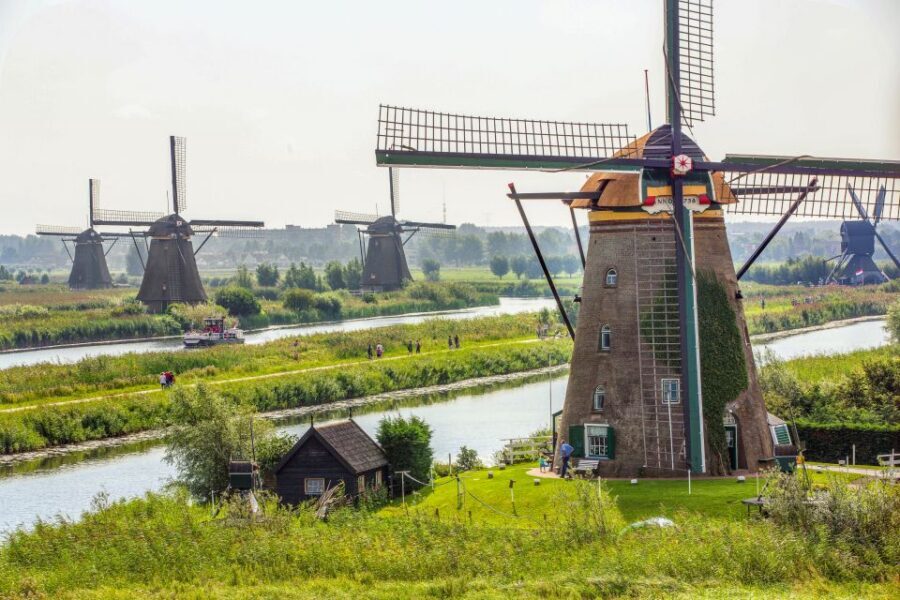
Your ticket includes entry to the Blokweer Museum Mill and the Nederwaard Museum Mill, which is a smart setup because it gives you variety. One mill can be fascinating, but two lets you compare how the village worked as a system and how different structures served their roles.
When you’re inside, you’re not just looking at exhibits behind glass. You’re seeing the kinds of spaces millers used and the layout that makes wind power practical, not theoretical. Many visitors love this part because it feels like stepping into daily life and work, not just walking through history behind ropes.
Practical consideration: interior time can be longer than you think. Even if you’re moving briskly, you’ll want a moment in each mill to connect what you see inside with what you’ll notice outside. If you rush, the second mill becomes repetitive instead of rewarding.
Step Into the Pumping Station Engine Room
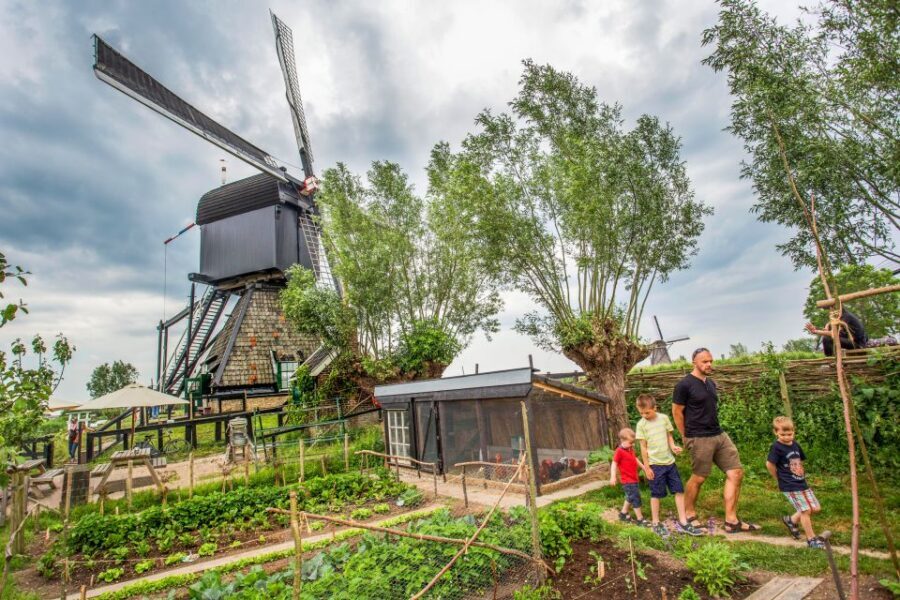
The pumping station engine room is where the story gets real. Windmills are the iconic image, but the pumping system is the job that keeps the polders livable, and this ticket gives you access to that heart of the operation.
This stop complements the mills perfectly. Mills generate power, but the pumping station is what turns that power into water movement—exactly what the Dutch had to manage day after day, year after year. I like this because it prevents the visit from becoming only aesthetic. You leave understanding the engineering behind the views.
If you’re visiting with kids, this is also a strong pick. Adults often find it satisfying because it’s technical without being overly complicated. Children often find it exciting because it feels like machinery you can almost imagine working.
The Polder Boat Cruise: your shortcut to the best views
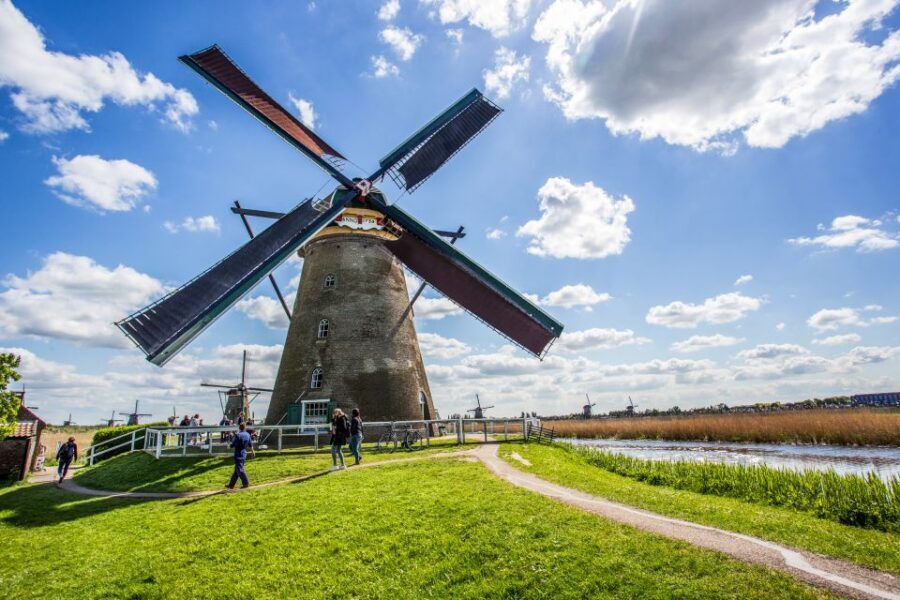
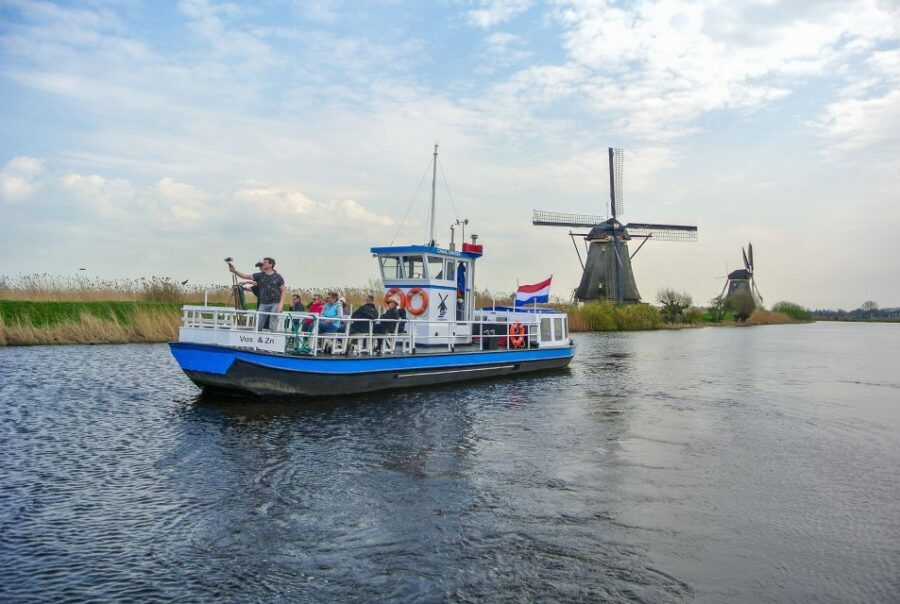
The included boat trip is one of the easiest ways to grasp Kinderdijk quickly. You climb aboard an inclusive tour boat and cruise through the polder waters as the windmills drift past. It’s a different perspective than walking the dikes, and it helps you see how spread out the working environment really is.
This ride also does a practical job: it reduces how much you need to backtrack. With the windmills positioned around water channels, a boat route often saves your legs, especially if the day is cold or windy.
Important planning detail: the boats may sometimes not sail due to bad weather, and the last boat departs 30 minutes before closing time. If weather looks rough, don’t leave the boat for the very end. Build your day so you’re not forced into a last-minute decision.
Self-guided learning with an online audio guide in 8 languages
This ticket leans toward independent exploration, and that’s a plus if you like controlling your pace. You’ll watch an informative film and explore an exhibition, then use the online guide with an audio tour to connect the dots as you walk.
One of the smartest things here is the language coverage. You can use English or Dutch in the audio guide, plus French, Spanish, Italian, Chinese, and German. So even if your group doesn’t all speak the same language, you can still keep moving without splitting up.
A small tip that makes life easier: pick up the audio tour code at the information desk when you arrive. It’s the kind of thing that’s easy to miss if you assume everything is automatic.
If you’re the type who likes to understand what you’re seeing, the audio guide is how you turn scenery into a story. If you’re the type who just wants fresh air and photos, you can still enjoy plenty without overthinking it.
Timing, weather, and how to avoid stress between stops
A well-paced Kinderdijk day is mostly about timing. The site opening hours change by season, with different schedules before and after March. For reference: until March 5, opening hours run 10:30 a.m. to 4 p.m.; from March 6 to November 1, it’s 9 a.m. to 5:30 p.m.; and from November 2 to December 31, it’s 10:30 a.m. to 4 p.m. Christmas Day is closed.
That’s enough to plan around, but here’s how it affects your actual visit:
- If you want the boat, treat it like a timed event. The last departure is 30 minutes before closing, and weather can also cancel sailing.
- If you want to enjoy both museum mills and the pumping station, don’t schedule long meal breaks in the middle unless you’re okay with cutting something short.
- Expect lots of walking. Even though the boat helps, you’ll still move between mills, paths, and the station.
Also keep in mind that the boat may have limited capacity. So if you arrive late in the day, you might find yourself waiting for the next sailing window.
Practical tips for getting there from Rotterdam and using the site
Transport isn’t included, but that’s not a deal-breaker because getting there by water is often the easiest vibe. People commonly use the Waterbus to reach the area near Kinderdijk, and some visitors then rent bikes to cover more ground efficiently once they’re there.
Parking can be tricky. If you’re driving, don’t assume you’ll just pull in anywhere; the area can be congested and harder to manage than the calm scenery suggests.
On-site comfort notes that matter in real life:
- There can be limited shade during longer walks between museum stops, so bring sunscreen and plan for wind.
- The ship can have limited places, so aim earlier rather than later if the day is popular.
- This is an outdoor site. If it’s cold, windy, or rainy, wear layers you can handle without feeling bulky.
What should you bring? Since food and drinks are not included, I suggest you pack a simple plan: water, a snack, and a light layer you can keep on hand. If you like eating while the world feels quiet, this is one of those places where a picnic-style break can actually make the visit better.
Who this Kinderdijk ticket fits best
This ticket suits first-timers to the Netherlands who want more than a quick photo. The UNESCO framing matters, but what you really get is context: how the village works as a water-management system, not just an art project of windmills.
It’s also a strong match for:
- Families who want a mix of museum-style learning and outdoor wandering (there’s even an interactive scavenger hunt for kids)
- Couples who want a calm day that isn’t just another city museum circuit
- Anyone who likes practical history—people who enjoy understanding how things work
If you’re mobility-limited, note that the ticket is wheelchair accessible. However, don’t ignore that getting to the site by water can be less convenient for some accessibility needs depending on your exact route and transport method. Once you’re at the venue, you’ll find it easier to navigate than you might fear.
If you hate walking outdoors in wind, you’ll want to be strategic. Use the boat early, and don’t plan on rushing between every stop.
Should you book this Kinderdijk entry ticket?
Yes—if you want the full Kinderdijk experience in one tidy day. For about $25 per person, you’re getting more than entrance to a viewpoint. You’re paying for inside access to two museum mills, entry to the pumping station engine room, and a boat trip that connects the whole system visually.
I’d especially book if:
- You’re short on time and want the ticket’s included parts to do the heavy lifting
- You care about understanding how water management shaped daily life
- You want the option to move at your own pace with an audio guide
I’d hesitate only if:
- Weather is likely to be rough and you’d be disappointed if the boat can’t sail
- You’re arriving very late in the day and might struggle with the boat’s last departure timing
- You want a mostly effortless visit with minimal walking and minimal indoor time
If you can plan with the opening hours in mind, and you treat the boat as a priority, this ticket is a very solid value for Rotterdam-area sightseeing.
FAQ
What is included in the Rotterdam Kinderdijk UNESCO ticket?
The ticket includes entry to the Blokweer Museum Mill and the Nederwaard Museum Mill, a boat trip through the World Heritage Site, entrance to the pumping station engine room, an informative film and exhibition, and an audio tour guide in the online guide.
How long should I plan for this experience?
It’s listed as a one-day experience. In practice, you’ll need time to visit the two museum mills, the pumping station engine room, and to fit in the boat trip.
Is this ticket just entry, or is there a guided tour?
It’s described as a self-guided on-site visit with an online audio guide. You also have the included boat trip through the World Heritage Site.
Are there museum mills and a pumping station on the itinerary?
Yes. Your ticket includes entry to two museum mills and entrance to the pumping station engine room.
Does the ticket include a boat ride, and can it be canceled?
Yes, the ticket includes a boat trip through the World Heritage Site. The tour boats may sometimes not sail due to bad weather conditions.
What are the site opening hours?
Until March 5, it’s 10:30 a.m. to 4 p.m. From March 6 to November 1, it’s 9 a.m. to 5:30 p.m. From November 2 to December 31, it’s 10:30 a.m. to 4 p.m. Christmas Day is closed.
What time does the last boat depart?
The last boat departs half an hour before closing time.
Is it wheelchair accessible, and what languages are available on site?
The experience is wheelchair accessible. A host or greeter is available in Dutch and English, and the audio guide is available in English, Dutch, French, Spanish, Italian, Chinese, and German.