REVIEW · VLISSINGEN
Vlissingen: Maritime Museum Entry Ticket
Book on GetYourGuide →Operated by Maritiem Muzeeum Zeeland · Bookable on GetYourGuide
A museum that ships your imagination ashore. At muZEEum in Vlissingen, maritime history of Zeeland comes to life through hands-on exhibits, a strong storyline, and plenty of play. I particularly love the interactive expositions that make the sea feel close, and the free creative do-book for kids that turns a museum visit into an activity. One watch-out: if the museum is busy with families, the audio can be harder to catch while you’re surrounded by lots of small voices.
You’ll spend about a half-day here, and that’s the sweet spot. People report around 2 hours, which is long enough for the main galleries and the best viewpoints without turning it into a slog. I also like that you get a free audio tour with videos, so you’re not just reading plaques—you’re watching and listening as sea characters guide you through the themes.
Finally, don’t treat this like a one-dimensional history stop. You’ll bounce between artwork, underwater treasures from sunken ships, and the life story of Michiel de Ruyter, plus a visit to the Lampsins’ 17th-century town house.
In This Review
- Key things to know before you go
- muZEEum Vlissingen: maritime history you can touch
- The storyline: paintings, underwater treasures, and sea characters
- Michiel de Ruyter: the sea hero you’ll remember
- The Lampsins’ 17th-century town house stop
- Underwater treasures: why sunken ships still matter
- Interactive games and the creative do-book for kids
- Audio tour with videos: best way to use your time
- The viewpoint payoff: old tower and sea-air terrace
- What about the harder themes?
- Price and value: does $19 feel fair?
- Practical tips that make your visit smoother
- Who this is best for (and who might not love it)
- Should you book muZEEum Vlissingen?
- FAQ
- How long should I plan to spend at muZEEum in Vlissingen?
- Is the audio tour included with the entry ticket?
- Are there activities for children?
- What can I see inside the museum?
- Is there a viewpoint over the sea?
- Can I bring food or a backpack?
- Is it wheelchair accessible?
Key things to know before you go
- Three old buildings tied together by modern architecture make the museum feel like part of Vlissingen’s story.
- The audio tour with videos helps you follow a thread, not just wander room to room.
- Underwater treasures from sunken ships add a real sense of discovery.
- Michiel de Ruyter and other sea characters give the history faces and voices.
- A creative do-book for kids is included, which makes family visits much easier.
- Tower and terrace viewpoints let you swap from indoor stories to sea-air views.
muZEEum Vlissingen: maritime history you can touch
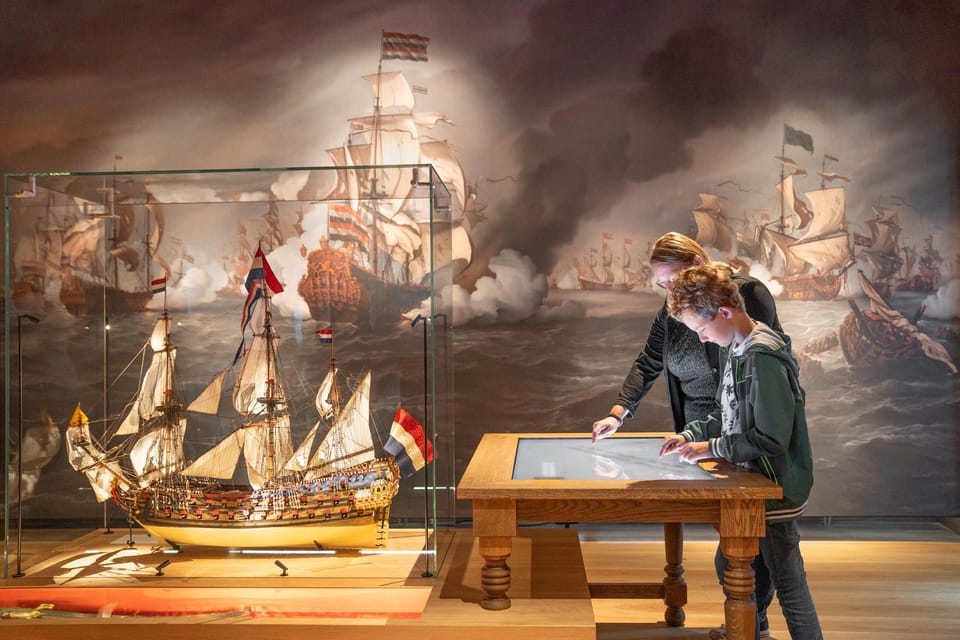
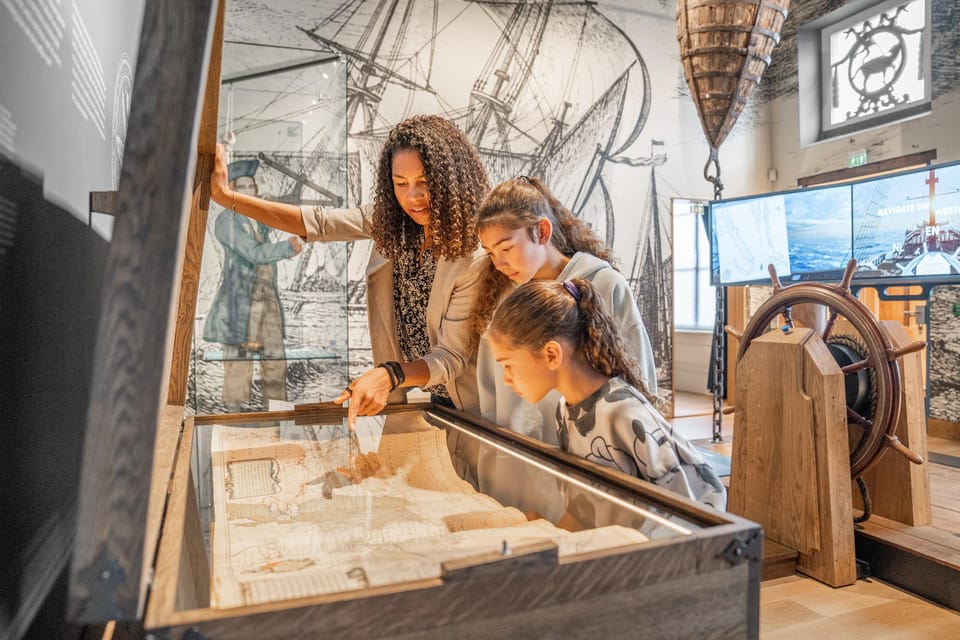
muZEEum in Vlissingen focuses on the relationship between Zeeland and the sea—how it shaped daily life, trade, conflict, and careers. The good news is that you don’t need a maritime degree to enjoy it. The exhibits are built for curiosity: you’ll move through galleries, see paintings and artifacts, and then use interactive elements to connect the dots.
This is also a museum designed for more than one pace. If you like reading, you’ll find plenty to take in. If you prefer hands-on learning, you’ll get that too. And if you’re traveling with kids, the structure helps keep attention on track.
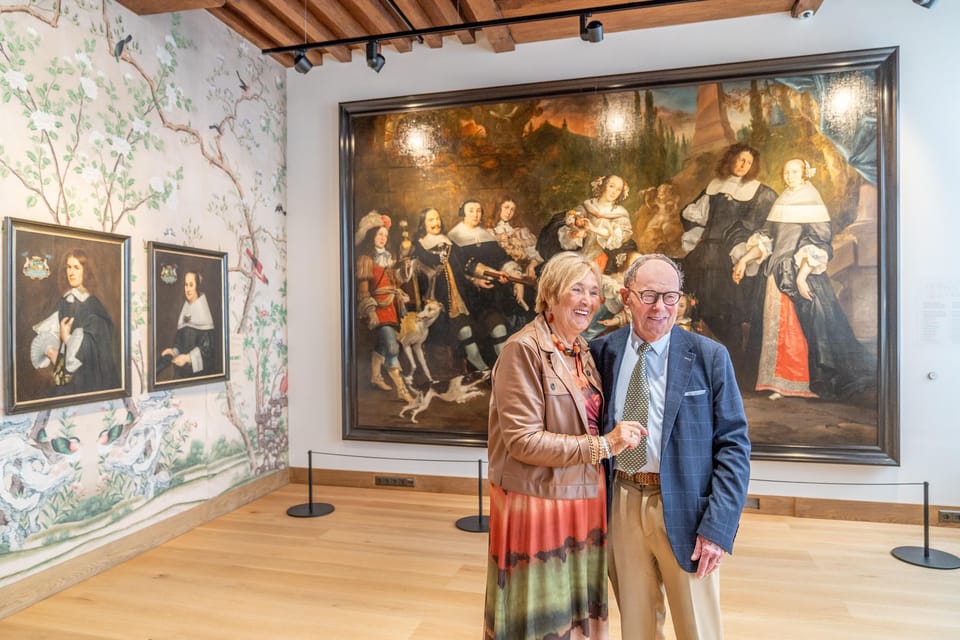
The museum spans three historic buildings, connected with a modern approach. That matters because you’re not only learning about sea history—you’re also walking through layers of it. One building adds atmosphere, another changes the viewpoint, and together they make a visit feel like a mini journey around Vlissingen itself.
You can also read our reviews of more tours and experiences in Vlissingen.
The storyline: paintings, underwater treasures, and sea characters
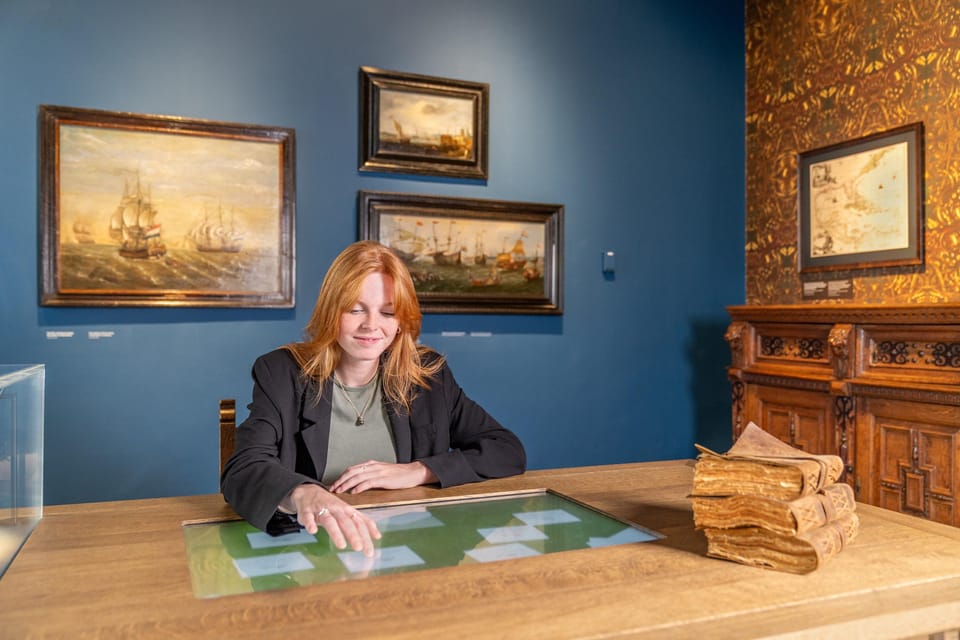
The experience isn’t just a pile of rooms. It’s organized around themes that move you through Vlissingen and Zeeland’s maritime past, from sea life to major historical figures. Expect to see a mix of:
- paintings and maritime imagery
- stories tied to Zeeland’s past
- underwater-related displays, including treasures connected to sunken ships
The underwater section is a big deal for first-time visitors. The concept is simple: what’s left beneath the water still shapes history. You get a chance to see how sunken ships became sources of knowledge, not just tragedies.
Then there are the sea characters. You’ll encounter them through the free audio tour, which includes videos as part of the experience. This is a practical advantage: if you’re traveling with kids (or if you just don’t want to stand still reading), the audio-video format keeps you moving and makes the information easier to absorb.
Michiel de Ruyter: the sea hero you’ll remember
One of the headline stories here is Michiel de Ruyter, an important figure connected to maritime life. You’ll learn about his story as part of the museum’s larger narrative about Zeeland and its relationship with the sea.
Why this works for you: a named person turns an era into something you can picture. Instead of thinking only in terms of ships and dates, you get a thread that turns the collection into a story about people’s ambitions, skills, and lives shaped by maritime events.
In a museum like this, a strong central character also helps you choose where to spend extra time. If you’re interested in naval history, you’ll likely linger longer around the sections focused on him. If you’re visiting mainly for family activities, his presence gives the visit an anchor that keeps the museum from feeling random.
The Lampsins’ 17th-century town house stop
You should plan for at least some slow time here. Visiting the Lampsins’ beautiful 17th-century town house adds a very different flavor than modern-looking galleries. It’s the kind of setting that helps you understand that maritime wealth and maritime life left physical footprints in Vlissingen and Zeeland—homes, architecture, and status.
This stop is valuable even if you’re not an architecture fan. It changes your perspective. Instead of only imagining the sea outward, you’re also imagining the sea’s impact inward—on the houses, families, and everyday structures of the time.
If you’re doing the museum with children, this is also a great place to pause and reset. A more atmospheric room can help kids shift from fast interactive play to listening and looking.
Underwater treasures: why sunken ships still matter
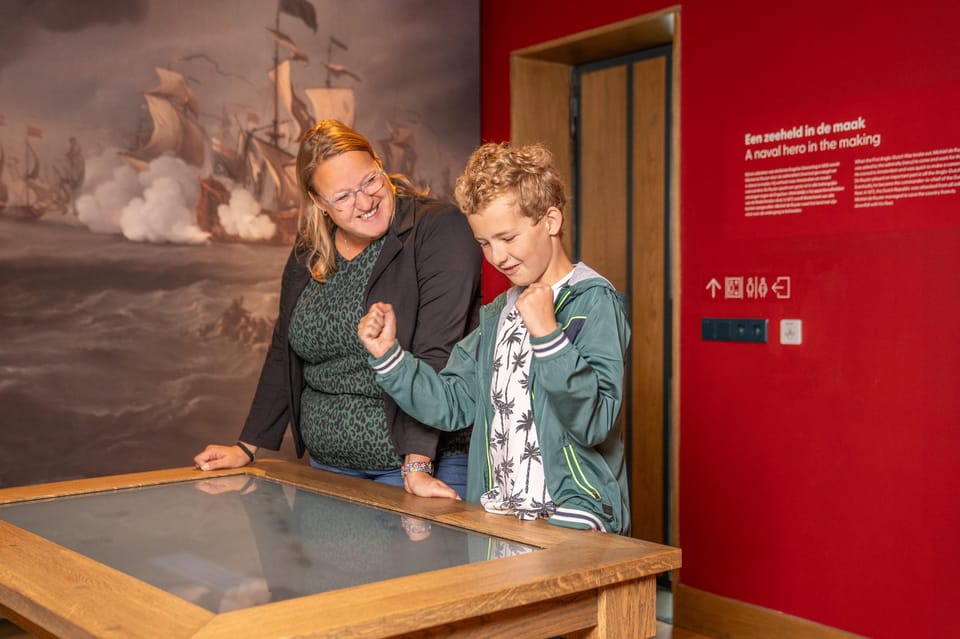
The museum doesn’t treat the underwater theme like a one-off “cool objects” moment. The idea is that underwater findings connect to history, craftsmanship, trade, and the risks of sea travel. When you see treasures connected to sunken ships, it’s not just about spectacle—it’s about learning how the past surfaces again in unexpected ways.
This section tends to click for a broad range of visitors:
- Kids like the idea of “finding” what’s lost.
- Adults often enjoy the historical logic of what the objects suggest.
- Everyone appreciates that it ties emotion (loss, danger) to evidence (what survived and what can be studied).
It’s also a good section to revisit if you’re with a group moving at different speeds. You can skim quickly or slow down and read more, without it ruining your overall experience.
Interactive games and the creative do-book for kids
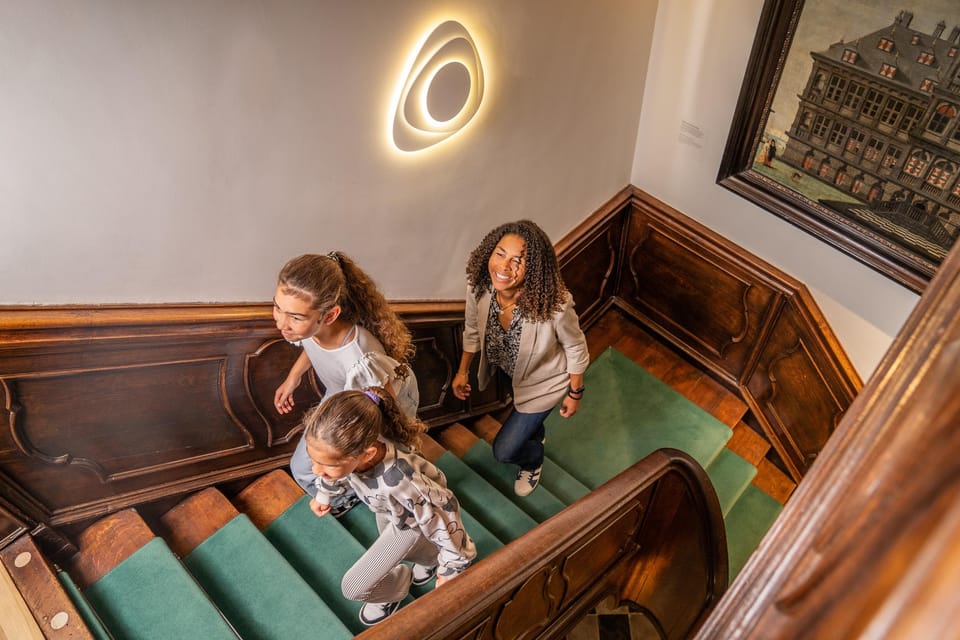
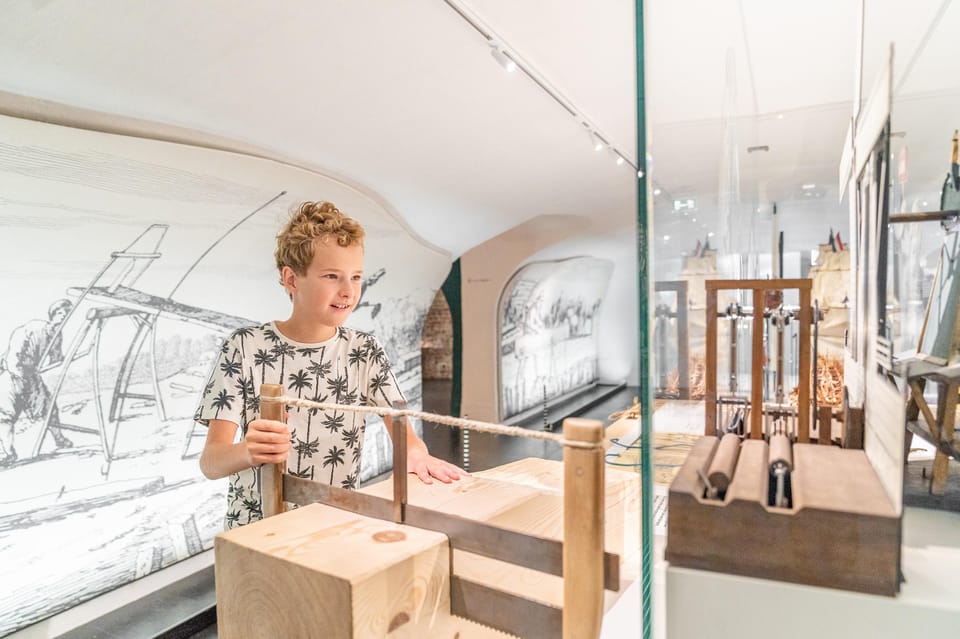
This museum earns points for actually planning for children, not just sprinkling in a few activities. Kids get a free creative do-book, which gives them something to do while adults read and listen. That matters because museums with good kid programming don’t just entertain—they help kids stay engaged long enough to absorb the basics.
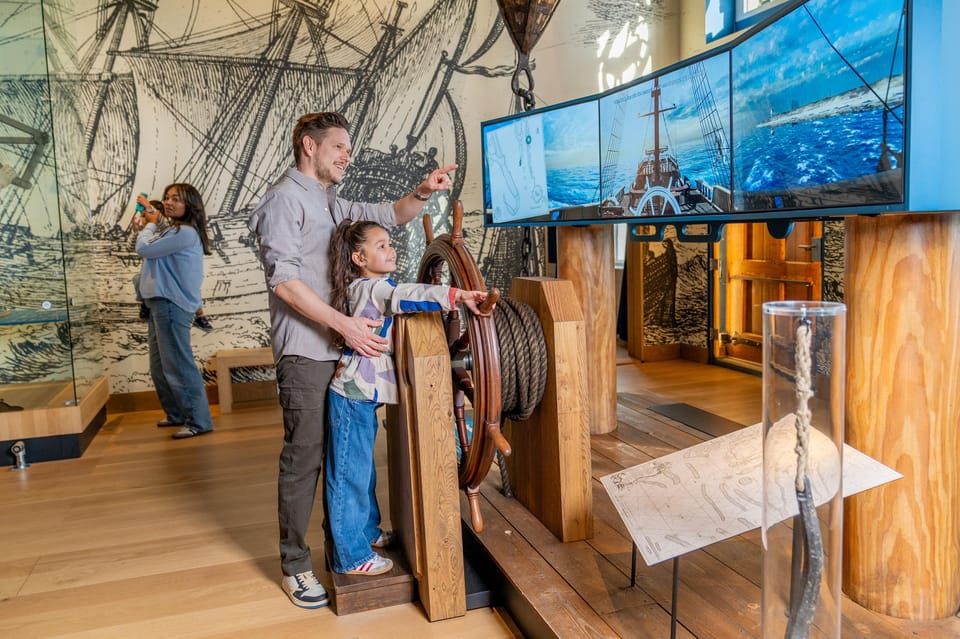
The interactive games across the galleries are fun and educational. They turn learning into action: you’ll likely find yourself stopping more than once just to try the next activity.
One practical note based on real on-the-ground experience: if you go during a busy family period, the audio tour can become harder to follow because kids are close by and noise can rise. If you want your audio to land clearly, aim for a calmer time of day or expect to pause your listening when the room gets crowded.
Audio tour with videos: best way to use your time
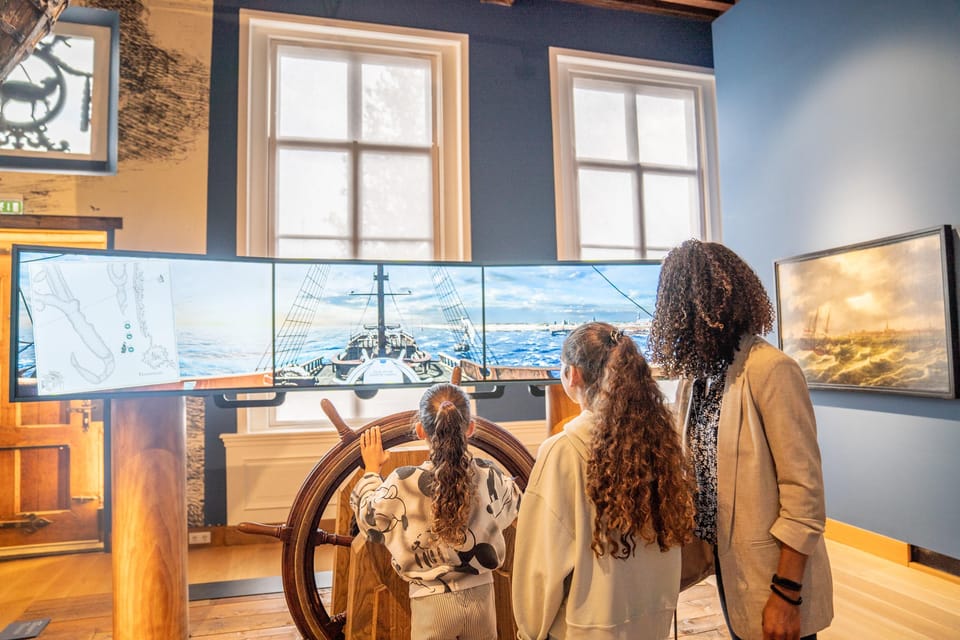
The audio tour is genuinely helpful. It’s not only a voiceover; it includes videos and makes you feel like you’re guided through the experience by sea characters. That guidance helps you avoid the common problem of museums that feel like a maze.
You’ll likely find it easiest to do things in this order:
1) Start the audio at the beginning of your visit.
2) Use it to guide your route and decide which rooms deserve extra time.
3) When you hit an interactive spot or the tower view, take a short break from the audio and soak in the change of pace.
Also, keep your expectations flexible. People have suggested an adults-only time slot could help with audio clarity, and that’s a fair consideration if you’re traveling without kids and really want to focus on the storytelling. Even so, the audio is still a key part of the value here.
The viewpoint payoff: old tower and sea-air terrace
After indoor galleries, you’ll want a breather. One of the listed benefits is the view over the sea from an old tower or terrace. Reviews suggest the tower can deliver a strong lookout, even when the terrace option is limited.
So here’s the practical approach: plan to check what’s open when you arrive. If the terrace is shut on that day, the tower still gives you the outdoor payoff. On a bright Zeeland day, this viewpoint helps you connect what you saw inside to the real coastline outside.
Bring your camera. You’ll have moments where it makes sense to step back, frame the harbor/sea view, and then return to the exhibits with your senses refreshed.
What about the harder themes?
One specific element you should know about: there’s a window that addresses Zeeland’s involvement in slave trading. That’s a heavy subject compared to interactive games about ships and sea characters, so it’s good to be prepared.
It also makes the museum more honest. Maritime history isn’t only adventure and trade routes; it includes systems of exploitation that shaped port cities and economies. If you’re visiting with children, you’ll likely want to decide in advance how you’ll approach this part of the museum—listen, skim, or move on quickly.
Price and value: does $19 feel fair?
At about $19 per person, the price makes sense for what you get—especially if you’re traveling as a group of mixed ages. You’re not paying for a single exhibit. You’re getting:
- interactive expositions across multiple buildings
- a free audio tour with videos
- the kid do-book included
- time with maritime stories and underwater-related displays
- a sea viewpoint from the tower or terrace area
The hidden value is the structure. When a museum is built around interactive learning and audio-video guidance, you usually get more “use” per hour. Reviews also suggest the visit time lands around 2 hours, which helps you feel like you’re not overpaying for a quick peek.
The one cost to factor in: food isn’t included. Plan a snack or meal around your museum timing, since you won’t be able to bring food inside. Also note the museum rules: no backpacks and no pets (assistance dogs are allowed). If you’re traveling light, you’ll feel less friction at the entrance.
Practical tips that make your visit smoother
A little planning goes a long way in a museum that mixes interactive stations, audio devices, and family flow.
- Wear comfortable shoes. You’ll move between buildings and climb/stroll in places where you don’t want sore feet.
- Bring a camera for the viewpoint and photo-friendly exhibits.
- If you care about the audio being clear, choose a time when it’s not packed wall-to-wall with young visitors. When crowds rise, audio can get harder to catch.
- Don’t assume every viewpoint option is always open. Expect the tower to be the reliable bet, with terrace access depending on the day.
Also consider parking logistics. One review flagged that parking can be awkward because you rely on public parking. If your schedule is tight, give yourself extra time to park and walk in.
Who this is best for (and who might not love it)
This museum fits best if you enjoy hands-on learning and don’t mind a bit of family energy. It’s good for:
- families with young kids (do-book and interactive play help a lot)
- adults who like maritime history with strong storytelling
- travelers who want an easy, half-day cultural stop in Vlissingen
One caution: the information set includes notes about wheelchair access, but also a statement that it’s not suitable for wheelchair users. Because those details conflict, treat it as a “check first” item. If you’re using a wheelchair or mobility aid, contact the provider or confirm on arrival what routes and exhibits are reachable.
Should you book muZEEum Vlissingen?
If you’re in Zeeland and want a museum that’s actually fun, not just factual, I’d say yes. muZEEum offers great value for the price: interactive exhibits, a guided audio tour with videos, kid-friendly activities, and real viewpoint time over the sea. It’s also one of the better options when you need something that works for mixed ages without requiring serious patience.
Book it if:
- you want a family-friendly maritime stop
- you like interactive learning and audio guidance
- you want to combine history with a sea view in a short time window
Skip it (or adjust expectations) if:
- you need a quiet, adults-only museum experience all the way through
- you’re visiting specifically for a large outdoor scope, since you’ll mainly be indoors with a sea viewpoint finish
If your goal is a memorable, family-ready introduction to Zeeland’s maritime world, this ticket is a solid pick.
FAQ
How long should I plan to spend at muZEEum in Vlissingen?
Most visits fit comfortably into about two hours, but the ticket is valid for one day. You can move at your own pace, especially if you’re using the audio tour and doing the interactive activities.
Is the audio tour included with the entry ticket?
Yes. The experience includes a free audio tour with videos.
Are there activities for children?
Yes. Kids receive a free creative do-book, and there are interactive games throughout the museum that are designed to be fun and educational for all ages.
What can I see inside the museum?
You can explore maritime history of Vlissingen and Zeeland, including exhibits about Michiel de Ruyter, underwater treasures from sunken ships, interactive games, and a visit to the Lampsins’ 17th-century town house.
Is there a viewpoint over the sea?
Yes. The museum includes a view over the sea from an old tower or terrace, and the tower viewpoint is often available even when the terrace option is limited.
Can I bring food or a backpack?
No. Food and backpacks are not allowed inside.
Is it wheelchair accessible?
The information provided includes a note that it is wheelchair accessible, but there is also a note stating it is not suitable for wheelchair users. If you rely on a wheelchair, it’s best to confirm accessibility details directly with the museum before you go.