REVIEW · VOLENDAM
Volendam: 2.5-Hour Cheesemaking Workshop & Clog Making Tour
Book on GetYourGuide →Operated by Simonehoeve Cheese, clogs and restaurant · Bookable on GetYourGuide
Cheese, then clogs, in Volendam. This 2.5-hour workshop pairs a real Dutch farm workflow with a wooden shoe stop, so you leave with both practical know-how and something edible you made. I love the hands-on cheesemaking steps (mixing, heating, pressing) and the chance to taste classic Gouda and Edam. One thing to consider: it’s a short session, and with raw-milk cheese you’ll need to think about how you pack it for the ride home.
At Simonehoeve in Katwoude/Volendam, the vibe is friendly and practical. If your guide is Fred, you’ll likely get that upbeat, hands-on energy people talk about, plus real moments to taste while your cheese is pressing. The biggest trade-off is that you’re not walking out with a full Gouda-wheel skill set; you’re learning the process by making a small young farmer’s cheese, then you may be doing some finishing/ripening later.
In This Review
- Key points to know before you go
- Simonehoeve: the Volendam-style mashup of farm cheese and wooden shoes
- The 2.5-hour cheesemaking lesson: milk, curds, pressing, and a small young cheese
- What happens during the pressing: tour the clog factory and see old-school techniques
- Tastings at the shop: Gouda, Edam, stroopwafel, and fruit wine
- Taking your homemade cheese home: how to avoid the most common disappointment
- Languages, group format, and what the price actually buys you
- Should you book the Volendam cheesemaking and clog workshop?
- FAQ
- Where is the meeting point?
- How do I get there from Amsterdam?
- What will I make during the workshop?
- Can I take the cheese home?
- What milk is used for the cheese?
- What besides cheesemaking will I do?
Key points to know before you go
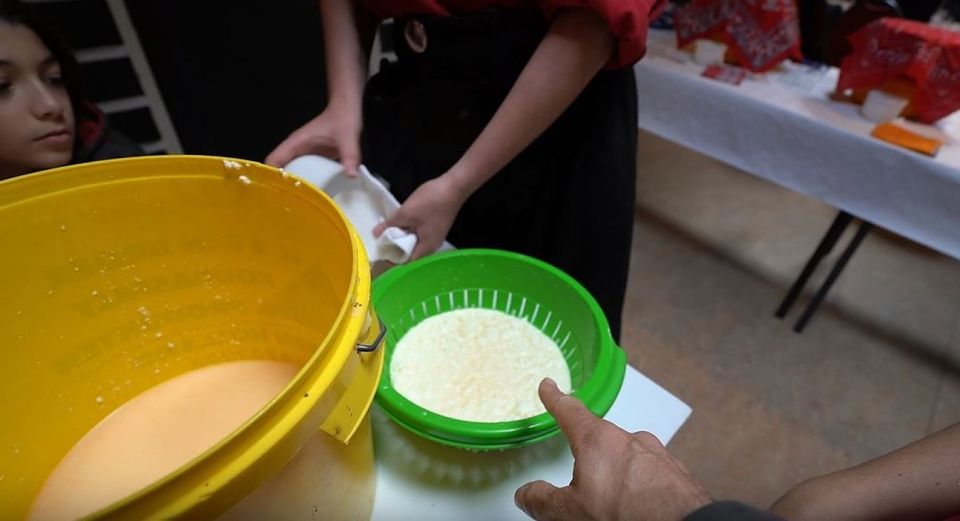
- You make a young farmer’s cheese: pressed as a small batch, then taken home with instructions for eating now or ripening later.
- Gouda and Edam tasting is part of the deal: expect to sample classics alongside other Dutch treats.
- Your pressing time becomes clog time: while the cheese sets, you tour the wooden shoe workshop and see how clogs are made.
- Stroopwafel and fruit wine are on the tasting menu: you’ll also see plenty of cheese and souvenirs in the shop.
- Pack like cheese depends on it: there’s at least one story of a ruined suitcase cheese, so protect your take-home carefully.
Simonehoeve: the Volendam-style mashup of farm cheese and wooden shoes
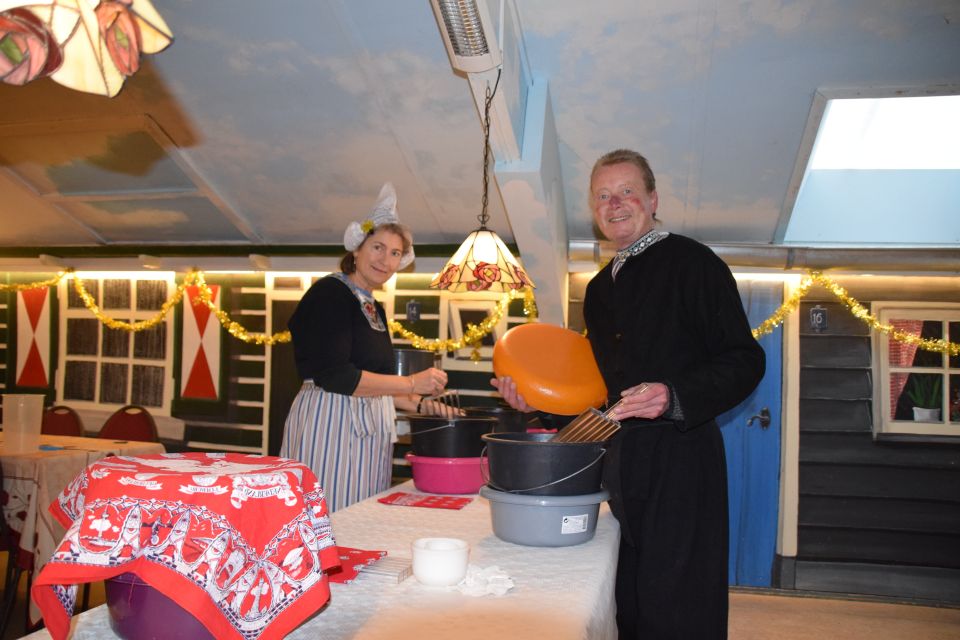
This is not a museum stop. It’s a functioning farm experience in North Holland where dairy craft and Dutch footwear culture sit in the same place. You meet at Simonehoeve (Wagenweg 2, 1145 PW Katwoude/Volendam), and the property includes the cheese activity plus a wooden shoe/clog workshop area.
The clever part is timing. Cheesemaking has waiting periods, and this tour turns that waiting into a second activity instead of idle time. So while your curds are being pressed, you get to switch gears and learn how a chunk of wood becomes footwear—then you circle back to taste and wrap up.
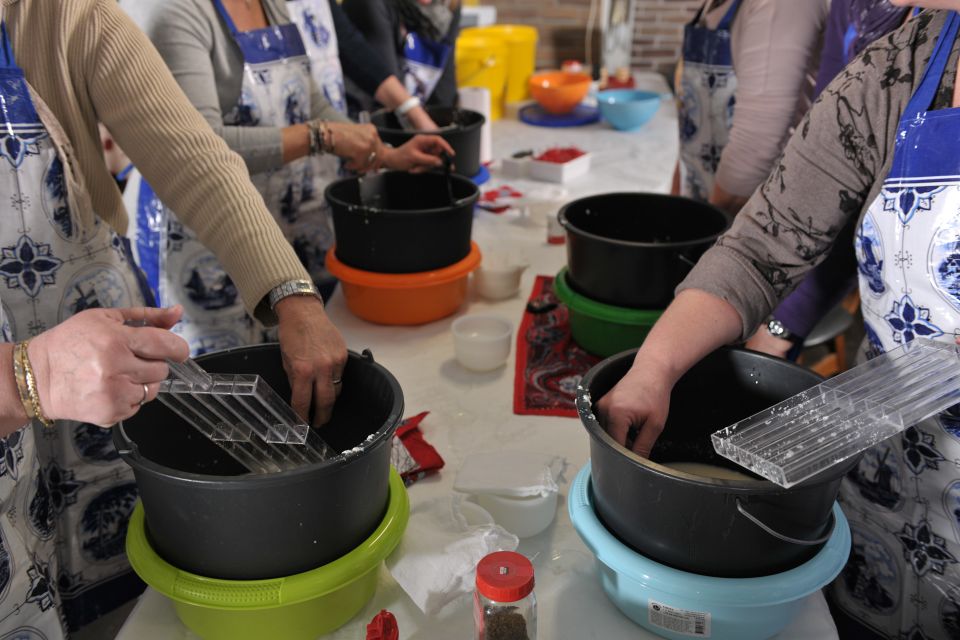
If you’re the type who likes hands-on learning, this format works. You’re not just watching. You’re doing enough of the steps to understand what matters (temperature, mixing, pressing), then tasting helps you connect theory to flavor.
You can also read our reviews of more tours and experiences in Volendam.

The 2.5-hour cheesemaking lesson: milk, curds, pressing, and a small young cheese
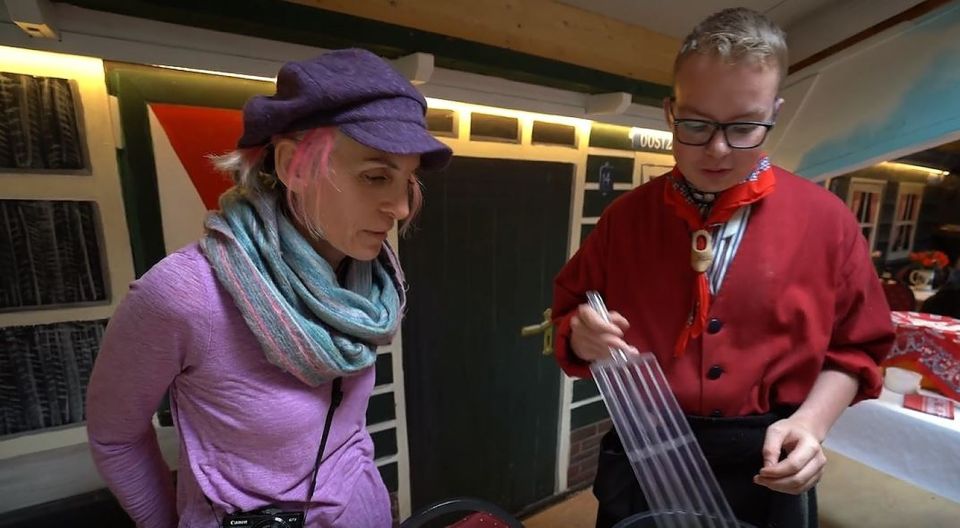
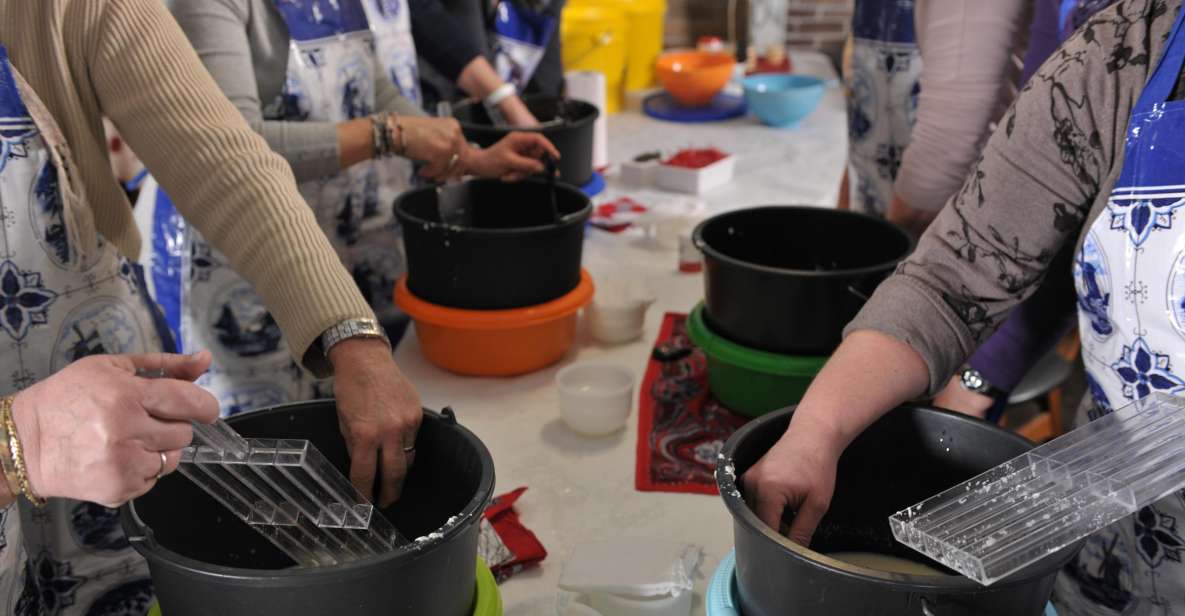
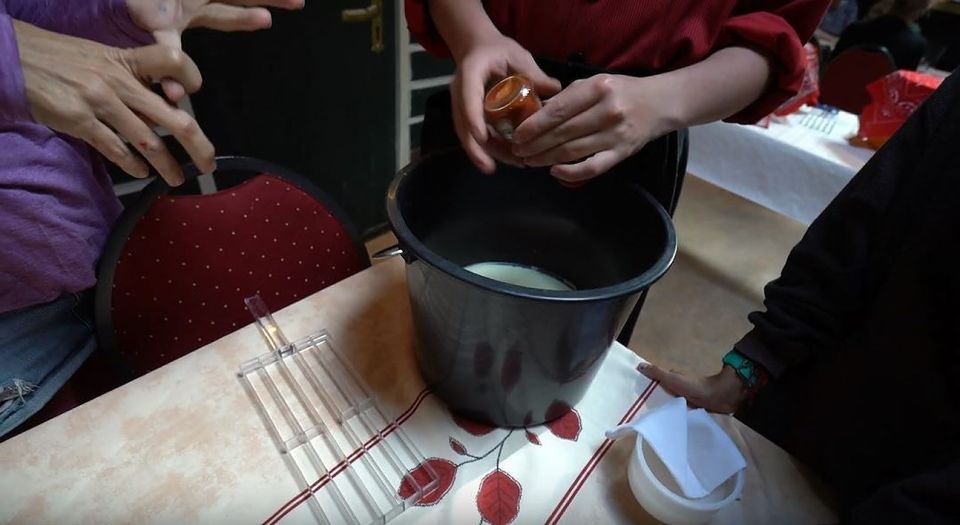
Your session starts with the core idea of Dutch cheesemaking: it begins with milk from local cows. The process you learn is practical and stepwise—think mixing, heating, pressing, and then eating (yes, you get to taste).
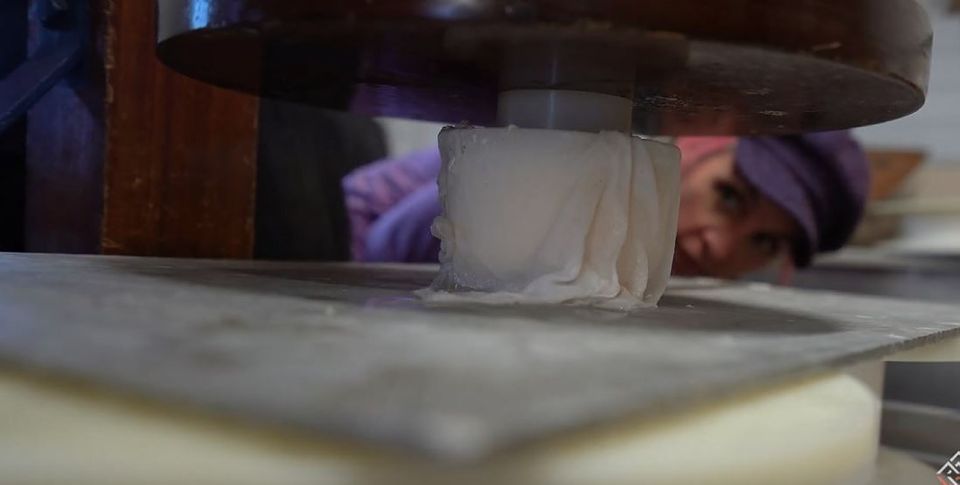
The cheese you make is a small young farmer’s cheese. That matters because young cheese behaves differently than aged varieties. The information you’re given includes what to do next: you can vacuum it and eat it directly, or you can ripen it at home using a liquid plastic cover around the cheese. The fact that they explain both options is what turns this from a pure demo into something you can actually extend at home.
This is also where expectations should be realistic. One concern from a lower review was that the class didn’t feel like they were fully taught how to make Gouda specifically, and that a staff member handled much of the work. Based on how the workshop is described overall, you should treat this as a guided introduction to cheesemaking mechanics—built around making your own small batch—rather than a full “make Gouda wheels end to end” masterclass.
That said, the best reviews highlight the same theme: people get a genuine feel for the whole flow, and the guided breaks make it easier to stay engaged. If your goal is to understand the process and take home a real souvenir cheese (not just a tasting platter), this workshop largely delivers.
What happens during the pressing: tour the clog factory and see old-school techniques
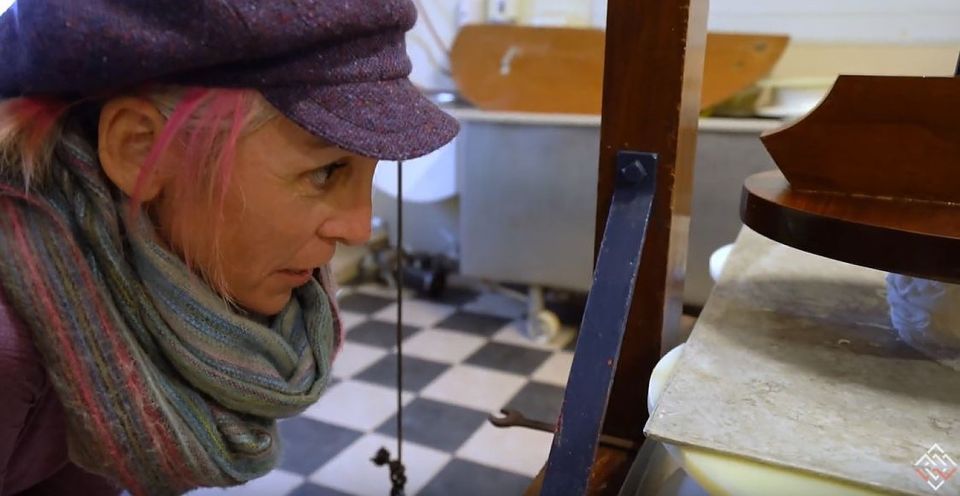
Cheese needs time to press. Instead of making you sit around, the tour uses that gap for the wooden shoe factory portion.
You get a guided visit through the clog/wooden shoe area and you learn how to turn wood into footwear. The tour includes clog varieties from historical to modern, so you’re not just seeing one style frozen in time. Then you may see an old-fashioned demonstration of the process—exactly the kind of moment that makes the tour feel less like a scripted factory line.
This second half is also a nice cultural contrast. Cheesemaking is a food science rhythm; clog making is a craft rhythm. One is all about steps and timing with dairy. The other is about shape, carving, and form. Doing both in one afternoon means you end up with two different kinds of memories: the smell of cheese curds and the visual of wood being turned into a clog.
Tastings at the shop: Gouda, Edam, stroopwafel, and fruit wine
After the hands-on cheese part, the tour shifts into tasting and browsing mode. In the shop, you’ll see souvenirs and you’ll also taste Dutch treats.
Expect stroopwafel (the caramel syrup sandwich cookie), plus Dutch cheese varieties including Gouda and Edam as part of the tasting experience. The tour also includes sampling fruit wine. If you like pairing tastes, this is where you can start to notice how different cheeses behave—especially when one is young versus something that’s been aged.
A small practical note: the tour says additional drinks and food are not included. That usually means tastings are part of the program, while extra purchases can add up if you get swept into the shop. You’ll probably want to taste broadly, but set a personal limit so you don’t end up buying everything just because it’s right there.
Taking your homemade cheese home: how to avoid the most common disappointment
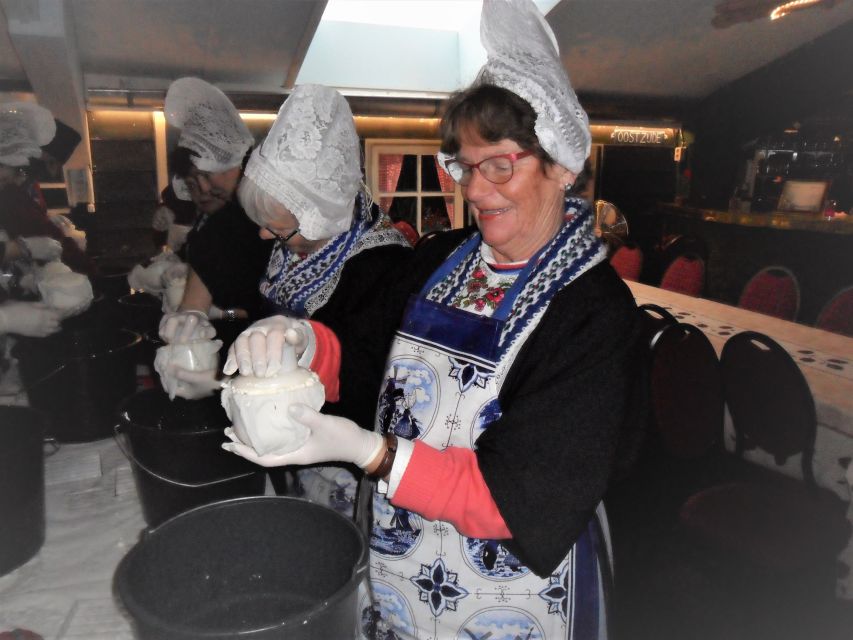
The headline here is clear: a homemade cheese is included to bring home. That’s a big deal, because it’s not just education—you get a physical result.
Still, cheese is fragile in a way that typical souvenirs aren’t. Since raw, non-pasteurized milk is used as the main ingredient, you want to treat your cheese like food you must handle properly. Also, a lower review described cheese being ruined in a suitcase, which tells me packing matters more than people expect.
Here’s how to think about it:
- Plan for careful placement so the cheese doesn’t get crushed.
- Keep it sealed as instructed.
- If you’re ripening later, follow the guidance you’re given about vacuuming or the liquid plastic cover method.
If you’re flying, you may want to think ahead about how you’ll carry it through security and how it will stay stable during transit. The tour itself gives you the cheese and the next steps, but you’re still the one responsible for getting it safely from Volendam to your kitchen.


Languages, group format, and what the price actually buys you
The workshop runs 2.5 hours and is listed at $145 per person. That sounds steep until you look at what’s included: you’re doing hands-on cheesemaking, visiting the wooden shoe factory, tasting multiple cheeses plus stroopwafel and fruit wine, and you get a take-home cheese.
Also, it’s designed as a private group experience. That usually makes the learning easier—more time for questions, fewer people competing for attention—especially when you’re doing something physical like pressing and shaping. Your instructor can work in Spanish, Dutch, English, French, German, or Italian, so you’re not stuck hoping someone speaks your language.
Who gets the best value?
- You want something more active than a standard farm tour.
- You’re interested in food craft and want the steps in plain language.
- You want a Dutch cultural pairing: cheese plus clogs in one stop.
Who might feel less satisfied?
- You’re expecting a full, detailed Gouda-wheel production lesson. This experience is built around making a small young farmer’s cheese and learning the overall process, plus tasting Gouda and Edam.
- You’re not prepared to handle at-home storage and finishing/ripening (if you choose that route).
Should you book the Volendam cheesemaking and clog workshop?
Book it if you want a day-trip-style activity that mixes hands-on cheesemaking, a wooden shoe factory visit, and real tasting. The strongest reasons to go are simple: people often leave excited because they did the work, they learned the workflow, and they get a tangible take-home cheese. If you love Dutch food and crafts, this pairing is a smart use of 2.5 hours.
I’d hesitate if your main goal is learning Gouda in the way you’d see it in a long, professional production course. This is a guided, short workshop built around a small young cheese and then tasting classic varieties. If you’re honest about that, you’re much more likely to walk away happy—and with a box that actually makes it home intact.
FAQ
Where is the meeting point?
You meet at Simonehoeve, Wagenweg 2, 1145 PW Katwoude/Volendam.
How do I get there from Amsterdam?
If you’re coming from Amsterdam, take bus 316 from Amsterdam CS (IJzijde). Tickets can be bought at the station or from the bus driver (no cash accepted). The cheesefarm and clog factory are a couple of meters from the bus stop Hotel Volendam, recognizable by a mini-windmill.
What will I make during the workshop?
You’ll make a small homemade young farmer’s cheese following the cheesemaking steps like mixing, heating, pressing, and then tasting/eating.
Can I take the cheese home?
Yes. A homemade cheese is included so you can take it home.
What milk is used for the cheese?
The cheeses are made using raw, non-pasteurized milk.
What besides cheesemaking will I do?
While your cheese is being pressed, you’ll tour the wooden shoe factory and learn about clogs, from historical to modern styles. You’ll also taste Dutch biscuits like stroopwafel, fruit wine, and cheeses such as Gouda and Edam.