REVIEW · ZAANDIJK
Zaandijk-Near Zaanse Schans Chocolate making demo & tasting
Book on GetYourGuide →Operated by KIn & co. chocolate · Bookable on GetYourGuide
Chocolate starts as a plain bean, then turns magic fast. In the Zaandijk area near Zaanse Schans, I love how this bean-to-bar demo keeps you close to the real process, not just a slideshow. It’s a semi-mechanized workshop, so you can actually follow what changes as cacao moves from roasting to tempering.
Two things I like a lot: first, you get to see steps like winnowing and grinding up close, including the chance to operate the winnowing machine. Second, the tasting is built into the flow, so you taste intermediate products and the finished chocolate, which makes the whole lesson stick.
One thing to consider: the experience is short—about 45 minutes—so if you’re hoping for a long, heavy-hands workshop, you might want to pair this with extra time around Zaanse Schans afterward.
In This Review
- Key moments worth your time
- Zaandijk atelier near Zaanse Schans: the easy win
- Finding Kin & co: what to look for at the green-roof meeting point
- What happens in the 45 minutes: the real bean-to-chocolate flow
- Roasting: where flavor starts and your palate gets involved
- Winnowing and grinding: the steps that sound technical but stay understandable
- Tempering: how the finished chocolate gets its look and snap
- Tastings that actually teach: intermediate samples and finished chocolate
- Cacao heritage of the river Zaan and fair sourcing you can feel good about
- The instructor matters: what to expect from different language sessions
- Logistics that affect your comfort: timing, rules, and pacing
- Price and value: is about $29 worth it?
- Who should book (and who should skip)
- Should you book this Zaandijk chocolate demo?
- FAQ
- FAQ
- How long is the chocolate making demo and tasting?
- Where is the meeting point for the workshop?
- What language(s) is the instructor able to speak?
- What does the experience include?
- Will I taste chocolate during the workshop?
- What process steps are demonstrated?
- Is the workshop near Zaanse Schans?
- Are there any rules about food or drink during the workshop?
- Are there any rules about footwear?
- What is the price?
Key moments worth your time
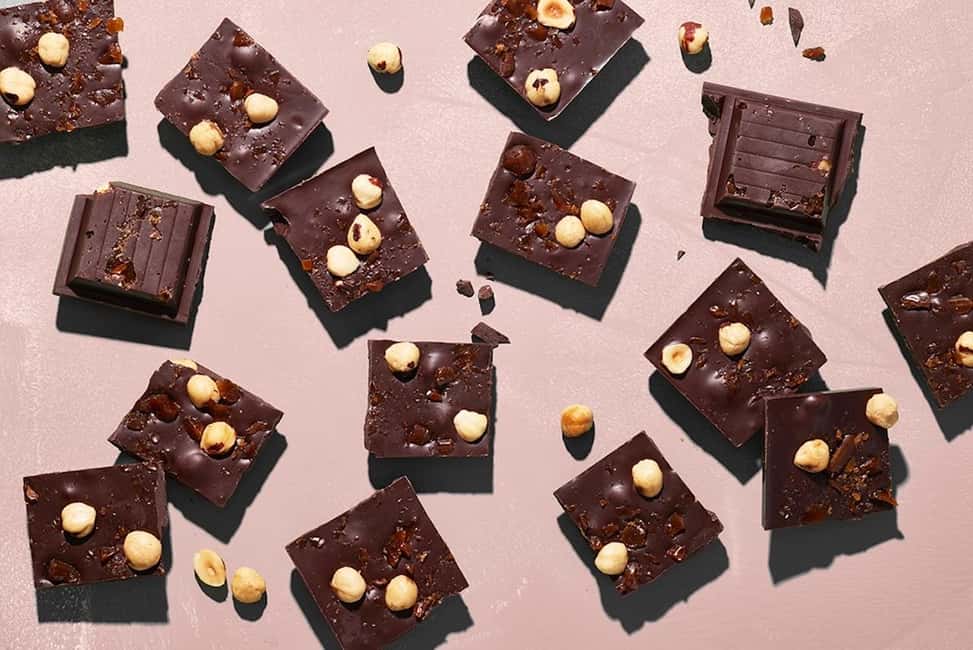
- Roasting choices: you can judge how far the beans are roasted and feel why roast level matters.
- Operate the winnowing machine: you’re not just watching; you’re doing.
- See tempering as a practical step: the workshop explains how texture and shine come together.
- Taste along the way: intermediate samples help you notice flavor and process changes.
- Cacao flesh samples: some sessions include tasting juice from the cacao flesh, so plan for surprise flavors.
- End with a Dutch truffle: in several sessions, you make your own truffle as a finish.
Zaandijk atelier near Zaanse Schans: the easy win
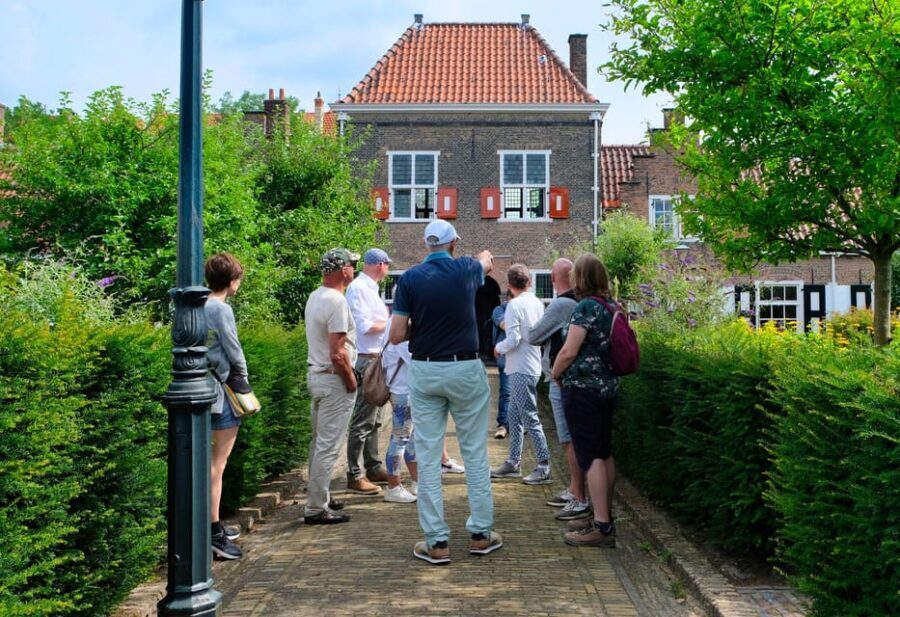
If you’re already planning a trip to Zaanse Schans, this is the kind of stop that makes the day better without eating it. Zaandijk is nearby, and the workshop is in a small artisanal setup where the focus stays on making chocolate—not on performance.
The value here is the pacing. You don’t wander around for ages, and you’re not stuck listening while nothing happens. You’re close enough to smell roasting cacao, see what’s being processed, and taste what comes next. That matters because chocolate is all about tiny changes—time, temperature, grind size, and even how the chocolate is tempered.
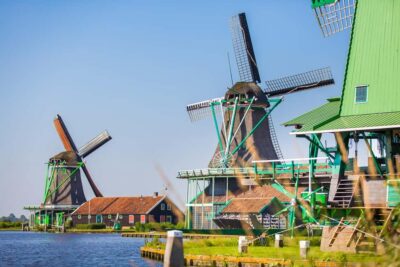
And the location helps. I like that it’s practical to combine this with a longer walk/photography session at Zaanse Schans. You can do the workshop first while you’re fresh, then shift to the windmills and historic streets with a new appreciation for the ingredients.
You can also read our reviews of more tours and experiences in Zaandijk.
Finding Kin & co: what to look for at the green-roof meeting point
Before you go, do yourself a favor and plan how you’ll recognize the place. The meeting point is described clearly: look for the pitched green roof and the door marked Kin & co, with window decals that say Chocolade and from Bean to Bar (plus cacao, sugar, love & you).
That signage is useful because the atelier is small and close to the historical Zaandijk area. If you’re the type who likes to arrive early and avoid stress, aim to be there a few minutes before your slot so you can settle in and start with zero rushing.
Practical note: you’ll be in a working space. Wear shoes you don’t mind in a workshop environment, and remember bare feet aren’t allowed.
What happens in the 45 minutes: the real bean-to-chocolate flow
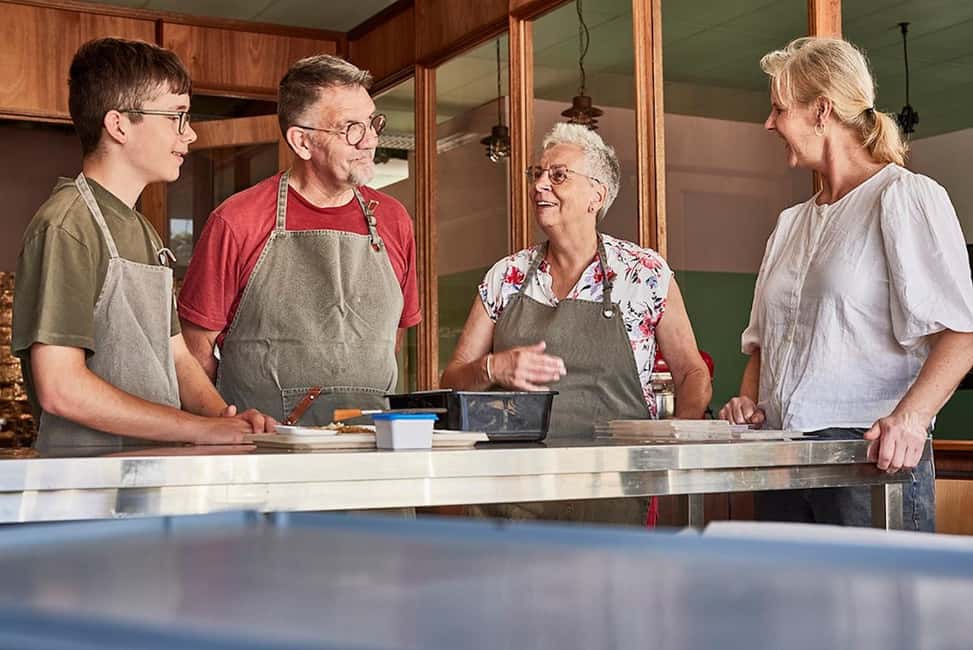
This demo is structured so the steps make sense in order. You start with roasting cacao beans, then move through the transformation steps that turn them into chocolate. Because the atelier is semi mechanized, you can follow the logic even if you don’t know anything about chocolate production.
Here’s the flow you should expect:
1) Roasting the cacao beans
You begin with roasted beans and learn how roast level affects flavor. This is the first moment where you can tune in as a taster, not just a viewer.
2) Winnowing
Then you get to operate a winnowing machine. This step separates parts so you end up with material that can be ground into a smoother base.
3) Grinding and related processing
Next comes grinding and the steps that develop chocolate texture and flavor. You’ll see how the bean becomes something that looks and behaves like real chocolate ingredients rather than whole cacao.
4) Tempering
Tempering is part of what makes the finished chocolate set correctly. The workshop explains what’s happening and why this step matters for the final result.
5) Tastings throughout
You taste intermediate products as well as finished chocolate, which is the best way to understand how the same starting ingredient evolves.
6) A sweet finish (sometimes with hands-on truffles)
In some sessions, you also make your own Dutch truffle at the end. You may even get a sample of juice from the cacao flesh, depending on the session.
One more point: instructors also share stories about cacao heritage in this area linked to the river Zaan. That context makes the demo feel grounded in place rather than generic chocolate content.
Roasting: where flavor starts and your palate gets involved
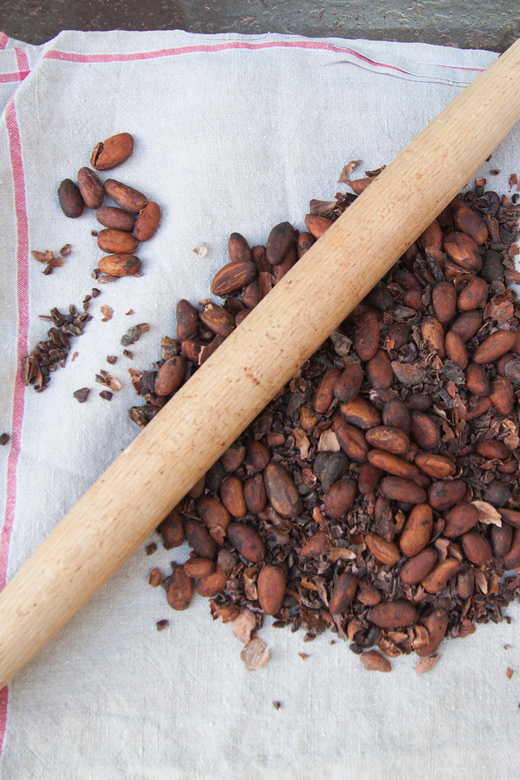
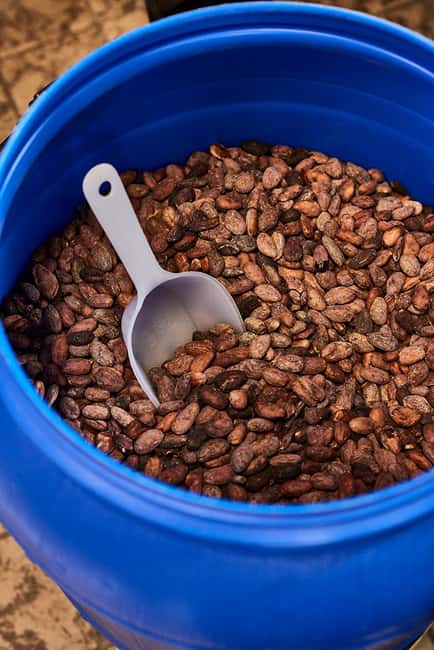
Roasting is where chocolate goes from raw ingredient to aromatic potential. In this atelier, roasting isn’t treated like a background step. You’re encouraged to determine what level of roasting you think is best, which is a simple way to practice tasting logic.
Why it’s valuable: once you understand roast level, it becomes easier to explain chocolate differences later—why some bars taste more nutty or caramel-like while others come across more intense or bitter. If you’re a chocoholic, you’ll probably notice how roast changes smell first, then taste.
This is also where you should lean in with curiosity. When roasting is happening, you’ll be able to smell it. That sensory cue helps you connect the stage you’re watching with the stage you’ll later taste.
If you like tours that teach through food behavior rather than facts on a card, this part will feel satisfying.
Winnowing and grinding: the steps that sound technical but stay understandable
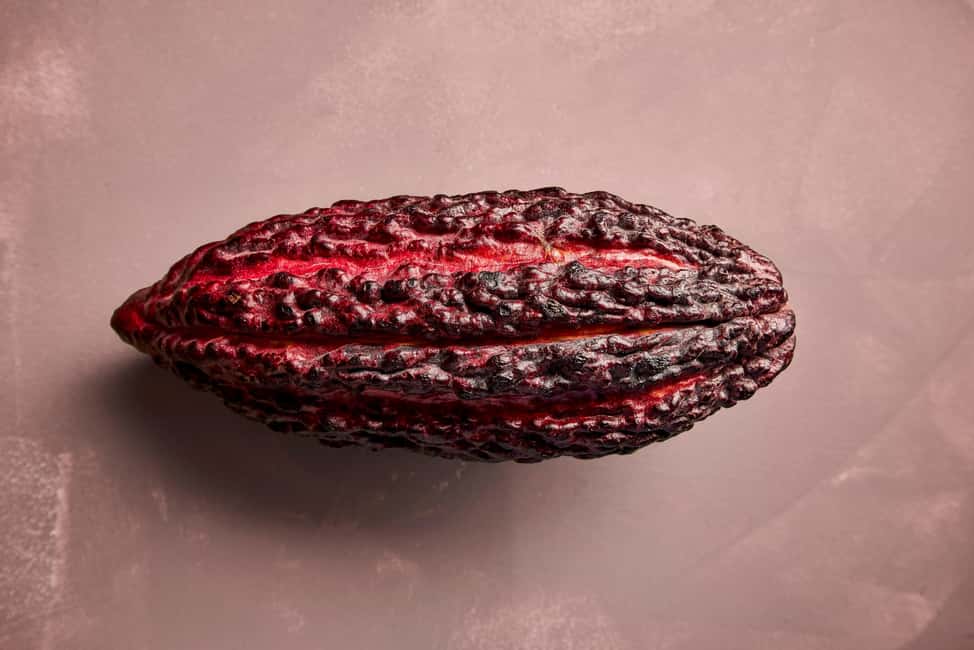
Winnowing is one of those words you might hear in food production and think, sure, that’s important, but what does it look like? Here’s the good news: you get to operate the winnowing machine. That makes it clear how the process strips away what shouldn’t be in the final base.
After that comes grinding and further processing. This is where cacao transitions from something you’d recognize as a bean/part to something that behaves like chocolate-making material. The workshop is semi mechanized, so you don’t need to guess what’s happening offstage. You can see the work being done.
One thing I’d watch for in your own experience: pay attention to texture as the material changes. Grinding and related steps affect mouthfeel, and mouthfeel affects how strongly flavors seem to show up.
This is the stage where many people realize chocolate isn’t one ingredient—it’s a series of choices.
Tempering: how the finished chocolate gets its look and snap
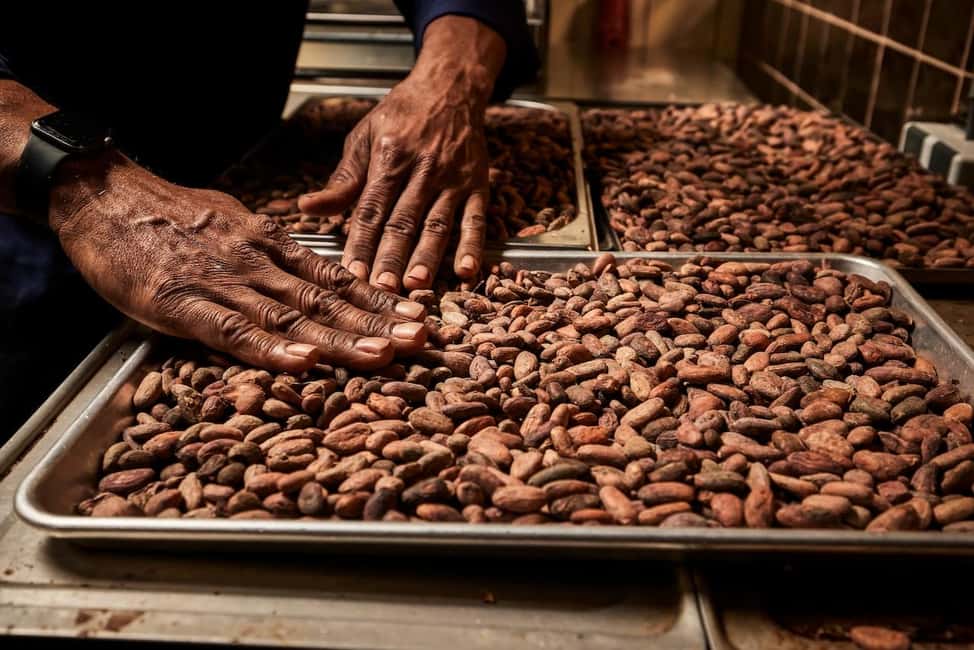
Tempering can sound like jargon, but the workshop treats it as practical. This is the step connected to the final chocolate’s structure—things like shine and how the chocolate sets.
The reason tempering deserves attention is that it’s not only about taste. Tempering affects the chocolate’s behavior when you break it or bite into it. You’ll get to taste the finished products after the tempering stage, so you can connect instruction to a real sensory outcome.
If you’ve ever had chocolate that seemed soft, streaky, or less pleasant in texture, tempering is usually the underlying issue. Knowing that this step is part of the demo makes you understand why “same bean” doesn’t always mean “same chocolate.”
Tastings that actually teach: intermediate samples and finished chocolate
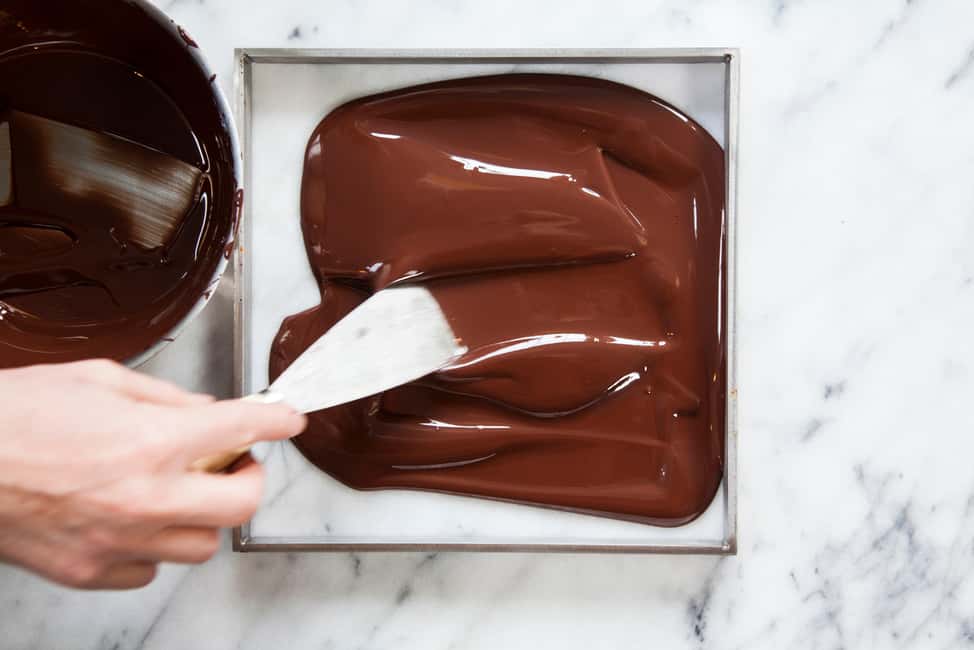
I like tasting experiences when the samples are linked to what you just saw. That’s the strength here. You taste intermediate and finished products, so your brain naturally creates a timeline of flavor.
You’re likely to notice differences such as:
- how roast influences aroma even before you reach the finished bar
- how grinding changes the character of what you taste
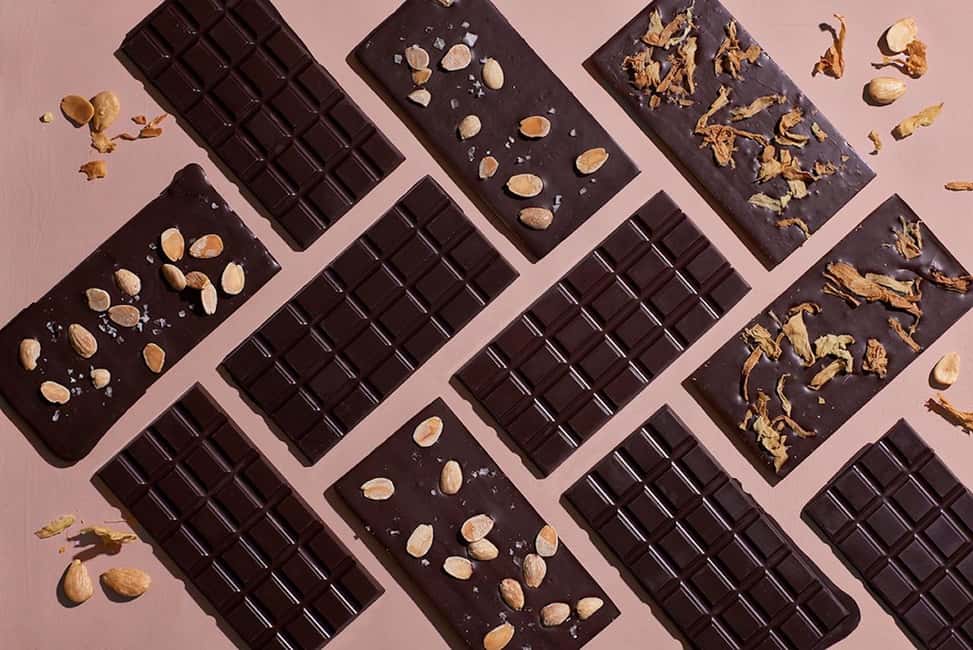
- how tempering leads to a better set and a more satisfying bite
And in some sessions, you might even taste juice from the cocoa flesh. That’s a fun curveball because it reminds you cacao isn’t just beans. It’s a whole fruit, and the flesh has its own flavor story.
Tasting is also where the workshop becomes personal. You might love a particular stage more than the finished product, which tells you what kinds of flavors you truly like.
Cacao heritage of the river Zaan and fair sourcing you can feel good about
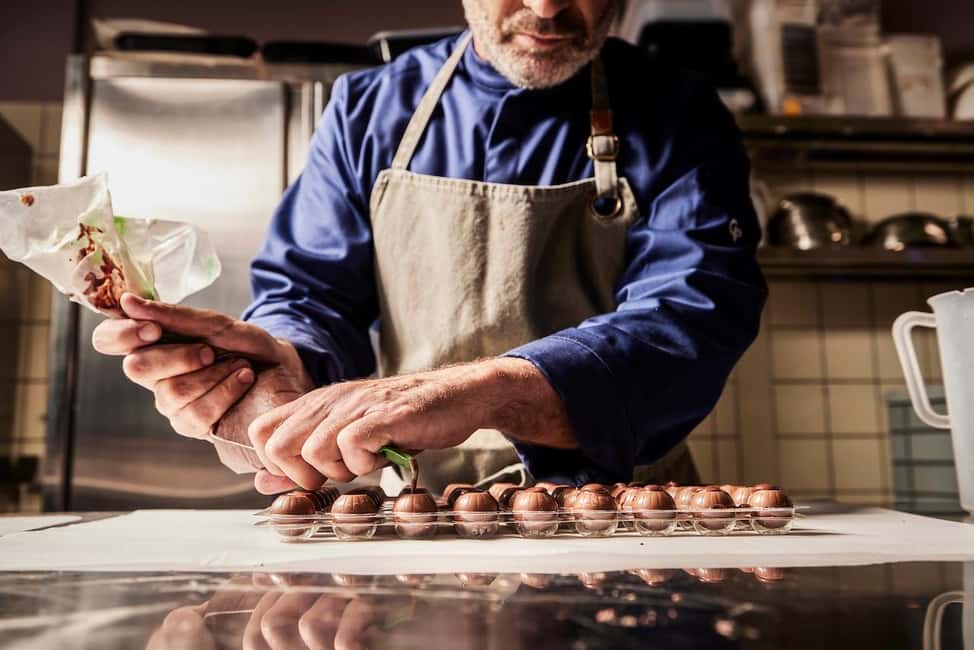
This workshop ties cacao to the river Zaan area and explains local heritage tied to making and trade. Even if you only catch the core story, it gives context: chocolate didn’t arrive into Europe as one clean product. It arrived through networks, labor, and changing technologies over time.
The atelier also explains bean sourcing. Their cacao beans come from local cocoa suppliers who ensure local growers get fair prices for their product. The workshop connects that to quality and richer flavor. I don’t treat that as a marketing claim that replaces tasting; I treat it as a reason to ask better questions about where your ingredients come from.
If you care about food ethics and ingredient origins, you’ll appreciate that the story is connected to the product you’re eating—not separate from it.
The instructor matters: what to expect from different language sessions
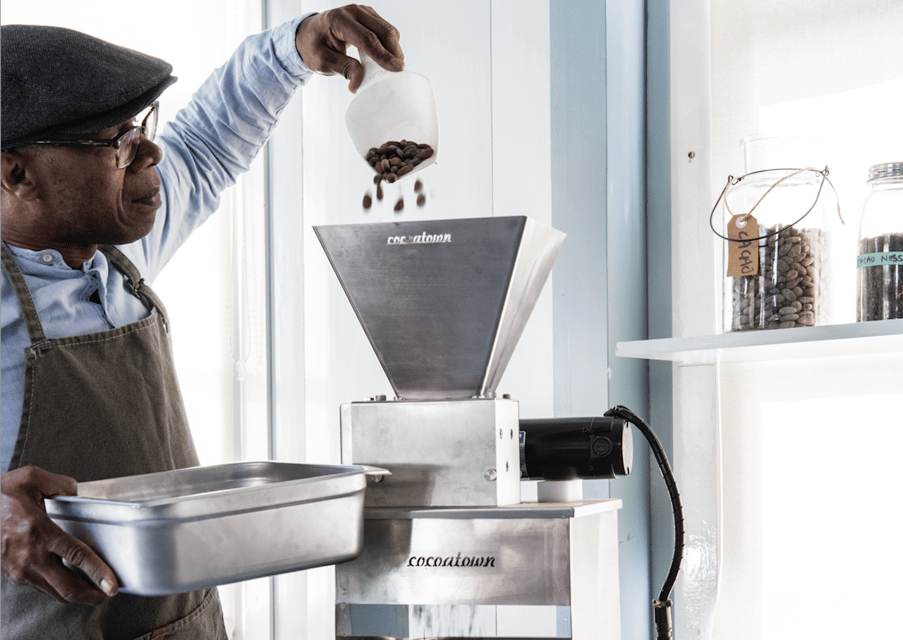
The workshop can run with instructors who speak English, Dutch, Portuguese, and Spanish. One review specifically mentioned a session led by Ingmar, with fluent Dutch and English, and a pace that allowed time and questions.
So what does that mean for you? It means you can get more out of the experience if you’re comfortable asking simple, direct questions like how a roast level decision is made, or why tempering is so crucial. The format is set up for that kind of interaction, especially since the group size tends to allow room for questions.
If you’re traveling with a friend and you each have different preferences—one likes darker chocolate, the other prefers milk—you’ll still get value because you’re tasting multiple stages. The guide’s explanations help you map your personal preferences to the production steps.
Logistics that affect your comfort: timing, rules, and pacing
The experience is listed at 45 minutes. In practice, the tasting and questions can stretch it close to about an hour depending on the session and how much you participate. Either way, it’s short enough to fit neatly between other plans.
A few rules are worth noting so you don’t get caught off guard:
- No alcohol and drugs
- Bare feet aren’t allowed
That’s typical for a small working space, but it does affect the vibe. The workshop stays focused on learning and tasting, not on partying your way through chocolate.
Also, plan for sensory intensity. Roasting cacao smell can be strong in the best way. If you’re sensitive to odors, it’s still usually manageable, but be aware the demo includes aroma moments.
Price and value: is about $29 worth it?
At about $29 per person, the question isn’t whether you’ll taste chocolate—you will. The real question is what portion of that price goes toward learning and hands-on moments versus just eating.
Here’s why I think the value can be solid:
- You get a guided, step-by-step demo of how cacao becomes chocolate, not just a general description.
- You taste intermediate products, which increases the teaching value per euro/dollar.
- You may get hands-on time with the winnowing machine.
- Some sessions include a Dutch truffle making step and sometimes even cocoa flesh juice tasting.
Is it cheap? No. But you’re paying for access to a working, semi mechanized atelier and for the “bean-to-bar” process being explained in real time. If you’re the kind of person who buys one fancy bar and regrets not understanding it, this workshop is the antidote.
One thing to watch: if you’re budgeting tightly, ask ahead whether your specific slot includes the extra truffle-making component. The demo is clearly the core. The add-on sweetness is where value can vary by session.
Who should book (and who should skip)
This is a great fit if:
- you love food experiences that teach through tasting
- you want to understand what roasting, winnowing, grinding, and tempering actually do
- you’re already doing Zaanse Schans and want a nearby, smart companion activity
- you enjoy small-group dynamics and chances to ask questions
You might hesitate if:
- you want a long, multi-hour workshop with deeper hands-on practice throughout
- you dislike tasting events or prefer only finished products
- your schedule can’t handle being in a working atelier setting
If you’re a chocoholic, though, this one makes sense. You’ll come away with more than sweetness—you’ll come away with a mental map of the process.
Should you book this Zaandijk chocolate demo?
Yes, I’d book it if you want real context for the chocolate you eat and you’re in North Holland with time to combine it with Zaanse Schans. The short duration is a feature, not a bug, because you get a complete sequence: roast, winnow, grind, temper, taste.
If you’re on the fence, use this simple checklist:
- Are you curious about how production steps change flavor and texture?
- Do you enjoy tasting multiple stages, not only the finished bars?
- Can you fit about 45 minutes (or up to around an hour with questions)?
If you said yes to most of those, then you’ll likely leave with new favorites and better instincts for choosing chocolate later.
FAQ
FAQ
How long is the chocolate making demo and tasting?
It lasts about 45 minutes.
Where is the meeting point for the workshop?
Meet at the pitched green roof with the door labeled Kin & co. The windows have decals that include Chocolade and from Bean to Bar.
What language(s) is the instructor able to speak?
The instructor can speak English, Dutch, Portuguese, and Spanish.
What does the experience include?
You’ll get demonstrations of the full chocolate-making process, product tastings, and stories about cacao heritage in the area.
Will I taste chocolate during the workshop?
Yes. You’ll taste intermediate products and finished products as part of the demo.
What process steps are demonstrated?
The workshop includes roasting cacao beans, winnowing, grinding, and tempering steps.
Is the workshop near Zaanse Schans?
Yes. It’s located in Zaandijk close to Zaanse Schans, making it easy to combine the two.
Are there any rules about food or drink during the workshop?
Alcohol and drugs are not allowed.
Are there any rules about footwear?
Bare feet are not allowed.
What is the price?
The price is listed as $29 per person.