REVIEW · AMSTERDAM
Amsterdam 90 minutes Canal Cruise with bar and snacks on board.
Book on Viator →Operated by Captain Jack Amsterdam · Bookable on Viator
Amsterdam’s canals are best seen from water.
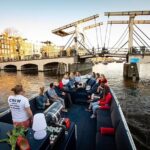
This 90-minute ride on a quiet electric boat gives you an easy loop through the city’s famous canal ring, with a live guide sharing culture and history as you go. I like that the boat is small and comfortable, so you get good views without the chaos you see on bigger vessels. I also like the onboard bar for a relaxed, flexible cruise—grab a drink whenever you feel like it. The one thing to keep in mind is that weather can affect the open-vs-closed boat setup and what you can clearly see from the water.
You’ll start near the canal-world heart of Amsterdam and float past the places that shape the city’s look: the UNESCO-listed canal belt, iconic bridges, and landmarks like the Rijksmuseum area. Along the way, the guide keeps the story moving in plain, practical terms, from why the canal ring was built in the Dutch Golden Age to what life on the water looks like today. If you’re expecting a museum-level lecture at every stop, you might find it more like an engaging city orientation than a nonstop history class.
In This Review
- Key Things That Make This Cruise Worth Your Time
- From Central Station to the Canal Ring: The Ride That Sets Your Bearings
- Grachtengordel Basics: Why the Canals Look the Way They Do
- The Rijksmuseum Docking Moment: Art You Can See Without Entering
- Jordaan and Prinsengracht: The Canal Neighborhood That Feels Lived-In
- Bridges and Water-Level Icons: Magere Brug, Wooden Promises, and Amstel Connections
- Churches, Opera, and Museums: The City’s Formal Side Seen at a Glance
- A Soft Spot for Houseboat Life, Homegrown Culture, and Night-Ready Canals
- Food, Drinks, and the Snacks Question: How to Plan Your Time On Board
- Price and Value: Why $24.19 Can Be a Good Deal
- When This Cruise Works Best (and When to Skip It)
- Should You Book This Amsterdam 90-Minute Canal Cruise?
- FAQ
- How long is the canal cruise?
- Is the boat open or closed?
- Is the tour in English?
- Are drinks and snacks included?
- What’s the group size?
- Do I need a printed ticket?
Key Things That Make This Cruise Worth Your Time
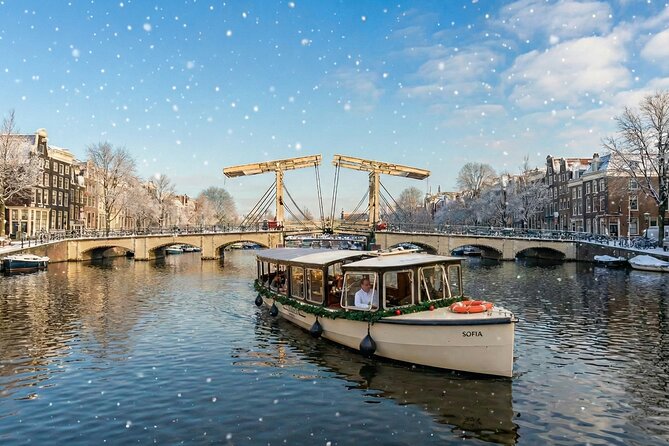
- Electric boat comfort: quieter ride and easy seating for photos.
- Small group feel (up to 24): more personal attention and better viewing angles.
- Live English guide stories: history and culture tied to what you’re seeing outside the windows.
- Iconic canal-ring landmarks: bridges, UNESCO canals, and famous museum frontages from the water.
- Onboard bar for adults: you can buy drinks (alcoholic or non) during the cruise.
- Weather-ready extras: blankets and umbrellas are available if you need them.
From Central Station to the Canal Ring: The Ride That Sets Your Bearings
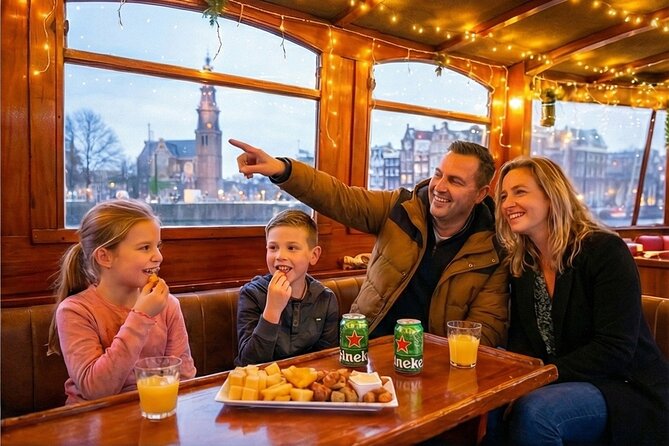
This is the kind of Amsterdam activity that helps everything else make sense. You’re not stuck walking the same flat streets and hoping you picked the right direction. Instead, you glide through the canal-ring neighborhoods that define the city’s “how is this all connected?” feeling.
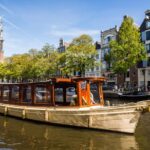
The boat uses an electric motor, so the ride is smoother and less noisy than the big, older-style canal cruisers. That matters because Amsterdam’s best detail isn’t just what you pass—it’s how the buildings, bridges, and houseboats line up at water level. If you get seats that face the view well, you’ll get a lot of postcard framing without fighting crowds.
You’ll also notice the cruise is timed for comfort: about 90 minutes is long enough to pick up the main geography (canals, bridges, waterfront landmarks) but short enough that you can still do a museum or a neighborhood stroll afterward.
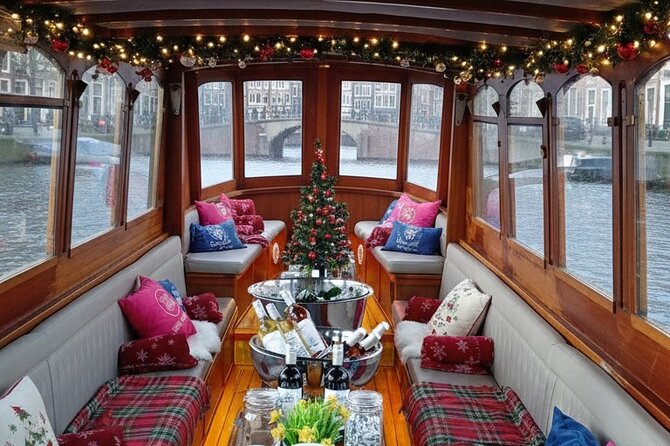
One practical thing: your experience can shift a bit with weather. In colder months, it’s closed and heated, while other seasons may be open. If it’s raining, you’ll want your layers—umbrellas and blankets are provided, but the air can still feel damp if you stay out in light mist for a while.
You can also read our reviews of more tours and experiences in Amsterdam.
Grachtengordel Basics: Why the Canals Look the Way They Do
Amsterdam’s canal story is not random. The city’s main canals—Herengracht, Prinsengracht, and Keizersgracht—were dug in the 17th century during the Dutch Golden Age, and they form concentric belts around the center. This canal belt is part of what UNESCO recognizes as the 17th-century canal ring area.
When you hear this out loud on the water, the city starts to click. The canals weren’t just for transport—they were built as an urban plan with power, wealth, and status built into the design. You’ll pass by monumental buildings along the way (the city description includes the scale: around 1,550 notable buildings along these canals), and from the boat you can actually see how the waterfront architecture creates a continuous “stage.”
The guide usually ties the shapes and names into daily life. For example, you’ll hear that Amsterdam’s waterways were shaped by centuries of expansion, including how different canal segments developed at different times. That’s the kind of detail that makes a later walk around the same areas feel like you’re reading a map you didn’t know you had.
The Rijksmuseum Docking Moment: Art You Can See Without Entering
One of the most satisfying parts is how the cruise gives you a clean, direct view of the Rijksmuseum area. You dock right in front of it, so you can really look at the building and orient yourself for future museum time.
From the water, the Rijksmuseum doesn’t feel like a distant monument. It becomes part of the canal perspective—straight lines, waterfront edges, and the way the museum sits in the broader Museumplein zone. The classic detail mentioned on the cruise is the famous Rembrandt painting called De Nachtwacht (Night Watch). Even if you don’t go inside, that reference gives you a hook for what you’ll likely recognize later if you visit.
This is also a good moment for photos. The seating design is set up so you can photograph from different angles without blocking your view, which is a big deal on a moving boat.
Jordaan and Prinsengracht: The Canal Neighborhood That Feels Lived-In
The cruise centers a lot on the Jordaan area, which is where the flagship tour starts and ends. Jordaan is the kind of neighborhood that feels human-scaled—narrower streets, canal-side houses, and lots of corners to wander after your cruise.
One of the strongest “why this matters” sections is the Prinsengracht story. The canal is tied to the 17th-century development plan and city expansion phases, but it also ties into neighborhood identity. The cruise includes explanation of the canal name connection and the broader idea that the Jordaan neighborhood name has been linked to older terms and stories.
You’ll also get a view of houseboat life. The cruise goes along with the houseboat museum on the Prinsengracht, which gives you a direct sense of how Amsterdam residents actually live on the water—not just as an attraction, but as a real home format. This is one of those experiences kids often enjoy too, because it’s concrete: you can see decks, windows, and how boats become neighborhoods.
Bridges and Water-Level Icons: Magere Brug, Wooden Promises, and Amstel Connections
Amsterdam’s bridges are not background. From the canal, they become plot points—each one has a story, and the stories change the way you look at the city.
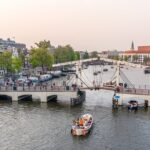
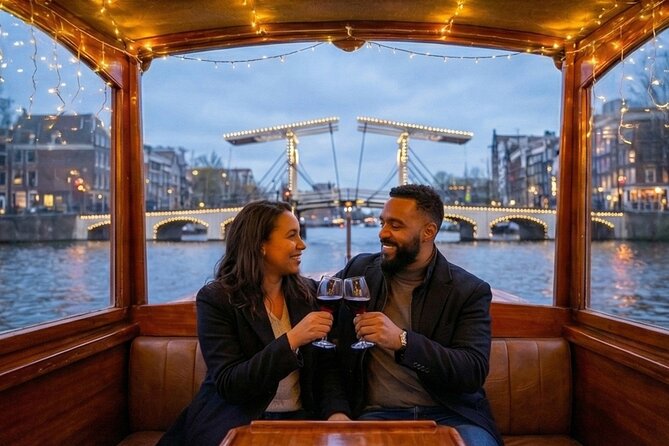
You’ll pass the romantic wooden drawbridge known as Magere Brug, also nicknamed the Skinny Bridge. There’s an easy legend attached to it (the idea of kissing under or on top of the bridge), but the practical history is what makes it click: it was narrow enough that it wasn’t easy for two pedestrians to pass, which led to changes when traffic needs grew. From the water, you can see why a narrow drawbridge would have mattered so much.
The cruise also connects you to the Amstel river side of the picture. The Amstel is described as the biggest canal-like waterway in the city system, and it ties to the city’s origin story: a dam built across the water is connected to why Amsterdam took its name. If you’ve been wondering why the river feels so foundational, this is the moment to remember it isn’t just scenery—it’s the reason the city is arranged around water in the first place.
You’ll also spot historic bridges like Blauwbrug (Blue bridge), which connects areas around Rembrandtplein and Waterlooplein. The key value here is that bridges are like shortcuts in your mental map. After the cruise, you’ll likely find yourself orienting by bridge names and canals, which saves time later.

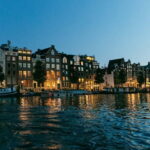
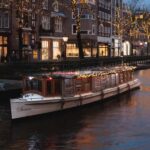
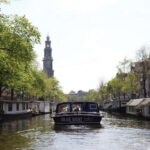
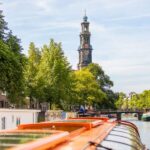
Churches, Opera, and Museums: The City’s Formal Side Seen at a Glance
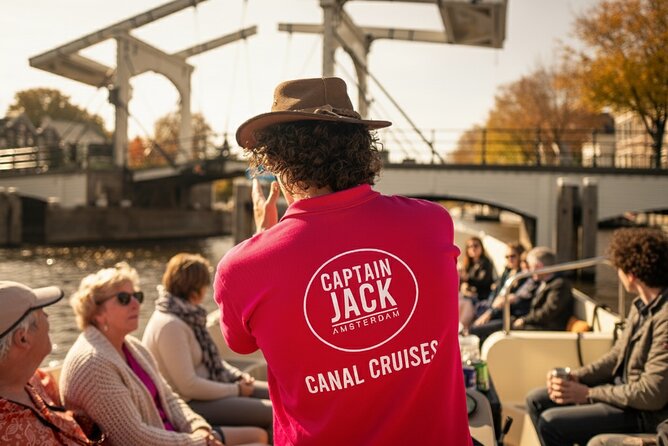
From canal height, Amsterdam’s churches and theaters look both impressive and strangely personal. You catch details without needing to stand in front of a building for a long time on foot.
The cruise route includes the area where the Rijksmuseum can be seen from the Spiegelgracht side, and it also references church landmarks such as Duifkerk (De Duif). The story told around Duifkerk includes its 19th-century origins and later restoration work after years of decay, including murals reappearing under layers of paint. Even if you never stop for a close look, the explanation helps you recognize it as part of the city’s repair and survival narrative.
You’ll also get church views around the Westerkerk and the Zuiderkerk areas. They’re not identical twins—different Protestant design histories, different neighborhoods, different roles in the wider canal belt—so the guide’s linking of location and background helps you avoid treating every church as the same Amsterdam postcard.
Then come the performance buildings. The route mentions Royal Theatre Carré (Koninklijk Theater Carré) near the Amstel river and the nearby opera complex. If you’ve got an evening planned in Amsterdam, seeing these buildings from the canals gives you a useful mental anchor. You’ll know what neighborhood you’re in and how the Amstel-side venues sit relative to central streets.
A Soft Spot for Houseboat Life, Homegrown Culture, and Night-Ready Canals
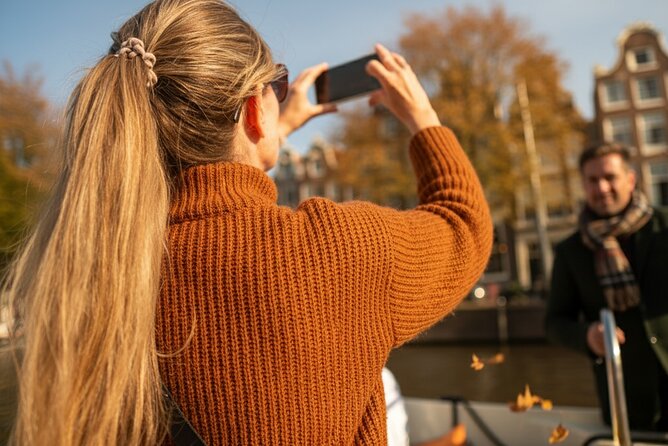
Not every Amsterdam canal story is about grand art museums. One highlight of this cruise is how it balances big names with everyday style.
You float past the Prinsengracht houseboat museum, and that alone shifts your perspective. Instead of thinking of canals as a scenic route, you start to see them as a living infrastructure. That’s useful if you’re later looking for neighborhoods beyond the most tourist-heavy streets.
The cruise also references areas tied to music, clubs, and late-night energy, including the Leidseplein orbit and venues like Melkweg, which is known as a pop venue and cultural center. Even if you don’t attend a show, it’s helpful to know where the city’s music energy concentrates, because Amsterdam’s best evenings often come from being in the right pocket of town.
And yes, there’s a sense of fun built into the cruise style. People often describe their captains as entertaining, with jokes that never feel forced. In the feedback, names like JP, Dan, Eric, Hans, Sanne, Erik, Paulo, Jeff, Naut, Mickey, and Oliver show up frequently as the skippers guiding the stories. You won’t know which one you’ll get ahead of time, but the pattern is clear: the ride works best when the guide keeps the mood light while still pointing out what’s important.
Food, Drinks, and the Snacks Question: How to Plan Your Time On Board
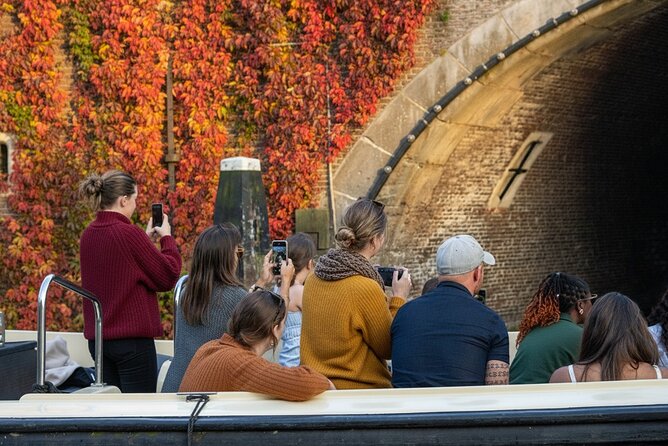
The big win here is that there’s a fully stocked onboard bar, and you can buy drinks during the cruise. The tour info says alcohol beverages are not included, but they’re available for purchase, along with non-alcoholic options.
As for snacks, the details you provided are inconsistent: snacks are listed as not included, but the experience descriptions and comments mention small bites like cheese and sweet Dutch treats. Since you shouldn’t gamble on luck, here’s my practical approach: treat snacks as a bonus, not a guarantee. If food is important to your comfort, eat before you board or plan to buy something if that option is offered on your specific departure.
The bar is also a nice way to make the cruise feel like a proper evening activity, especially in seasons when the sky changes and Amsterdam starts reflecting on the water.
And if you’re worried about comfort in rain, remember umbrellas and blankets are provided. Many Amsterdam boats are “barely weatherproof,” but here the cruise specifically notes those add-ons.
Price and Value: Why $24.19 Can Be a Good Deal
At about $24.19 per person for roughly 90 minutes, this isn’t a bargain price like a public ferry, but it can still be a smart spend if you treat it as city orientation.
Here’s the value math I use in Amsterdam:
- If the cruise helps you understand where neighborhoods connect, you save time and avoid wrong turns later.
- If the boat time is comfortable and the seating works for photos, you get a lot of return from a single ticket.
- If you can buy a drink on board, you’re turning transport into a relaxed experience rather than a chore.
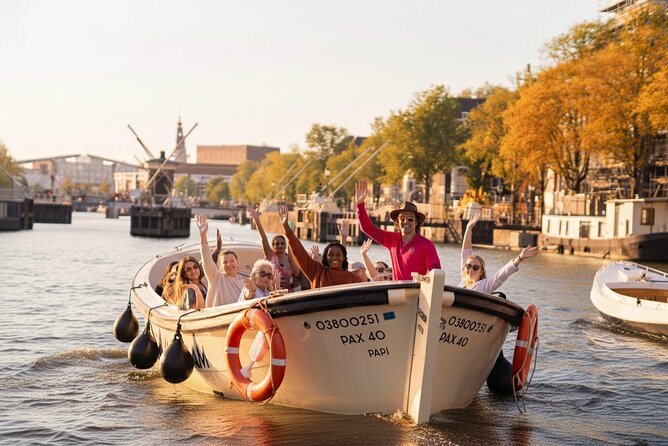
The cruise also has a small maximum group size (up to 24), which helps. Bigger boats often turn into a crowd and a shuffle. Here, the structure is designed so you don’t feel constantly blocked.
Still, there’s one fairness point: this is not a full walking tour substitute. One comment called it a basic boat ride and suggested a guided historical walking tour instead. So if you need heavy commentary at every stop, you might want to pair this with a separate history-focused activity on land.
When This Cruise Works Best (and When to Skip It)
This cruise is a great fit if:
- You want a low-effort way to see Amsterdam’s canal belt.
- You’re traveling with kids and want a short outing that still feels special.
- You want art and architecture views without sprinting between museum lines.
- You like live stories delivered at a pace that doesn’t require note-taking.
It may feel less satisfying if:
- You’re looking for nonstop, deep historical narration like a private lecture.
- You’re expecting to physically visit lots of locations. This is mostly a view-from-the-water experience.
- Weather is poor on your chosen day and affects the open-boat experience. The cruise notes weather dependence and adjusts the boat type.
If you want the best of both worlds, do this cruise early in your trip for bearings, then hit museums or neighborhood walks with more confidence.
Should You Book This Amsterdam 90-Minute Canal Cruise?
Yes, you should book if you want an efficient, comfortable way to understand Amsterdam’s canal system and neighborhoods in under two hours. The combination of electric boat comfort, a live English guide, and iconic canal-ring sights makes it a strong first-time Amsterdam choice. It’s also a good way to balance art (Rijksmuseum area views) with real-life canal living (houseboat museum views).
Skip it only if you know you need a dense history lecture format, or if you prefer to control every stop on foot. In that case, pair your day with something more immersive on land.
FAQ
How long is the canal cruise?
It’s about 90 minutes.
Is the boat open or closed?
It depends on weather. In winter, it uses a closed and heated boat. In other conditions, it may be open.
Is the tour in English?
Yes, it’s offered in English.
Are drinks and snacks included?
Alcoholic beverages are not included, but you can buy (non)alcoholic drinks onboard. Snacks are listed as not included, so you shouldn’t count on them being guaranteed.
What’s the group size?
The maximum group size is 24 travelers.
Do I need a printed ticket?
No. You’ll use a mobile ticket.