REVIEW · AMSTERDAM
Amsterdam: Make your cheese next to De Hallen
Book on GetYourGuide →Operated by De Kaasserie · Bookable on GetYourGuide
If you love food crafts, this hits the right nerve. I really like that it’s hands-on from the start and not just watching. I also love the clear contrast between acid-curd and rennet-curd cheese, then you get a tasting to lock in what you made.
You should know one possible drawback: you’ll need to pay attention and move carefully during the process, because this workshop is designed for adults and it’s not a drop-in style experience. Also, no coffee or alcohol is included, so plan on bringing or buying your own if that matters to you.
In This Review
- Key highlights worth your time
- Cheese workshop at De Kaasserie: hands-on from minute one
- The core lesson: acid-coagulated vs rennet-coagulated cheese
- Your curds, your choices: spices and herbs in the process
- Making two cheeses and then tasting them properly
- What you take home: two cheeses, starter supplies, and recipes by email
- Instructor-led learning in a small group (and why it matters)
- Price and value: what $135 buys you in real terms
- Who should book this cheese workshop in Amsterdam
- Should you book Make your cheese next to De Kaasserie?
- FAQ
- FAQ
- Where is the workshop meeting point?
- How long does the cheese workshop last?
- What kinds of cheese will I make?
- Will I take cheese home?
- What’s included in the price?
- Is this workshop suitable for everyone?
Key highlights worth your time
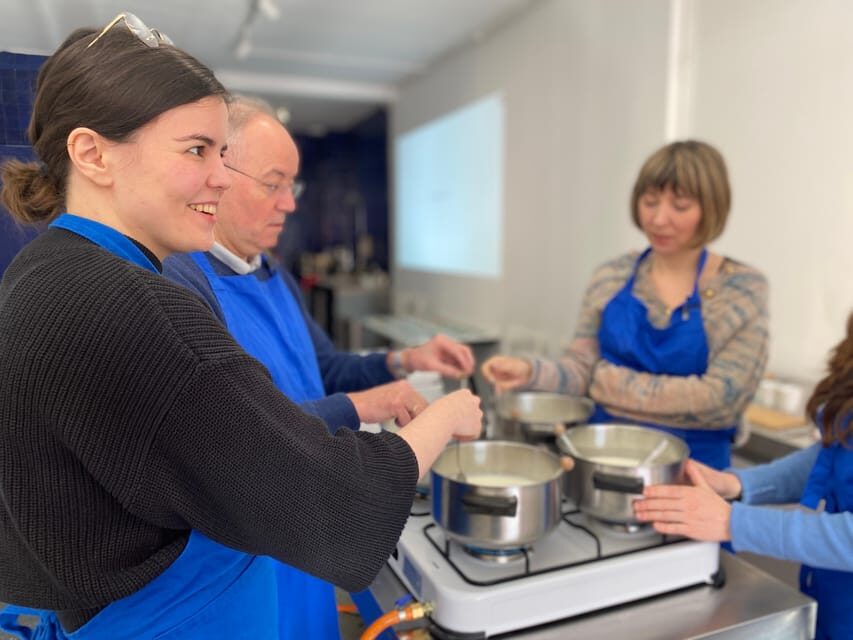
- Small group (max 10): more time with the instructor and easier help when you’re hands-on
- Two cheeses in one session: you make one acid-coagulated and one rennet-coagulated cheese
- Real flavor experiments: add spices and herbs to shape your own taste
- A guided tasting at the end: you sample your homemade cheese, including fresh and pressed styles
- Take-home supplies: you leave with two cheeses plus cloth, rennet, calcium, and recipes by email
- English, Spanish, French, Dutch: you can follow along comfortably in your preferred language
Cheese workshop at De Kaasserie: hands-on from minute one
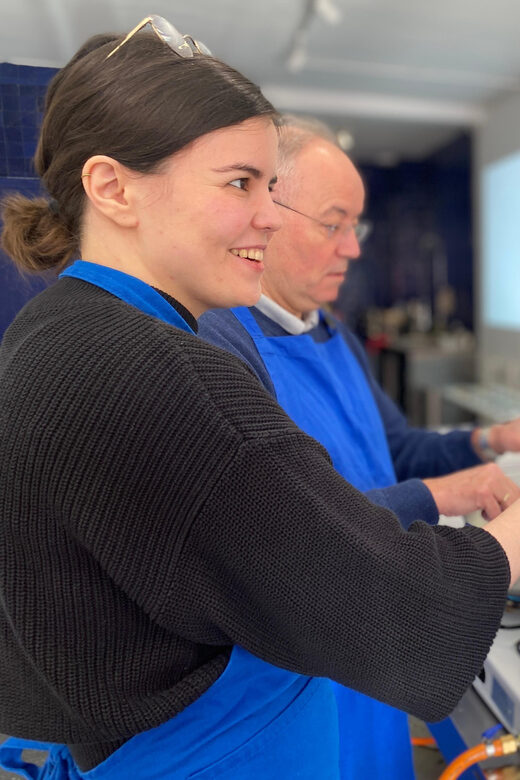
This is the kind of Amsterdam activity that doesn’t just entertain you. It gives you a skill you can reuse. You meet at De Kaasserie, and once everyone arrives you get a short intro to the workshop and how it works there. Then you get to work with ingredients right away, rather than sitting through long explanations.
The best part for me is the balance. You’re not tossed into chaos. You start with a clear presentation, then you make cheese in a structured way using supermarket milk. That matters, because it makes the whole thing feel doable at home afterward. I also like that the group stays small, capped at 10 participants, so it doesn’t turn into a noisy classroom.
One more practical note: the workshop duration is 3 hours. That’s enough time to learn the core method, make two kinds of cheese, and still sit down for a tasting. If you like food experiences that have a finish line and a takeaway, this one fits.
A few more Amsterdam tours and experiences worth a look


The core lesson: acid-coagulated vs rennet-coagulated cheese
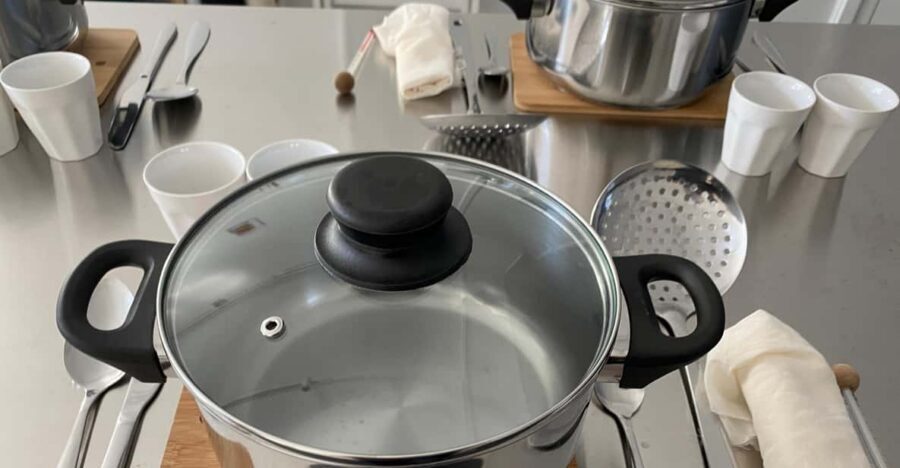
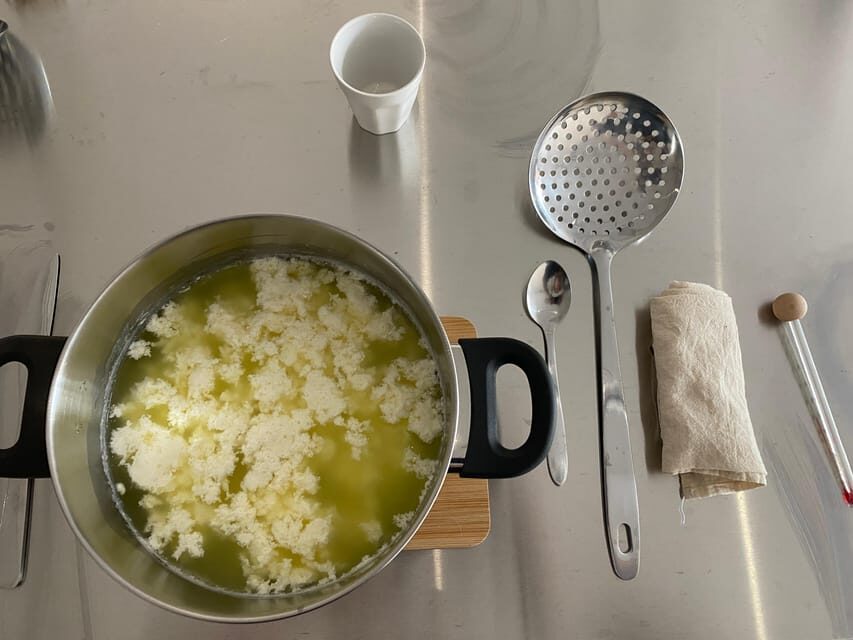
The workshop centers on a straightforward idea: milk can coagulate in two basic ways. You’ll learn about two types of milk coagulation, then you’ll actually make both styles during the session.
Here’s how it breaks down:
- You use one liter of supermarket milk to make an acid-coagulated cheese.
- You use another liter to make a rennet-coagulated cheese.
Two cartons of milk become two pieces of cheese. They’re described as fresh types, but the second method also connects to the future. You’re taught that rennet coagulation is the procedure used for aged cheese. That one detail is a big deal for what you can do next at home. You’re not only making something tasty today—you’re learning the foundation of how you’d move toward longer, more complex recipes later.
If you’ve ever been intimidated by cheesemaking, this approach helps. Instead of treating it like a mysterious craft, you get it framed as a process you can learn step by step. And because you make both methods back-to-back, you can compare what changes when the coagulation method changes.
Your curds, your choices: spices and herbs in the process
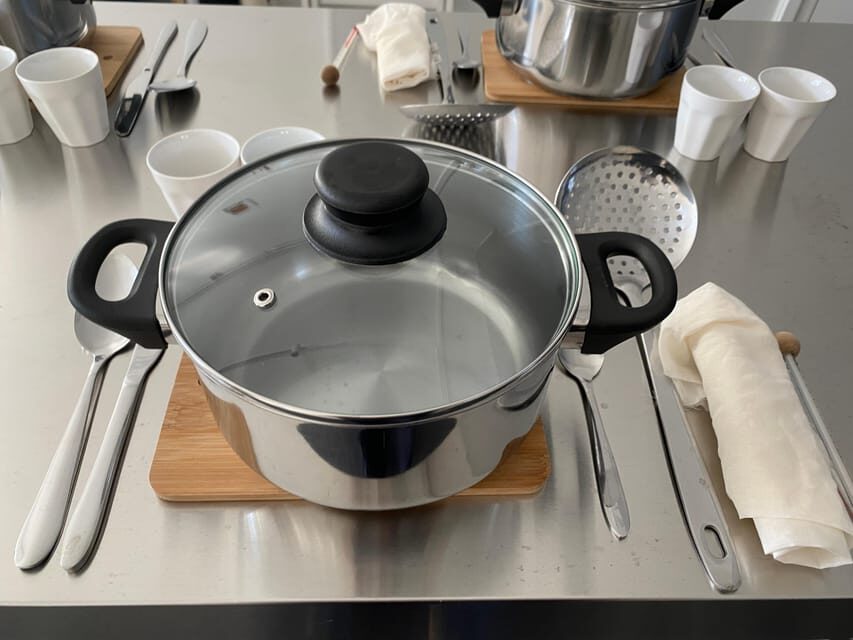
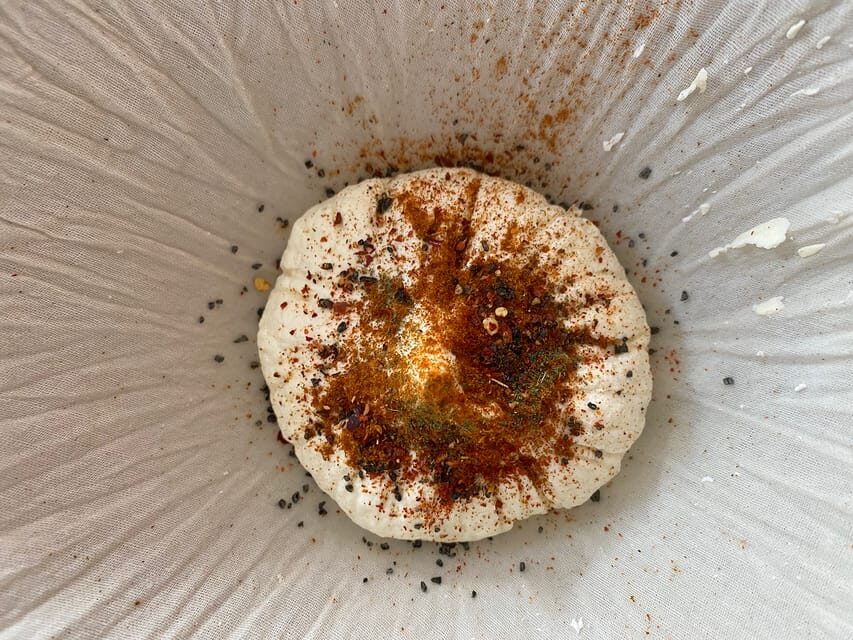
After the core steps, you get to experiment by adding spices and herbs to your cheese. This is where the experience becomes personal, not generic. Even if you’re not sure what tastes good in cheese, you’ll get a chance to try your own combinations.
This part is also useful even after the workshop ends. It’s one thing to follow a recipe; it’s another to understand how flavoring works in the process. Once you’ve made cheese once with additives in mind, it becomes much easier to imagine variations for your own kitchen.
Keep your expectations realistic: this is a 3-hour workshop, so you’re not making a long-aged wheel or something that needs weeks of patience. Instead, you’re building confidence with fresh cheeses and learning the method logic behind them.
Making two cheeses and then tasting them properly
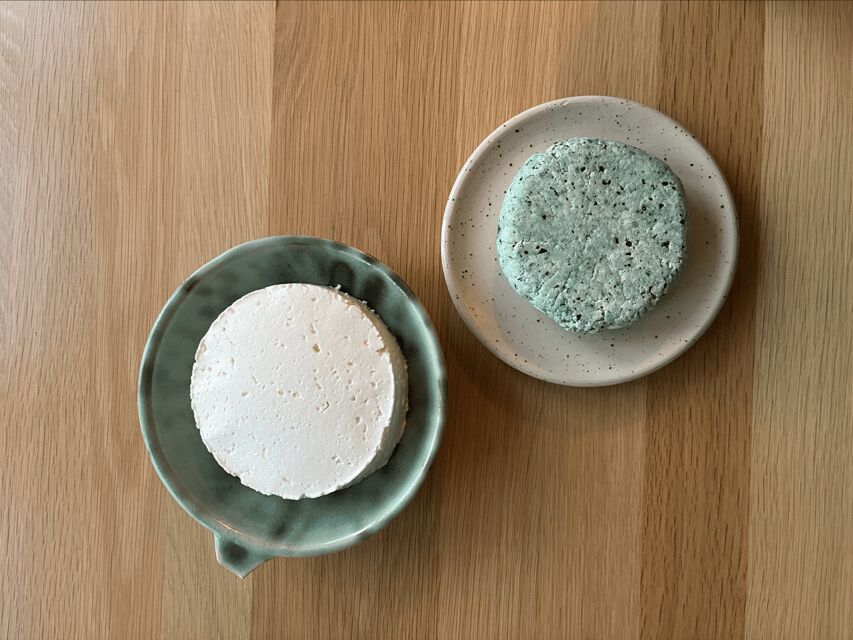
When your two cheeses are ready, the workshop ends with a tasting. You’ll enjoy a homemade cheese tasting featuring your fresh cheese and a pressed style. That tasting step is more than a nice finish. It’s how you connect the method to the result.
If you’ve made food before, you know there’s always a gap between what you did and what it means. The tasting helps close that gap. You can taste the difference that comes from choosing acid versus rennet, and you can also notice how your flavor additions landed.
I also appreciate that the tasting is included as part of the workshop plan. Some classes keep everything practical but skip the sensory payoff. Here, the cheese you made is the cheese you get to judge—right then—while the learning is still fresh in your head.
What you take home: two cheeses, starter supplies, and recipes by email
You don’t leave empty-handed. You take home your two cheeses, plus a few essential extras that make continuing at home easier:
- cheese cloth
- rennet
- calcium
- recipes via email
Those take-home items matter because they turn a one-time experience into a follow-up project. You’re not just buying a ticket to learn. You’re walking out with the tools to try again.
Also, the instruction about rennet coagulation being used for aged cheese gives you a direction for future learning. Once you’ve done the rennet method in a fresh cheese setting, it’s easier to see how you’d scale up into more complex, longer recipes later.
A quick practical thought: since the workshop provides take-home items, you’ll likely want to plan your transport and storage. If you’re heading out across the city afterward, think about how you’ll keep your cheeses in good shape on the way.





Instructor-led learning in a small group (and why it matters)
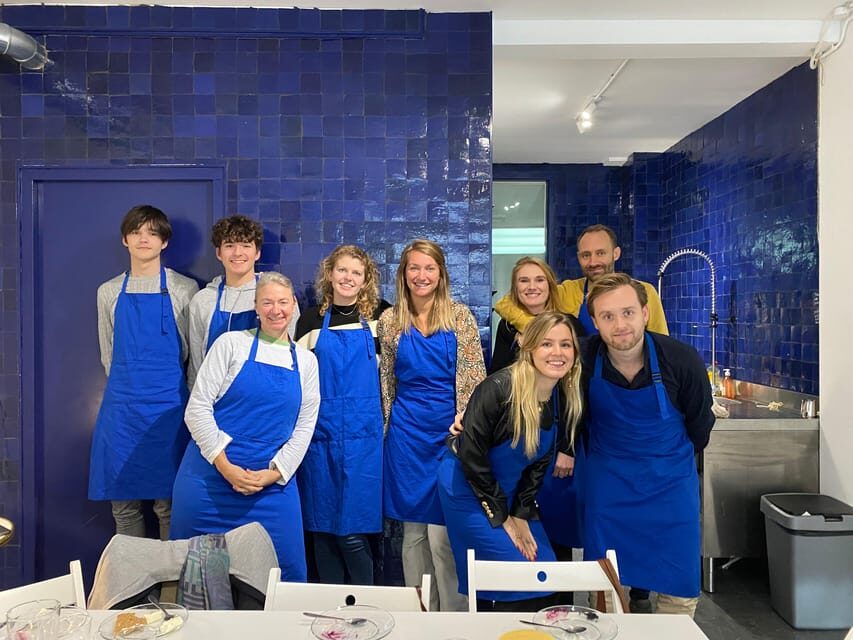
The workshop is led by an instructor available in multiple languages: English, Spanish, French, and Dutch. That’s good value, because you’re not relying on vague instructions. You can follow what’s happening at each stage without fighting the language barrier.
And then there’s the group size. Limited to 10 participants, it stays interactive. In this kind of craft class, the difference between a great and a frustrating experience often comes down to how often you can ask for help when something doesn’t look right. In a small group, you’re more likely to get the guidance you need right when you need it.
The reviews highlight that the instructor approach is personable and supportive, with a short slide presentation to get everyone aligned, then plenty of time to learn by doing. That structure is exactly what I want in a class like this: a quick setup, then real work, then a tasting that ties it together.
Price and value: what $135 buys you in real terms
At $135 per person for a 3-hour workshop, you’re paying for more than ingredients. You’re paying for:
- instruction on the two coagulation methods
- hands-on cheesemaking time
- experiments with spices and herbs
- a tasting
- take-home cheeses
- take-home supplies (cloth, rennet, calcium)
- recipes sent by email
When you look at it that way, the price starts to make sense. Cheesemaking isn’t a “just buy groceries and copy a video” hobby for most people. The instructor-guided learning helps you avoid common early mistakes and gives you enough understanding to keep going.
Also, making two cheeses from two liters of milk in one session is part of the value. You’re not making a single sample and calling it a day. You’re producing two comparable outcomes, then tasting both. That’s a more efficient learning loop than most food classes.
One caution on value: this is not a coffee-and-snack experience. If you’re someone who needs a morning coffee to function, plan ahead, because no coffee or alcoholic beverages are included.
Who should book this cheese workshop in Amsterdam
This workshop is a great fit if you want a craft that feels practical. You don’t need to be a foodie expert. If you like trying hands-on methods and getting a clear skill out of it, you’ll enjoy this.
It’s also a strong choice for:
- adults who want a different kind of Amsterdam experience than museums
- couples or friends who like structured cooking activities
- people who want to take something home that isn’t just a souvenir
It’s not suitable for:
- children under 16
- people with lactose intolerance
- people over 95
If you’re sensitive to dairy, this is a hard no based on the stated limitation. For everyone else, the workshop’s adult-focused format and small group size make it feel manageable rather than overwhelming.
Should you book Make your cheese next to De Kaasserie?
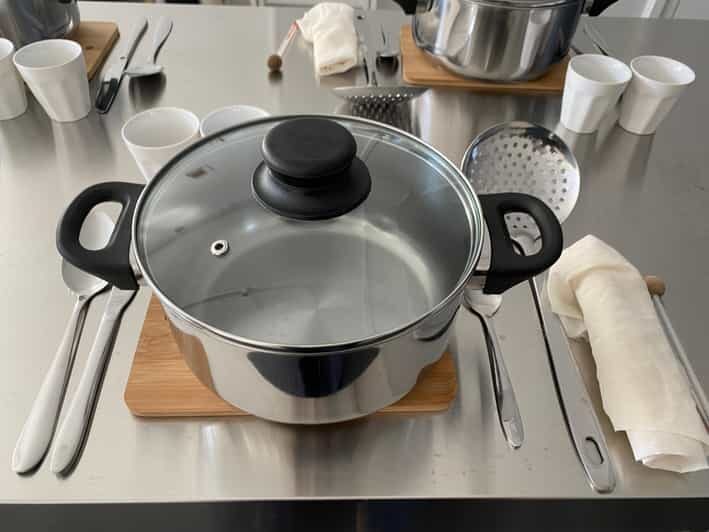
Book it if you want one session that teaches you a real cheesemaking skill with a clear “today and next time” payoff. You’ll make two cheeses using two different coagulation methods, you’ll add spices and herbs, and you’ll leave with two cheeses plus supplies and recipes. That combination is rare.
Skip it if you’re looking for a laid-back tasting-only experience. This is active, and it’s designed for participants who want to roll up their sleeves. Also, if you need included beverages to make the experience comfortable, remember that coffee and alcohol aren’t included.
FAQ
FAQ
Where is the workshop meeting point?
You meet at De Kaasserie. The exact meeting point may vary depending on the option you booked.
How long does the cheese workshop last?
The duration is 3 hours.
What kinds of cheese will I make?
You’ll make two cheeses: one acid-coagulated cheese and one rennet-coagulated cheese. The workshop also includes a tasting of homemade cheeses, including fresh and pressed types.
Will I take cheese home?
Yes. You’ll take home two cheeses and additional items such as cheese cloth, rennet, and calcium, plus recipes sent by email.
What’s included in the price?
Included are tea with an introduction to De Kaasserie, making two kinds of cheese, the homemade cheese tasting (fresh and pressed), and the take-home items plus recipes by email.
Is this workshop suitable for everyone?
It’s not suitable for children under 16, people with lactose intolerance, or people over 95. The instructor offers languages including English, Spanish, French, and Dutch.