REVIEW · AMSTERDAM
Amsterdam Walking Tour with Dutch Pancake Lunch
Book on Viator →Operated by EuroQuest Travel · Bookable on Viator
Follow the stories from Dam to dinner. In about 2.5 hours, this small-group walking tour helps you get your bearings fast, moving from big-name landmarks to quieter courtyards while your guide points out what matters. The finish is a Dutch pancake lunch that actually feels like part of the plan, not an afterthought.
I also like how easy it is to ask questions as you go, because with a group capped at 15, the guide can slow down for your curiosity. One thing to keep in mind: admission tickets are not included for some stops, so don’t assume you’ll be entering every building or paying nothing extra along the way.
In This Review
- Key highlights worth planning for
- A 2.5-hour Amsterdam walk that still feels personal
- Dam Square to Begijnhof: your shortcut to the city center’s stories
- Royal Palace, Nieuwe Kerk, and Oude Kerk: power, ceremonies, and the oldest church
- Leaning buildings, gable stones, Spui, and the floating Flower Market
- East India Company and the world’s first stock exchange
- Jewish Quarter and Chinese Quarter: history and everyday multicultural life
- The Dutch pancake lunch: why it’s more than a sweet finish
- Price and logistics: what $84.65 really buys you
- Who should book this tour (and who might skip it)
- Should you book this Amsterdam Walking Tour with Dutch Pancake Lunch?
- FAQ
- Where is the meeting point for the tour?
- How long does the Amsterdam walking tour last?
- How much does the tour cost?
- What languages are the guides available in?
- Is lunch included?
- How big is the group?
- Are admission tickets included for the stops?
- Is pickup service included?
- What is the policy if I need to cancel?
Key highlights worth planning for
- Dam Square context fast: hear why Amsterdam’s central square matters, then walk on with a clearer sense of the city
- Begijnhof courtyard calm: a quieter pocket in the middle of everything, tied to the Beguines story
- Royal Palace and Nieuwe Kerk framing: you’ll see the exterior of power and the role of royal ceremonies nearby
- Spui and the floating Flower Market: a very Amsterdam moment you can photograph without needing special tickets
- Trading power in plain language: Dutch East India Company and the world’s first stock exchange, linked in a way that clicks
A 2.5-hour Amsterdam walk that still feels personal
Amsterdam can be overwhelming on a short trip. This tour is built for that problem. You cover a logical arc through the center, starting at Beursplein (near central transit) and ending back where you started, so you’re not scrambling to reposition yourself halfway through the day.
The big advantage is the group size. With a maximum of 15 people, the walk doesn’t turn into a slow-moving crowd scene. You tend to get more time for back-and-forth, and that matters when you want answers about what you’re seeing rather than just hearing dates and names.
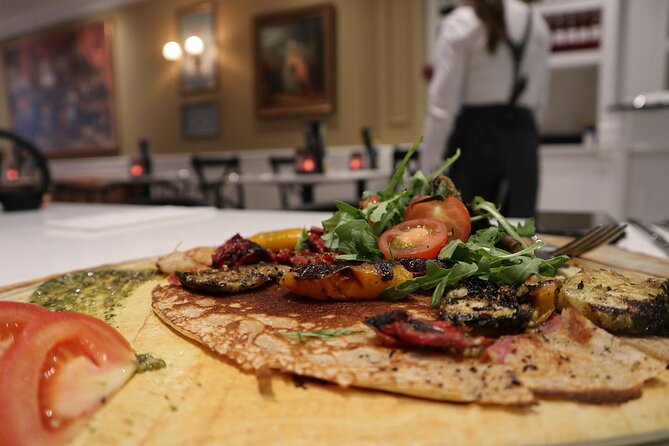
And then there’s the lunch. It’s not a tiny snack. You get a Dutch pancake lunch with a starter plus a main and dessert (and coffee is an option), and tap water is included. The meal timing is also smart: you’ve been on your feet and your brain is already busy with history, so the pancakes become a reset button.
You can also read our reviews of more tours and experiences in Amsterdam.

Dam Square to Begijnhof: your shortcut to the city center’s stories
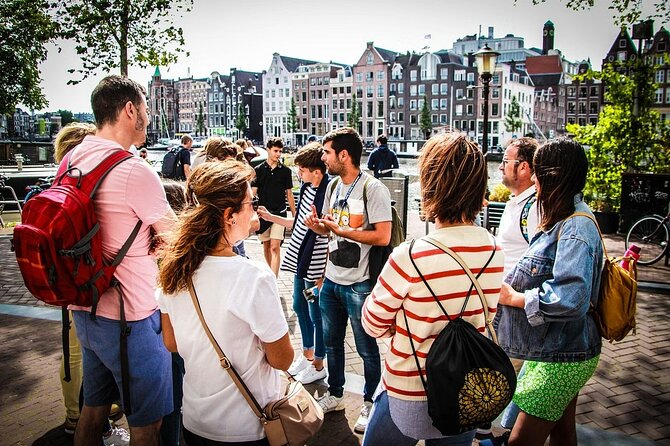
You start at Dam Square, Amsterdam’s central stage. Your guide walks you through why the square is historically important and what to look for around the Royal Palace area. You’ll also connect the atmosphere of the center with the big events that shaped the city—useful when you’re trying to understand what you’re seeing without getting lost in a museum-sized timeline.
From there, you shift into a totally different mood at Begijnhof. This is where the tour earns its keep: you go from the open, public energy of Dam Square into a tucked-away courtyard that feels quiet even while you’re still in the city core. You’ll learn about the Beguines, a Catholic sisterhood, and why this kind of communal religious life mattered in Amsterdam. The setting does half the work for you. You don’t just hear about it—you’re standing in the place that makes the story make sense.
Watch for this reality check: this part includes sites where admission tickets are listed as not included. That doesn’t ruin the experience, but it means you should treat some stops as viewing-and-story stops rather than a guaranteed interior visit.
Royal Palace, Nieuwe Kerk, and Oude Kerk: power, ceremonies, and the oldest church
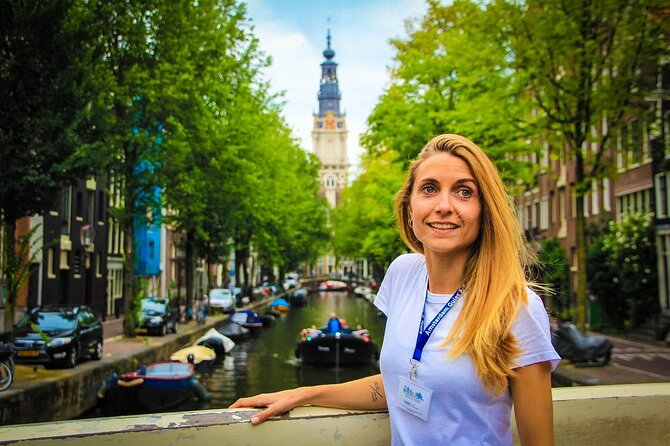
Next up, you spend time near the Royal Palace Amsterdam. The tour focuses on the building’s exterior, and it’s a great way to understand how Amsterdam blends civic life, royalty, and public space in one tight area. Even just seeing the facade gives you a visual anchor for the earlier Dam Square context.
Right beside it is Nieuwe Kerk, a 15th-century church used for royal ceremonies and exhibitions. Again, the tour is structured around what you can see and what it means, not around trying to cram in every possible ticketed stop. If you’re the kind of person who likes to understand why a place is still in use, this pairing helps. You see power and ceremony close together, and the guide ties the themes together as you walk.
Then the route steers toward the Oude Kerk (Old Church) in the Red Light District area. This is a key moment for first-timers because it gives you a tangible link between “new” Amsterdam and the earliest layers of the city. The tour frames Oude Kerk as the oldest building in Amsterdam, and it’s the kind of landmark that changes how you picture the neighborhood around it.
One practical bonus: Oude Kerk is listed as free for admission. That matters if you’re trying to keep your day predictable.
Leaning buildings, gable stones, Spui, and the floating Flower Market
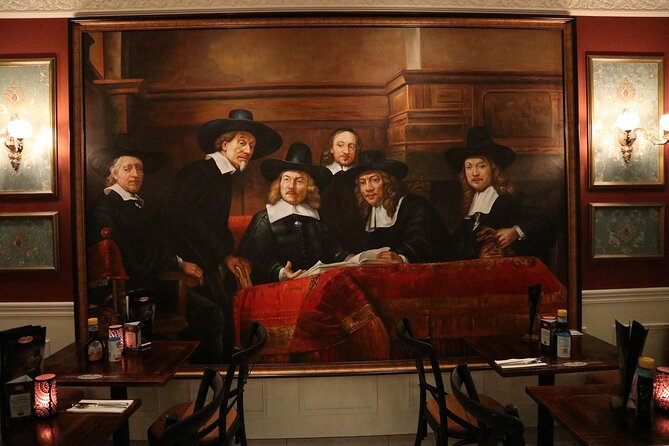
This is the part of the tour where Amsterdam starts to look like Amsterdam. You’ll get to spot the leaning buildings and the gable stones, and you’ll hear how the architecture tells stories. The key idea is that these details aren’t random quirks. They’re part of how Amsterdam carried identity through building style, street-level visibility, and the way houses faced the city.
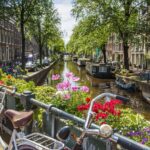
Then you move through Spui and the Flower Market. Spui is a square with local charm, and the flower market nearby adds a very “only in Amsterdam” twist: it’s described as the world’s only floating flower market. Even if you’re not a big shopping person, it’s still a smart stop because it’s a place where you can slow down for photos and just absorb the vibe.
Consider this for timing: the tour is short and paced to fit a lot into one walk. If you want more time inside shops, don’t assume you’ll get long shopping breaks here. I’d treat the flower market as a look, snap, and enjoy moment.
East India Company and the world’s first stock exchange
If the center of Amsterdam feels like it has hidden layers, this is where you get the map. The tour explains how the Dutch East India Company helped drive Amsterdam’s rise into a world-power trading city. The idea is simple: trade wasn’t a side story. It was a core engine of wealth and influence, and you’ll carry that understanding into what you see afterward.
Then you connect that story to the world’s first stock exchange, which the tour ties back to the Dutch East India Company and explains how it influenced global trade. The payoff here is clarity. A lot of visitors hear these names but don’t connect them. This tour links the thread for you so the city’s historic “business brain” becomes easier to picture on the ground.
This is also where the guide Q-and-A angle really helps. When you ask questions, you can steer the explanation toward what you care about: trade routes, how finance changed cities, or why Amsterdam keeps appearing in stories about global commerce.

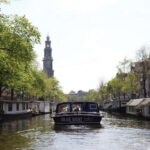
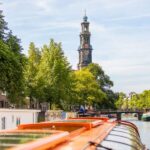
Jewish Quarter and Chinese Quarter: history and everyday multicultural life
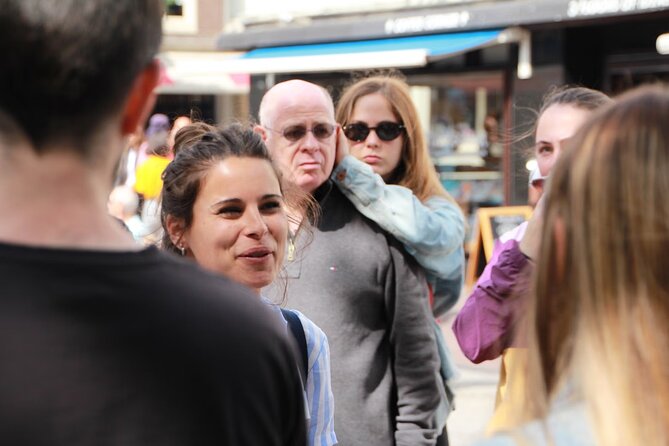
The tour ends with a two-part finish that gives you both a reflective historical layer and an everyday modern layer.
First is the Jewish Quarter, where the guide shares the impact of World War II. Even without going too deep into personal stories (the tour is time-limited), it’s still an important stop. It moves the day from architecture and commerce into the realities that shaped communities.
Then comes the Chinese Quarter, described as a symbol of Amsterdam’s multicultural community. This pairing matters because it avoids turning Amsterdam into only one type of story. You close with both memory and present-day community identity, which is a more accurate picture of how cities actually work.
The Dutch pancake lunch: why it’s more than a sweet finish
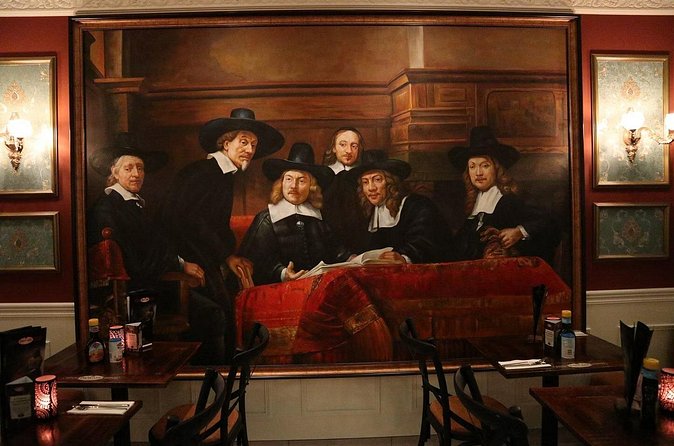
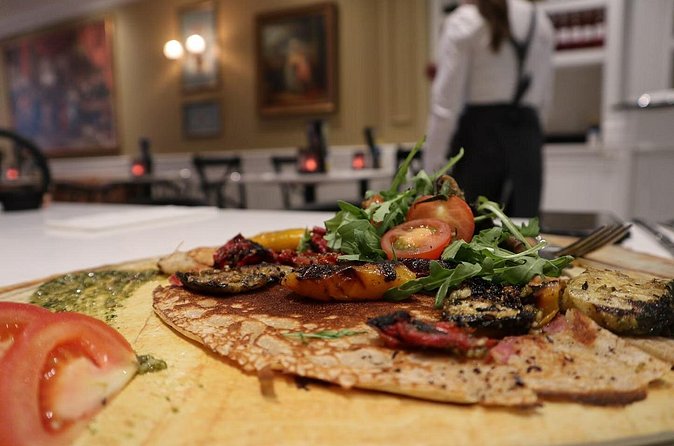
The lunch is one of the strongest reasons to book this tour. You’re not just getting a dessert at the end. You’re getting an actual Dutch pancake lunch with a starter, a main dish, and dessert (and coffee is included as an option). That structure matters: it turns the meal into a proper reset after walking.
Dutch pancakes also fit the day. They’re filling enough to satisfy you without feeling like you need a nap afterward, and they pair well with the kind of history-heavy route you’ve just done. If your energy is dropping, this meal is timed right to bring you back.
And it’s easy logistics. Tap water is included, so you’re not hunting for drinks the second you finish the last stop. The meal itself becomes part of the value equation, because it helps you avoid extra spending during the same 2.5-hour window.
Price and logistics: what $84.65 really buys you

At $84.65 per person, you’re paying for three things bundled together: expert guiding, a structured sightseeing route, and lunch.
For some cities, walking tours can feel like you’re only paying for someone to talk while you wander. Here, the lunch changes the math. If you’re figuring your Amsterdam day costs anyway, having the meal included (starter + main + dessert or coffee, plus tap water) reduces the chance you’ll overspend elsewhere.
You also get the advantage of a capped group (maximum 15). That usually means less time waiting for the slowest people and more time hearing the guide’s answers.
A couple details to plan around:
- No pickup service is included, so you’ll want to start at the meeting point on your own.
- Some stops do not include admission tickets, so treat the tour as a viewing-and-stories experience rather than a guaranteed lineup of entry fees.
Who should book this tour (and who might skip it)
This is a good match if you:
- Want a short, organized way to see central Amsterdam without building a route yourself
- Like history and context but don’t want it to run on too long
- Appreciate small groups and the ability to ask questions as you walk
- Have a day where you’d rather pay once and get lunch handled
You might skip it if you:
- Plan to do lots of ticketed interior visits and want an itinerary built around paid entrances
- Need long free time at each stop for shopping or slow wandering
- Prefer completely independent sightseeing with no scheduled meal
Should you book this Amsterdam Walking Tour with Dutch Pancake Lunch?
If you’re visiting Amsterdam for a short window, this tour is a practical way to get your bearings and leave with more than just photos. The itinerary themes hang together well: central power (Dam Square and royal sites), religious calm (Begijnhof), old-and-new contrasts (Oude Kerk and the Red Light District area), architecture character (leaning buildings and gable stones), and the trading engine of the city (Dutch East India Company and the stock exchange), capped with Jewish Quarter WWII impact and the Chinese Quarter’s multicultural identity.
The lunch is the clincher. A Dutch pancake meal with starter, main, and dessert (or coffee) is a real treat at the end of a walk, and it turns the tour into something you can actually budget around.
If you book, I’d suggest doing it sooner rather than later. The tour is commonly booked about 12 days in advance, and with a cap of 15 people, you don’t want to test your luck.
FAQ
Where is the meeting point for the tour?
The tour starts at Beursplein 1-3, 1012 JW Amsterdam, Netherlands.
How long does the Amsterdam walking tour last?
It runs for about 2 hours 30 minutes.
How much does the tour cost?
The price is $84.65 per person.
What languages are the guides available in?
The tour is offered in English, and the guide is also listed as English or Spanish-speaking.
Is lunch included?
Yes. Lunch is included as a Dutch pancake lunch with a starter, main dish, and dessert or coffee. Tap water is also included.
How big is the group?
The maximum group size is 15 travelers.
Are admission tickets included for the stops?
Admission tickets are not included for several stops. The Old Church (Oude Kerk) is listed as free.
Is pickup service included?
No pickup service is included.
What is the policy if I need to cancel?
This experience is non-refundable and cannot be changed for any reason. If you cancel or ask for an amendment, the amount you paid will not be refunded.