REVIEW · AMSTERDAM
Amsterdam: Oude Kerk Entry Ticket
Book on GetYourGuide →Operated by Oude Kerk Amsterdam · Bookable on GetYourGuide
Old walls, new art, and a chill. The Oude Kerk turns Amsterdam’s oldest church building into a stage for contemporary exhibitions—so you’re not just looking at history, you’re watching it talk back to the present. I like that it’s also still a social place in the heart of the old city, which makes it feel less like a museum box and more like a living building.
I also really like the way the program works: artists create new pieces for this exact space, and the church uses music and public events to connect old stone to current ideas. One thing to consider: the building is dark, hushed, and the art and sound can feel intense—if you’re sensitive to that kind of atmosphere, you may want to pace yourself and choose your viewing angles.
In This Review
- Key things to know before you go
- Amsterdam’s oldest church building: what you’re stepping into
- Contemporary art inside a church: how the programming actually works
- The church as a meeting place: beyond worship and faith
- Using the included audioguide to make sense fast
- What to look for inside (without overthinking it)
- A note on mood and sound
- The courtyard café stop: where to rest without leaving the vibe
- Views from the tower: an optional highlight if it’s open
- Price and value: is $16 a fair deal?
- How long to plan for: make it a calm 1-day stop
- Who should book this Oude Kerk entry ticket?
- Should you book the Oude Kerk Amsterdam entry ticket?
- FAQ
- What does the Amsterdam Oude Kerk entry ticket include?
- Is the audioguide available in multiple languages?
- How long is the experience?
- Are food and drinks included with the ticket?
- Is a guide included?
- Is the Oude Kerk wheelchair accessible?
Key things to know before you go
- Amsterdam’s oldest building: the Oude Kerk grew from a small chapel into a larger hall church over centuries.
- Rotating contemporary exhibitions: you’ll see changing shows, not one static display.
- Site-specific commissions: artists and musicians create new works made for this location.
- A multi-language audioguide: choose Dutch, English, German, French, Spanish, or Italian.
- Past social life is still part of the story: the church isn’t only about worship.
- Optional recharge at Koffieschenkerij: coffee, tea, lemonade, cake, and a courtyard garden.
Amsterdam’s oldest church building: what you’re stepping into
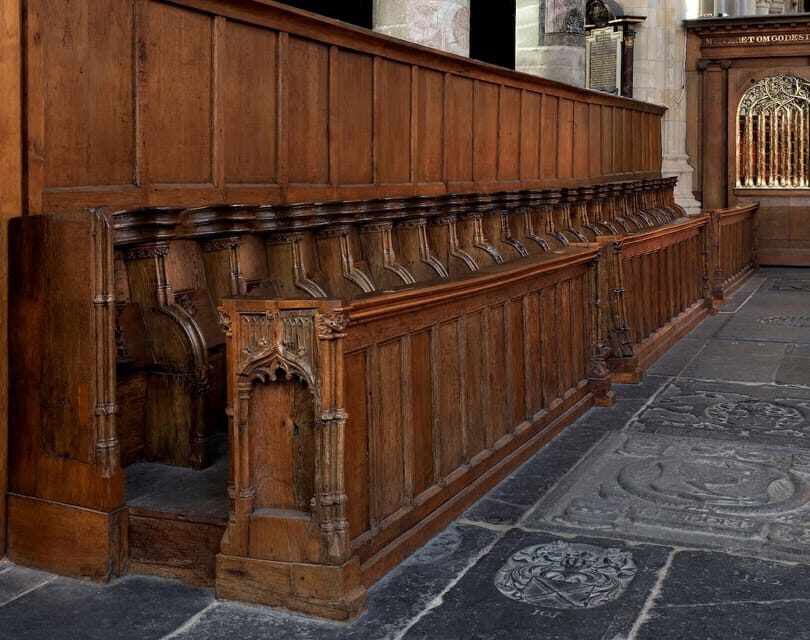
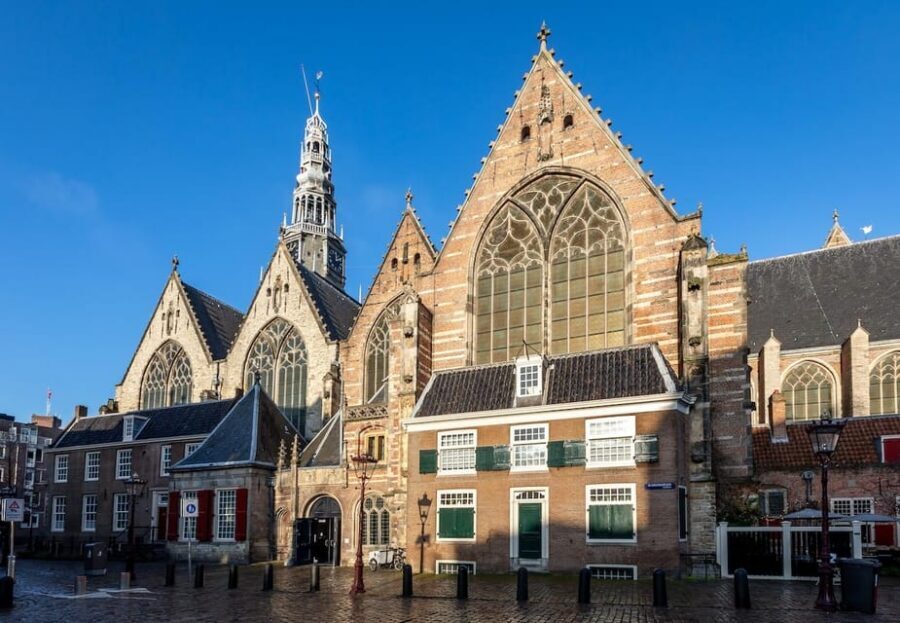
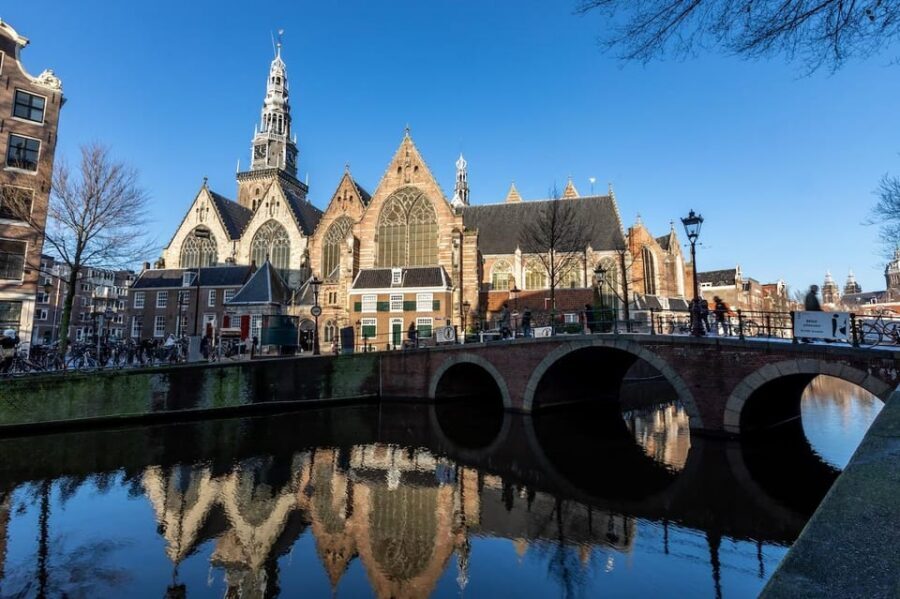
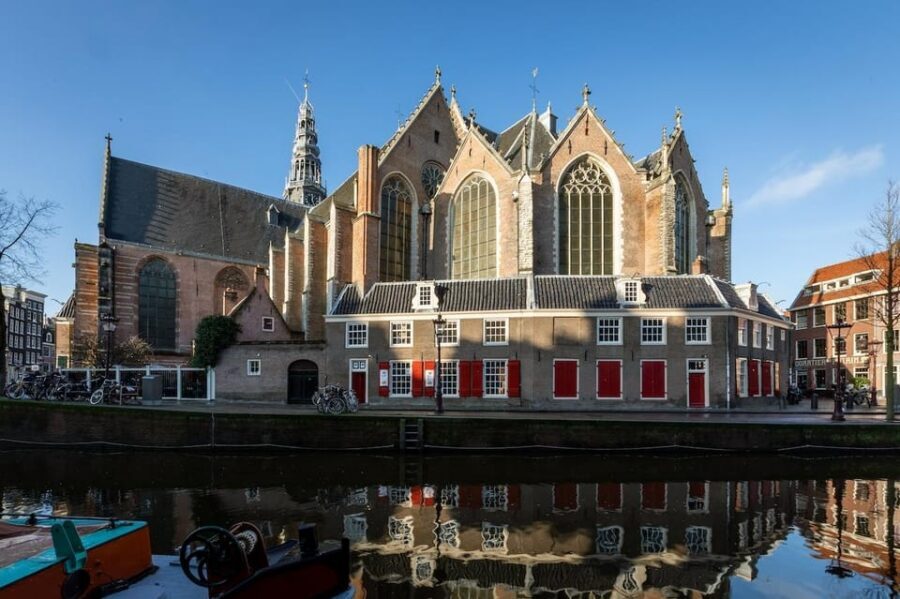
The Oude Kerk sits right in Amsterdam’s historic city centre, and it’s old in a very specific way. It started as a small wooden chapel around 1250, then expanded into an extensive hall church around 1570. That long timeline matters, because you can feel the building’s “layers” in how it holds light, sound, and attention.
What makes this church more interesting than a typical sightseeing stop is that it isn’t presented as a frozen relic. The building is treated as an active monument—something you walk through, not something you just look at from the outside. Expect a strong sense of place: stone, age, and a deliberate quiet that makes the artwork and music feel louder by contrast.
Also, it’s worth knowing that the ticket gives you entry to both the church and the exhibitions, so you’re not paying just for one room. You’ll have time to move at your pace, stop where something grabs you, and return to the space you think you’re understanding better.
A few more Amsterdam tours and experiences worth a look


Contemporary art inside a church: how the programming actually works
This is the part that most people either love or don’t quite get—and it’s also the reason the Oude Kerk feels different. The church invites artists to make new works exclusively for this location, meaning the art isn’t just installed in the building; it’s created with the space in mind.
The key idea is the interplay of old and new. Some works may adapt to the architecture, while others can deliberately contrast with it. Either way, you get a real conversation between centuries: ancient stone under modern eyes, sacred shape under contemporary questions.
The program also connects to music and public events. You may see references to the music series called Silence, Monuments, plus performances, guided tours, and artist talks. Even if you don’t catch every event on your day, the building’s role as a performance space helps explain why the exhibitions can feel more like lived experience than gallery viewing.
If you’re hoping for a traditional “church visit” focused only on religious details, this might surprise you—in a good way. If you’re there specifically for modern art in historic settings, you’ll likely find the format refreshingly direct: the art is the reason you come in, and the church is the reason the art hits differently.
The church as a meeting place: beyond worship and faith
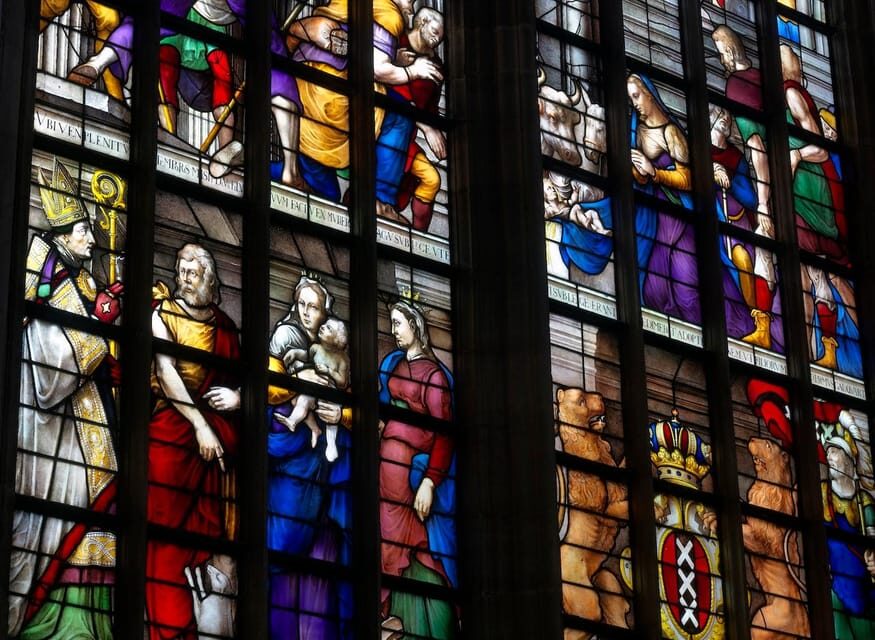
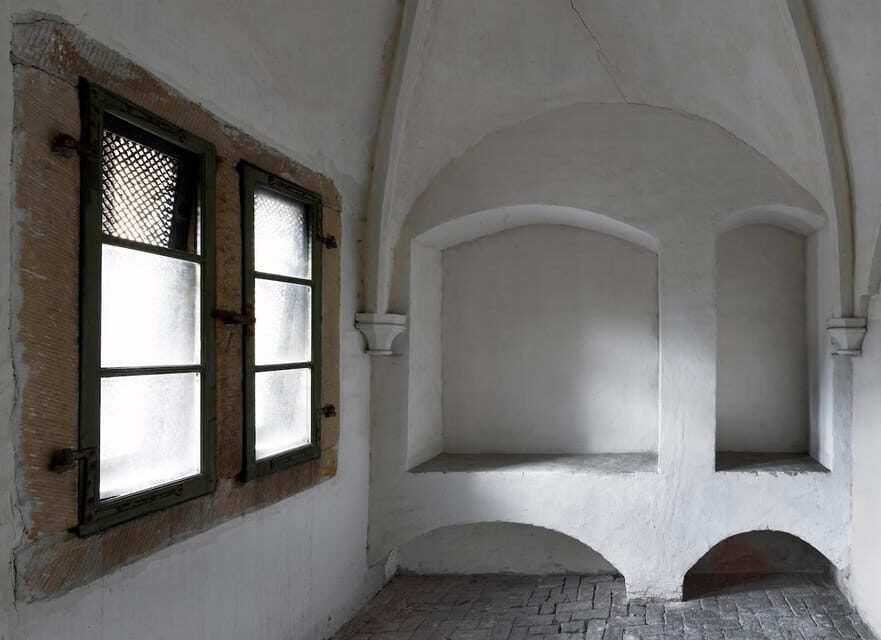
The Oude Kerk has always been more than a religious building, and that shows in the way the site tells its own story. Fishermen historically came here to mend nets and sails, which is an oddly vivid detail—like the church was part of daily work life, not just spiritual life. The building also served as a kind of civic storage space: important city papers were kept in the Iron Chapel.
And yes, it functioned in personal moments too. Many couples signed their marriage certificates in the Oude Kerk for centuries. That blend—public business, private vows, and everyday repairs—makes the church feel more human than solemn.
Even today, it still carries that versatile social function. It’s positioned as a lively meeting place in the heart of Amsterdam, not a sealed-off monument. When you understand that context, the contemporary installations don’t feel random. They feel like the next chapter in a building that has always hosted more than one kind of life.
Using the included audioguide to make sense fast
One of the smartest value points here is that your ticket includes an audioguide. You can choose Dutch, English, German, French, Spanish, or Italian. That means you’re not stuck with a single language route or forced to stand and read small placards while your feet cool off.
How I’d use it: let the audioguide give you orientation first, then switch to “follow what interests you.” Start with the biggest story beats (how the building changed over time and where the major spaces are), then let it run while you’re looking at the contemporary works. That way you avoid the most common problem with church-and-art visits: wandering without a thread.
Also, because the church spans centuries and mixes functions, having the audio helps you track connections. You’ll be better able to link the historic parts—like the hall-church expansion and the Iron Chapel references—to why the contemporary commissions feel intentionally placed.
What to look for inside (without overthinking it)
You don’t need to be an art critic to enjoy this. In fact, the best strategy is to look for how the space changes the way you experience the artwork.
Pay attention to three things:
- How the church shape affects lighting and shadow on the pieces.
- Whether the installation seems to “belong” to the hall or pushes against it.
- How sound behaves in a church interior if your exhibition includes music or performance elements.
One of the clearest lessons here is that the Oude Kerk invites artists to create new perspectives on history, the world around us, and the future. So don’t treat the work as a puzzle with one correct answer. Treat it as a set of prompts bouncing off a building that has survived long enough to keep absorbing new meanings.


A note on mood and sound
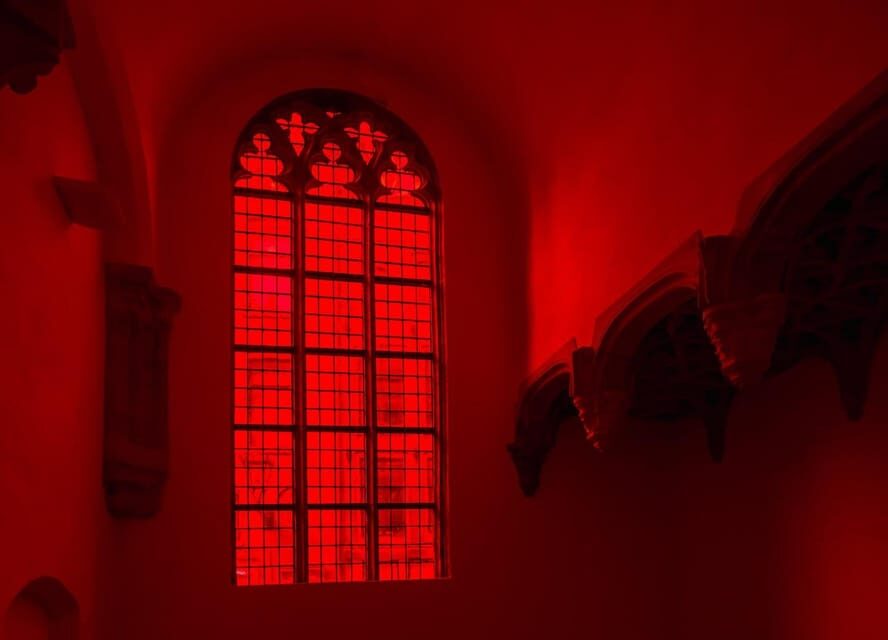
A few people find the atmosphere intimidating, especially if the show includes strong sound design. The church interior is naturally hushed and dim compared with Amsterdam’s street life, and contemporary audio can make that feel even darker. If you’re sensitive to that kind of mood, go slower. Take breaks in quieter corners and don’t feel pressured to watch from the exact spot the crowd seems to prefer.
The courtyard café stop: where to rest without leaving the vibe
Right next to the experience, there’s a small practical bonus: the Koffieschenkerij. It’s located in a historical annex of the Oude Kerk and offers coffee, teas, lemonade, and cake. There’s also a courtyard garden that’s open daily.
This is worth planning into your visit because it gives you a clean break between centuries. You can step outside the art/music intensity, sit somewhere calmer, and then come back with fresher focus. It’s also helpful if you want to linger without turning your day into a sprint.
Just know that food and drinks are not included in the ticket price. Still, it’s a convenient place to refuel without wasting time traveling to a café far away.
Views from the tower: an optional highlight if it’s open
One strong point that comes up for some visits is the view from the tower. The Oude Kerk setting is perfect for that kind of “look down, understand the city” moment.
That said, the ticket information you have here doesn’t spell out tower access details. So treat the tower as an optional bonus: if it’s open during your visit, it can be a memorable add-on. If it isn’t, don’t feel like you missed the whole experience—most of the value is in the church interior and the contemporary exhibitions.
Price and value: is $16 a fair deal?
At $16 per person, this ticket prices in well for what you get: entry to the Oude Kerk building plus the exhibitions, along with an included audioguide in multiple languages. You’re not just buying access to one static room. You’re getting a whole historic site shaped to host contemporary work.
Here’s the value logic I use:
- If you like modern art shown in unusual spaces, the rotating exhibitions and site-specific commissions can justify the cost quickly.
- If you prefer guided context, the audioguide inclusion saves you from extra spending or searching for explanations.
- If you want a deeper Amsterdam-centre stop that isn’t only canals and facades, this adds genuine variety.
It’s not the best pick if you only want a quick, brightly lit “checklist” attraction. And it may not be ideal if you strongly dislike art projects that use sound, mood, or darker visual tones. But for most people who want culture that feels connected to real place, it’s a solid use of time.
How long to plan for: make it a calm 1-day stop
The experience is listed as 1 day, and you’ll want to treat it like a flexible visit rather than a rushed box-tick. A church-and-art stop is most enjoyable when you give yourself time to move slowly through the spaces and not just aim for the biggest room.
Because the ticket is valid for 1 day and starting times depend on availability, it helps to time your visit when you’re not racing between too many major sights. In the historic centre, things add up fast—crowds, tram timing, walking distance—so having a calmer anchor stop like this can help your day feel smoother.
If you’re building a fuller Amsterdam day, plan for a simple flow: arrive, do the church/exhibitions with the audioguide, take a break at Koffieschenkerij, then finish with some wandering outside. The Oude Kerk is central enough that it works well as a hub without eating your whole day.
Who should book this Oude Kerk entry ticket?
I’d recommend it if you:
- Want to see Amsterdam’s oldest building and understand how it changed from a chapel to a larger hall church.
- Like contemporary art that’s actually meant for the location, not pasted in after the fact.
- Enjoy music or performance-adjacent programming, even if you just catch hints of it through the exhibit context.
- Want a stop with enough atmosphere that it feels like more than a quick photo stop.
I’d think twice if you:
- Get spooked easily by darker rooms, hushed sound, or art installations that play with mood.
- Prefer strictly traditional church touring with minimal contemporary content.
For wheelchair users, this is also noted as wheelchair accessible, which is a major practical plus when you’re planning a smooth day.
Should you book the Oude Kerk Amsterdam entry ticket?
If your idea of a great museum day includes atmosphere, mix-and-match pairing of old and new, and an included audioguide to keep you oriented, book it. At $16, the value is strong because you get the church plus exhibitions, not just a single room.
I’d only skip it if you know you strongly dislike contemporary art in historic sacred spaces or if you prefer bright, low-sound experiences. Otherwise, this is the kind of Amsterdam stop that gives you a different angle on the city—one where the building’s long civic life sets the stage for modern ideas.
FAQ
What does the Amsterdam Oude Kerk entry ticket include?
Your ticket includes entry to the church and exhibitions, plus an audioguide.
Is the audioguide available in multiple languages?
Yes. The audioguide is available in Dutch, English, German, French, Spanish, or Italian.
How long is the experience?
It’s listed as valid for 1 day, with starting times depending on availability.
Are food and drinks included with the ticket?
No. Food and drinks are not included. There is a café in the historical annex called Koffieschenkerij, with coffee, tea, lemonade, and cake.
Is a guide included?
No guide is included with the ticket.
Is the Oude Kerk wheelchair accessible?
Yes, the experience is noted as wheelchair accessible.