REVIEW · AMSTERDAM
Amsterdam: Anne Frank Guided Walking Tour in DE/EN/IT/ES
Book on GetYourGuide →Operated by Amsterdamliebe · Bookable on GetYourGuide
History gets personal on this Jewish Quarter walk. This 2-hour route through the Jodenbuurt pairs quiet street scenes with hard WWII realities, with Anne Frank’s diary excerpts read along the way in EN/DE/IT/ES.
I especially like how the tour connects Amsterdam’s Jewish past to visible places you can still see today, from the Nieuwmarkt area to major memorials. I also like the pacing: you get time for each stop, and the guide keeps it moving without rushing the story.
One thing to plan for: this tour does not include the Anne Frank House. If you’re hoping for tickets and an indoor visit, you’ll need another plan, and the subject matter is emotionally heavy.
Key points at a glance
- Anne Frank diary excerpts are read while you walk the neighborhood
- Jodenbuurt geography and history from wealth and community to Nazi persecution
- Stolpersteine, memorials, and resistance stories at multiple stops
- Choose one language only: English, German, Italian, or Spanish (not bilingual)
- A solid 2–3 km walking route in about 2 hours, in all weather
In This Review
- Why the Jewish Quarter walk starts at De Waag and ends at remembrance
- Picking EN/DE/IT/ES: how the language choice changes your experience
- Nieuwmarkt Square to Zuiderkerk: where the neighborhood’s story gains context
- Huis de Pinto, Rembrandt House, and Sint Antoniesluis: community beyond one story
- Portuguese Synagogue area and the Jewish Historical Museum: life after the shouting stops
- WWII memorial sequence: Auschwitz Monument, The Dokwerker, and the National Holocaust Names Monument
- Anne Frank diary excerpts on the street, without the House visit
- The February Strike and resistance: why the tour includes more than occupation dates
- Price and value: is $28 worth it?
- Practical tips so the walk feels good, not painful
- Who should book this Anne Frank Jewish Quarter tour
- Should you book this tour?
- FAQ
- Is the Anne Frank House included on this tour?
- How long is the tour?
- Where do I meet the guide?
- What languages are available?
- How much walking is involved?
- Do I need to pay admission fees for the stops?
- Is the tour wheelchair accessible?
Why the Jewish Quarter walk starts at De Waag and ends at remembrance
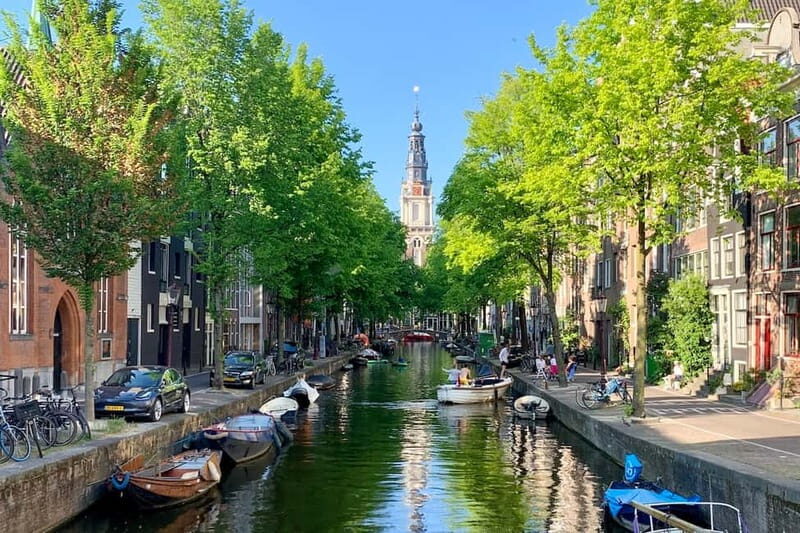
Amsterdam’s Jewish Quarter isn’t a museum-like maze. It’s streets, buildings, and monuments you can stand next to in real time. That’s why I like this format: you’re not just hearing about WWII. You’re seeing where it happened, and where people tried to survive.
The tour runs from Waag/De Waag on Nieuwmarkt through key landmarks and ends at the National Holocaust Names Monument. That finish matters. It turns your last minutes into a real pause, not just a photo stop.
And yes, there’s Anne Frank. But the tour treats her story as part of a wider neighborhood story: Jewish life before the Nazi occupation, the collapse during the Holocaust, and the resistance that showed up even when everything was designed to crush it.
Picking EN/DE/IT/ES: how the language choice changes your experience

This is one-language-only. Choose carefully. The tour is offered in English, German, Italian, or Spanish, and it isn’t bilingual, so you’ll want to match your comfort level to your chosen option.
That choice also affects how you experience the emotional moments. In multiple groups, guides like Lilly, Zoe, Francesco, Simone, Rafael, Josh, and Valentina are cited, and the common thread is delivery: sensitive, story-based, and focused on making you follow the timeline while you move through the streets.
If you’re traveling with someone who reads one language well but speaks another, don’t assume it’ll work on the spot. It won’t. Pick the language you’ll understand instantly when the guide switches from context to diary excerpts.
You can also read our reviews of more walking tours in Amsterdam



Nieuwmarkt Square to Zuiderkerk: where the neighborhood’s story gains context

You begin at the entrance to restaurant De Waag in the middle of Nieuwmarkt. It’s a handy meeting point because it’s central and easy to find without guesswork. The group then moves into the heart of the old Jewish Quarter.
Next up is Nieuwmarkt Square itself, with a short guided segment. This is where the guide often sets the scene: why Jews were drawn to this part of Amsterdam, and why the city’s Jewish quarter took shape as it did.
Then you head toward Zuiderkerk. This is one of those stops where you learn to read the city in layers. Even without going inside, the guide uses the surrounding streets and landmarks to explain the neighborhood’s layout and its role in daily life before the occupation.
A good way to think about this early stretch: it’s not just orientation. It’s the foundation that makes the later memorials hit harder.
Huis de Pinto, Rembrandt House, and Sint Antoniesluis: community beyond one story

The route continues to Huis de Pinto, then Rembrandt House, and on to Sint Antoniesluis. You might expect an Anne Frank walking tour to focus only on WWII years. This one doesn’t. It keeps reminding you that the Jewish Quarter wasn’t only about tragedy—it was also about people living, working, and building a community.
In the tour framing, Amsterdam’s Jewish community grew after Jews expelled by the Spanish Inquisition helped shape the city’s commerce, which is part of why this area developed into the Jodenbuurt and the well-known Jewish Triangle. The guide also points out that this wasn’t only Jewish residences. Non-Jews also lived here; Rembrandt van Rijn is specifically mentioned in relation to the area.
When you reach Rembrandt House, it’s a smart contrast point. You’re standing in a place tied to a famous painter, learning that the neighborhood’s identity wasn’t built in isolation. It was mixed, connected, and deeply human.
And then Sint Antoniesluis shifts the mood again. You start to feel how the same streets that held normal life were later pressured, targeted, and reshaped by occupation.
Portuguese Synagogue area and the Jewish Historical Museum: life after the shouting stops
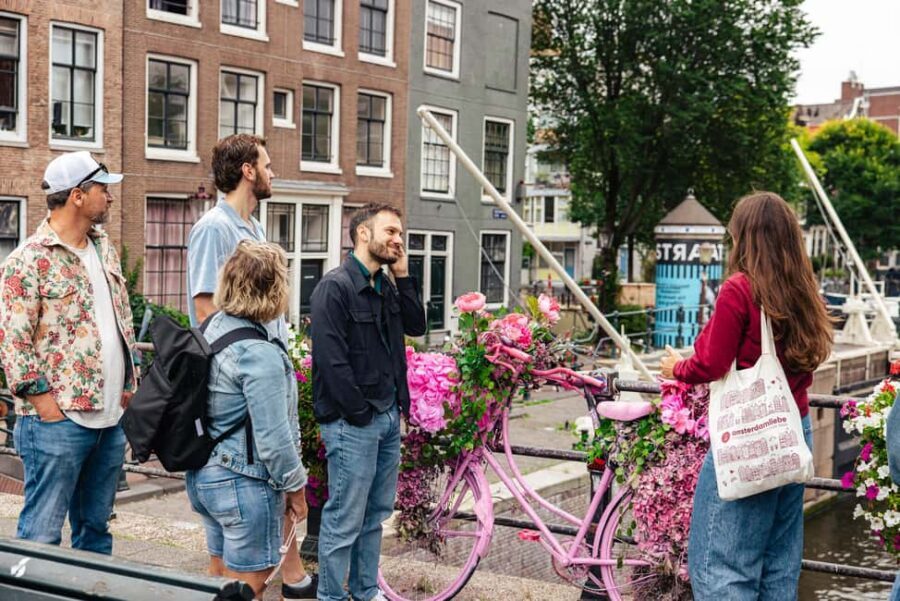
A highlight stop is the Portuguese Synagogue. The tour includes a photo stop plus guided context. The key here is the guide’s storytelling: how this corner ties into Jewish history in Amsterdam across centuries, not just during WWII.
Next is the Jewish Historical Museum area. The time at this point is short, but it gives you a useful bridge. You go from neighborhood stories and memorials back to the idea that Jewish life continued, even after catastrophe and loss.
What I like about these stops is that they keep the neighborhood from becoming a single-note tragedy. You learn the wider thread of culture, community, and survival—then you return to WWII-era markers with that bigger perspective in your head.
WWII memorial sequence: Auschwitz Monument, The Dokwerker, and the National Holocaust Names Monument

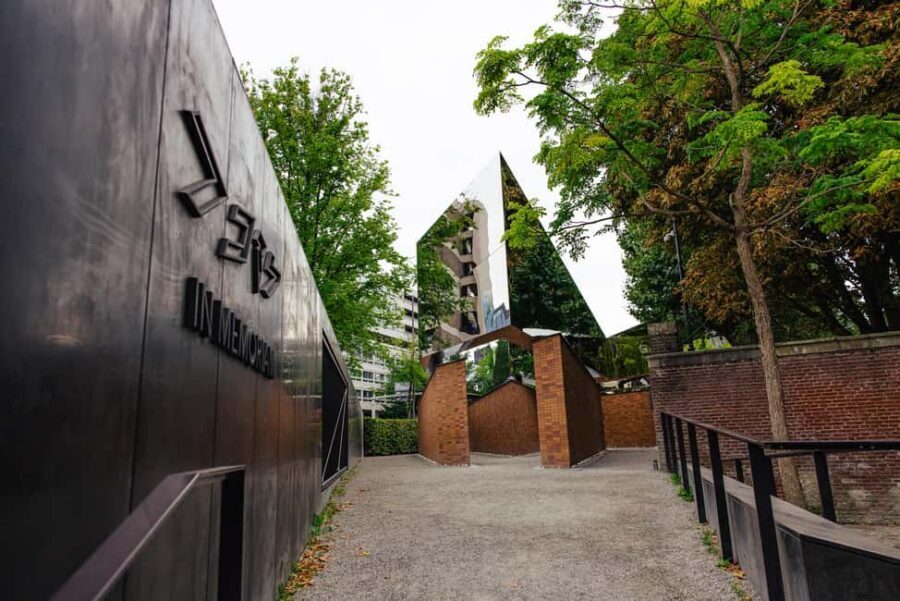
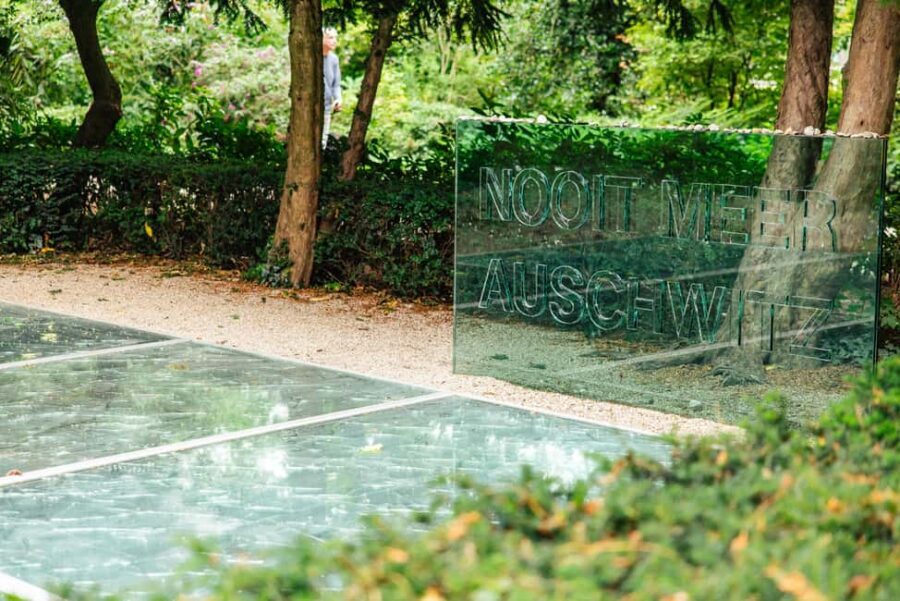
This portion is where the walk becomes uncomfortably real. You visit the Auschwitz Monument in Amsterdam and then continue toward The Dokwerker, followed by the National Holocaust Names Monument where the tour ends.
The guide ties these locations to the Holocaust and to the neighborhood’s experience under Nazi occupation. The stories aren’t limited to victims. You also hear about the resistance against Nazi Germans by Jews and non-Jews, including the idea that people helped others while risking their own safety.
You also get specific references the route is built around, including Stolpersteine (those small memorial stones embedded into the ground) and mentions of other commemorative elements like the gate of the old plague cemetery and monuments connected to WWII resistance.
This is not a tour where you can treat history like background. The memorial stops force you to slow down in your own head, even if the group keeps walking. That contrast is part of why it sticks.
You can also read our reviews of more guided tours in Amsterdam





Anne Frank diary excerpts on the street, without the House visit
Anne Frank is the emotional anchor. As you walk, the guide uses passages from her diary to show the grief and fear that the Jewish community endured, especially those hiding to avoid deportation.
The tour explicitly notes that you won’t visit the Anne Frank House. That might sound like a downside—until you realize what you’re getting instead. You’re not just lining up at a major site and reading captions. You’re hearing diary excerpts while the guide connects them to the neighborhood around you.
I found that approach makes the story feel less like a fixed exhibit and more like a living timeline. It also helps if you’re visiting Amsterdam with limited time. You can get a strong groundwork here, then decide later whether you want the House as a separate priority.
One practical note: because diary readings can hit hard, it’s a good idea to pace yourself mentally. Bring water, and don’t feel bad if you need a moment at a memorial to catch up with what’s being said.
The February Strike and resistance: why the tour includes more than occupation dates
This walk doesn’t stop at dates on a timeline. It includes how ordinary people reacted, including the February Strike in 1941.
That choice matters because it shows agency. The story becomes not only about deportation and loss, but also about decision points—when people resisted, when people risked themselves, and when solidarity mattered.
The tour also frames resistance as something carried out by both Jews and non-Jews. That’s a key nuance. It keeps the narrative from shrinking into a single group doing everything alone, and it highlights how communities can react under extreme pressure.
If you want WWII context that includes moral courage, this is one of the reasons the walk is so often rated highly.
Price and value: is $28 worth it?
At $28 per person for a 2-hour guided walking tour, the value is strong if you want more than a casual stroll. You’re paying for an expert guide experience, a guided route with multiple meaningful stops, and diary excerpts woven directly into the walking narrative.
The tour also includes guidance at several specific locations, plus the fact that you won’t be paying admission fees during the walk since the sights involved can be visited for free. Food and drinks are not included, so budget a snack or a drink separately if you need one.
Where the price makes sense: if you’re trying to understand the neighborhood quickly, and you want a guided emotional and historical thread rather than reading signs alone.
Where it might not fit: if you only want the most famous ticketed attraction. Since the Anne Frank House is not visited, you’ll still need to plan that separately if it’s a must-do.
Practical tips so the walk feels good, not painful
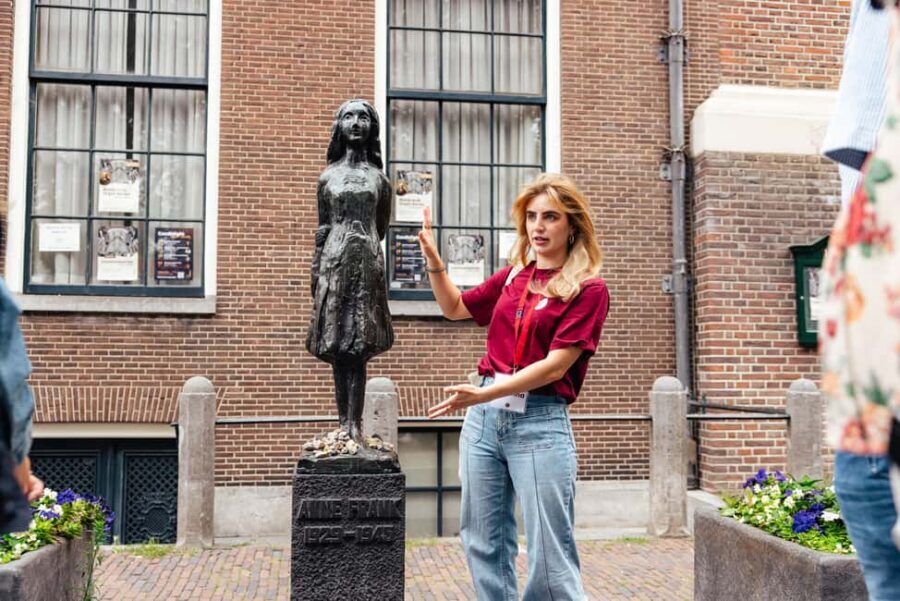
This tour covers about 2–3 kilometers on foot over around 2 hours. Amsterdam is walkable, but 2–3 km can still feel longer when you’re standing still for story moments.
Wear comfortable shoes. Bring water. And because it runs in all weather conditions, pack for rain with an umbrella if the forecast looks uncertain. (Amsterdam weather has a way of making opinions.)
You’ll also want to watch for the guide’s identifier: they wear a red name tag. If you’re meeting right on time, it saves stress.
Finally, think about emotional readiness. This is a Holocaust-focused tour with diary excerpts and WWII memorials. It’s handled respectfully, but it’s still heavy subject matter.
Who should book this Anne Frank Jewish Quarter tour
Book it if you want:
- A focused 2-hour way to understand the Jewish Quarter (Jodenbuurt) and WWII context
- Anne Frank diary excerpts integrated into street-level storytelling
- Stops that include Stolpersteine and major memorials, not only one landmark
You might want to skip or change your plan if:
- The Anne Frank House visit is your top priority, since this tour does not go there
- You prefer lighter historical themes, because the Holocaust material is direct and emotional
It also pairs well with other Amsterdam days. If this is your first pass through the area, it helps you make sense of what you’ll see afterward.
Should you book this tour?
I’d book it if you’re looking for a structured walking experience that connects Amsterdam’s Jewish history to WWII realities, with Anne Frank’s words carried through multiple stops. For $28, the guide-led route plus free-to-see sites is a good value, especially if you’re picking the language you’ll understand instantly.
Just don’t book it expecting an indoor Anne Frank House visit. If you’re okay with a walk-first approach and you’re ready for a meaningful, sometimes difficult story, this is one of the best ways to understand the Jodenbuurt quickly.
FAQ
Is the Anne Frank House included on this tour?
No. This walking tour does not visit or include the Anne Frank House.
How long is the tour?
The tour lasts about 2 hours.
Where do I meet the guide?
Meet at the entrance to De Waag in the middle of Nieuwmarkt, at Waag. The guide wears a red name tag.
What languages are available?
You can choose English, German, Italian, or Spanish. The tour is not bilingual, so pick the right option for your language needs.
How much walking is involved?
It’s a walking tour of about 2–3 kilometers total, so comfortable shoes are a must.
Do I need to pay admission fees for the stops?
No admission fees are required during the tour since the sights can be visited for free.
Is the tour wheelchair accessible?
Yes, the tour is wheelchair accessible.