
REVIEW · AMSTERDAM
Amsterdam Red Light District and City Center Walking Tour
Book on Viator →Operated by Trigger Tours · Bookable on Viator
Red Light District, explained without the awkward fog. This is one of the faster ways to get oriented in Amsterdam’s center while also understanding what’s going on in De Wallen. I like that the guide focuses on the real rules behind the windows and the coffeeshop culture, not just shock-value street scenes (legal rules), and I also like the small-group feel so you can ask questions (small group).
One thing to consider: you’ll be on foot through tight, nighttime streets, and the subject matter isn’t for everyone. If you’re not comfortable with adult-themed sights, or you need step-free routes, take that seriously (narrow streets).
In This Review
- Key things you’ll notice on this walk
- Where You Meet and How the 2 Hours Flow
- The Red Light District at Night: What You’re Really Looking At
- The Dam and Amsterdam’s Wooden-Pole City: Why the Streets Stand Up
- Pub The Ape (Int Aepjen): Wooden Buildings and a Lesson from a Fire
- Waag: A City Gate That Became a Meeting Place for Crafts
- The Smallest House and the VOC Connection
- From VOC Storage to a Condom Shop Since 1987
- The Value of This Tour’s Approach (and What It Costs)
- Who This Walk Fits Best
- How the Guides Make or Break This Kind of Tour
- Practical Tips for an Adult-Themed Evening Walk
- Should You Book This Amsterdam Red Light District and City Center Tour?
- FAQ
- How long is the Amsterdam Red Light District and City Center walking tour?
- Where does the tour start and end?
- What language is the tour offered in?
- What does it cost?
- How big is the group?
- Are there multiple start times?
- Is admission included for the stops?
- Is the tour okay for people with limited mobility?
- Are service animals allowed?
- What is the cancellation policy?
Key things you’ll notice on this walk
- English-speaking expert guidance that keeps the focus on context and how the area works
- De Wallen at night with a route that gives you bearings fast in the city center
- Old Town landmarks that connect today’s streets to older Amsterdam institutions and buildings
- A clear explanation of coffeeshops and sex work so you understand what you’re seeing
- Well-paced group management in a group capped at 16 so no one gets lost in the dark
Where You Meet and How the 2 Hours Flow
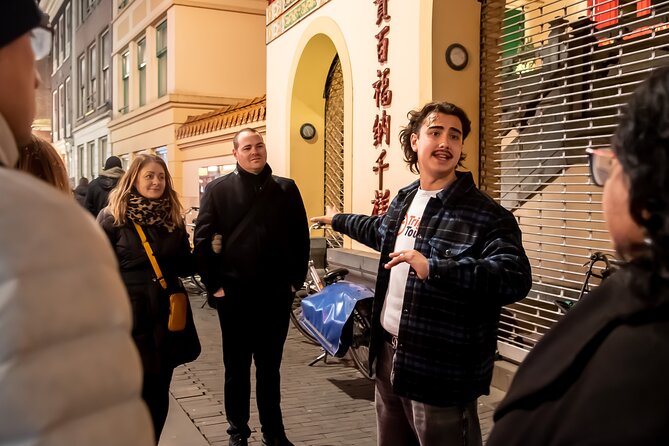
You start at Geldersekade 2 (1012 BH), Amsterdam, and the walk ends back at the same meeting point. The tour runs about 2 hours, so it’s a good fit for an evening when you still want to see the big city highlights without turning your whole night into a project.
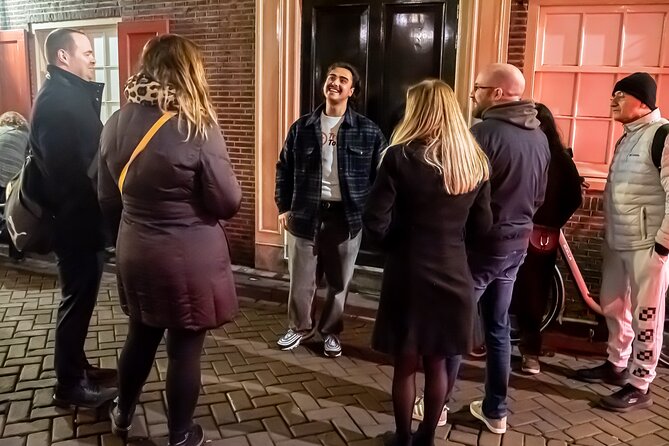
The route is designed for a group—there’s a cap of 16 people—which matters here. De Wallen streets are narrow, and a smaller group moves more smoothly, with less crowding around the guide. It also helps if you like asking questions instead of just listening from the back.
You’ll also have choices in timing. Multiple start times are offered, which is handy in a city where it’s easy to lock yourself into the wrong plan. If you’re aiming for the night atmosphere in the Red Light District, booking early is smart—this one averages being reserved well in advance.
You can also read our reviews of more tours and experiences in Amsterdam.



The Red Light District at Night: What You’re Really Looking At
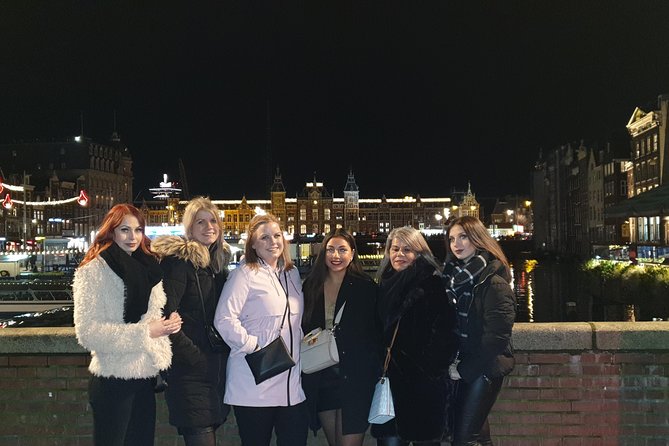
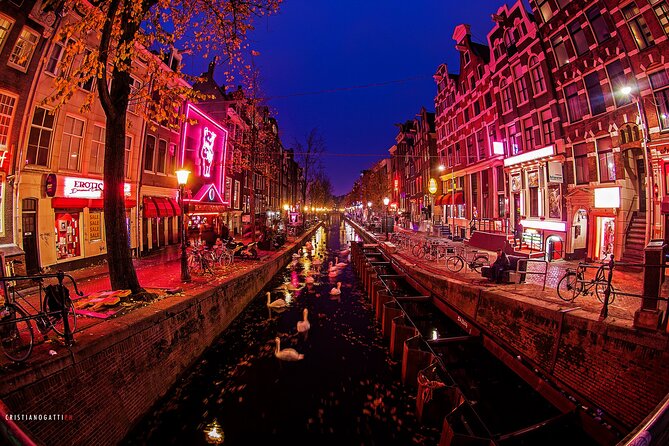
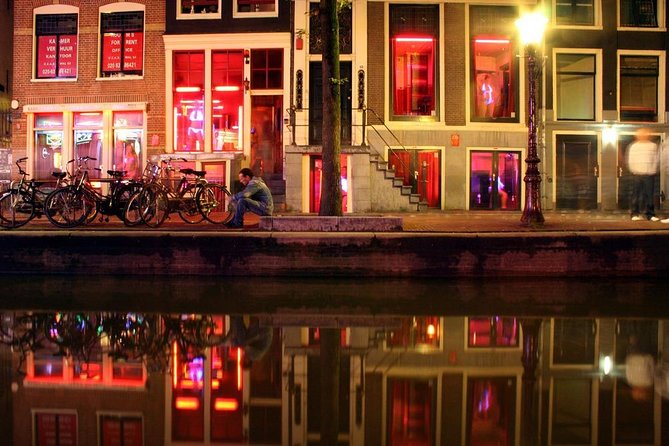
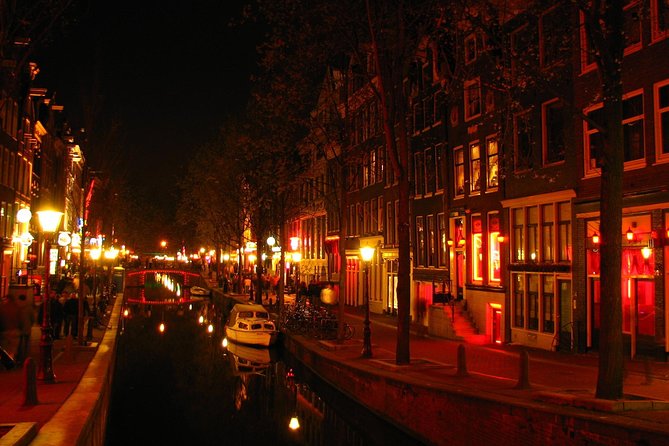
This tour takes you through De Wallen, Amsterdam’s most famous Red Light District, specifically at night. That timing changes the vibe. Streets feel more alive, signage is brighter, and the reality of the area hits harder than it does in daylight.
What makes the walk worth your time is that it doesn’t treat the district like a random set of storefronts. The guide explains the laws and rules connected to how the area operates—especially what you’re looking at in the windows. You’ll also hear how sex work fits into the wider picture of Amsterdam’s systems, rather than being presented as pure spectacle.
You’ll also cover the coffeeshop culture in the same conversation. That pairing is useful. Amsterdam has rules, and the city has long been known for how it regulates what it allows. When you understand the legal boundaries, you can look at what you see with clearer eyes instead of guessing.
A practical note: you’ll likely notice the mix of locals, visitors, and people just going about their evening. The tour’s focus on respectful understanding helps you blend in instead of turning the whole experience into a staring contest.
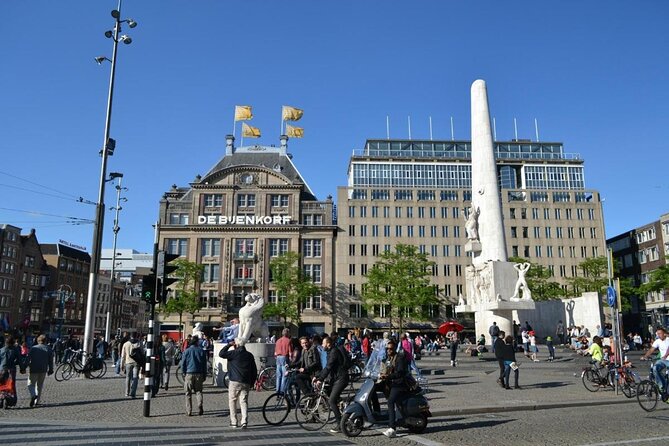
The Dam and Amsterdam’s Wooden-Pole City: Why the Streets Stand Up
After the Red Light District portion, the walk shifts into Old Town context. One stop connects you to Amsterdam’s famous engineering story: the idea that the city is built on wooden poles because the ground is made of thick layers of fen and clay.
Here’s the key detail to remember: wooden foundation piles were driven deep through clay, peat, and water until they reach a solid sand layer, with building piles sitting about 11 meters deep. That’s one of those facts that turns an ordinary street into a bigger story. You stop seeing Amsterdam as just canals and buildings and start seeing it as an engineering solution.
It also helps explain why the city’s oldest areas matter. This part of the route sits in the Old Town area, tied to the district’s deeper roots. You’ll get the sense that the streets around you aren’t just modern nightlife lanes—they’re built on centuries of decisions about land, water, and where people could safely construct a city.
Pub The Ape (Int Aepjen): Wooden Buildings and a Lesson from a Fire
One of the most memorable historic stops is Pub The Ape, known in Dutch as Int Aepjen. The building dates to around 1540, and it’s especially notable because it’s one of the remaining wooden buildings in Amsterdam—one out of two remaining.
Why is that surprising? Because Amsterdam had a major shift after a big fire in 1452, when authorities pushed toward brick facades. So when you see a wooden structure surviving from that era, it’s not just charming—it’s a rare survivor from a city that changed building rules for a reason.
This stop works well during a Red Light District tour because it anchors you away from shock and back into place. You’re still in the same city blocks, but now you’re seeing the older architectural layers under the modern reputation.
Waag: A City Gate That Became a Meeting Place for Crafts
Next up is the Waag, which used to be one of Amsterdam’s city gates and ties into the defensive wall of the past. It was built around the 1400s and is described as the city’s second-oldest building.
What’s neat is the transformation. Over time, the Waag wasn’t only about stopping people—it became a center for organizations. Craftsman’s groups, known as guilds, set up within the Waag and around the square.
That’s useful context for a walk like this because Amsterdam’s identity isn’t only about canals and art museums. It’s also about institutions—how trade, work, and rules shaped neighborhoods. Seeing the Waag in the same evening as De Wallen makes the city feel less like two separate worlds and more like one continuous system.




The Smallest House and the VOC Connection
The tour also points out the smallest house of Amsterdam, built around the 1700s. It originally served as storage for the VOC trading company, the Dutch trading powerhouse tied to global commerce.
Later, people lived there for a long time, which adds a very human angle. Amsterdam’s city center has always had density challenges, and this tiny building becomes a symbol of how people adapted—sometimes in ways that feel almost impossible by today’s standards.
If you like details that make you look twice, this stop delivers. It also helps you see the city beyond the headline reputation. The Red Light District is the evening draw, but the older buildings and unusual uses of space show why Amsterdam became what it is.
From VOC Storage to a Condom Shop Since 1987
One of the more eye-opening practical stops is the world’s first condom shop focused on condoms, which has been in place since 1987. The shop is known for offering customized condom sizes and different special condom types.
Even if you’re not shopping, the bigger point is how Amsterdam handles adult commerce openly and with specific offerings. On a tour that’s explaining laws and window rules, this stop rounds out the story. You see how the city doesn’t just tolerate adult-related topics in hidden corners—it creates regulated spaces for them.
It can feel like whiplash if you’re expecting only “history stops.” But if you go with curiosity, it makes the whole evening make more sense.
The Value of This Tour’s Approach (and What It Costs)
The price is $31.24 per person, for about 2 hours in a capped group of 16. For central Amsterdam at night—where walking tours can run surprisingly high—that’s fairly approachable.
The best value part isn’t the ticket price. It’s the way the guide connects dots: how rules work, why the district looks the way it does, and how older buildings in the same area tell a longer story about Amsterdam. Admission is free for the tour stops, so you’re paying for interpretation and time on foot, not for access fees.
Also, with start times available and booking happening far in advance on average, the tour tends to be in demand. That’s often a sign the route and guide format work well for the specific goal: getting your bearings while learning what you’re seeing.
Who This Walk Fits Best
This tour is a strong match if you:
- want an orientation-friendly Red Light District experience instead of a casual wander
- like rules-based explanations of how the district operates
- enjoy city-center history in a practical, walking format
It’s not the best pick if you:
- feel strongly uncomfortable with adult-themed sights and adult-related commerce
- need routes that avoid the reality of nighttime narrow streets
It’s also ideal if you’re new to Amsterdam. Several guides on this format get praised for making the experience feel understandable without turning it into a lecture, and that tone matters a lot here.
How the Guides Make or Break This Kind of Tour
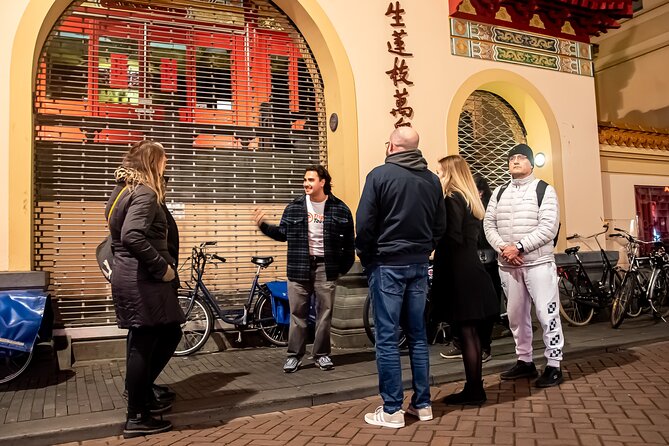
What I’d watch for on any Red Light District walk is how the guide handles two things at once: respecting the area and still keeping people engaged. Here, the guide approach gets highlighted with real names like Robin, Gio, and Aaron—each mentioned for being friendly and for keeping the group moving and included.
That group management shows up in small ways. One guide is noted for keeping track of the full group and making sure everyone could ask questions. Another is praised for making the tour feel like an experience you’ll actually remember, not just a checklist of locations.
When you’re in a place like De Wallen, this matters. The route can’t be just facts. You need a human guide to calibrate the mood, answer awkward questions cleanly, and help you avoid accidentally acting like a tourist prop.
Practical Tips for an Adult-Themed Evening Walk
Keep your expectations realistic. This is a night walking tour, and it’s in the city center—so you’ll want to dress for walking and stay aware of the street pace.
A few things that help:
- Bring a respectful attitude. You’ll see adult-related scenes and storefronts; focus on understanding, not judging.
- Come with one or two questions about how Amsterdam’s rules work in practice. The guides are set up to answer.
- If you’re sensitive to nightlife crowds, consider picking a start time that feels comfortable for you. Multiple options are offered.
And yes, it’s okay if you feel surprised. Just don’t let surprise turn into mockery.
Should You Book This Amsterdam Red Light District and City Center Tour?
I’d book it if you want a 2-hour evening plan that does more than show you famous streets. The combination of De Wallen at night plus Old Town stops like Waag, Pub The Ape (Int Aepjen), and the smallest house makes this tour feel like Amsterdam, not just one topic.
Skip it if adult-themed sights will put you off for the entire evening, or if you need step-free or mobility-friendly routes. And if you already know Amsterdam’s legal framework and you want only the biggest photo spots, you might prefer a different style of tour.
For first-timers, though, this hits a sweet spot: you get your bearings fast, you learn the rules behind what you’re seeing, and you leave with a few specific landmarks that help Amsterdam feel layered instead of one-note.
FAQ
How long is the Amsterdam Red Light District and City Center walking tour?
It’s about 2 hours.
Where does the tour start and end?
The meeting point is Geldersekade 2, 1012 BH Amsterdam, and the activity ends back at the same meeting point.
What language is the tour offered in?
The tour is offered in English.
What does it cost?
The price is $31.24 per person.
How big is the group?
The tour has a maximum of 16 people.
Are there multiple start times?
Yes, there are multiple start times available to fit your schedule.
Is admission included for the stops?
Admission tickets are listed as free.
Is the tour okay for people with limited mobility?
It’s not recommended for travelers with limited mobility.
Are service animals allowed?
Yes, service animals are allowed.
What is the cancellation policy?
You can cancel for a full refund up to 24 hours before the experience starts. Confirmation is received at booking.