REVIEW · AMSTERDAM
Amsterdam: Stedelijk Museum (Private Tour with Art Historian)
Book on Viator →Operated by Amor Artium · Bookable on Viator
Modern art can feel like a test. This private Stedelijk Museum tour turns it into a guided story you can actually follow, with an art historian leading the way inside 1 hour 30 minutes. You meet right on Museumplein, then get a smart walk through the museum’s modern and contemporary highlights.
Two things I really like about this experience are the focus and the guide support. You get a clear sequence of key movements and artists, including Mondrian and De Stijl, German Expressionism like Kirchner and Kandinsky, and pop and minimalism with Warhol, Lichtenstein, Judd, and Flavin. And based on the guide praise, folks named Mercedes and Liz are known for making rooms less overwhelming and for explaining themes in plain language.
One consideration: this is a highlight-style route. The Stedelijk is big, so you’ll have to choose your own pace after the tour if you want to linger on a specific artist or work.
In This Review
- Key Highlights You Should Know Before You Go
- A Private Stedelijk Tour That Makes Modern Art Make Sense
- Meeting on Museumplein: Start With a Plan
- Early Modernism and Dutch Avant-Garde: De Stijl, Mondrian, and Why Lines Matter
- German Expressionism and Surrealism: When Art Won’t Behave
- Post-WWII Abstract Expressionism: The Big Idea After the War
- Pop Art and Minimalism: From Warhol’s Images to Judd and Flavin’s Space
- Contemporary Art and the Stedelijk Today: Why This Museum Still Matters
- Price and Value: What You’re Really Paying for
- What Group Size and Timing Really Change
- Accessibility and Practical Comfort Notes
- Who Should Book This Stedelijk Private Tour?
- Should You Book It?
- FAQ
- How long is the Stedelijk Museum private tour with an art historian?
- What’s the price for this tour?
- Is the tour private or shared?
- What language is the tour offered in?
- Where do we meet the guide?
- Where do we redeem the ticket?
- Is admission included?
- What time does the tour start?
- Are service animals allowed?
- Can I cancel for free?
Key Highlights You Should Know Before You Go
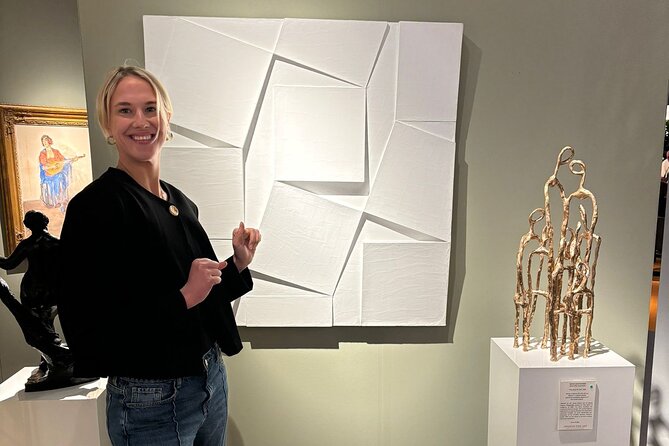
- A private group of up to 4 means you can ask questions without “tour traffic.”
- A tight 1 hour 30 minutes keeps the experience focused instead of wandering.
- Modern to post-war to contemporary coverage hits major turning points in a logical order.
- Art explained by an historian, not a script makes the movements easier to “see.”
- Mercedes and Liz are praised for navigating rooms and for approachable, theme-based explanations.
- Admission ticket is marked free, so you’re paying mainly for the guidance.
A Private Stedelijk Tour That Makes Modern Art Make Sense
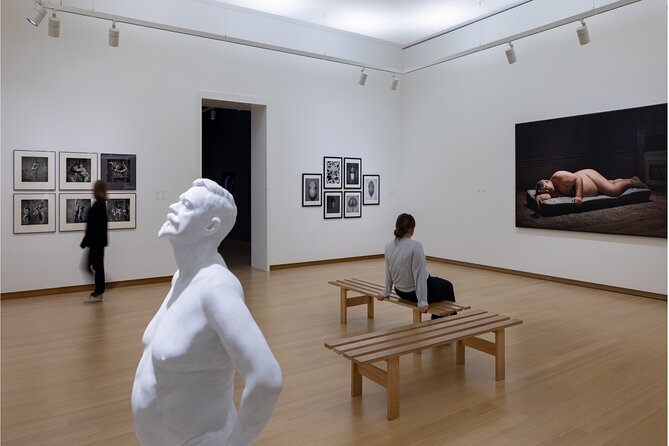
If you’ve ever stared at a huge abstract painting and thought, I’m missing the secret code, you’ll appreciate what this tour does. It doesn’t treat modern art like a museum puzzle you’re supposed to solve alone. Instead, it gives you a framework—movement by movement—so you know what you’re looking at and why artists were pushing new ideas.
The biggest value for me is that the tour is built around context. You don’t just get names. You get the logic behind them: why certain styles appear, what they reacted to, and how artists shared ideas even when their work looks totally different. That turns the museum into a timeline you can follow.
Another win is that it’s private. Even if you’re coming with friends, you won’t be stuck listening over other groups. You can point, ask, and adjust your pace. And the guide praise is pretty consistent on this point: Mercedes, in particular, is noted for helping guests navigate an overwhelming experience and for taking time to explain themes and room highlights.
You can also read our reviews of more tours and experiences in Amsterdam.



Meeting on Museumplein: Start With a Plan
You’ll meet in front of the Stedelijk Museum entrance on Museumplein for a short history and significance intro. The meeting address is Museumplein 6, and the ticket redemption point is Museumplein 10—close, but it’s worth knowing so you’re not sprinting in circles.
Starting on Museumplein is practical. You’re in the right part of the city for museum-hopping, and you’re already set up to continue your day after the tour ends back at the meeting point. The start time is 12:00 pm, and it wraps up about 1 hour 30 minutes later.
My simple tip: arrive a bit early and do a quick check of your route inside the museum. Even with a guide, it helps if you’re ready to move. Museums always feel faster than you expect once you’re inside.
Early Modernism and Dutch Avant-Garde: De Stijl, Mondrian, and Why Lines Matter
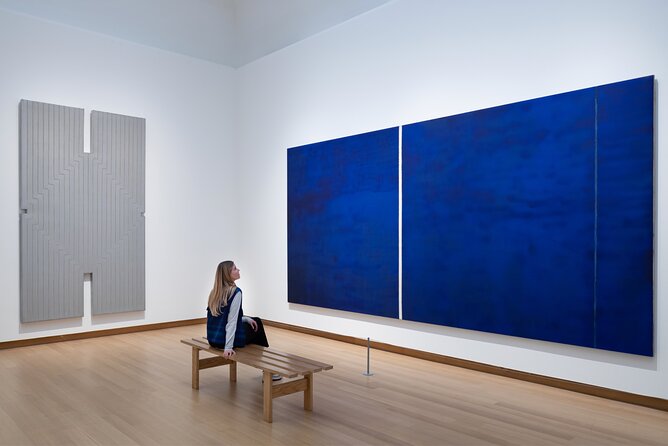
The tour’s first art lane is early modernism and the Dutch avant-garde, which is exactly where a lot of people get stuck. Modern art can look “simple” at first—then you realize it’s doing something complicated.
This stop spotlights works tied to Mondrian and van Doesburg, plus the De Stijl approach. The practical payoff for you is learning what to notice. With De Stijl-style abstraction, you’re not just looking at pretty geometry. You’re looking at a belief system about order, balance, and how art can aim for clarity. The guide helps you see how the style connects to a broader cultural push toward a new kind of visual thinking.
What to watch for with this material:
- How colors and lines are used as structure, not decoration
- How the work creates harmony through strict choices
- How the idea of reduction can still feel expressive
If you’re the type who likes facts, this is a good entry point. If you’re the type who needs art to connect to real emotion, this is still worth it because the guide gives you the “why” behind the rules.
German Expressionism and Surrealism: When Art Won’t Behave
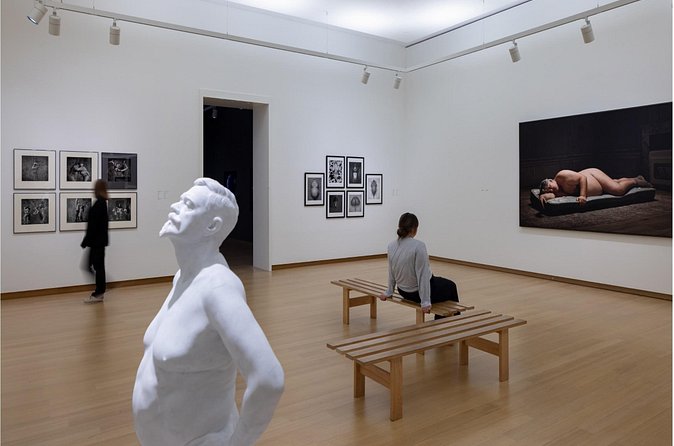
Next comes expressionism and surrealism, two styles that can feel like opposites. Expressionism leans into raw intensity and emotional distortion. Surrealism goes for dream logic—strange images that feel symbolic rather than literal.
The tour mentions German Expressionism artists including Kirchner and Kandinsky, plus dreamlike surreal works associated with Salvador Dalí. This is the part where I think the guide skills really matter, because these styles can be loud on the first look. Without context, you might either overthink or under-read the work.
With a good historian at your side, you can shift from What am I supposed to think? to What is the artist trying to communicate? Expressionism often works by amplifying feelings—through color, gesture, and tension. Surrealism does something different: it invites you to follow a logic that isn’t ordinary reality.
Practical advice for you here: don’t try to “solve” every symbol. Instead, pick one piece and ask yourself what it makes you feel. Then use the guide’s themes to connect feeling to intention.
And this is where the guide praise is especially relevant. One review notes Mercedes helping guests navigate an overwhelming experience and taking time to explain themes and highlights of the rooms. That kind of support is exactly what keeps expressionism and surrealism from becoming a blur.
Post-WWII Abstract Expressionism: The Big Idea After the War
Then you shift into abstract expressionism and post-war art, with artists named like Pollock, Newman, and de Kooning. This is one of those sections where people either get instantly hooked or feel lost fast—because the visual language is energetic, physical, and sometimes fragmentary.
The tour’s value here is the framing. You’ll learn how these works reflect a period when artists were rethinking what painting could do. It’s not only about style; it’s about freedom, experimentation, and often a new kind of scale—emotional scale as much as physical scale.
What I think you’ll get most from this part:
- Why gesture and technique matter, not just the finished look
- How the pieces can feel like action, not just an image
- How different artists still share a post-war mindset even when their styles diverge
If you’re tempted to rush past big paintings, slow down here. Abstract expressionism rewards attention. Look at how the composition pulls your eye. Notice where the work is controlled and where it seems to spill outward. The guide helps you connect those observations to the bigger art story.






Pop Art and Minimalism: From Warhol’s Images to Judd and Flavin’s Space
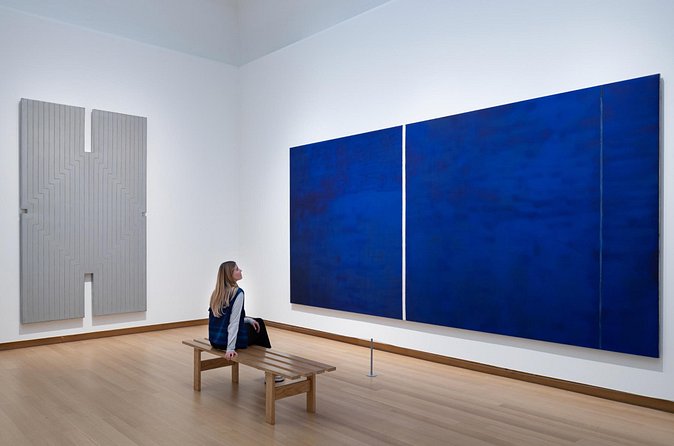
After the intensity of earlier modern styles, pop art and minimalism can feel like a reset. Pop art brings everyday culture into high-art conversation. Minimalism strips things back until the space around the object becomes part of the experience.
The tour includes Warhol and Lichtenstein on the pop side, then points you toward minimalist artists named Judd and Flavin. Even though these styles look different, they’re linked by the question: What does art mean when it uses popular imagery or when it reduces objects to near-essentials?
Here’s what you’ll likely find helpful as a visitor:
- Pop art gets easier when you understand the cultural target—mass media, consumer images, repetition, and the way we look
- Minimalism gets easier when you treat it like architecture for the eye
A big practical note: minimalism often doesn’t hit from across the room. You’ll benefit from moving your viewpoint. If you have a guide, ask about how to read the space—where the edges are, where light changes perception, and what the artist chose to keep out.
This is also a nice section for a break in your brain. By the time you reach pop and minimalism, you’ve already learned the museum’s “earlier chapters,” so these works feel less random.
Contemporary Art and the Stedelijk Today: Why This Museum Still Matters
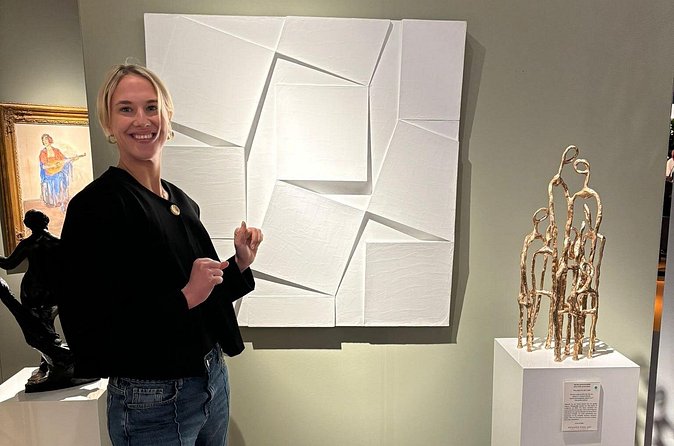
The tour ends with contemporary art and the Stedelijk Today portion, covering recent acquisitions and the museum’s role in shaping modern visual culture.
This is a smart closing chapter because it answers the question you’ll otherwise have in your head: Okay, so what now? Modern art can feel historical when you’re only thinking about famous names. But the Stedelijk’s contemporary focus shows that the conversation is ongoing—new ideas keep entering the museum through acquisitions and changing curatorial priorities.
You won’t get a full day of contemporary work in just 1 hour 30 minutes. Still, this final stop helps you leave with a sense of direction. It points you toward how the museum continues to build taste and influence, not only how it preserved the past.
If you’re the type who likes to leave with a follow-up reading list, this final section is your “which artists should I look up next” moment.
Price and Value: What You’re Really Paying for
The tour price is $180.19 per group (up to 4) for about 1 hour 30 minutes. That sounds simple, but value comes down to what you get inside that time.
You’re paying for:
- A private experience instead of shared headsets and random pacing
- A guide described as an art historian (the key difference: you’re getting interpretation, not just directions)
- Coverage of big modern and contemporary themes, with a clear chain through major movements
- Admission listed as free for the tour experience
If you’re traveling with up to three other people, the per-person cost can drop a lot compared with solo-guided options. Even if you’re only two, it’s often worth it in a museum like the Stedelijk, where understanding what you’re seeing can feel like the whole point.
One more value note: the tour is booked, on average, 33 days in advance. That’s a sign it’s not always a last-minute impulse buy if you want the exact time slot.
What Group Size and Timing Really Change
This is best thought of as a focused “primer” tour. The private format changes how much you can benefit.
With a small group, you can:
- Ask quick questions when something doesn’t click
- Spend extra moments on the works you connect with
- Adjust if certain styles feel more compelling than others
The duration matters because it sets expectations. In 1 hour 30 minutes, the guide can’t cover everything. But you get a strong backbone. Then you can return on your own to the artists you care about most.
This also means it’s not the best choice if you want a long, slow, total museum marathon. It’s more about clarity and momentum.
Accessibility and Practical Comfort Notes
Service animals are allowed, and most travelers can participate. There’s also praise for guide support with wheelchair needs—Mercedes was commended for going above and beyond to make a trip seamless and stress-free for someone using a wheelchair.
If you need specific assistance, I’d recommend reaching out when booking. It’s not listed here as a promise for every situation, but the documented care in the feedback suggests the guides take needs seriously.
As with any museum, wear comfortable shoes and plan for standing time. The good news: a private tour helps you move with purpose instead of stumbling around.
Who Should Book This Stedelijk Private Tour?
This tour makes a lot of sense if:
- You want modern art explained in plain language
- You like structured art viewing—movement by movement
- You’re visiting with friends or family and want a calmer museum experience
- You’d rather ask questions than read every wall label
It might not be the best fit if:
- You want to spend the whole day at the Stedelijk without a set route
- You’re already deeply familiar with modern art movements and want only specific, detailed works
The sweet spot is you want guidance, not hand-holding—and you want it fast enough to still enjoy the rest of your day in Amsterdam.
Should You Book It?
I’d book this tour if you’re curious but wary of modern art turning into guesswork. The combination of a private group, an art historian approach, and a route that connects De Stijl through expressionism, surrealism, abstract expressionism, and pop/minimalism gives you a big payoff for the time.
Also, the guide support stands out in the praise for Mercedes and Liz—helpful for anyone who finds museums overwhelming. You’ll likely feel steadier walking into each room because you already know what story you’re about to see.
If you’re price-sensitive and you’re traveling solo, you might compare alternatives. But for a small group, the setup looks like strong value: $180.19 per group for an experience that helps you “read” the museum, not just pass through it.
FAQ
How long is the Stedelijk Museum private tour with an art historian?
It lasts about 1 hour 30 minutes.
What’s the price for this tour?
It costs $180.19 per group, for up to 4 people.
Is the tour private or shared?
It’s private. Only your group participates.
What language is the tour offered in?
The tour is offered in English.
Where do we meet the guide?
Meet in front of the museum entrance on Museumplein (Museumplein 6, 1071 Amsterdam).
Where do we redeem the ticket?
The ticket redemption point is Stedelijk Museum Amsterdam, Museumplein 10, 1071 DJ Amsterdam.
Is admission included?
The admission ticket is marked as free for this experience.
What time does the tour start?
The start time is 12:00 pm.
Are service animals allowed?
Yes, service animals are allowed.
Can I cancel for free?
Yes. You can cancel up to 24 hours in advance for a full refund.