REVIEW · AMSTERDAM
Anne Frank Private Bike Tour in Amsterdam
Book on Viator →Operated by 360 Amsterdam Tours · Bookable on Viator
Amsterdam by bike already sounds fun, but this one has a purpose. You ride along the Amstel with a private guide, then reach the River District where Anne Frank grew up. I love that you’re on a city bike with 7 gears and they’ll adjust it to your height, so the ride feels manageable instead of stressful.
Two other wins: your guide keeps you from getting lost, and the stops are timed for real stories (not just quick photo breaks). One consideration: you’ll bike for about 2 hours on city streets, and even though most people can do it, you should be comfortable balancing on a bicycle before you commit.
In This Review
- What you’ll actually get out of the route
- Key things to know before you ride
- Entering Amsterdam’s story on two wheels
- Bikes, meeting spot, and what to plan for
- Stop 1 on the Amstel: holocaust memorials and the River District
- Spinoza Monument pause: a short stop that resets your pace
- Passing the Dutch National Opera & Ballet: a visual breather
- De Schaduwkade and Magere Brug: classic Amsterdam views with context
- Merwedeplein: the Anne Frank neighborhood on the ground
- The guide factor: how the tour stays organized
- What’s included (and what you’ll need to bring)
- Price of $130.04: does it feel like value?
- Who should book this Anne Frank private bike tour
- Should you book this tour?
- FAQ
- How long is the Anne Frank private bike tour in Amsterdam?
- Where does the tour start, and what time is it scheduled?
- Is the tour offered in English?
- What bike is provided for the tour?
- Are any of the stops requiring paid admission?
- What happens if the weather is bad?
- Can I cancel for a full refund?
What you’ll actually get out of the route
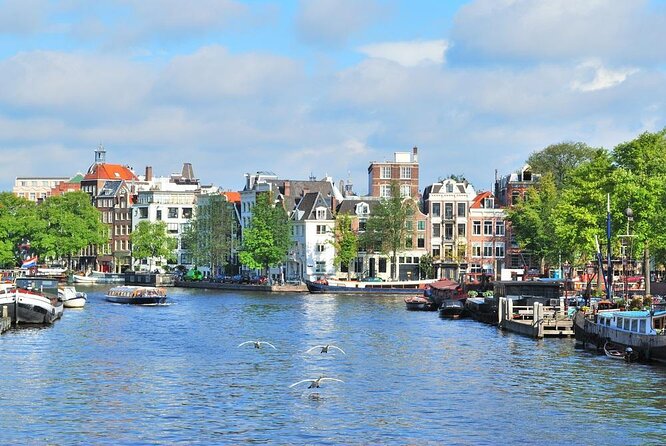
This tour mixes movement and meaning. You’ll pass holocaust memorials and hear WWII-related stories during the ride, then slow down at key points around the Anne Frank area. The vibe stays thoughtful and organized, and it’s also built for questions—because it’s private, it’s just your group out there.
If you like history, but you also like fresh air and getting your legs moving, this is a strong match. And if you want a guide who adds practical sightseeing suggestions along the way, you’ll probably enjoy that too—one of the best themes from prior guests is that the guide goes beyond the core stops.
Key things to know before you ride
- Private means just your group: no merging with strangers, and it’s easier to ask questions.
- 7-gear bikes are part of the deal: you get a bike rental for the full 2 hours, with gear options to help your pace.
- Your guide meets you with an orange umbrella: look for the guide at the Staalmeester Bridge love bridge area close to Waterloo Square and Rembrandt Square.
- You’re riding the Amstel, not zig-zagging blindly: the route uses the river corridor to keep directions simple.
- Two longer story stops anchor the tour: River District + Merwedeplein are where the Anne Frank connection lands.
- It depends on weather: the tour requires good weather, so plan a little flexibility if the forecast is shaky.
You can also read our reviews of more tours and experiences in Amsterdam.
Entering Amsterdam’s story on two wheels
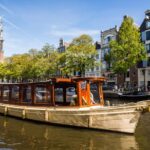
The big idea here is smart: instead of standing still and trying to memorize a city map, you’re led through Amsterdam with the river as your spine. The tour starts with a clear meet-up point near the love bridge (Staalmeester Bridge), and the guide is easy to spot with the orange umbrella 15 minutes before the 11:30 am start. That small detail matters. In Amsterdam, where streets shift and canals multiply, orientation is half the trip.
You’ll also get city bikes with at least 7 gears, and they’ll help set the bike to your height. That’s not just a comfort perk. Better fit means better control, and control means you can focus on the stories rather than wrestling your bike.
Finally, you’re not stuck in a language problem. The tour runs in English and is offered in six languages overall, so if you’re not a fluent English speaker, you may still have options.
Bikes, meeting spot, and what to plan for
Let’s talk logistics in plain terms, because these are the things that make or break a bike tour.
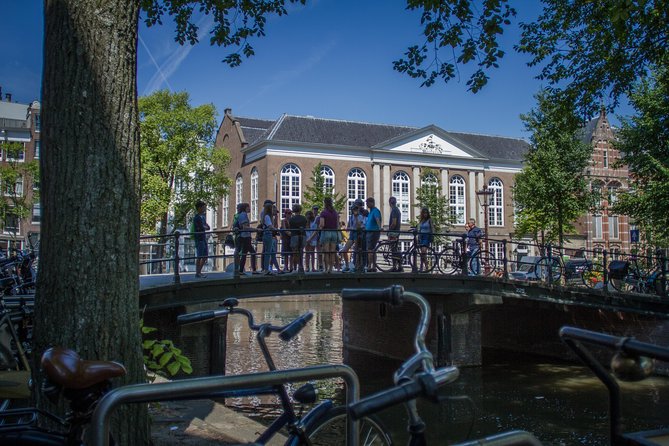
The tour begins at the Flagship Bike Tours Amsterdam location on Nieuwezijds Voorburgwal 101 (1012 RG). Your guide then meets you at the love bridge area near Waterloo Square and Rembrandt Square, holding an orange umbrella. Expect to arrive early—your guide plan includes meeting you about 15 minutes ahead so you can get fitted and settle.
Timing-wise, this is roughly a 2-hour tour. It includes biking plus several stops: one longer ride segment, two short story/landmark pauses, and one longer Anne Frank neighborhood segment. There’s also a mix of on-bike narration and brief stops, so you’re not constantly getting on and off.
What to bring:
- Comfortable clothing and shoes for riding
- Water (snacks and drinks are not included)
- A light layer if the wind off the water feels chilly
And one more practical thing: this tour requires good weather. If rain changes the plan, you’ll be offered a different date or a full refund—so don’t book this if you’re locked into a tight schedule and can’t shift at all.
Stop 1 on the Amstel: holocaust memorials and the River District
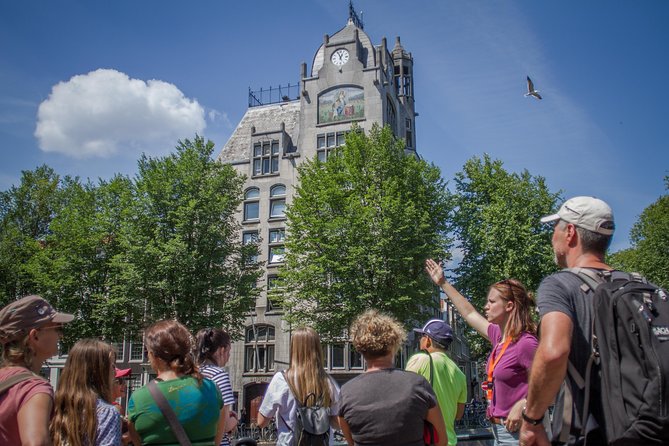
The heart of the ride starts on the Amstel. Your guide leads you along the river with stories tied to WWII, including passing holocaust memorials. This is where the tour’s tone sets itself: you’re moving through the city while the guide connects places to what happened here.
The plan includes a bike ride of about 4 km. Along that stretch, you’ll stop several times for more in-depth stories, so it doesn’t turn into a silent pedal session. And even though it’s history-focused, the pacing stays real-world. You’re not cramming. You’re cycling, learning, then cycling again.
After the ride segment, you arrive in the River District where Anne Frank grew up. From your bike, you’ll transition from “Amsterdam sightseeing” to “this is where a life unfolded.” The tour also notes that time at this segment is about 45 minutes, with admission ticket free. That matters because it keeps the flow moving—no unexpected queues or paid museum detours.
Possible drawback at this stage: the Amstel corridor is scenic, but it also means you’re sharing space with other cyclists and everyday traffic. If you’re brand-new to riding in the city, take the first minutes slowly and make sure your bike fit feels right. You’ll thank yourself later when you’re listening instead of bracing.
Spinoza Monument pause: a short stop that resets your pace
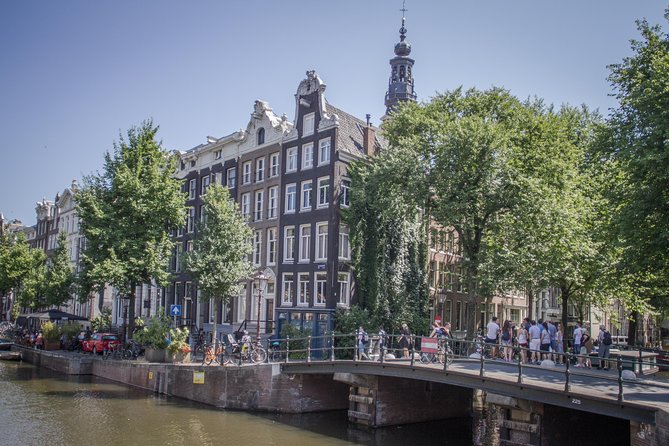
Next comes a shorter segment at the Spinoza Monument. This part is brief—about 15 minutes—so think of it as a reset button between the longer story blocks.
Why include a stop like this? Because it breaks the mental heaviness. After memorial-focused narration and the forward push toward the River District, a compact landmark pause gives your brain a breather before you continue. It also keeps the tour from feeling like a straight line of one topic.
Also, short doesn’t mean pointless. These stops are where a guide can add context in a way that works with your pace. On a bike tour, that kind of timing is everything.

Passing the Dutch National Opera & Ballet: a visual breather
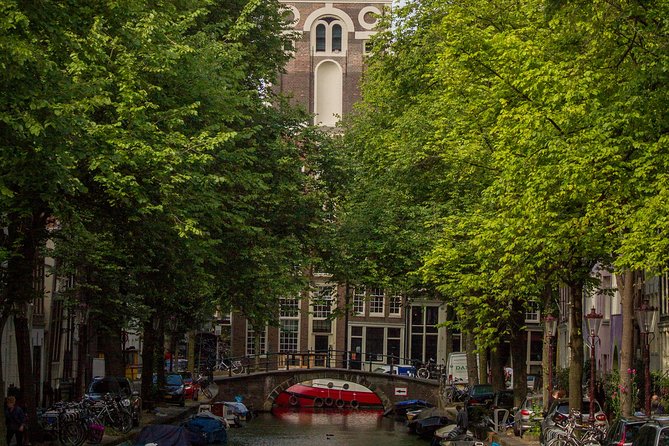
Between the story points, you’ll also pass by the Dutch National Opera & Ballet. This isn’t a long stop, but it’s a nice reminder that the area isn’t only remembered for WWII. Amsterdam is still living and performing and building culture in the present tense.
This type of pass-by can be useful if you worry that a history tour might turn into a single emotional track. You get to look up, take in a landmark, and then get guided right back to what matters.
No tickets are mentioned for this specific pass-by segment, so the value here is mostly visual and atmospheric.
De Schaduwkade and Magere Brug: classic Amsterdam views with context
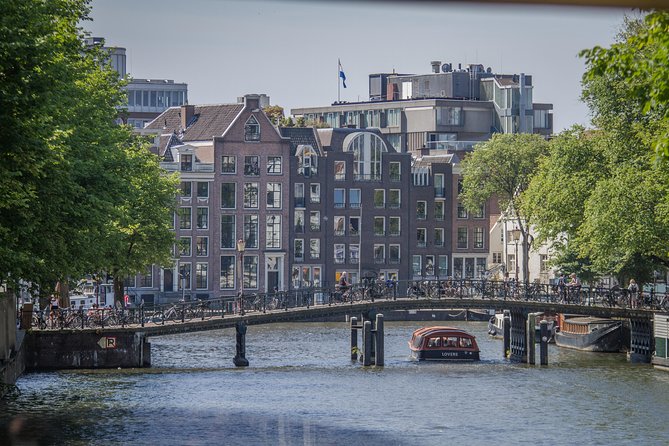
After Spinoza, you’ll head toward De Schaduwkade, another about-15-minute stop. The aim seems to be a mix of orientation and atmosphere—getting you onto the canal streets and water-adjacent views that make Amsterdam feel like Amsterdam.
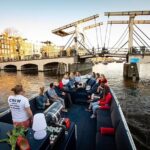
From there, you’ll pass by the Magere Brug (Skinny Bridge) on the Amstel. This is one of those recognizable canal moments, and it makes the ride feel like a real tour of the city—not just a way to get from A to B.
Here’s the practical benefit of these “in-between” stops: they’re spaced so you’re not burning out. History-heavy tours often forget that you’re doing physical work. But on this one, the route includes short scene changes and breathing spaces, so you keep paying attention instead of zoning out.
If you’re thinking about comfort, this is also where you’ll want to keep an eye on your bike position and hand placement. Even calm city cycling can tighten your shoulders after a while. If anything feels off, adjust early rather than waiting until the end.
Merwedeplein: the Anne Frank neighborhood on the ground
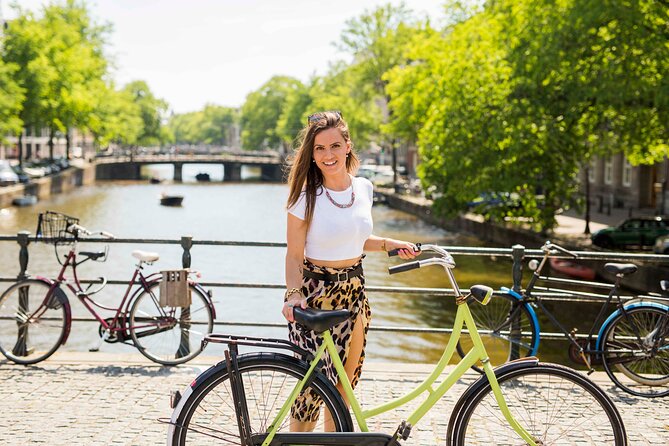
Then you reach the main neighborhood moment at Merwedeplein, with about 45 minutes on this stop area. This is where the Anne Frank connection becomes specific and place-based.
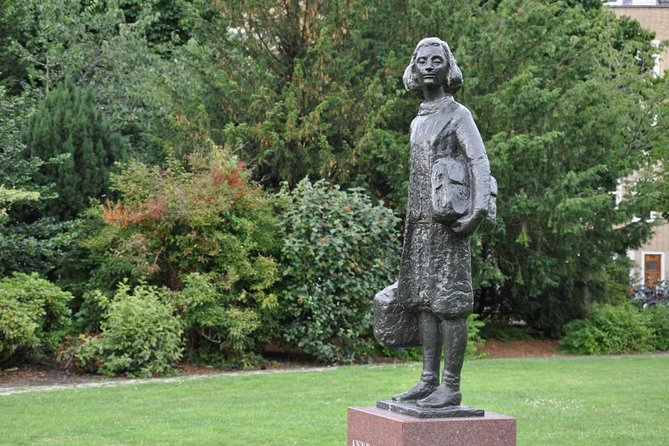
The tour focuses on the River Quarter of Amsterdam, highlighting that key pieces connected to her life are located there, including her house, her primary school, and the bookshop where her diary was bought. That set of locations is what makes this stop different from a generic “Anne Frank area” walk. You’re not just hearing names—you’re moving around a specific cluster.
Your guide uses this serene square as a storyline base, telling you about Anne Frank’s life before and during hiding. Then you’ll move around the neighborhood to feel and see how the places connect, before returning toward the city center.
This is also where the value of a private setup becomes clear. You can ask follow-up questions without feeling rushed. And because the guide is already narrating while you ride, you’re not stuck trying to piece things together later when the adrenaline fades.
A fair consideration: because this segment is emotional and WWII-related, keep in mind that some people find it heavy even when it’s delivered thoughtfully. If you prefer history in lighter doses, you might want to prepare yourself for the tone here.
The guide factor: how the tour stays organized
A strong theme from previous guests is that the guide doesn’t just provide a script. The tour experience is described as very well guided, easy to follow, and full of interesting details about the family Frank and other Jewish families during WWII. That kind of specificity is what turns “sightseeing” into “I understand what I’m looking at.”
There’s also a practical upside: the guide shares additional tips for sightseeing beyond the immediate route. That helps you after the tour too, because you’ll leave with a few ideas for where to go next without guessing.
This is one reason I like the private format here. It’s not only personal—it’s efficient. Your time is spent on the route and the story, not on catching up with a large group that has different interests and different cycling confidence.
What’s included (and what you’ll need to bring)
Here’s the straightforward breakdown of what’s provided:
- Local tour guide
- Private bike tour
- 7 gears city bike rental for 2 hours
You’re also set up with a mobile ticket for the experience.
What’s not included:
- Snacks, food, and beverages
That last part matters because cycling makes you hungry faster than you expect, especially along water where you may not feel the effort as much. Bring a snack plan (even something simple) so you don’t end up stopping mid-ride for something you didn’t plan for.
Price of $130.04: does it feel like value?
At $130.04 per person for about 2 hours, you’re paying for three things: guidance, narrative stops, and bike rental. If you were to rent a bike on your own and then try to build a WWII-focused route with the right stops, you’d spend time figuring out logistics and figuring out what to prioritize.
The tour also marks the key stops as admission ticket free, which is helpful for budgeting. You’re not stacking museum fees on top of the bike cost.
Is it the cheapest option? No. But it’s also not trying to be. The value here comes from the guide keeping you oriented, making the stops meaningful, and turning the ride into a connected experience instead of a list of landmarks.
If you’re traveling with someone who also wants a guided experience (and you want it private), the price can feel more reasonable because you’re buying time and clarity, not just transportation.
Who should book this Anne Frank private bike tour
This is a strong choice if you:
- Want Amsterdam sightseeing with a practical plan so you don’t get lost
- Prefer bike tours that include story stops, not only scenic rides
- Like WWII context delivered at specific locations, not as a generic overview
- Appreciate a private format where questions are easy to ask
It’s also ideal if you’re traveling in a group that has different interests—because the guide can keep the route moving while still answering questions based on what you care about.
One group that should think twice: people who don’t feel comfortable cycling in traffic or can’t handle a city bike for about 2 hours. The tour says most travelers can participate, and the bikes are adjusted to height, but “most” still means you should honestly check your own comfort.
Should you book this tour?
If your idea of a great Amsterdam day includes moving through the city with a guide, this is an easy yes. The route is structured, the guide is easy to follow, and the Anne Frank neighborhood segment ties the story directly to places you can stand on and see. With a rating of 4.9 and a high recommendation rate, the odds are good you’ll leave feeling like your time in Amsterdam was organized and meaningful.
If you’re looking for a long museum-style experience with lots of indoor stops, this may not match your pace. But if you want an Anne Frank-focused ride along the Amstel, with real stops and a thoughtful guide, booking makes sense.
FAQ
How long is the Anne Frank private bike tour in Amsterdam?
It runs for about 2 hours.
Where does the tour start, and what time is it scheduled?
The activity starts at 11:30 am. Your guide meets you at the Staalmeester Bridge (the love bridge) near Waterloo Square and Rembrandt Square, about 15 minutes before the start time.
Is the tour offered in English?
Yes. The tour is offered in English and is available in six languages.
What bike is provided for the tour?
You get a 7-gear city bike rental that’s included for the 2-hour tour, and the bike is adjusted to your height.
Are any of the stops requiring paid admission?
The tour information lists admission as free for the key stops.
What happens if the weather is bad?
This experience requires good weather. If it’s canceled due to poor weather, you’ll be offered a different date or a full refund.
Can I cancel for a full refund?
Yes. You can cancel up to 24 hours in advance for a full refund.