REVIEW · DELFT
Delft: Dive into the Golden Age on a Private Walking Tour
Book on GetYourGuide →Operated by Discover Delft · Bookable on GetYourGuide
Vermeer comes to life on the street. This private walking tour in Delft turns familiar names into something you can actually see—canals, churches, Market Square, and a route that crosses some of the city’s 75 bridges. It’s the kind of city walk where the details matter, because your local guide points out what your eyes would otherwise skip.
I love how the guide weaves Delft’s “who’s who” into one smooth walking story: Vermeer, Antonie van Leeuwenhoek, William of Orange, and even Hugo de Groot (the Father of the Fatherland) are all brought into the same conversation. I also like the control you get—2 hours of sightseeing with a pace that’s flexible enough to slow down or shorten when you need to. One consideration: the experience is not marked as suitable for hearing-impaired guests, and it’s flagged as not suitable for people with mobility impairments even though it notes wheelchair accessibility—so I’d clarify the route and surface before you go.
In This Review
- Key highlights worth planning around
- Delft’s Golden Age, explained street by street
- Starting at Hugo de Groot’s statue (and why it matters)
- Market Square, churches, and canals: the “real Delft” beat
- Crossing some of Delft’s 75 bridges (yes, it’s a lot)
- A tour that feels like you’re reading a painting
- How the guide’s stories make the city easier to read
- Your pace, your time: what 2 hours feels like
- Price and value: $199 for up to 20 (math that can work for you)
- Language and communication: pick the right match
- Who should book this, and who might skip it
- Should you book this private Delft walk?
- FAQ
- How long is the private walking tour in Delft?
- Where does the tour meet?
- What is the price for the tour?
- Is the tour private?
- What languages are available for the guide?
- Does the tour run in bad weather?
- Is the New Church tower visit included?
- What’s the cancellation and payment flexibility?
Key highlights worth planning around
- A story-led walk that links art and science to the streets you’re standing on
- Market Square and canal views with a guide who knows where to look
- Multiple bridge crossings to keep the route visually varied
- A smart starting point at Hugo de Groot’s statue in front of the New Church
- Optional New Church tower time if you request it
- Private pacing for your group, not a fixed herd schedule
Delft’s Golden Age, explained street by street
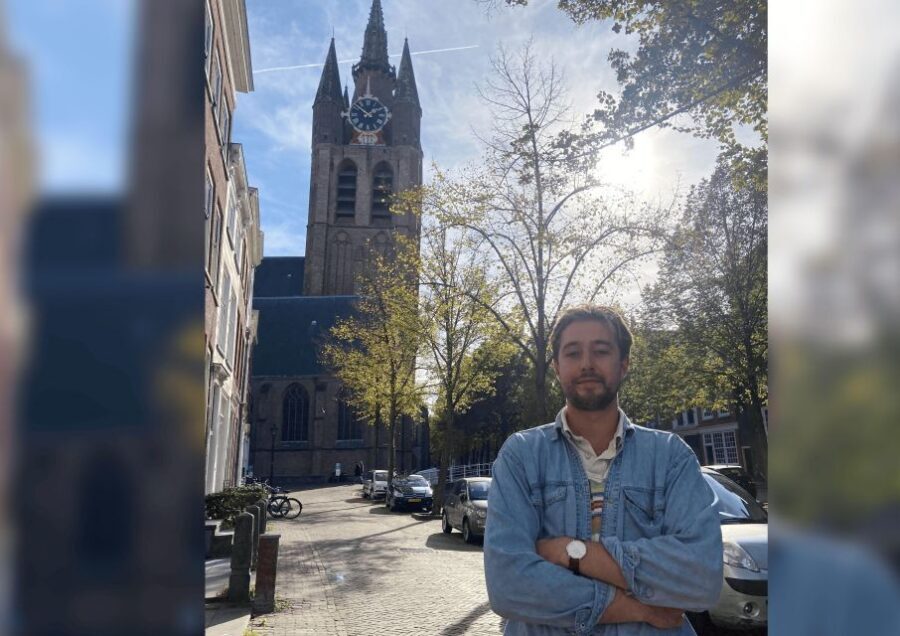
Delft has a special look—brick, canals, and that calm, historical rhythm. But what makes this tour different is that you don’t just look. You listen to why those places mattered during the Dutch Golden Age, when Delft wasn’t some quiet backwater. It was a working city with big ideas moving through it.
Your guide anchors the walk in the people most tied to Delft’s identity. You’ll connect the light-and-composition side of art (Vermeer, the master of light) with the scientific leap linked to Antonie van Leeuwenhoek, the Dutchman associated with discovering microbes. And you’ll also hear about the political story behind William of Orange. The goal isn’t to memorize facts. It’s to understand how Delft’s culture, trade, and civic pride fit together.
Here’s the practical payoff for you: when you leave, the city won’t feel like a set of photo spots. It’ll feel like a timeline you can walk through. That’s a big deal in a town where many buildings look similar at first glance. A good guide helps you see the differences—and why they’re there.
You can also read our reviews of more walking tours in Delft


Starting at Hugo de Groot’s statue (and why it matters)
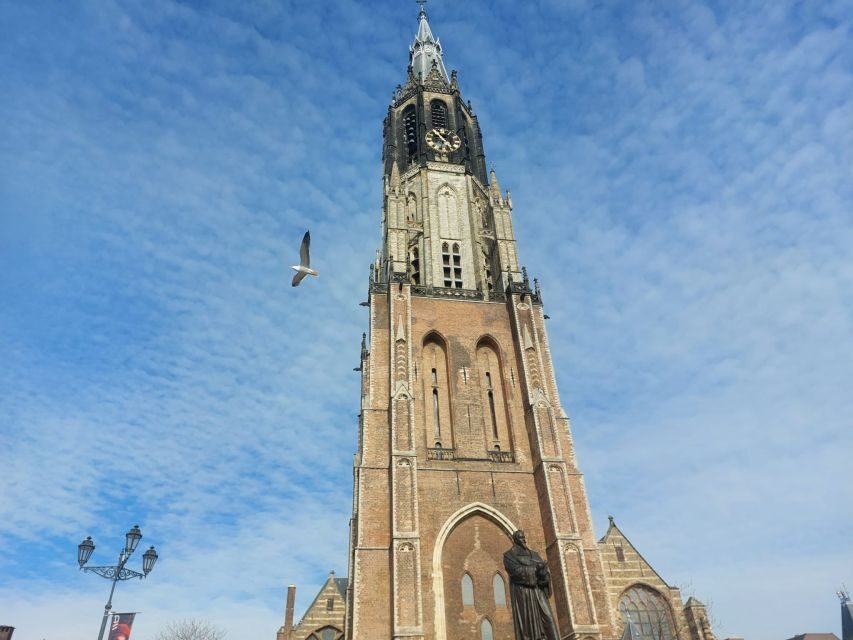
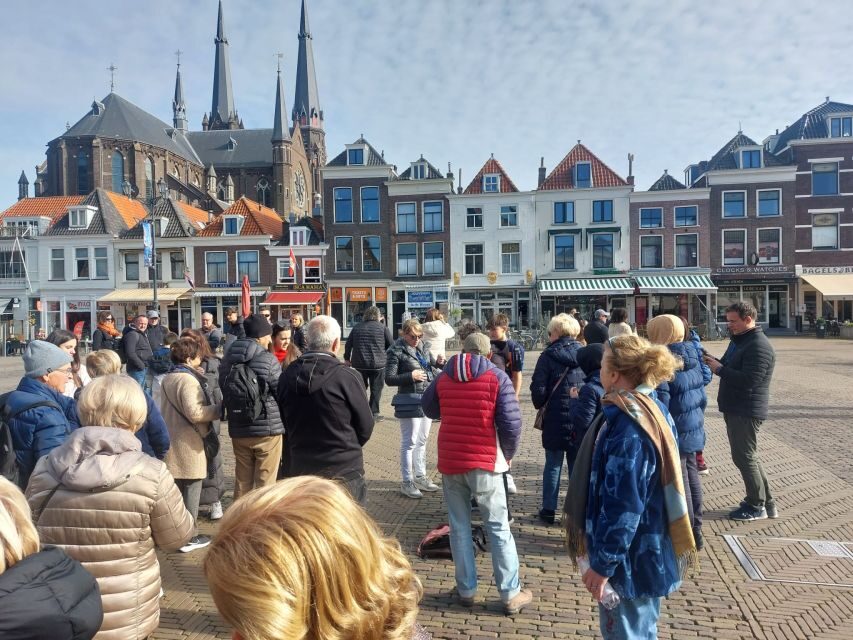
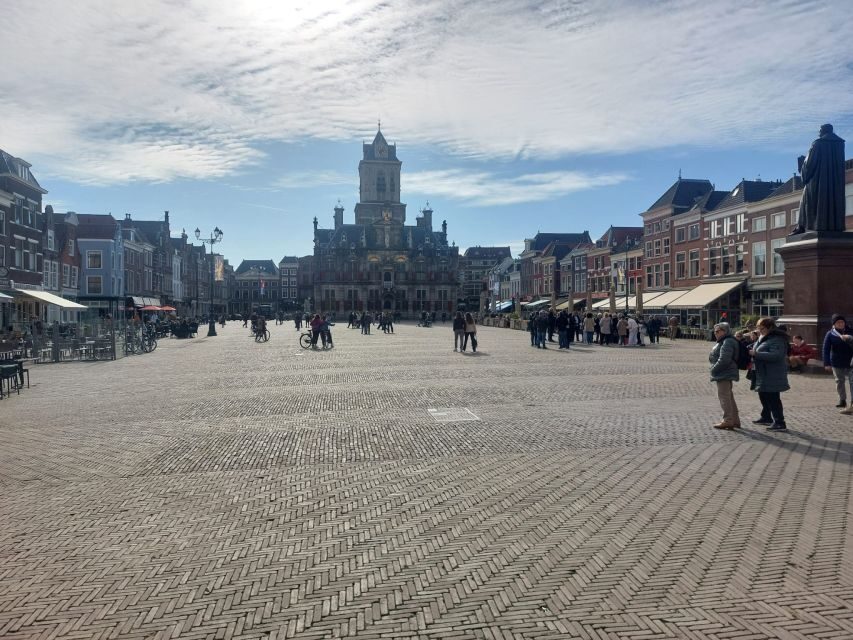
Your tour begins at the Standbeeld van Hugo de Groot, on the market square of Delft, right next to the New Church. That placement is more than convenient. It sets the tone.
Hugo de Groot is more than a name you might recognize from a map. He’s the Father of the Fatherland mentioned in the tour’s story thread, and your guide uses that starting point to get you thinking about Delft as a place shaped by ideas and influence—not just architecture. It’s a clever way to begin because you’re standing in the civic heart before you fan out toward the canals and churches.
Practical tip: arrive a few minutes early so you can orient yourself. The square area is where your bearings click into place for the rest of the walk. Once you see where the New Church sits and where the canal lines pull you, the route gets easier to follow—even if your group decides to slow down.
Market Square, churches, and canals: the “real Delft” beat
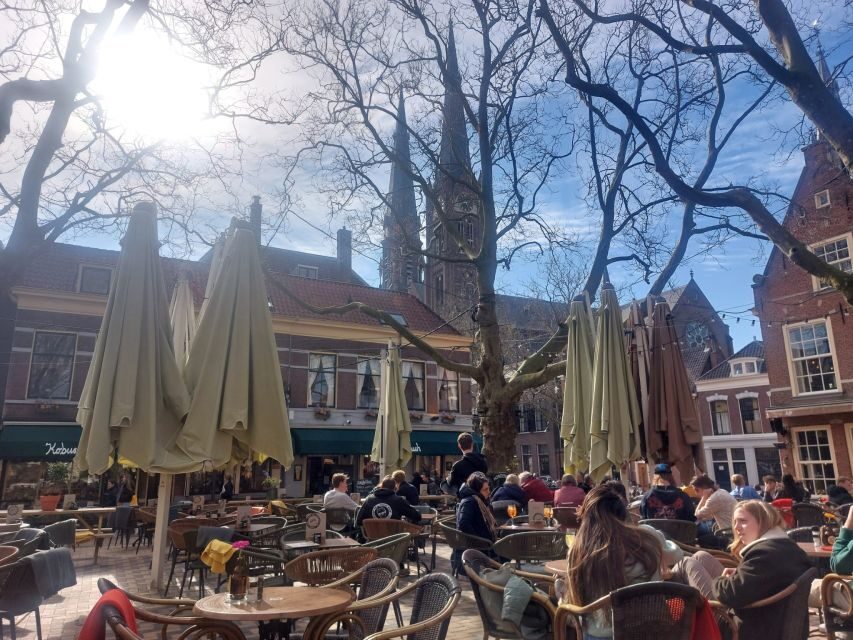
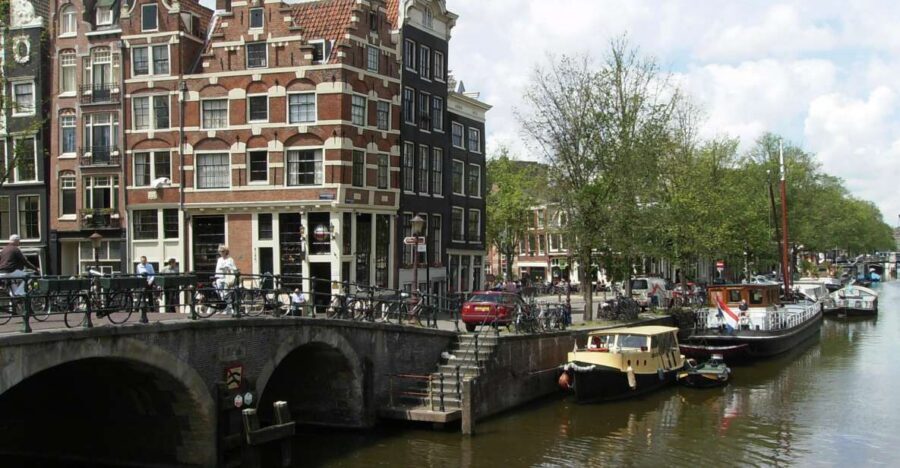
Most of your time goes into the historical heart of Delft, moving through the kind of streets that feel made for slow strolling. The focus is simple: Market Square, churches, and canal scenes that show off Delft’s charm without turning it into a rush-job.
I like this segment because it balances beauty with understanding. You get the calm visual pleasure—canals that frame reflections, church shapes that break the skyline, and streets that stay intimate. But you also get explanations that point out things you’d miss alone: small contrasts in architecture, why certain corners feel more important, and how the city’s layout relates to the people who lived there.
The churches matter here because they’re not just pretty facades. They’re part of how communities organized life. The same goes for the canal network. Delft’s water system helped define commerce and daily movement, so the guide’s canal storytelling makes the scenery feel functional, not just decorative.
If you’re the kind of traveler who likes to take photos, this is also where the best chances show up—because canal and square views repeat, letting you choose what to capture without feeling like you’re constantly sprinting for the next shot.
Crossing some of Delft’s 75 bridges (yes, it’s a lot)
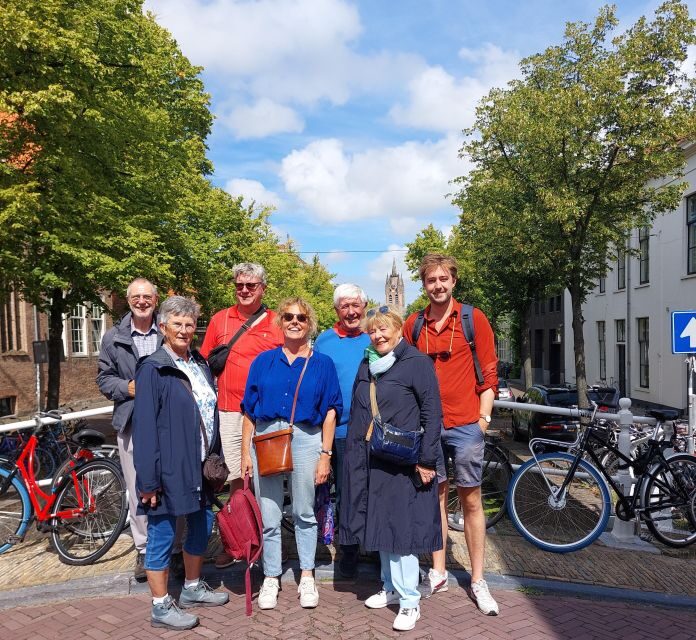
Delft is famous for bridges, and this tour leans into that. The highlights promise crossings of some of the city centre’s 75 bridges, and that’s a real part of why the walking route stays interesting.
Bridges do two helpful things on a city walk:
- They force you to change angles, so the scenery refreshes every few minutes.
- They give your guide natural points to stop and tell stories, since a bridge view is usually a “moment.”
You don’t need to count bridges like it’s a math test. Just enjoy the rhythm. Each crossing adds variety—new views of canals, buildings, and street lines—and it breaks up the walk so it never feels monotonous.
A tour that feels like you’re reading a painting
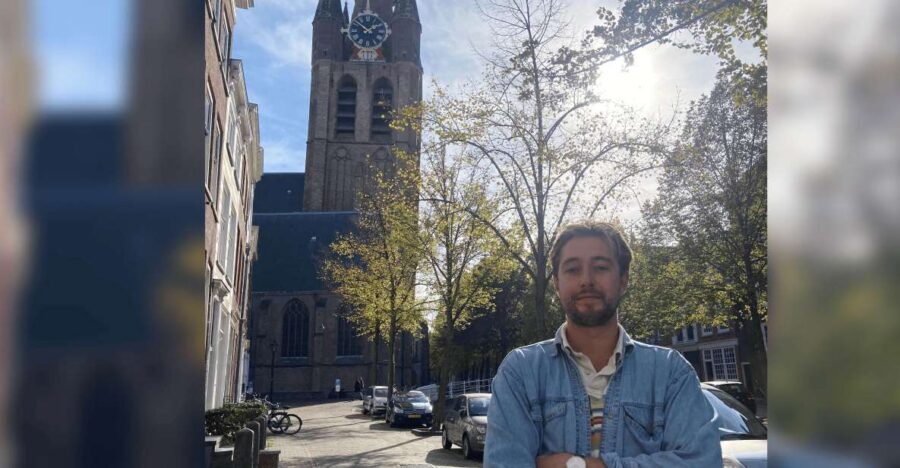
The tour description frames it as walking through a Vermeer painting. Even if you don’t think of Delft as “painterly” at first, that’s the kind of effect your guide aims for.
Vermeer is strongly tied to the idea of light—how it falls, how interiors and street scenes feel composed. A good guide uses that association to help you notice details: how streets align, how daylight plays across canal surfaces, and how buildings create quiet depth. You start to recognize patterns rather than just seeing “old buildings.”
This is where I think the best guides earn their fee. In one case, Sterre guided a group with an enthusiastic but relaxed style—good energy, and a pace that makes learning feel easy rather than school-like. In another case, Peter delivered a top-notch learning experience. And Tristan brought a wide background into conversations, adding anecdotes about history and architecture that made the walk feel personal rather than scripted.
You’ll also hear connections to the bigger Dutch story—political, scientific, and artistic—so you’re not just collecting charm. You’re collecting context, which makes the scenes stick.
You can also read our reviews of more private tours in Delft
How the guide’s stories make the city easier to read
A walking tour can fail fast if the guide gives a list of dates and moves on. This one is built around storytelling that ties together key figures and the spaces they’re associated with.
You’ll hear the tour’s main cultural chain: Vermeer (art), Van Leeuwenhoek (microscopic science), William of Orange (politics), and Hugo de Groot (the Father of the Fatherland). As you walk, those names stop being trivia and start acting like labels that explain what you see in front of you.
That’s the practical value for you: you’ll understand what you’re looking at while you’re looking at it. You won’t need to “catch up later” with a guidebook. The city becomes legible in real time.
Another plus: because it’s private, your guide can adjust to your curiosity. If you want more time at a canal corner or want to push onward to cover more sights, it’s your call.
Your pace, your time: what 2 hours feels like
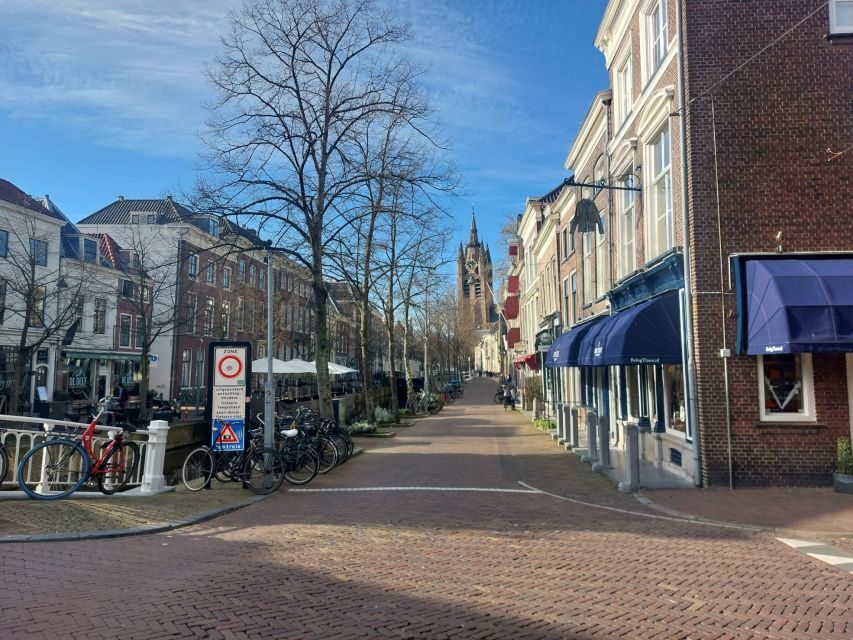
The tour is designed to take about 2 hours, with the option to shorten if you want. That flexibility matters more than you’d think in Delft, because the most memorable moments often come when you slow down. If you’re traveling with older relatives, small kids, or just a tired pair of legs, shortening can save the day.
You also get to set the pace for your group. Private format is a big quality-of-life upgrade here. No juggling headphones, no waiting for the slowest person, and no guide repeating themselves for a wall of strangers.
Weather is another factor. The walk happens regardless of weather conditions. That means you should bring layers and be ready for rain or wind. Delft’s atmosphere can feel lovely in drizzle, but you don’t want wet clothes to cut your tour short.
Price and value: $199 for up to 20 (math that can work for you)
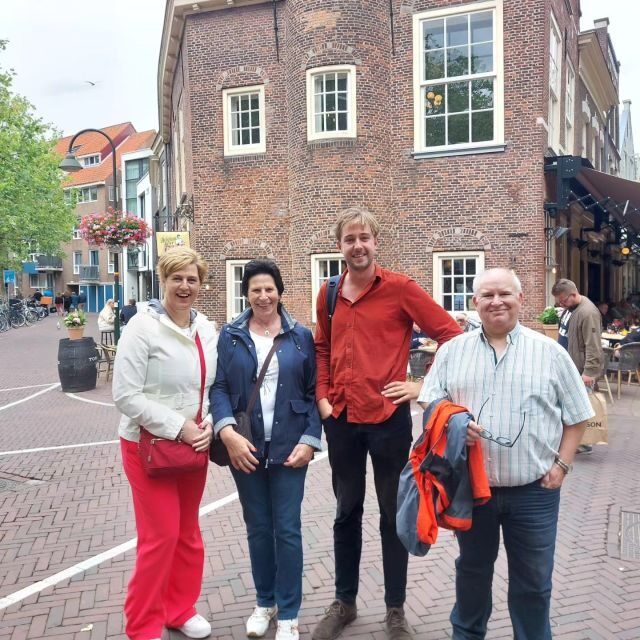
The price is $199 per group up to 20 for a 2-hour private tour. On its face, it’s not “cheap” if you’re thinking per person. But here’s where the value can flip in your favor: this pricing model is built for sharing.
If you’re traveling as a couple, it’s still a reasonable way to buy convenience and depth—especially compared to doing a grab-bag of audio guides and hoping you understand the city on your own. If you’re in a group of friends or family, the per-person cost can drop dramatically because the tour isn’t priced per head.
So I’d treat this as a value play if any of these apply:
- You’re not traveling alone
- You like learning while you walk
- You want a guide to point out what’s easy to miss on your own
- You’re visiting a short list of cities and want to make Delft count
Language and communication: pick the right match
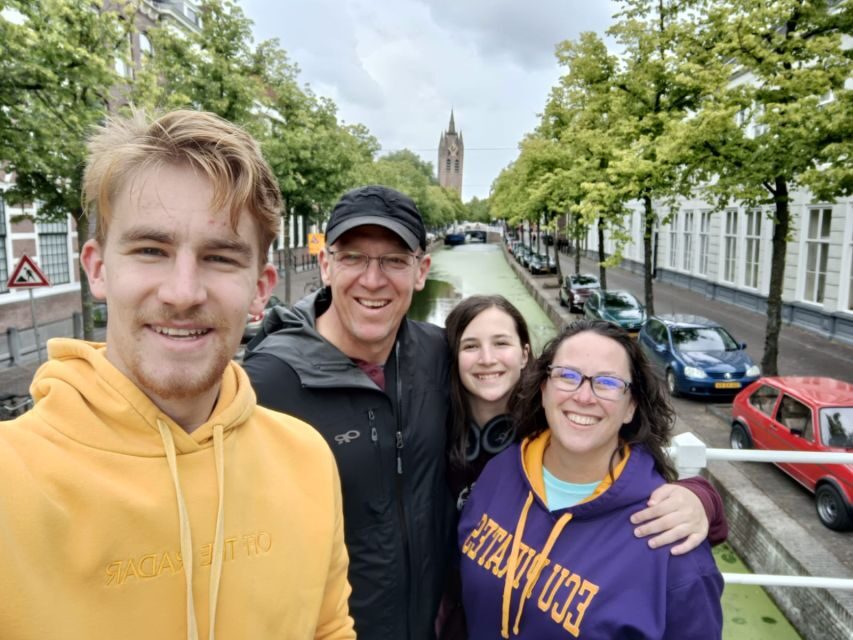
The guide languages include Italian, German, Dutch, English, Spanish, and French. That’s great for most travelers. One note from experience you should consider: a French-language booking didn’t fully land because the guide’s French was only average. That doesn’t mean every French guide will be the same, but it does mean you shouldn’t gamble if French is critical for your comfort.
Practical advice: if you care a lot about nuance, choose a language where you’re confident you’ll follow quickly—English is often the safest bet for broad comprehension, but pick what fits you.
Who should book this, and who might skip it
This tour fits best if you want a guided walk through Delft’s old center and you’re excited about connecting major names to real places. It’s also a good choice if you like private pacing. You’ll be able to move at a human speed and stop when something catches your eye.
It’s private, but it still involves walking. And the experience has clear suitability flags:
- Not suitable for hearing-impaired people
- Marked as not suitable for people with mobility impairments, even though it’s labeled wheelchair accessible
That contradiction is worth taking seriously. Before you book, ask the provider what route they take and whether it can accommodate your specific needs. If you’re managing mobility or require a step-free setup, don’t assume accessibility will work out on the day.
Should you book this private Delft walk?
I’d book this tour if you want Delft to feel like a story, not a photo queue. The combination of Vermeer-linked viewing, the Hugo de Groot starting point by the New Church, and the canal-and-bridge route gives you a strong sense of place in just 2 hours.
I’d think twice if you need hearing support, or if mobility constraints are a major issue. In that case, I’d message first and get clarity on the actual walking conditions.
If you’re looking for an efficient, high-context way to understand Delft’s Golden Age—art, science, and civic identity tied together while you wander—this is a solid pick.
FAQ
How long is the private walking tour in Delft?
It lasts about 2 hours. The guide can also shorten the duration if you prefer.
Where does the tour meet?
You meet next to the Standbeeld van Hugo de Groot on the market square of Delft, in front of the New Church.
What is the price for the tour?
The price is $199 per group, up to 20 people.
Is the tour private?
Yes. It’s a private group tour with a live guide.
What languages are available for the guide?
Guides are available in Italian, German, Dutch, English, Spanish, and French.
Does the tour run in bad weather?
Yes. The tour takes place regardless of weather conditions.
Is the New Church tower visit included?
The tour does not include entry to the New Church tower by default. Entry can be added on request.
What’s the cancellation and payment flexibility?
You can cancel up to 24 hours in advance for a full refund. You can also reserve now and pay later.