REVIEW · DELFT
Delft: Entrance Ticket for the Old and New Churches
Book on GetYourGuide →Operated by Oude & Nieuwe Kerk Delft · Bookable on GetYourGuide
Two churches, one ticket, huge stories. In Delft, this entrance ticket lets you move through both the Old and New Churches and see how Dutch faith, art, and power changed over seven centuries. I love that it’s not just pretty interiors; it’s also a very direct route through famous burial places.
I also like how the sites connect the Netherlands to real people you’ve heard of, like William of Orange in the New Church and Johannes Vermeer in the Old Church. One thing to watch: timing matters. The tower closes one hour earlier than the churches, and no one is admitted in the last 15 minutes, so you’ll want to start quickly after swapping your voucher.
In This Review
- Key things that make this ticket work
- Delft’s Old and New Churches: why 90 minutes feels like a full story
- Start at the New Church: royal burials and William of Orange’s mausoleum
- New Church atmosphere: organ sound and modern stained glass light
- Old Church next: the leaning tower and the names you came for
- Don’t let the timing sneak up on you: tower hours and last entry rules
- What the self-guided experience is really like (and why that’s good value)
- Practical details that help you enjoy it more
- Price and value: what $11 actually buys you here
- Who should book this ticket (and who might not)
- Should you book: my honest call
- FAQ
- What is included with this ticket?
- Do I need to visit both churches?
- How long does the visit take?
- Which church should I visit first?
- Where do I exchange my voucher?
- Is a guide included?
- Can I take food or drinks into the churches?
- When is the last time I can enter?
- Does the tower close at the same time as the churches?
- Is the site wheelchair accessible?
Key things that make this ticket work
- One admission, two churches: you’re covering both sides of Delft’s story fast.
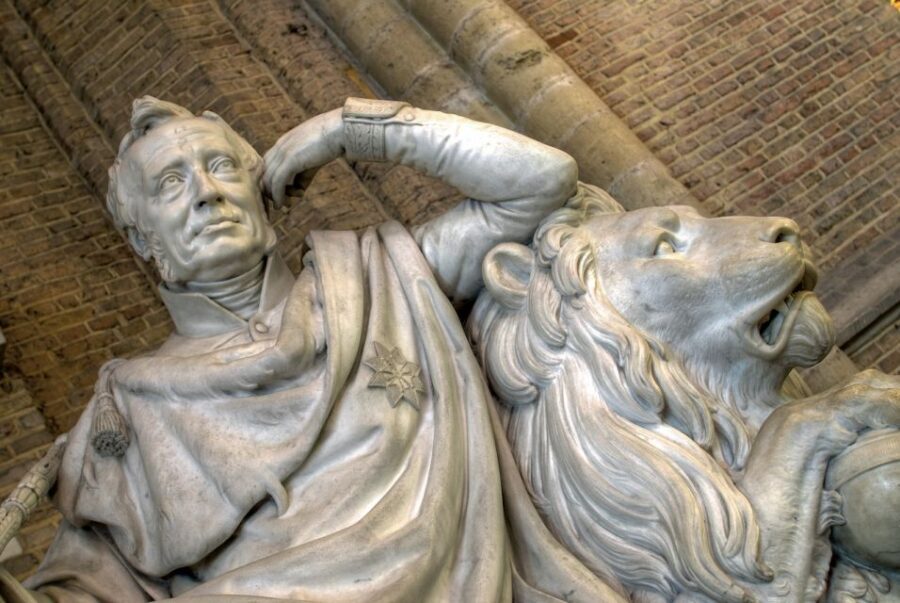
- William of Orange’s mausoleum: the centerpiece in the New Church, with designed wayfinding to help you follow the context.
- Leaning John (Old Church tower): a dramatic architectural quirk—about two meters off-center—that you can’t really ignore.
- Graves of major Dutch figures: you’ll see names tied to art and science, not just royalty.
- Organ and stained glass in the New Church: modern stained glass adds color against older stone.
- Made for self-guided wandering: there’s a clear route with screens/text designed to keep you oriented.
Delft’s Old and New Churches: why 90 minutes feels like a full story
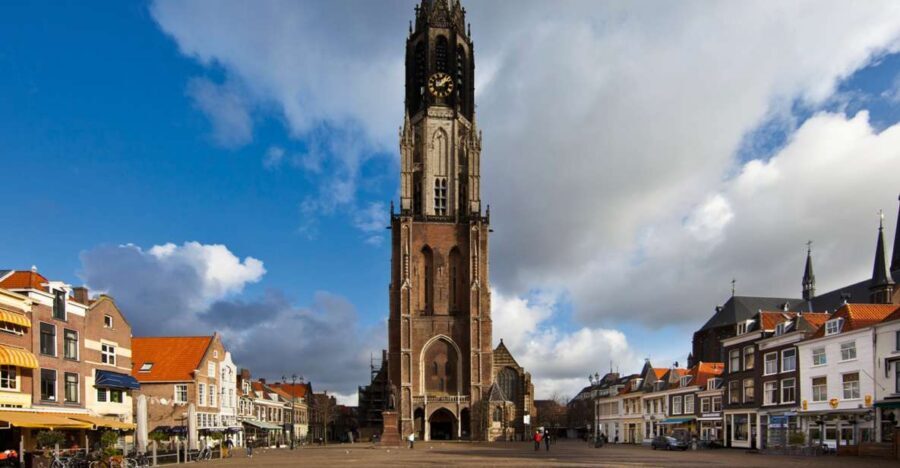
Delft is a small city, so you can do a lot without sprinting. This ticket fits neatly into a 1.5-hour window because the churches are right at the center of town and the experience is built around walking through key areas in a logical order. It’s not a long lecture and it’s not a museum-hopping day—think of it as a focused “how the Netherlands evolved” visit.
If you like sights with names attached—real people, real dates, real monuments—this is a smart use of time. You’ll see medieval devotion and civic life on one side, then royal grandeur and courtly influence on the other. And because both churches have been important over centuries, you’re not just looking at architecture. You’re looking at history that kept being used.
A few more Delft tours and experiences worth a look
Start at the New Church: royal burials and William of Orange’s mausoleum
You’ll get the best flow if you start at the New Church. The ticket instructions are clear: visit the New Church first, then go to the Old Church. Before you enter, exchange your voucher at the ticket counter. That little step can slow you down if you arrive late, so I’d treat it as part of your arrival plan, not an afterthought.
The New Church was completed in 1655, and it feels like it’s built for grandeur. The big reason most people come is the mausoleum of William of Orange, often called the Father of the Fatherland. His interment in 1584 made this church a royal anchor point, and the burial tradition continued with members of the House of Orange later on.
What makes the mausoleum area especially worth your time is how easy it is to follow. There’s a designed walking route around the main monument, and you’ll encounter support materials like video-style screens and written timelines explaining the historical figures. You may also see a model related to the burial area, which helps you understand what you’re looking at without having to guess.
Even if you don’t have a deep background in Dutch history, this part works because it translates names into stories. You can stand there and read your way through who mattered and why—without feeling lost.
New Church atmosphere: organ sound and modern stained glass light
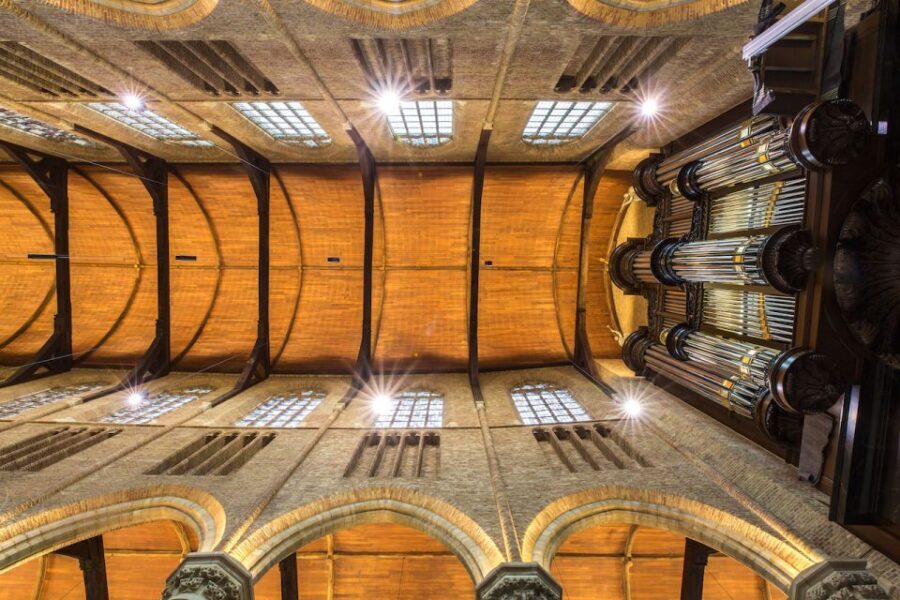
Inside the New Church, you get more than tombs. The church has a monumental organ, and the interior is made for sound and ceremony. If timing works out and the organ is being played, it adds another layer to what you’re seeing; even if it isn’t, you’ll still notice how the architecture is shaped for music and resonance.
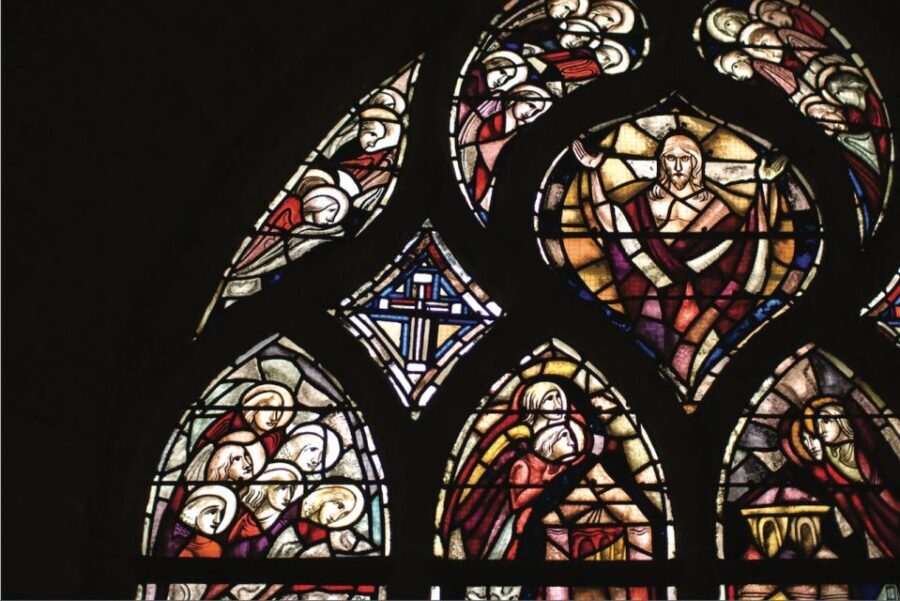
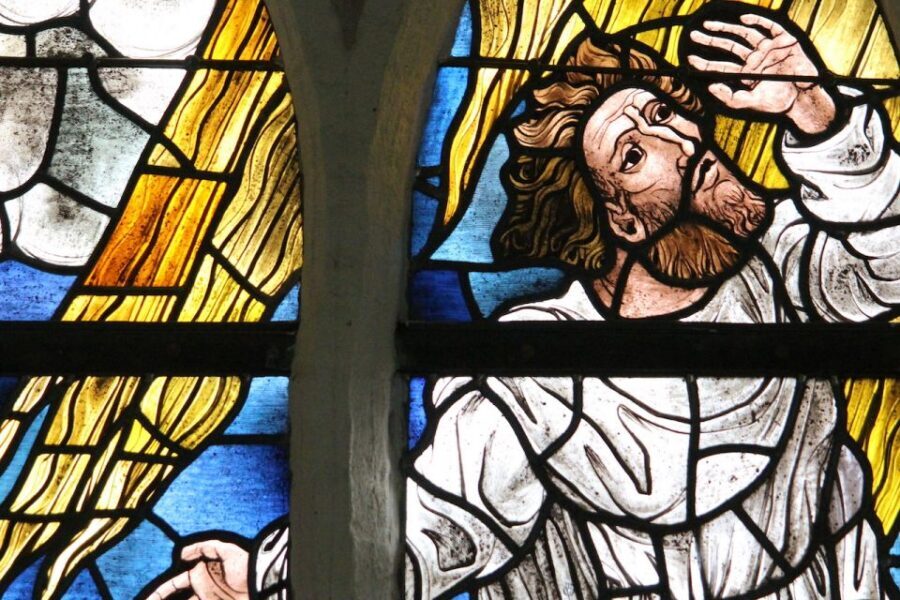
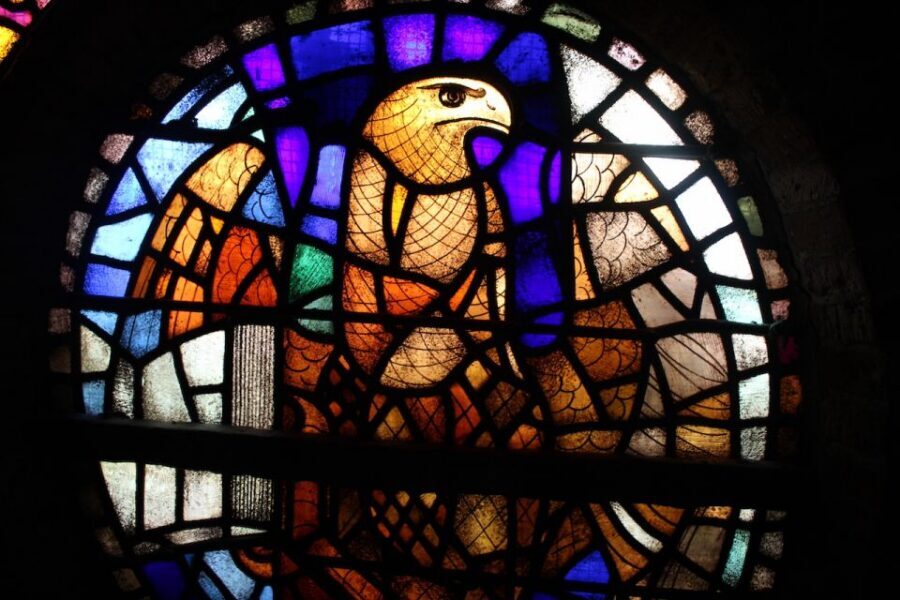
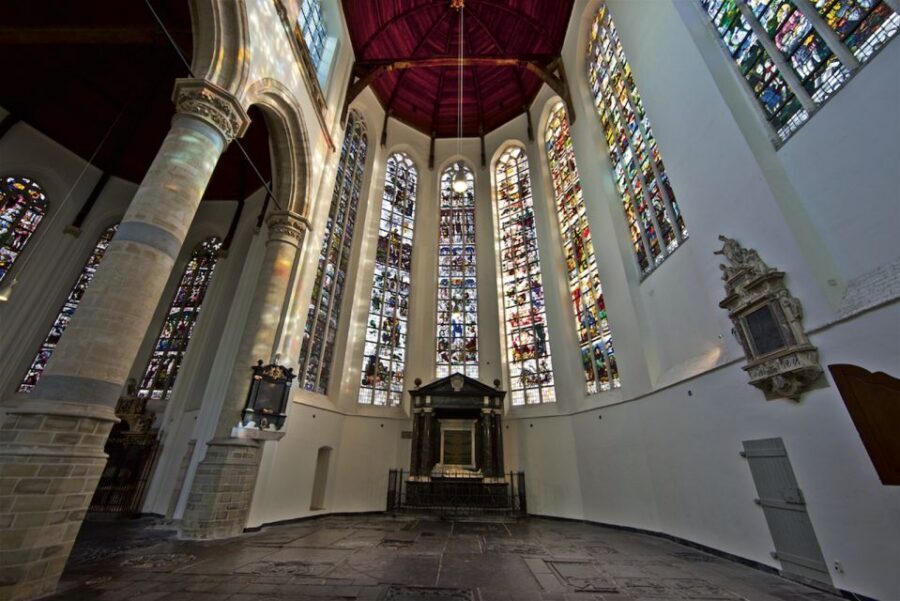
Then there’s the light. Modern stained-glass windows cast colored light across stone. That contrast is a quiet but meaningful detail: the church isn’t frozen in one period. It continues to change, and the changes are visible in how the light falls.
If you’re the kind of visitor who likes “small scene details” as much as big monuments, don’t rush this. Spend a few extra minutes looking up and watching how the colors shift as you move. In a place like this, you’ll often see more the second time you walk the same section.
Old Church next: the leaning tower and the names you came for
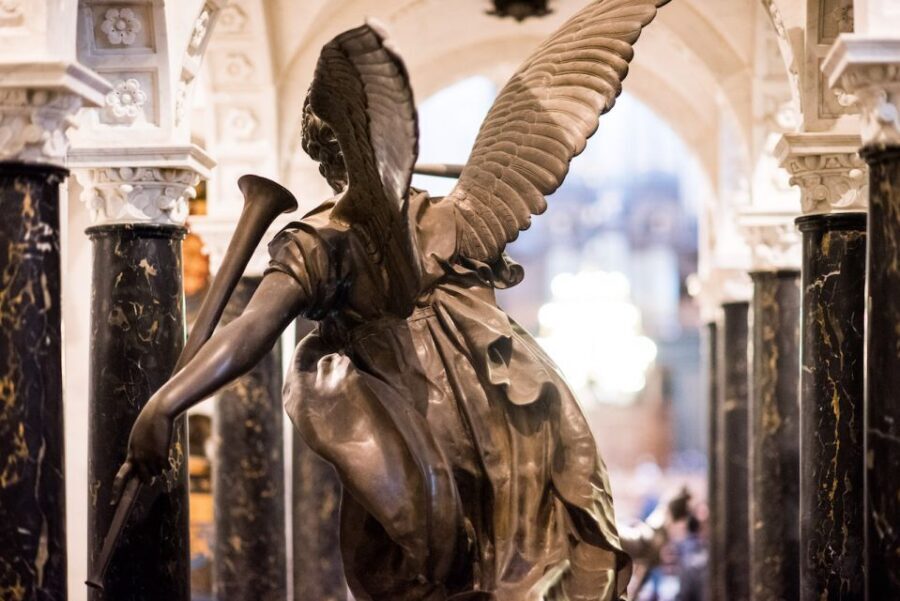
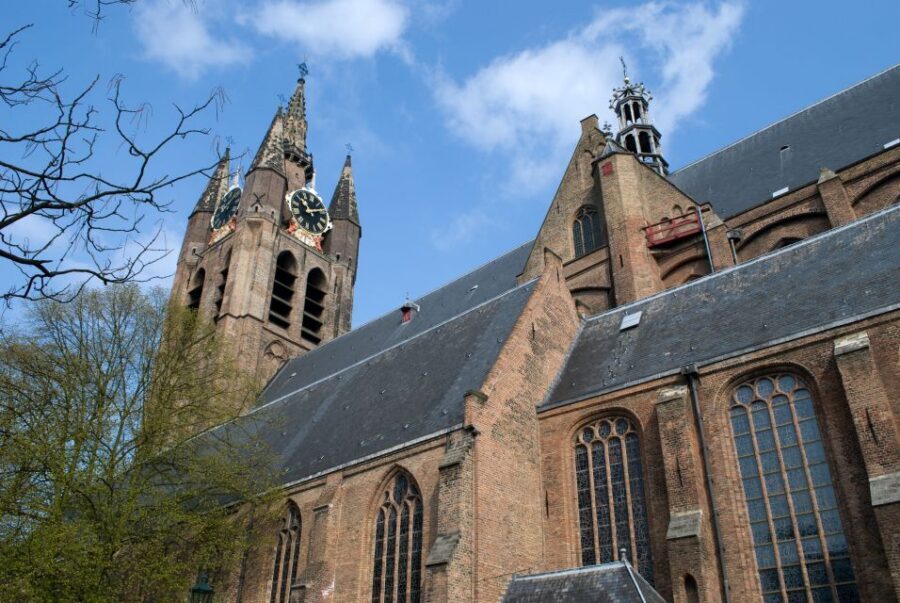
After the New Church, you’ll head to the Old Church, where the story goes medieval again. The church has been standing in the heart of Delft since 1246, which changes the feel immediately. The atmosphere is older, the pace is different, and the monument style makes you slow down.
The star attraction is the tower, famous for leaning off-center—often nicknamed Leanning John. It leans about two meters, which is an impressive tilt for a structure that’s been a landmark for centuries. If you like architecture quirks, you’ll want to treat the tower as its own mini-visit, not a quick photo stop.
Inside, the Old Church is also where you’ll find burials tied to major Dutch figures, including Johannes Vermeer. Seeing Vermeer’s presence in the place he’s linked to adds weight to his art. You’ll also encounter other luminaries connected to Dutch history and science, such as Piet Hein and Antoni van Leeuwenhoek.
This mix matters. The New Church says royalty and national identity. The Old Church says the city’s intellectual and cultural importance. Together, they explain why Delft got the reputation it did.
Don’t let the timing sneak up on you: tower hours and last entry rules
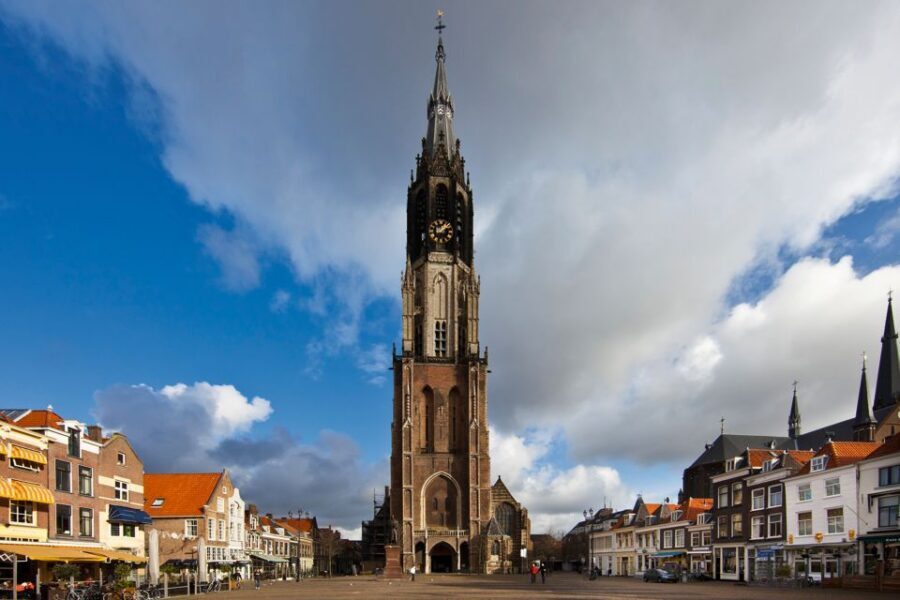
Here’s the practical part that can genuinely ruin your visit if you ignore it: the time controls are strict. The churches won’t admit new visitors within the last 15 minutes of closing time. Also, the tower closes one hour earlier than the churches.
That means you should plan your day so you’re not racing at the end. If you arrive late, you might still get into the churches but miss time on the tower. And the tower may close due to weather conditions, so it’s smart to keep some flexibility in your schedule.
A good approach:
- Go New Church first.
- Give yourself enough time to enjoy the mausoleum area fully.
- Then move to the Old Church and treat the tower as the final check-off, not something you hope to squeeze in.
If your day is already packed, this ticket can still work, but only if you start early.



What the self-guided experience is really like (and why that’s good value)
No guide is included with this entrance ticket. That sounds like a negative on paper, but in this specific case, it often helps. The experience is designed so you can understand what you’re seeing through on-site materials—maps/plan-style help, written explanations, and screens where they matter most.
In the mausoleum area, the guided-feeling comes from how the route is set up. You’re guided around the monument and then supported with timelines that connect the individuals to the broader story. If you like reading while you stand in front of the object, this style works well.
So you’re not paying for a person to talk at you. You’re paying for access to two major religious monuments and the key burial sites inside them. At about $11 per person for both churches, it’s a solid deal if you can actually use the time window well.
Practical details that help you enjoy it more
A few rules and conditions affect comfort and flow:
- No food and drinks inside the churches. Plan to eat beforehand or afterward.
- The experience is wheelchair accessible, but the floor may be uneven or bumpy. If you’re using mobility aids, keep that in mind when you’re moving between areas.
- Expect that the churches can close due to various activities, and the tower can be shut due to weather. When you’re planning your day, don’t assume the schedule will be identical every time you visit.
If you’re traveling with kids, this is still doable, but keep expectations realistic. Tombs and monuments aren’t always kid-friendly. The upside is that the names and stories can become a mini “who’s who” game as you move between the two churches.
Price and value: what $11 actually buys you here
Let’s talk value, because this ticket is priced to feel like a bargain compared to larger guided museum tours.
For roughly $11 per person and about 1.5 hours, you get:
- Admission to both the Old and New Churches
- Access to major burial monuments tied to Dutch history
- The chance to see Vermeer, William of Orange, and the leaning tower landmark in one tight loop
If you’re a “see the essentials” visitor, this is efficient. If you’re a “slow read everything” visitor, you can still do it—you just need to be honest about time. This isn’t a half-day deep study. It’s a well-focused circuit of the most important places inside two of Delft’s signature churches.
Who should book this ticket (and who might not)
Book it if you:
- Want a high-impact Delft stop without a long time commitment
- Like art and history tied to real locations (Vermeer’s name hits harder when you see his connection here)
- Enjoy architectural quirks like the leaning tower
- Prefer self-guided pacing with on-site explanations
You might skip or pair differently if you:
- Absolutely need a live guide for context and interpretation
- Are visiting at the end of the day and can’t manage the closing-time rules (because the tower can close early)
Should you book: my honest call
I’d book this ticket if your goal is to understand Delft’s identity in a compact visit. The combination of royal burials in the New Church and the Old Church’s leaning tower plus famous Dutch figures makes it feel like you’re seeing two chapters of the same country.
The main reason not to book would be timing stress. If you arrive late, the tower hours and last-entry rule can cut off the best part of the experience. But if you start at the New Church, exchange your voucher, and keep the tower time in mind, this is a strong value stop in Delft.
FAQ
What is included with this ticket?
Admission is included to both the Old Church and the New Church in Delft.
Do I need to visit both churches?
Yes. The ticket covers entry to both, and the experience is designed around visiting them together.
How long does the visit take?
Plan for about 1.5 hours.
Which church should I visit first?
You should visit the New Church first, and then go to the Old Church.
Where do I exchange my voucher?
You need to exchange your voucher at the ticket counter.
Is a guide included?
No guide is included with this activity.
Can I take food or drinks into the churches?
Food and drinks are not allowed.
When is the last time I can enter?
No new visitors are admitted within 15 minutes before closing time.
Does the tower close at the same time as the churches?
No. The tower closes one hour earlier than the churches.
Is the site wheelchair accessible?
Yes, the churches are wheelchair accessible, but the floor may be uneven or bumpy.