REVIEW · DORDRECHT
Dordrecht: Distillery Tour with Dutch Gin & Genever Tasting
Book on GetYourGuide →Operated by Distilleerderij Rutte · Bookable on GetYourGuide
Spirits in Dordrecht, served fast and smart. This mini tasting at Distilleerderij Rutte is a compact introduction to traditional Dutch gin and genever, set inside a historical production space. I love the way the host ties what you’re tasting to what you’re seeing, and I also love the practical clarity on gin vs genever—so the drinks make sense, not just taste good. The main drawback is the pace: it’s lively, and the whole thing stays around 25 minutes, so there’s not much time for lingering.
You’ll start with a small Gin and Tonic made with their prize-winning Dutch Dry Gin, then you’ll move through their story, a look at the equipment, and a sampling of a few products. Because it’s a tasting, you should plan to slow down after (especially if you’re driving), and since it’s 18+ only, it’s not the kind of stop for a family daytime hang.
In This Review
- Key highlights you’ll feel right away
- A quick pour of Dutch spirit craft in Dordrecht
- Price and value: what $11 buys you (and what it doesn’t)
- Where to go: the shop stop before the tasting begins
- The 25-minute flow: Gin and Tonic to a guided compare-and-taste
- Seeing the pot still and barrels up close
- Gin and genever: what you’ll actually notice once you know the difference
- How to taste smarter during the mini flight
- The people factor: what makes the explanations work
- Who should book this tasting, and who should skip it
- How to make it work with the rest of your day
- Final verdict: should you book the Rutte mini tasting?
- FAQ
- How long is the Dordrecht Rutte Distillery mini tasting?
- What does the tasting include?
- Do I need to be 18 years old?
- What will I taste first?
- Is food included?
- What do I need to bring?
- Where do I check in?
- Is the tour in Dutch?
- Are pets allowed?
- Is there free cancellation?
Key highlights you’ll feel right away
- Mini Gin and Tonic first: you start tasting immediately, with their Dutch Dry Gin
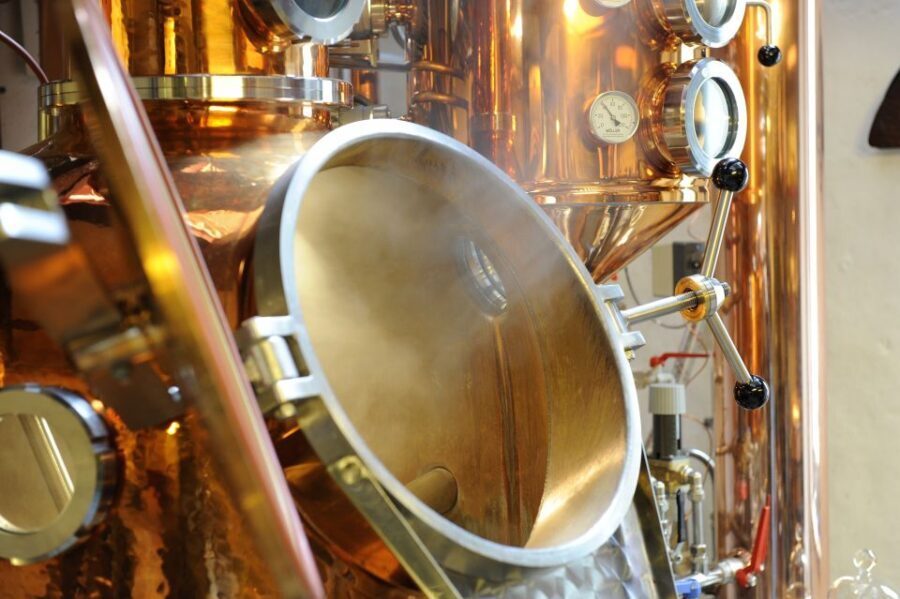
- Stills and barrels on the tour route: you see where the spirits take shape
- Gin vs genever explained clearly: you learn what’s different before your next sip
- Traditional methods, in plain language: the guide keeps it understandable and quick
- Short, focused 25-minute format: easy to slot into a Dordrecht itinerary
- A few product tastings: enough variety to compare without overdoing it
A quick pour of Dutch spirit craft in Dordrecht
Dordrecht is a great base for walking and browsing, but you also want a couple of smart, local experiences that don’t eat your whole day. This Rutte mini tasting fits that perfectly. It’s short, it’s hosted, and it’s built around one idea: you’ll learn by tasting and watching.
The setting matters. Rutte makes gin, genever, and liqueurs in Dordrecht using traditional methods, and you can feel that heritage in the way the distillery experience is presented. Even when the explanation moves quickly, it still connects the dots: ingredient ideas lead into what the equipment does, which leads into what lands in your glass.
I also like that it’s not trying to be a science lecture. You’re not hunting for a clipboard-chemistry diagram. You’re picking up the basic logic of botanical distilling and what it means in the final flavor.
You can also read our reviews of more tours and experiences in Dordrecht.


Price and value: what $11 buys you (and what it doesn’t)
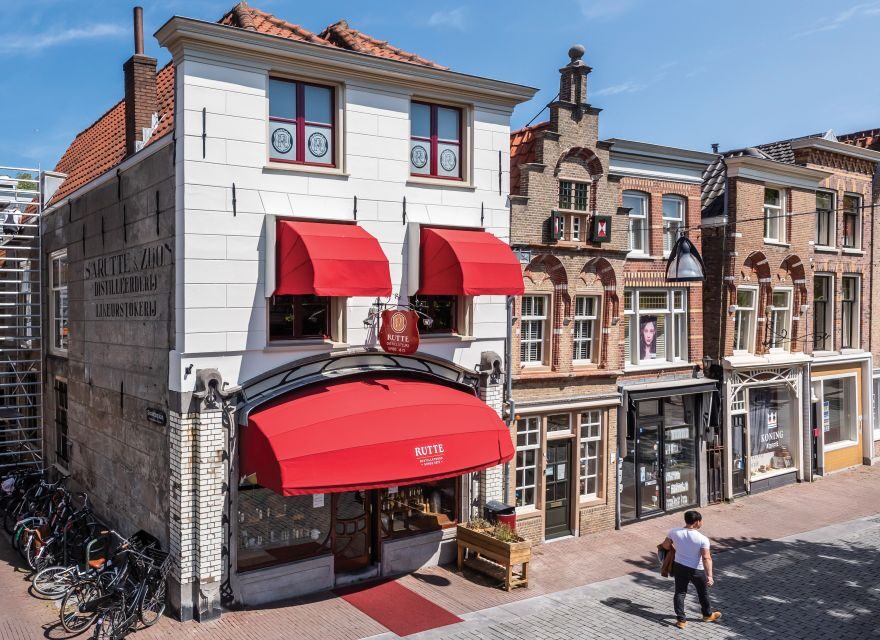
At about $11 per person, this is one of the easiest “taste-and-learn” activities in the area because you’re paying for two things: a brief distillery tour plus tastings of gins and genevers. There’s no food included, so you’re not being sold a full meal package. That’s actually a plus if you’re just trying to add something local without committing to a longer schedule.
You should think of this as an appetizer for adult curiosity. You’ll sample a few spirits, but it’s not a huge tasting flight meant to knock you off your feet. The value comes from context. If you’ve ever wondered why gin doesn’t taste exactly like genever (or why some genevers feel maltier), this format helps you understand before you go searching for your next bottle.
If you’re the type who likes to learn with your mouth and not just with your eyes, the price feels fair. If you’re expecting a long, slow, in-depth workshop, you’ll probably want to look for the longer tasting options they offer on other dates.
Where to go: the shop stop before the tasting begins
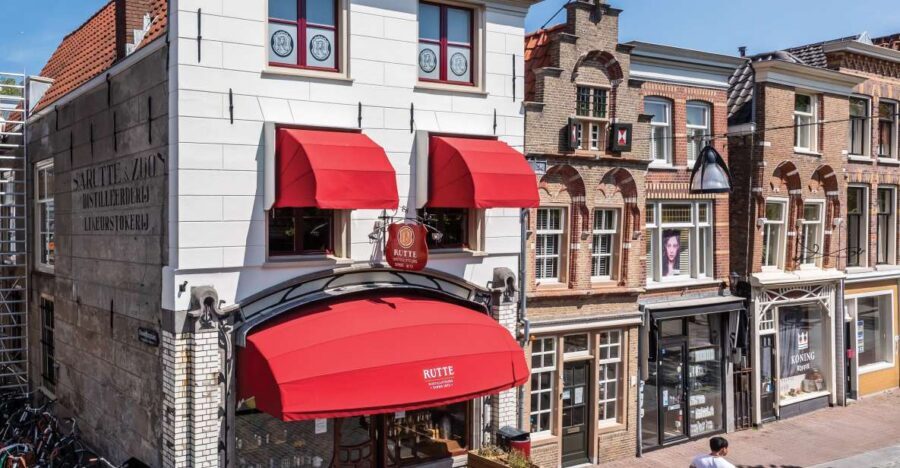
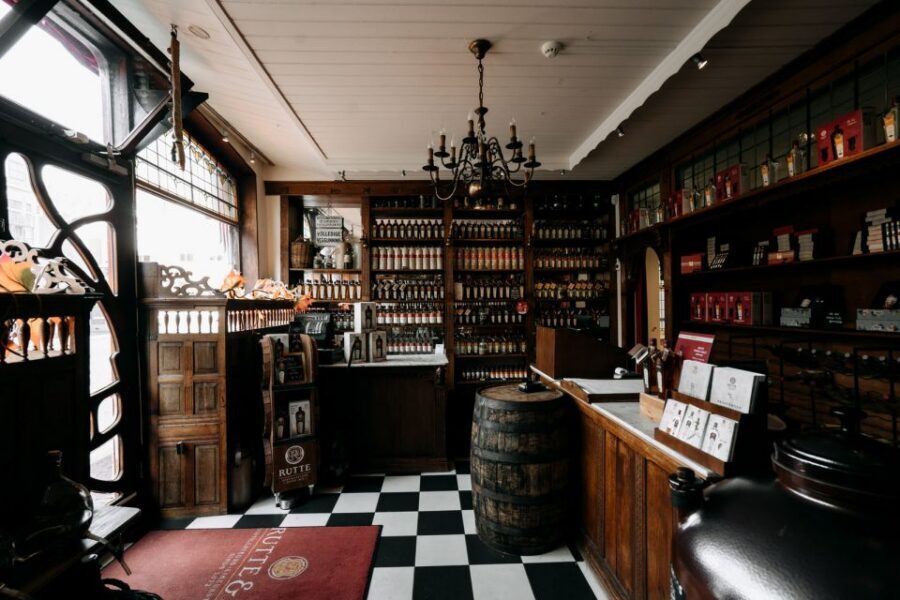
This one is simple. Show your ticket in the shop before the tasting starts. That’s your main “meeting point” moment, and it matters because the experience begins there, then you move into the distillery route.
Bring passport or ID, since it’s 18+ for all visitors in the tasting room. And if you’re traveling with anyone who’s pregnant or under 18, this isn’t the right fit based on the tour’s stated guidelines.
Also note the small practical stuff: pets aren’t allowed. That’s worth remembering if you’re visiting with a dog and planning to do a quick tasting as a stop.
The 25-minute flow: Gin and Tonic to a guided compare-and-taste
The pacing is the whole design. The mini tasting runs about 25 to 30 minutes, with a host guiding the group through history, process, and taste.
Here’s the typical flow you can expect:
1) Your opening pour
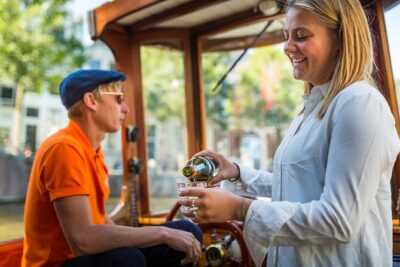
The tour starts with a mini Gin and Tonic using Rutte’s Dutch Dry Gin. That first sip is smart because it sets your baseline right away. You’re not tasting blind. You get the clean “gin” profile first, so later comparisons feel obvious.
2) A short story that stays useful
Then your host talks through the distillery’s background and what makes the products distinct. You’ll learn about gin, genever, and liqueurs in a way that’s meant for tasting decisions, not textbook memorization.
A key detail: the explanation is in Dutch. If you don’t speak much Dutch, you may still catch plenty from the visuals and the way tastings are framed, but this is best if you’re comfortable enough to follow at least some of the spoken points.
3) Equipment and time in the process
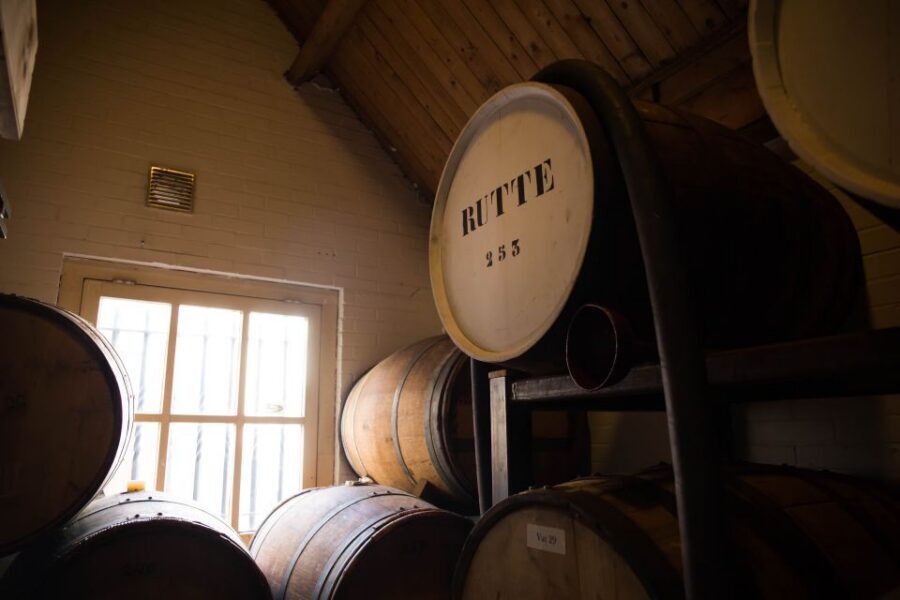
During the tour you’ll visit the parts of the distillery where production happens. You’ll see the pot still and the barrels used for making their products. You’ll also hear how long it takes to create the final product, though the exact duration isn’t something you should expect to memorize like a recipe—it’s more about understanding that this isn’t instant.
4) A few tastings, guided
Near the end, you’ll taste a few of the products. This is where the “learning by doing” part really clicks: you can go back in your mind to what you saw and heard, then connect it to flavor notes you can actually detect.
5) What you should do with the drinks after
After the tastings, you should walk away with practical answers: the difference between gin and genever, how to enjoy each one, and how to mix them. That final part is especially handy if you’re thinking about buying a bottle for future cocktails at home.
Seeing the pot still and barrels up close
One of my favorite ways to understand spirits is to see the hardware. When you watch a pot still in person, it becomes easier to believe in the character of the final liquid. Even if you don’t know the technical terms, you can sense that traditional methods follow a logic: the setup affects the process, and the process affects the taste.
The tour also brings in the barrels, which helps explain why some genevers can feel rounder or more structured than you might expect. The host points out what they use and why it matters for the final product.
A small “expectation check” here: this is a mini tasting, so you’re not getting a full production walkthrough with every stage described in detail. What you do get is enough to make your tastings feel intentional, not random. That’s a good trade-off for the short time.





Gin and genever: what you’ll actually notice once you know the difference
This tour earns its spot because it gives you a clear mental map for the two most common questions people have:
- What is gin, really?
- How is genever different, and why does it taste that way?
Once you understand the distinction, your second and third sips change. You start noticing the structure: how the base profile feels, what the botanicals do, and how the drink’s character holds up in a mix.
The best practical outcome is that you learn ways to enjoy both. So instead of thinking gin equals one specific cocktail and genever equals one specific style, you’ll have ideas for how to use each spirit. This matters in real life because the “best” way to drink can be different depending on what flavor you want to highlight.
And because the tour starts with gin and tonic, you’re not just told theory. You’ve tasted the gin version first, which makes the genever comparisons easier to track.
How to taste smarter during the mini flight
Since the whole experience is quick, don’t treat it like a casual sip. Treat it like a guided comparison.
Here are a few habits I recommend:
- Focus on the difference between your first taste and each later one. Your brain catches patterns faster than you think.
- Pay attention to how the flavor changes as it sits in your glass. Even in a short tasting, you’ll notice shifts.
- When the host mentions mixing or enjoyment, think about what you actually like in cocktails. Do you want crisp and dry, or warmer and rounder?
- If you plan to buy bottles afterward, remember the first gin and tonic baseline. It’s your reference point for future choices.
Because there’s no food included, be mindful of how hungry you are. If you’re empty-stomached, the flavors can feel sharper than you expect. If you’re already fed, you’ll likely get more pleasure from the tasting.
The people factor: what makes the explanations work
The biggest strength of this experience is the host’s delivery. The tone tends to be upbeat and energetic, with explanations that feel interactive and clear. That also means the pace can feel quick—one person described it as high tempo—so you’ll get the most from it if you’re okay with moving along rather than expecting a slow chat.
In practical terms, it’s a good sign when a distillery team can teach while you’re standing in front of stills and barrels. That kind of setup reduces the gap between story and product. You’re not just hearing about “traditional methods.” You’re seeing the tools and tasting the result.
Who should book this tasting, and who should skip it
This is a strong match if you:
- want a short adult-only activity in Dordrecht
- like hands-on learning with tastings
- enjoy comparing similar drinks (gin vs genever)
- want something local that doesn’t require a whole half-day
It’s not a match if:
- you’re traveling with children under 18 (the tasting room has age limits)
- you’re pregnant (not suitable based on the stated guidance)
- you’re hoping for a food-included experience (food isn’t included)
- you need a slow, relaxed pace (it stays around 25 minutes and moves quickly)
How to make it work with the rest of your day
Because it’s about 25 minutes, you can plan it like a “micro-experience” between longer parts of your day. The timing also makes it easy if you’re walking Dordrecht and want a local stop that won’t disrupt your schedule.
Just keep two things in mind:
- You’ll be tasting alcohol, so build in a bit of breathing room afterward.
- The explanation is in Dutch, so if language is a challenge for you, expect the visuals to carry more weight than the spoken parts.
Final verdict: should you book the Rutte mini tasting?
Book it if you want a fast, high-value introduction to Dutch gin and genever that combines a guided tour, a starter gin and tonic, and a few tastings with a clear take-home explanation. At around $11, you’re paying for context, not just alcohol.
Skip it if you want a long deep workshop or if you need a very slow, lingering pace. This is built to move. The payoff is that you leave understanding the difference between gin and genever and you’ll have practical ideas for how to drink and mix them.
If your goal is to turn Dordrecht sightseeing into something memorable and genuinely local, this is one of the easiest “yes” calls.
FAQ
How long is the Dordrecht Rutte Distillery mini tasting?
The experience lasts about 25 minutes (often around 25 to 30 minutes).
What does the tasting include?
It includes a distillery tour and tastings of gins and genevers.
Do I need to be 18 years old?
Yes. All visitors in the tasting room must be at least 18 years old.
What will I taste first?
The tasting starts with a mini Gin and Tonic made with their Dutch Dry Gin.
Is food included?
No, food is not included.
What do I need to bring?
Bring a passport or ID card.
Where do I check in?
Show your ticket in the shop before the tasting begins.
Is the tour in Dutch?
Yes. The live tour guide language is Dutch.
Are pets allowed?
No, pets are not allowed.
Is there free cancellation?
Yes. You can cancel up to 24 hours in advance for a full refund.