REVIEW · AMSTERDAM
Amsterdam: Our Lord in the Attic Museum Entry Ticket
Book on GetYourGuide →Operated by Museum Ons' Lieve Heer op Solder - Our Lord in the Attic Museum · Bookable on GetYourGuide
Amsterdam hides a church above your head. This is Ons’ Lieve Heer op Solder (Our Lord in the Attic), tucked behind a normal-looking 17th-century façade, then gradually revealing a canal house that leads right up to an attic church. I love how the museum turns private living spaces into a believable walk-through of clandestine faith, not just a static exhibit.
I also love the included audio guide, which helps you connect the architecture to the rules of the time (especially the idea of tolerance in the Dutch Republic). One practical drawback: the museum has limited hours, so if your timed entry is close to closing, you may feel a little rushed in the upper floors.
In This Review
- Key things I’d watch for at Ons’ Lieve Heer op Solder
- A 17th-century canal house with an attic church twist
- The walk-through: from living spaces to the church overhead
- Why the hidden church exists: rules, risk, and Dutch tolerance
- The attic church: the wow factor you can’t fake
- Audio guide tips: how to get more from your 1 visit
- Getting your timing right in central Amsterdam
- Price and value: is $21 worth it?
- Practicalities that actually matter for your visit
- Who this museum suits best (and who might not love it)
- Should you book Our Lord in the Attic?
- FAQ
- Where is the Our Lord in the Attic Museum meeting point?
- How long is the experience valid for?
- What are the museum opening hours?
- Is an audio guide included, and what languages are available?
- Can I bring oversize luggage into the museum?
- Is free cancellation available?
Key things I’d watch for at Ons’ Lieve Heer op Solder
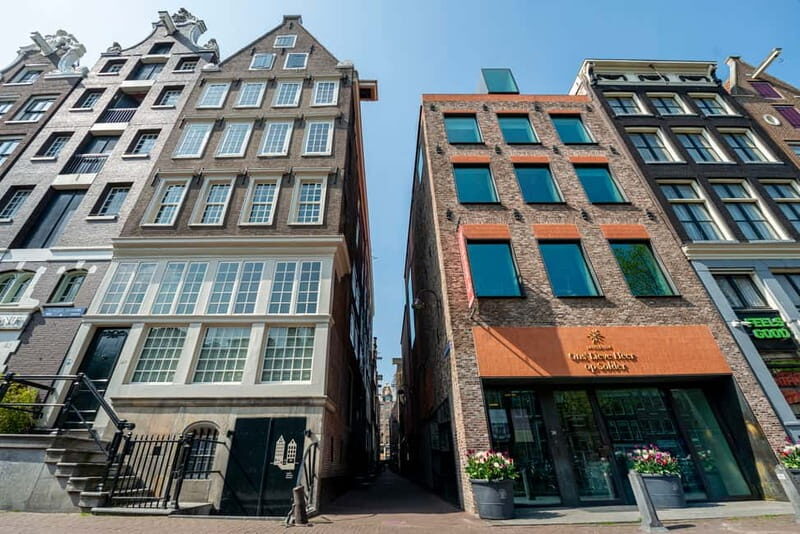
- A 1663 canal house layout that still feels like real homes did, with narrow passages and stairs
- A complete house church in the attic, literally built into the building’s upper level
- The Catholic “in private” story, tied to restrictions on public Mass celebration
- A well-preserved 17th-century interior, including rooms for daily life (not just the chapel)
- The audio guide in many languages, plus optional extra info via simple controls
- Timing matters in a museum with fixed daily opening hours in the center of town
A 17th-century canal house with an attic church twist
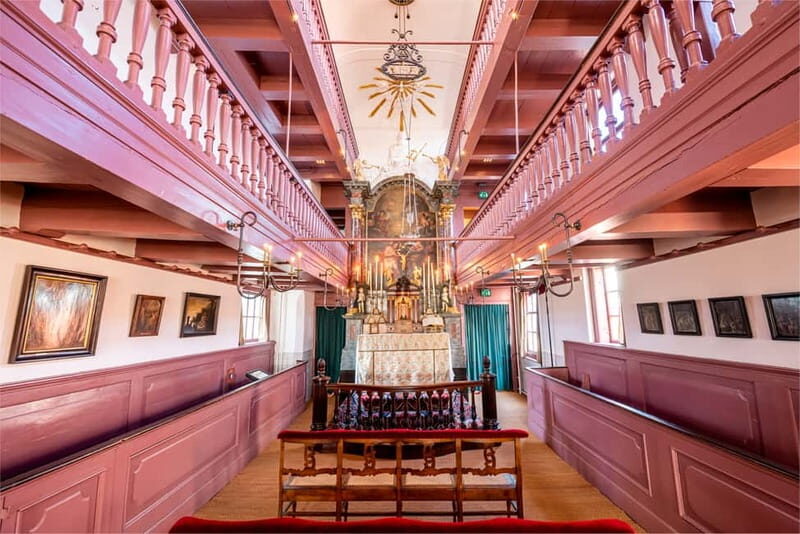
Ons’ Lieve Heer op Solder is Amsterdam at its most sneaky—and honest. You start outside with a typical canal-house façade, then step into something far from typical: a former Catholic worship space tucked inside a 17th-century home. The whole point is that nothing on the outside signals what’s inside. That contrast is part of the experience, and it makes the reveal feel earned.
The museum opened on 24 April 1888 and it’s housed behind a largely original 17th-century home on Oudezijds Voorburgwal. The building itself matters. You’re not touring a freestanding church complex. You’re moving through a canal house that already existed in the era when rules and religion forced people to adapt.
A few more Amsterdam tours and experiences worth a look



The walk-through: from living spaces to the church overhead
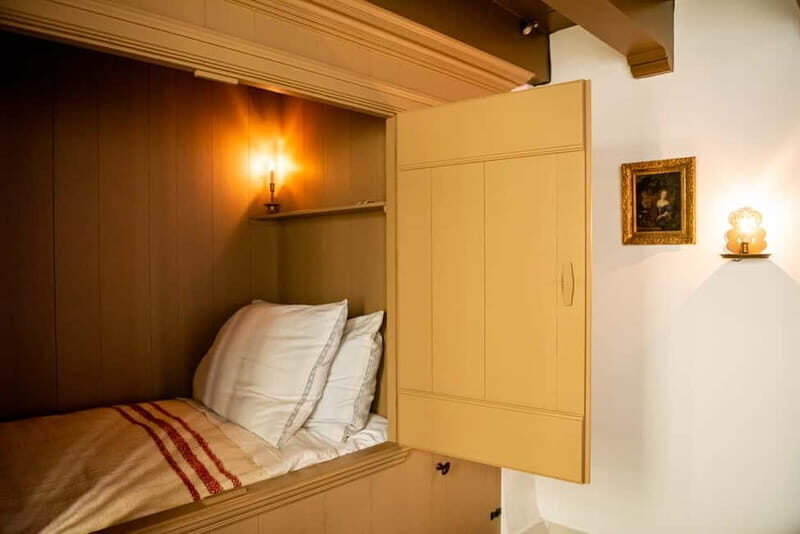
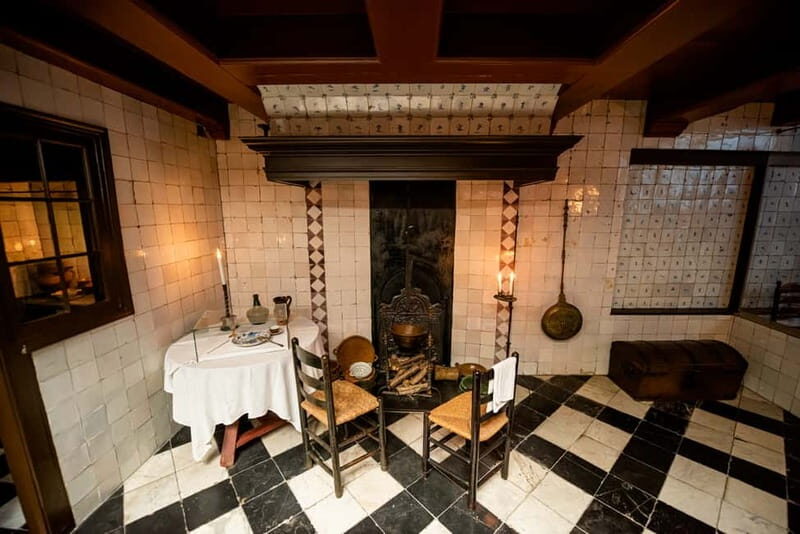
This isn’t one big room. It’s a vertical story. The museum’s layout stretches over three floors in a canal-house shell, with narrow corridors and stairs linking spaces that look like parts of daily life: decorated living quarters, a kitchen area, and even a bedstead setting. The rooms aren’t just props. They help you picture how ordinary household life could be arranged around something deeply private.
And then you climb. The climb is part of the effect. As you go higher, the museum’s spaces get more “special” without losing the sense that you’re still inside a home. By the time you reach the highlight—an entire church in the attic—you feel the scale of the challenge. How do you fit a functioning worship space into cramped, older architecture? Here, you see the answer.
I like how the museum doesn’t treat the attic church like a separate attraction. It feels like the top floor of a whole strategy: using space, design, and discretion.
Why the hidden church exists: rules, risk, and Dutch tolerance
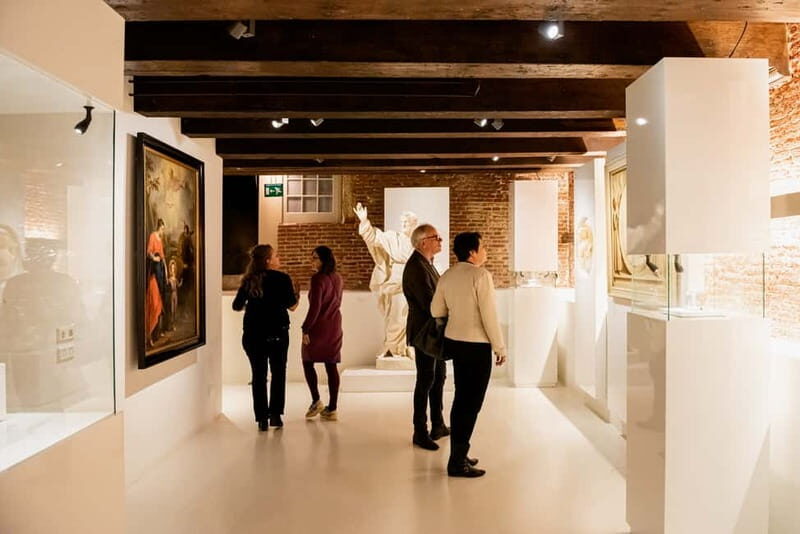
To understand the museum, you need the context in plain terms. The canal house dates to 1663, when it was forbidden to celebrate Mass in public. That one rule explains the whole disguise: nothing outside should hint that Catholic worship is happening inside.
Amsterdam’s “house churches” weren’t just about preference. They were about survival and safety, with worship moved into domestic architecture. The museum also highlights the Dutch tolerance policy—how society could be complicated, with religious practice constrained in public while communities found ways to continue privately.
There’s another neat historical thread built into the museum’s story. Over time, the house church fell into disuse when the Church of St Nicholas opened on Prins Hendrikkade. Later, collectors bought and preserved the building so this Catholic heritage wouldn’t disappear. That’s why you’re visiting today: the site survived because people chose to protect it.
The attic church: the wow factor you can’t fake
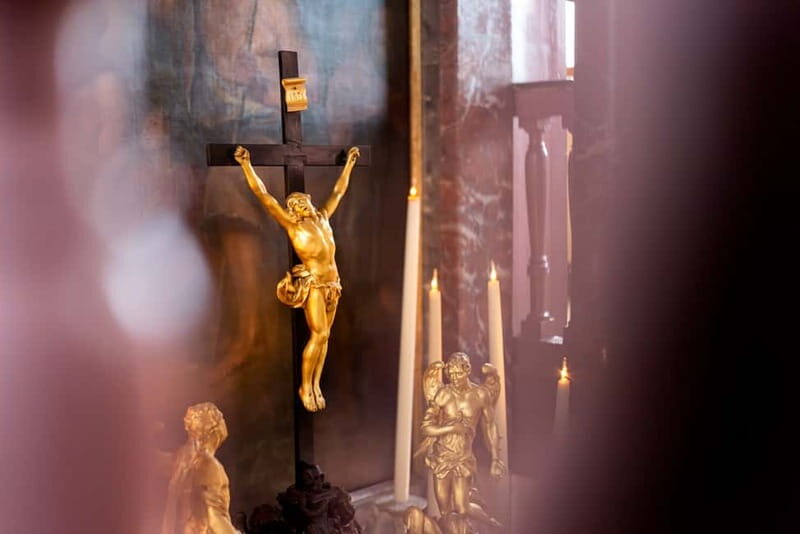
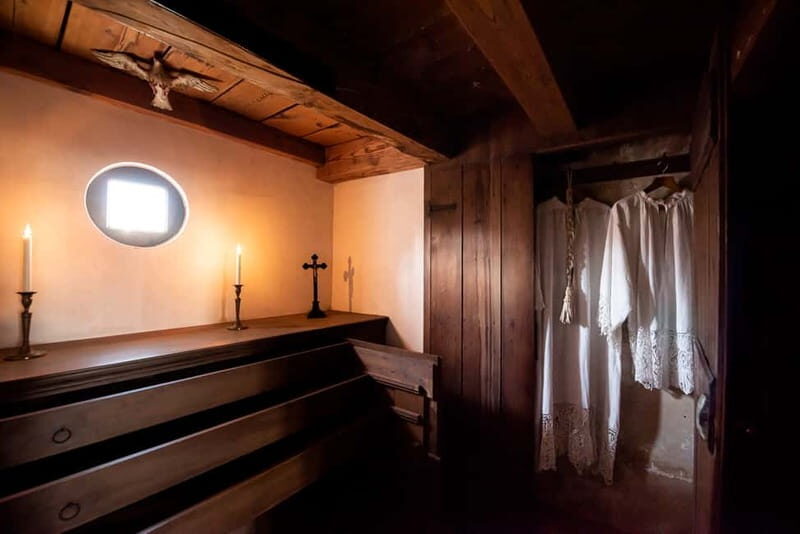
The attic church is the reason most people walk in, and it’s still the strongest moment. It’s not just pretty. It’s functional within a space that would seem too tight for worship. The design shows you what people were willing to build when they had limited legal options.
What makes it hit harder is the transition. You don’t jump straight from street level to chapel. You pass through living-area zones first, so the church feels like a hidden layer of the household, not a separate building wedged into the story.
If you like places where architecture carries meaning—like how rooms can tell social history—this is exactly that.
Audio guide tips: how to get more from your 1 visit
The entry ticket includes an audio guide, and it’s available in Dutch, English, French, German, Italian, Russian, Spanish, Chinese, and Portuguese. That’s a big deal in a museum like this, because the history has details. You’ll get far more out of the rooms if you can match what you’re seeing with what you’re hearing.
A practical tip: the audio experience can offer extra moments depending on controls. One useful detail from the experience is that some audio guides allow extra info through simple button options (like pressing A or B for additional context). If you like to learn without slowing down your pace too much, this kind of choice helps.
Plan to use the audio guide from the start. If you wait until the attic, you may miss how the lower rooms explain the “why” behind the climb.
You can also read our reviews of more museum experiences in Amsterdam





Getting your timing right in central Amsterdam
This museum has set hours, and because it’s in the busy center, you’ll feel the clock.
- Monday–Friday: 10:00–17:00
- Saturday: 10:00–18:00
- Sunday: 13:00–17:00
It’s closed on some public holidays, including Koningsdag (Kings Day). If your Amsterdam dates include a major holiday, double-check before you plan your day.
The biggest timing lesson I’d give you: don’t treat the last hour like extra wiggle room. The museum is small and the route climbs. If you arrive close to closing, you might not have time to linger in the attic church as long as you want. I’d aim to enter with a comfortable buffer—especially if you want the audio guide to shape your visit.
A second small consideration: there can be ongoing work on-site. If you hate surprises, check closer to your visit so you know what to expect.
Price and value: is $21 worth it?
At about $21 per person, this ticket isn’t a budget museum. But it’s also not trying to be generic.
You’re paying for something rare: a preserved 17th-century canal house with a fully integrated attic church, plus interpretation through an included audio guide in a long list of languages. The value comes from the experience being both historical and spatial. You aren’t just reading about religious history—you’re walking through the architecture that shaped it.
If you enjoy museums where details matter (stairs, corridors, how rooms were used), this price makes sense. If you only want big outdoor sights or modern exhibits, you might decide another stop gives you more “bang” for the time.
Practicalities that actually matter for your visit
Where to go: the meeting point is Oudezijds Voorburgwal 38, Amsterdam. This is in the city center, in the area where you can easily walk past entrances if you aren’t paying attention to street-level details.
Luggage: oversize luggage isn’t allowed. If you’re traveling with more than a small bag, plan to store it before you arrive. (Keep it simple: the museum is inside a narrow, older building.)
How long to plan: the duration on the ticket is listed as 1 day, but the practical on-site visit is typically around an hour and a half. Plan for about that much time if you want to take in the rooms and not rush the attic church.
Comfort: you’ll handle narrow stairs and tight corridors, so wear shoes you’re comfortable walking in. This is a museum where your feet do some of the storytelling.
Who this museum suits best (and who might not love it)
This is a strong fit if you’re into:
- architectural history and clever use of space
- stories of private worship and the risks of the past
- museums that feel like you stepped into a real canal-house interior
It’s less ideal if you:
- hate climbing and tight staircases
- want a huge, room-after-room museum day
- plan to rush during the last entry window and skip audio
If you’re Catholic (or just curious about how faith functioned under restriction), the attic church will likely feel especially meaningful. Even if you’re not, the design logic and the historical pressure behind it are easy to connect to.
Should you book Our Lord in the Attic?
If you’re choosing just a few indoor stops in Amsterdam, I’d book this one. It’s compact, but the payoff is big: a preserved canal house you can walk through and an attic church you can’t see anywhere else in the city. The included audio guide makes it accessible, and the format rewards slow, careful looking.
Book it particularly if you want a break from the usual museum style. This one has you climbing through history rather than staring at it behind glass.
FAQ
Where is the Our Lord in the Attic Museum meeting point?
The meeting point is Oudezijds Voorburgwal 38, Amsterdam.
How long is the experience valid for?
The ticket is valid for 1 day. You’ll want to check availability to see starting times.
What are the museum opening hours?
It is open 10:00–17:00 Monday to Friday, 10:00–18:00 on Saturday, and 13:00–17:00 on Sunday. It’s closed on some public holidays, including Koningsdag (Kings Day).
Is an audio guide included, and what languages are available?
Yes, the audio guide is included. It’s available in Dutch, English, French, German, Italian, Russian, Spanish, Chinese, and Portuguese.
Can I bring oversize luggage into the museum?
No. Oversize luggage is not allowed.
Is free cancellation available?
Yes. You can cancel up to 24 hours in advance for a full refund.