Ninety minutes in Dordrecht changes how you see Holland. I like the mix of major landmarks and quieter corners, and I also love how the local guide brings the city’s past to life with stories, facts, and even a few handy sayings. One thing to consider: it’s a compact walk, so if you want lots of time inside buildings, you may need to plan extra stops on your own.
This is for people who enjoy pattern-finding—seeing how a city’s architecture, water, and civic spaces connect over centuries. You’ll get a clear sense of Dordrecht’s rhythm, from the old center near the churches and city governance to the harbor area and the newer parts where modern design and street art show up. The pace is leisurely, but it is still a walking tour, so comfortable shoes matter.
In This Review
- Key highlights to look for on this Dordrecht walk
- A 90-minute walk that makes Dordrecht feel real
- Starting at Voorstraat: where you’ll get your bearings fast
- Great Church and City Hall: the civic power behind the stones
- Church of Our Lady: a landmark stop with more than just photos
- The harbor stroll: relaxed water views and practical history
- Modern Dordrecht: street art, newer buildings, and small surprises
- How the guide keeps the story moving (without rushing you)
- What’s included, what’s not, and what to budget mentally
- What to bring so the tour stays comfortable
- Languages and group style: picking the right fit
- Who this Dordrecht tour suits best
- Should you book the Dordrecht Highlights and Hidden Gems walking tour?
- FAQ
- How long is the Dordrecht walking tour?
- How much does the tour cost?
- Where do I meet the guide?
- What languages are available for the live guide?
- Is the tour wheelchair accessible?
- What’s included in the price?
- Are attraction entrance fees included?
- What should I bring?
- Is there free cancellation, and up to when?
- Can I book a private group?
Key highlights to look for on this Dordrecht walk
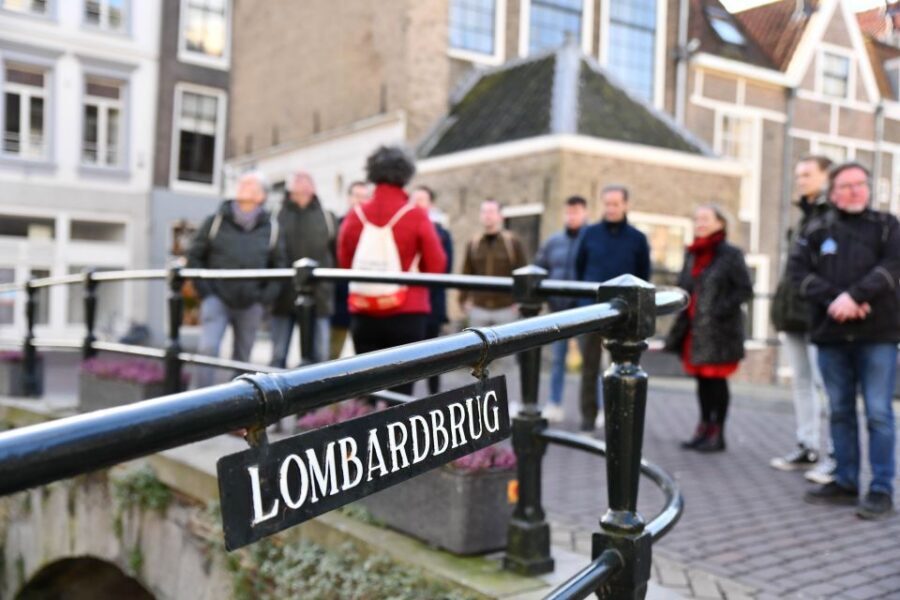
- 800 years, one steady route: you’ll connect past and present without feeling rushed
- City Hall and the Church of Our Lady: two anchors that explain why Dordrecht matters
- Harbor atmosphere on foot: slow down and notice the waterfront mood
- Modern Dordrecht, not just medieval Dordrecht: street art and newer architecture show up along the way
- A guide who answers questions well: time for explanations and thoughtful replies
- A calmer city feel: you cover a lot, but you’re not stuck in a long, maze-like plan
A 90-minute walk that makes Dordrecht feel real
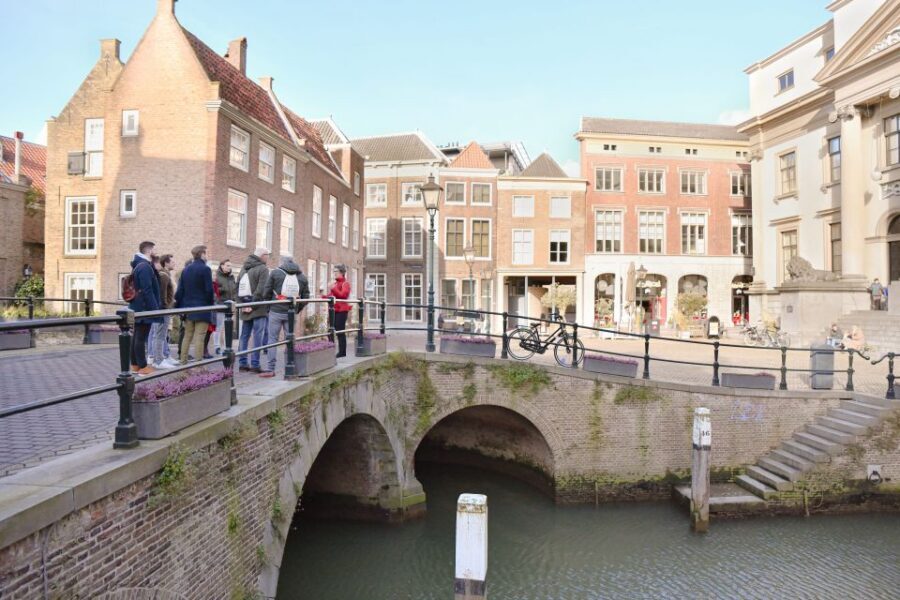
Dordrecht is Holland’s oldest city, and this tour gives you a practical way to understand what that means. Instead of trying to read every plaque, you’ll walk between recognizable civic and religious landmarks, then you’ll branch into lesser-known spots that show how the city actually feels today.
The biggest value here is interpretation. I like that you don’t just get “what this is,” you get “why it mattered.” The guides tend to share historical context, plus small, memorable details—things that help you remember Dordrecht later, even when you’re back in your hotel.
And because it lasts 1.5 hours, it fits neatly into a day that’s already packed with other Dutch sights. It’s short enough to do without draining your energy, but long enough that the story has time to click.
You can also read our reviews of more walking tours in Dordrecht
Starting at Voorstraat: where you’ll get your bearings fast
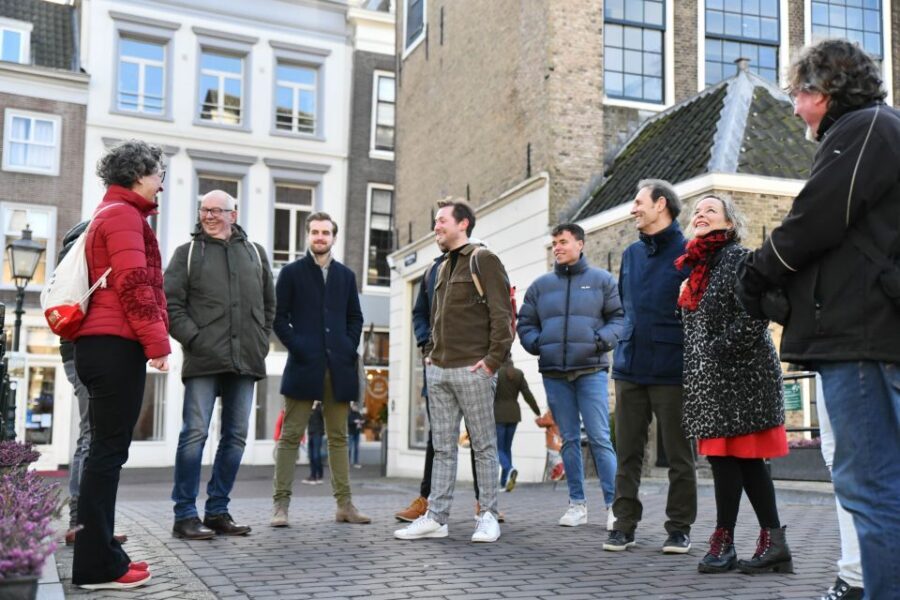
Your tour meets at the Hallo/Ontdek Dordrecht ticket store, and you can use the restroom there. From there, the walk focuses on the old-center core around Voorstraat 276, so you’re not spending your first minutes wandering for the “right” start.
This matters more than people think. Dordrecht’s older streets have a lot of character, but they can also make it easy to get turned around. When you start with the guide in the right place, you immediately get the route in your head—what’s coming next, what to look for, and what detail will matter later.
If you’re traveling with a camera, this is a good setup too. You’ll be close enough to major buildings for photos, and you’ll also have chances for small street-level shots when the guide points out something easy to miss.
Great Church and City Hall: the civic power behind the stones
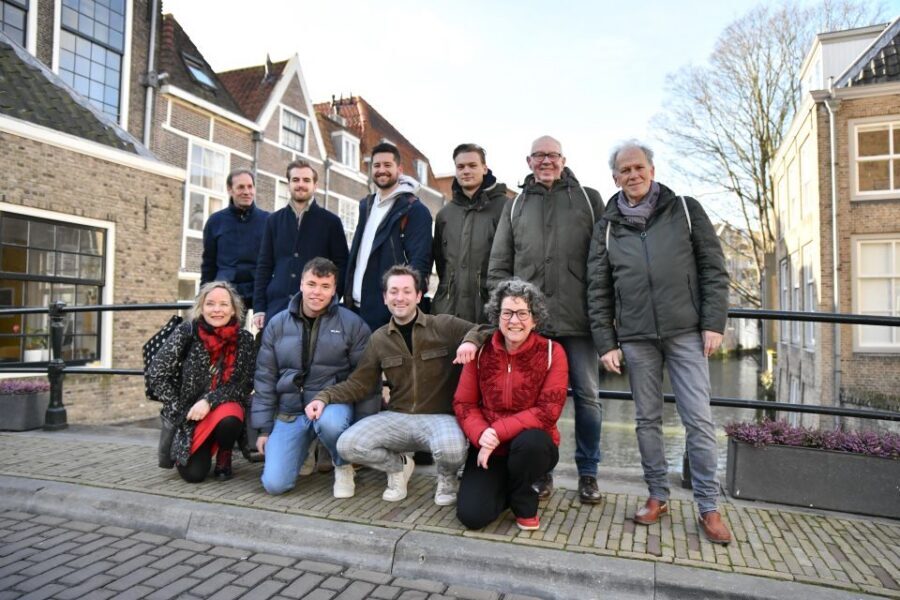
A big part of why Dordrecht feels special is how visible its civic identity is. You’ll spend time looking at the City Hall, and you’ll also see the Great Church (often discussed as a defining landmark in the city center).
Here’s what I’d pay attention to while you’re there:
- Look at how the buildings communicate authority—scale, shape, and placement in relation to the streets.
- Notice how the guide connects architecture to the city’s role over time.
- Let the guide’s stories shape how you see details you might otherwise skip.
The City Hall stop is a strong “anchor” moment because it explains the civic side of Dordrecht, not only the religious side. The Great Church helps you balance that, showing how belief and community spaces shaped daily life.
One practical tip: if you’re the type who likes asking questions, this is a good time to do it. The tour includes time for questions, and the guide’s answers tend to be thoughtful and specific.
Church of Our Lady: a landmark stop with more than just photos
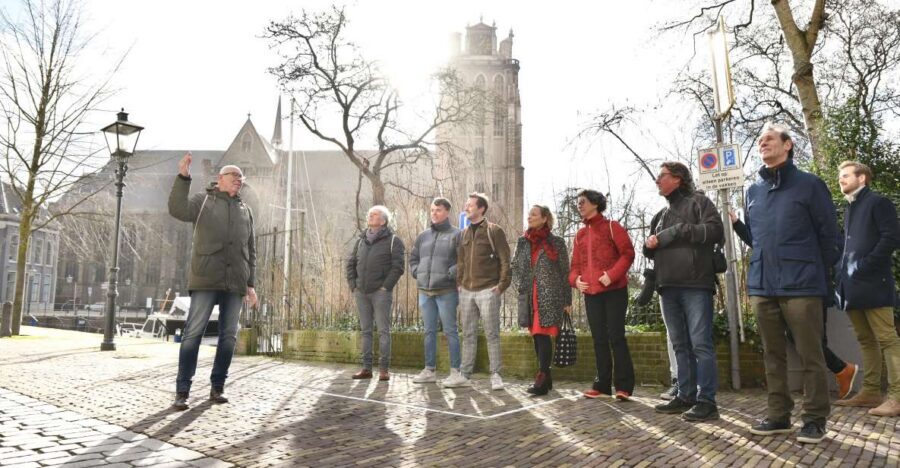
The Church of Our Lady is the kind of place you can photograph quickly, but you’ll understand it much better when you have someone walking you through what to notice.
What you should do during this part of the tour:
- Watch for the visual rhythm—how the church’s presence changes the street feel around it.
- Listen for how the guide frames the church within Dordrecht’s long timeline.
- Use your camera, but don’t rush past the explanations; the building makes more sense when you know what the guide wants you to see.
From what people highlight, the guide’s storytelling style is a key reason this stop lands. It’s not just facts dumped in a row. It’s the kind of explanation that turns stonework into a story you can carry with you.
The harbor stroll: relaxed water views and practical history
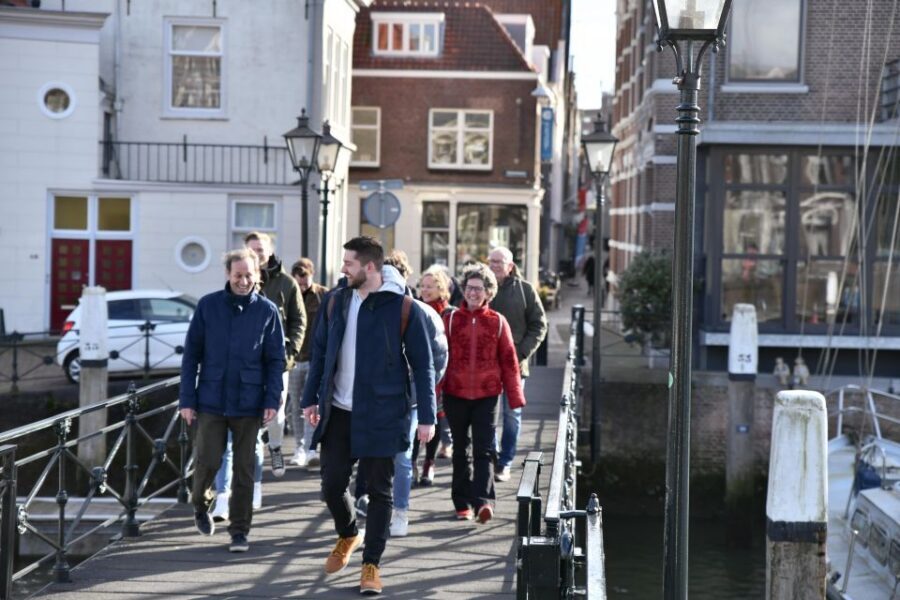
After the major landmarks, you’ll shift toward the harbor area. This is a smart change of pace. Dordrecht isn’t only about monumental buildings; its water setting helps explain why the city mattered and why it developed the way it did.
This section is also where you get a different kind of sightseeing:
- You slow down and see the city in a more everyday mode.
- You pick up a sense of “how people move” around the water.
- You hear stories that connect the past to a place you can still stand in today.
Even if you don’t plan to sit for a long while, the harbor stop is worth giving your attention. The atmosphere is calmer than the historic center, and that contrast helps the whole tour feel balanced.
If you’re sensitive to weather, this is another reason to bring water and dress comfortably. Harbor areas can feel cooler or windier, even when the street-side seems fine.



Modern Dordrecht: street art, newer buildings, and small surprises
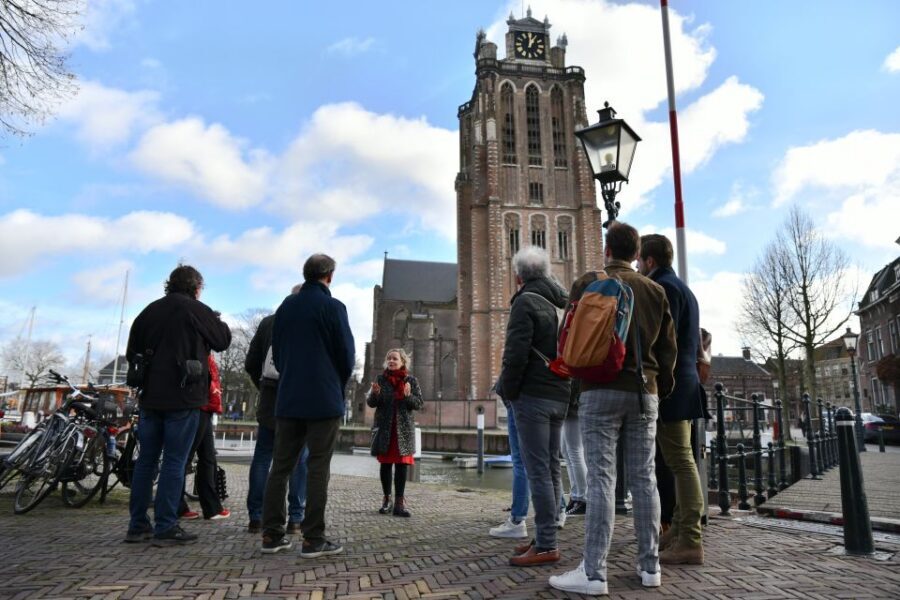
This tour doesn’t treat Dordrecht like a museum. You’ll also see the modern side of the city, including street art and modern architecture, plus some lesser-known locations.
That mix is the hidden value for me. It keeps you from thinking that Dordrecht is only its medieval layers. It’s a living city, and modern design shows up in ways that feel connected rather than random.
One detail that stands out in the tone of the guide’s work is how they incorporate places with a “you’d miss this on your own” quality. For example, there’s mention of a hofje being shown—those tucked-away courtyard-like spots that are easy to overlook unless you’re guided. This is exactly the kind of moment that turns a walk from sightseeing into understanding.
Also, if you live in the area, this style still works. Several people noted the guide could share new information even for locals, which suggests the explanations are carefully chosen rather than generic.
How the guide keeps the story moving (without rushing you)
This tour lives or dies by the guide, and the consistent message in the experience is that the guide tells the history in an engaging way. People mention the guide using interesting facts and even sayings, plus leaving space for questions.
In a short 1.5-hour tour, pacing matters a lot. You’ll get a route that feels leisurely, but you’ll also cover enough ground that the city doesn’t feel like a collection of random stops. The guide’s job is to connect them, and that’s where you’ll feel the benefit.
Another thing I appreciate: the guide adjusts to the group. When a tour leaves room for special requests and answers questions in a grounded way, it tends to feel more personal, even in a small group.
What’s included, what’s not, and what to budget mentally
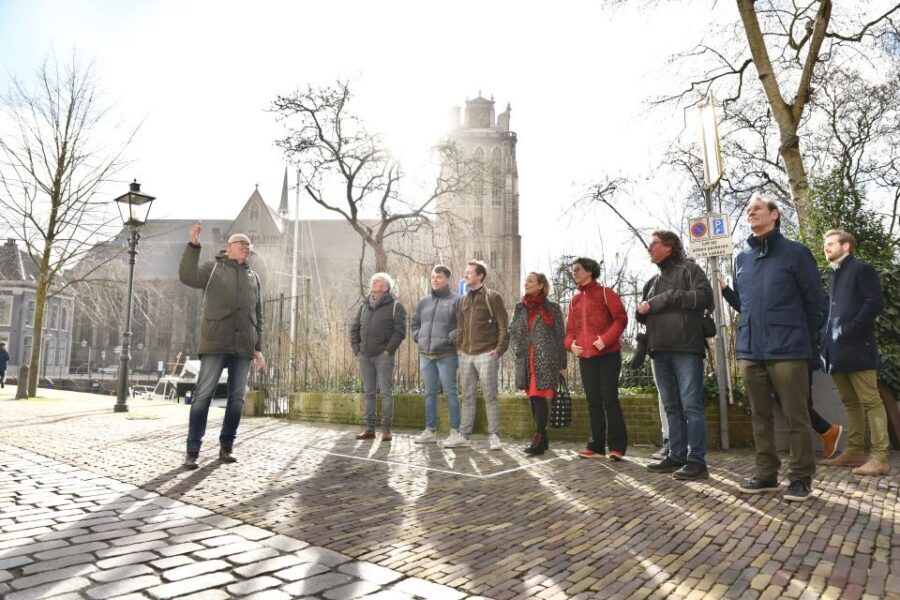
You pay $15 per person for the guided experience, and it includes:
- A professional tour guide
- A city map
Not included are attraction entrance fees. That means you should plan this as a street-and-landmark walk, not a ticket-heavy museum day. If you want interiors, you’ll need to add that separately.
Is $15 good value? For me, yes—because the cost buys you interpretation. You’re paying for someone local to connect Dordrecht’s highlights and lesser-known areas into a coherent story. Since the time is short and the route is efficient, you also avoid the trap of spending half a day getting oriented.
What to bring so the tour stays comfortable
You don’t need special gear. Just bring the basics:
- Comfortable shoes
- Water
- Camera
- Comfortable clothes
That’s enough for a relaxed walk that still keeps moving between landmark clusters. If you’re photographing, remember that old streets and churches can mean you’ll spend a few extra seconds adjusting shots, so water and comfort prevent small fatigue from turning into annoyance.
Languages and group style: picking the right fit
The tour runs with a live guide in English, Dutch, and German, so you can match your comfort level. That matters because a walking tour depends on listening—if you’re straining to follow the guide, you’ll lose the point of the story.
You can also choose a private group, which is a good option if:
- you prefer a slower pace with more questions,
- you want flexibility,
- you’re traveling with family or friends who want a custom rhythm.
If you’re traveling solo or as a couple, the standard group format still works well since the guide typically shares time evenly and keeps everyone included.
Who this Dordrecht tour suits best
This walking tour fits best if you like:
- historic cities but don’t want an exhausting day of walking,
- seeing a mix of famous buildings and quieter streets,
- learning through stories rather than just reading guidebook facts,
- a clear, structured route that still leaves room for questions.
It’s also a good fit for first-timers in South Holland. Dordrecht can be easier to enjoy when someone helps you connect the big landmarks to the feel of the city now.
If your main goal is climbing inside lots of attractions, this may feel too short. In that case, you can use it as your orientation layer, then come back later for deeper visits.
Should you book the Dordrecht Highlights and Hidden Gems walking tour?
If you want an efficient, story-led introduction to Dordrecht, this is an easy yes. The strengths are the guide’s ability to explain what you’re seeing, plus the balance between major landmarks and spots that feel more personal than a straight checklist.
Book it if:
- you enjoy guided context,
- you want to understand Dordrecht’s civic and religious landmarks,
- you’d like harbor time plus a look at modern street-level Dordrecht,
- you want a short 1.5-hour plan that fits around other days.
Skip or rethink it if:
- you’re expecting long interior visits,
- you want a schedule packed with ticketed attractions,
- you hate any walking at all (this is still a real walking tour).
FAQ
How long is the Dordrecht walking tour?
It runs for about 1.5 hours.
How much does the tour cost?
The price is $15 per person.
Where do I meet the guide?
Meet at the Hallo/Ontdek Dordrecht ticket store.
What languages are available for the live guide?
The guide is available in English, Dutch, and German.
Is the tour wheelchair accessible?
Yes, it is wheelchair accessible.
What’s included in the price?
You get a professional tour guide and a city map.
Are attraction entrance fees included?
No. Attraction entrance fees are not included.
What should I bring?
Bring comfortable shoes, a camera, water, and comfortable clothes.
Is there free cancellation, and up to when?
You can cancel up to 2 days in advance for a full refund.
Can I book a private group?
Yes, private group options are available.
If you want, tell me your travel dates and whether you prefer English, Dutch, or German, and I’ll suggest how to pair this with a nearby Dordrecht day plan.