REVIEW · AMSTERDAM
Dutch Golden Age: Private Tour of Amsterdam & Rembrandt’s House
Book on Viator →Operated by Travel Curious · Bookable on Viator
Amsterdam’s Golden Age story is right on your route.
A private Dutch Golden Age tour in Amsterdam is a smart way to keep control of your day. I like the pace you can set, with lots of chances to pause for photos and ask questions, and I also like that Rembrandt House Museum entry is included so you don’t have to juggle extra ticket plans mid-walk. One thing to consider: you’ll be doing a fair amount of street-walking in central Amsterdam, so bring shoes you trust and don’t plan on sitting for long.
This is also the kind of tour that benefits from a guide who can flex. Mike stands out for being energetic, engaging, and willing to tailor the experience to what your group wants, while still keeping the big-picture context front and center—Rembrandt, the Dutch Masters, and how the Dutch East India Company shaped the era. If you’re short on time, this hits several iconic areas fast, but you’ll still need your own time buffer if you want to go into places like the Rijksmuseum afterward.
In This Review
- Key highlights you’ll feel on the walk
- Why a Dutch Golden Age private tour feels different in Amsterdam
- Meet at La Boca and get oriented fast
- Amsterdam streets through the 1600s: what you actually learn first
- Museumplein: where major museums shape your choices
- Bloemenmarkt: tulips, but also timing and practicality
- Dam Square and Damstraat: power in the center
- Rembrandt House Museum: the included guided stop you should prioritize
- Museum Van Loon pass-by and ending outside the Rijksmuseum
- Price and value: what $270 per person really buys
- Who should book this private Amsterdam tour?
- Practical tips before you go: shoes, photos, and pacing
- Should you book this Dutch Golden Age private tour?
- FAQ
- How long is the Dutch Golden Age tour?
- Is this a private tour or a shared group?
- What language is the tour guide?
- What’s included in the ticket price?
- Is the Rijksmuseum included?
- Is transportation or hotel pickup included?
- Are there any stops besides Rembrandt House Museum?
- What’s the physical fitness level needed?
- What’s the cancellation policy?
Key highlights you’ll feel on the walk
- Private pacing and photo stops: you can slow down when a view catches your eye.
- Rembrandt House Museum included: no surprises to budget or schedule.
- Dutch Golden Age focus: Rembrandt and the Dutch Masters framed by the era’s ups and downs.
- Classic Amsterdam anchors: Museumplein, Bloemenmarkt, and Dam Square in one smooth route.
- Rijksmuseum finish, tickets not included: ideal for adding an extra visit if you want it.
Why a Dutch Golden Age private tour feels different in Amsterdam
Amsterdam can feel like two cities at once. There’s the postcard canal city. Then there’s the 1600s powerhouse city—the one built on trade, art, and money that came with consequences.
That’s why this Dutch Golden Age style of tour works so well. You’re not just wandering. You’re walking through major places while the guide connects them to the rise and fall of the Dutch East India Company and the broader context around Rembrandt and the Dutch Masters. It turns landmarks into clues. Instead of asking what you’re looking at, you start understanding why it matters.
And because it’s private, you’re not stuck with a rigid script. If your group is more into art stories than architecture, or vice versa, you can steer the conversation. That personalization is a big part of why this tour rate can make sense compared with cheaper, crowded options—especially if your group size is small enough to actually feel like a private experience.
You can also read our reviews of more tours and experiences in Amsterdam.



Meet at La Boca and get oriented fast
The tour starts near La Boca – Tapas & Steaks Since 1995 on Paleisstraat. That’s a practical meeting spot for central Amsterdam: easy to find, and you’re already in the thick of the city where most walking connections make sense.
From the start, the goal is simple: help you get your bearings fast. Amsterdam is full of repeating canal patterns and pretty façades, and without a plan you can spend half a day playing Where am I?. With a guide leading the route, you move from one recognizable anchor to another while learning how they fit into the Golden Age story.
Also, this tour gives you time—real time. The schedule includes multiple short segments (around 30 minutes each in several areas), which is great because you’re not being rushed from one photo-op to the next. You can step into a square, take a few pictures, then regroup without feeling like you’re sprinting between stops.
Amsterdam streets through the 1600s: what you actually learn first
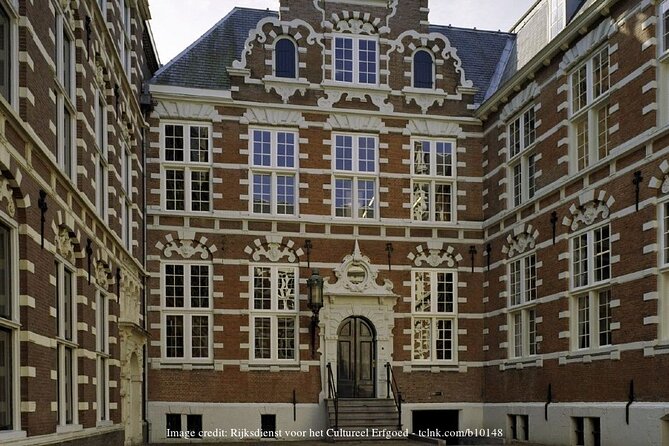
The first stop is a 1-hour walk around Amsterdam with a clear theme: stepping back into the seventeenth century at the height of the Dutch Golden Age. This part matters because it sets the tone for the rest of the experience.
You’ll focus on the lives of Rembrandt and other Dutch Masters, and you’ll also hear how the Dutch East India Company rose and then fell. That company isn’t just a random fact-history tangent. It’s tied to wealth flows, which affects who could commission art, build grand homes, and shape public life. When you understand that, you’ll notice how the city’s physical layout and the art world connect to money and power.
A small bonus: this opening segment is ticket-free. So you get context without having to line up or pay for anything in that first hour. It’s a good way to build momentum before the guided museum time.
Museumplein: where major museums shape your choices
Next up is Museumplein, a lively area known for its concentration of major museums. This stop is shorter—about 30 minutes—but it’s an efficient orientation point.
Why it’s worth doing even briefly: Museumplein is where you start seeing the modern Amsterdam museum district sit on top of older urban patterns. The guide’s framing helps you connect the idea of art as a public obsession in the Golden Age to today’s art institutions.
You’ll also get a feel for sightlines and spacing. Amsterdam’s charm is partly in how buildings “face” each other across open areas. At Museumplein, the open square gives you room to understand the city’s geometry. That’s useful later when you’re trying to plan your own time for other art stops.
Drawback to consider: because this is time-boxed, you won’t get the chance to do full museum entry here. If your main goal is museum immersion (not just a guided walk with a museum stop at the end), plan extra time on your own.
Bloemenmarkt: tulips, but also timing and practicality
The tour then heads to the Bloemenmarkt, Amsterdam’s famous flower market. This segment runs around 30 minutes, and it’s built for two things: atmosphere and quick shopping decisions.
Yes, you can look at flowers and bulbs. If you’re tempted to bring home a tulip bulb, the best approach is to keep expectations realistic. Buy only what you can pack safely, and know that bulb handling can be specific depending on where you’re traveling. This is more about smart impulse control than killing the fun.
Where the tour does a nice job is giving you a short block of time to enjoy the market without feeling trapped. Markets can turn into time-sinks when you’re browsing stalls for 90 minutes and forgetting you have other stops. With this schedule, you get enough time to see it, snap photos, and decide if you want to buy.
You’re also still close to the story thread. Even though this is a market stop, it fits the broader idea of Amsterdam as a trading hub—flowers as goods, seasons as supply, and commerce as part of daily life.


Dam Square and Damstraat: power in the center
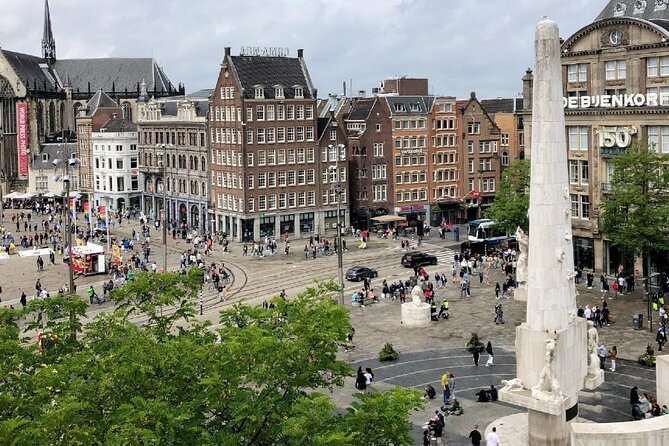
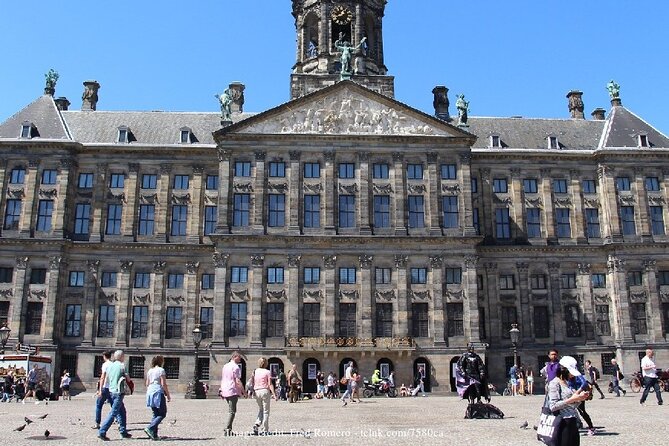
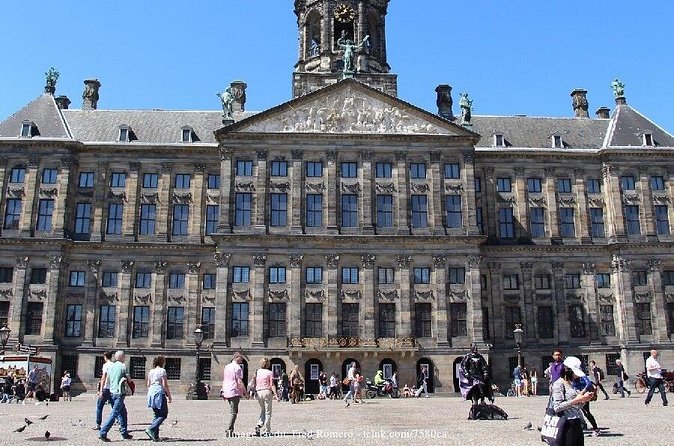
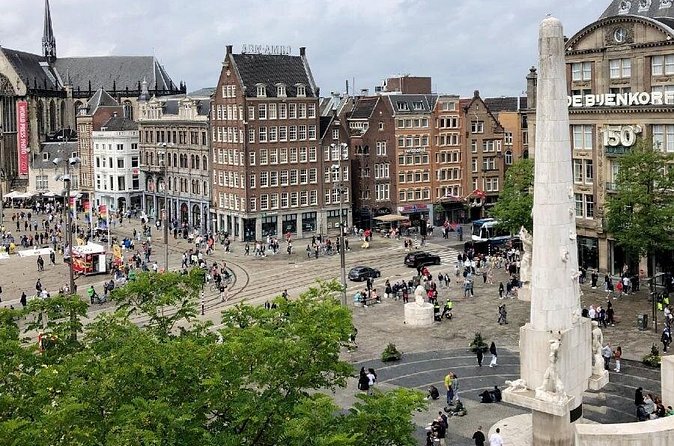
Then you step into Dam Square and Damstraat for about 30 minutes. Dam Square is one of those spaces that feels instantly important the moment you arrive. It’s the kind of square where Amsterdam’s civic and royal identities overlap in the same view.
In this segment, the spotlight is on the Koninklijk Palace (royal residence). The guide’s job here is to connect that presence to the larger idea of authority and public life—how the Dutch Republic expressed power and stability during the Golden Age, even as fortunes changed.
This is a good time to take a step back and look around before you start walking again. Pay attention to how the square “directs” foot traffic and how the surrounding streets channel movement. You’ll feel it in your own navigation after the tour ends.
A consideration: Dam Square can be busy depending on the time of day and season. The private format helps because your guide can control when you pause and when you move on, but you still may need patience for crowd flow if you’re visiting on a high-traffic day.
Rembrandt House Museum: the included guided stop you should prioritize
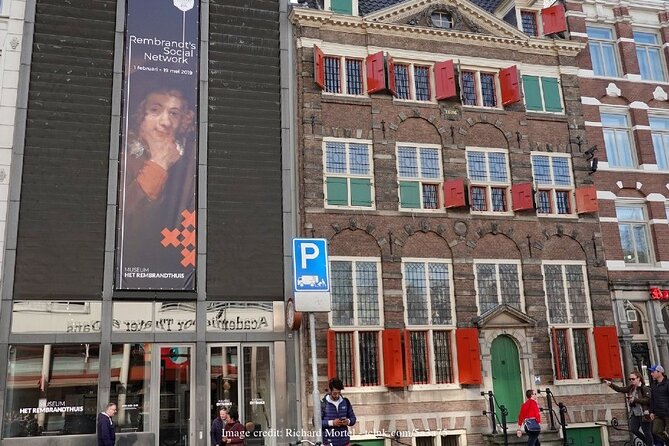
Now we get to the main museum moment: Rembrandt House Museum. This is a guided tour and the entrance is included, which is a big value point for the overall price.
This stop runs about 30 minutes. That’s not a full slow museum day, but it’s enough time to get the story anchored: who Rembrandt was, how he lived, and what makes the house significant in the context of his work and the era.
Why included entry is such a win: museum tickets can add cost and friction. When the tour takes care of it, you avoid the most common trip-planning headache—buying the right ticket, picking the right entry time, then discovering you missed the window. Here, the museum time is simply part of the schedule.
Also, the guided format helps. A house museum is different from a gallery. It’s personal and spatial. You’ll get more from it if someone explains what you’re seeing rather than relying on signage alone.
One caution: 30 minutes goes fast in a museum. If you want extra time for wandering and close looking, plan to do more inside on your own later (or at least factor in that you may want to extend the experience after the tour ends).
Museum Van Loon pass-by and ending outside the Rijksmuseum
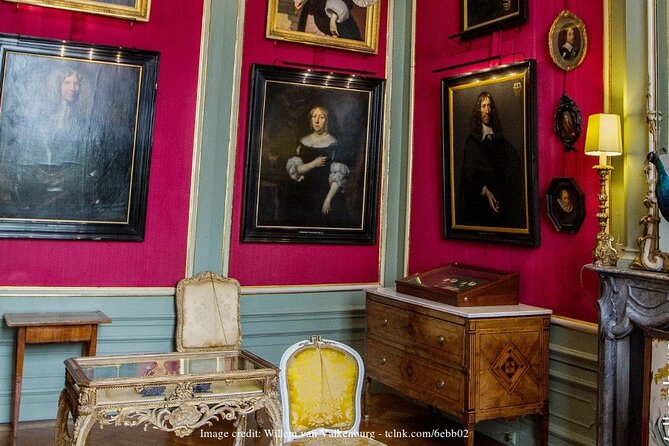
On the way, you’ll pass by Museum Van Loon, a canal-side house along the Keizersgracht. Pass-by stops are short, but they can still be meaningful if you care about how Amsterdam’s canal houses reflect wealth and status. It’s the kind of detail that makes the Golden Age story feel real instead of abstract.
The tour ends outside the Rijksmuseum at Museumstraat 1, and this matters for planning. The Rijksmuseum is one of the best ways to continue the Dutch Masters theme on your own. The collection includes major names like Rembrandt, Vermeer, Van Dyck, and Frans Hals—so if you’re interested in where the paintings went and why they mattered, this is a strong place to continue.
Important: Rijksmuseum tickets are not included, so treat the end point as a handoff, not a guaranteed entry. If you’re set on going in, you’ll want to plan your own ticket timing afterward.
From a photo perspective, ending outside the Rijksmuseum is a win. You’ll get the feeling of landing at a major art destination, and you can decide on the spot whether to go in or keep walking.
Price and value: what $270 per person really buys
At $270 per person for about 3 hours, the key question isn’t only Is it expensive?. It’s: what exactly is included, and does it save you time or mental effort?
Here’s what you’re paying for:
- A private, English-speaking guide for your group.
- Entrance to Rembrandt House Museum included.
- A route that hits several major Amsterdam anchors efficiently.
- Time built in for photos and pacing you can control.
The fact that museum entry is included helps justify the cost. If you were to try to do it yourself—map the route, buy tickets, and line up at the exact right time—you’d spend time and energy that you may not want to spend on a short trip.
On the other hand, transportation and hotel pickup are not included, and the Rijksmuseum entry isn’t included either. So if your hotel is far from the meeting point, you’ll need to budget for getting there (and back). In practical terms, you’re buying a guided experience, not a door-to-door service.
One more value note: this tour is designed to be booked ahead fairly consistently. That’s often a sign demand stays steady. If your dates are flexible, you can shop around, but if you’re set on a specific time window, booking earlier is a smart move.
Who should book this private Amsterdam tour?
This tour is a great fit if you want:
- A guided, art-and-history focused walk that keeps moving but doesn’t feel frantic.
- A private group where you can ask questions and adjust the pace.
- A planned museum highlight without having to sort ticket logistics for that stop.
It’s also good for couples, small families, and friends who want to spend their Amsterdam time outside of museum lines while still getting a guided museum experience.
It may be less ideal if:
- You want a long, full-depth museum day where you linger in multiple galleries.
- Your group hates walking through central streets in all weather conditions. Good weather is required for this experience to run as planned.
Fitness-wise, the requirement is listed as moderate. In practice, that means you should be comfortable walking for several stretches, standing while you look, and moving between stops without needing frequent breaks every few minutes.
Practical tips before you go: shoes, photos, and pacing
A few things will make this tour more enjoyable.
First, wear shoes you trust. Amsterdam sidewalks can be uneven, and the route includes multiple short stops where you’ll likely want to pause for photos. If you’re planning to buy anything from the market, bring a small bag you can carry comfortably without slowing the group.
Second, pack your photo mindset. This tour is designed for pictures, but it only works if you decide in advance what you want—canals, squares, façades, museum moments, or all of the above. If you try to shoot everything at once, you’ll rush through the story parts.
Third, plan how you’ll continue after the finish. Since the tour ends outside the Rijksmuseum with tickets not included, you should decide whether you want to add that museum visit later the same day. If yes, make sure you’ve got enough time and aren’t relying on last-minute ticket luck.
Finally, keep your expectations aligned with the museum time. The Rembrandt House Museum portion is guided and timed. If you’re the type who wants to read every label twice, you’ll likely want extra independent time elsewhere.
Should you book this Dutch Golden Age private tour?
If you want a high-value, no-fuss Amsterdam day that blends Golden Age context with real-world landmarks, I think this is a strong choice. The biggest selling points are the private pacing, the guided Rembrandt House Museum visit with entry included, and the way the route connects Rembrandt and the Dutch Masters to the era’s trade-and-power story.
Book it if your group likes being guided but still wants control—stopping for photos, asking questions, and moving at a comfortable speed. Skip it if you want multiple full museums in-depth or if you’re relying on transportation being handled for you.
If you do book, plan your day so you can enjoy the finish outside the Rijksmuseum and decide calmly what you’ll add next. That flexibility is exactly what makes this kind of private tour feel worth it.
FAQ
How long is the Dutch Golden Age tour?
It’s approximately 3 hours.
Is this a private tour or a shared group?
It’s a private tour/activity. Only your group participates.
What language is the tour guide?
The tour is offered in English.
What’s included in the ticket price?
Rembrandt House Museum entrance is included, and you also get a guided tour of the museum. The tour also includes time for photos and a friendly professional English-speaking guide.
Is the Rijksmuseum included?
No. The tour ends outside the Rijksmuseum, and tickets are not included.
Is transportation or hotel pickup included?
No. Hotel pickup/drop off and transportation throughout the experience are not included.
Are there any stops besides Rembrandt House Museum?
Yes. You’ll cover Amsterdam, Museumplein, Bloemenmarkt, Dam Square & Damstraat, and you’ll pass by Museum Van Loon on the Keizersgracht. You’ll also finish outside the Rijksmuseum.
What’s the physical fitness level needed?
Moderate physical fitness is recommended.
What’s the cancellation policy?
Free cancellation is available up to 24 hours in advance for a full refund. The experience also requires good weather, and if it’s canceled due to poor weather you’ll be offered a different date or a full refund.