REVIEW · AMSTERDAM
Private Amsterdam Red Light District tour with food tastings
Book on Viator →Operated by Trigger Tours · Bookable on Viator
In This Review
- An Amsterdam side trip you won’t get from postcards
- Key highlights in plain terms
- A Red Light District tour that actually teaches you the city
- What 2 hours looks like on the ground
- The Red Light District section: history plus coffeeshop and food tastings
- Passing the Old Church and Chinatown: why that’s smart
- Stop: the Dam area and Amsterdam’s wooden-pole building idea
- The Old Town angle inside the district
- Pub The Ape (Int Aepjen): Amsterdam’s last-stands of wooden buildings
- Waag: from city gate to guild meeting point
- The smallest house of Amsterdam: VOC storage to long-term living
- Condom shop since 1987: commerce, design, and street-level realism
- The guides: Aaron, Sander, and Tony-style energy
- Price and value: where your $121.52 goes
- Who should book this tour
- Quick practical tips for getting the most out of it
- Should you book? My honest take
- FAQ
- How long is the private Amsterdam Red Light District tour with food tastings?
- Is the tour private or shared?
- What language is the tour offered in?
- Do you include food tastings?
- What landmarks or areas will we see?
- What stops are included besides the Red Light District?
- Where is the meeting point?
- Does the tour end at the meeting point?
- Is free cancellation available?
An Amsterdam side trip you won’t get from postcards
If you think the Red Light District is just about neon, think again. This private 2-hour walk mixes history, street-level context, and food tastings so you understand what you’re seeing instead of just staring at it. I especially liked the way the guide turns the area into a set of stories you can follow, stop by stop.
Two things I really value: the guide-led explanations (including how the district fits into Amsterdam’s older urban fabric), and the included food stops that give the walk a calmer, more human pace. One possible drawback: with only about two hours, you’ll be moving through several highlights quickly, so it’s not the best choice if you want a slow, hour-by-hour soak.
You’ll also pass by major nearby landmarks like the Old Church and Chinatown, which helps you place the district in a wider map of the city. Plus, because it’s private, you can nudge the route toward what you care about most, whether that’s building history, Amsterdam’s unusual commerce, or the cultural evolution of the neighborhood.
Key highlights in plain terms
- Private, English-led walk tailored to your interests, not a fixed script
- Food tastings built into the Red Light District portion of the route
- Old Amsterdam stops tied to real building stories, not random photo ops
- Francos of the area, not just sex-and-signs: prostitution history and coffeeshop culture explained in context
- Guides with pacing and Q&A skills, often noted for humor and answering questions
You can also read our reviews of more tours and experiences in Amsterdam.
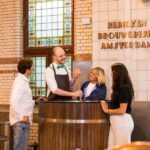
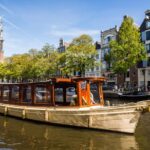
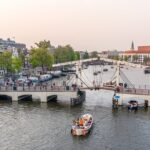
A Red Light District tour that actually teaches you the city
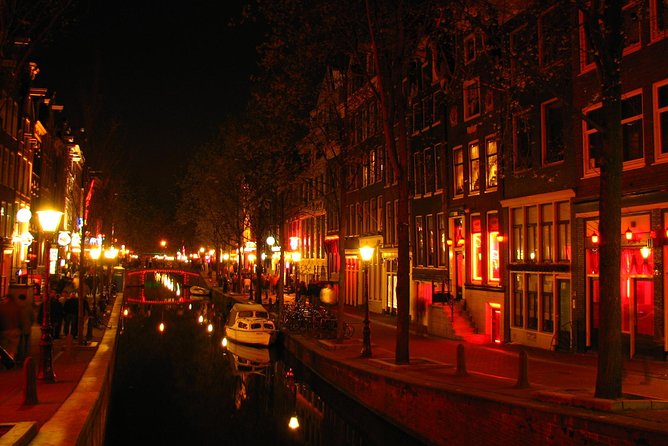
The Red Light District is one of those places people arrive at with assumptions. The value of this kind of guided tour is that it replaces guesswork with details you can use right away.
I like that you’re not just walking past windows and storefronts. You’re getting the surrounding context: how Amsterdam’s oldest areas formed, how the city’s building style shaped neighborhoods, and how the district developed its role over time. That matters because the area is often misunderstood. A good guide helps you look at it like a real urban district with history, rules, and economic pressure—rather than as a single sensational headline.
It also helps that this is set up as a private experience. When you’re with only your group, you can ask questions without feeling rushed or swallowed by a larger crowd. And if you care more about old buildings than the more modern street culture, you can steer the focus.
What 2 hours looks like on the ground
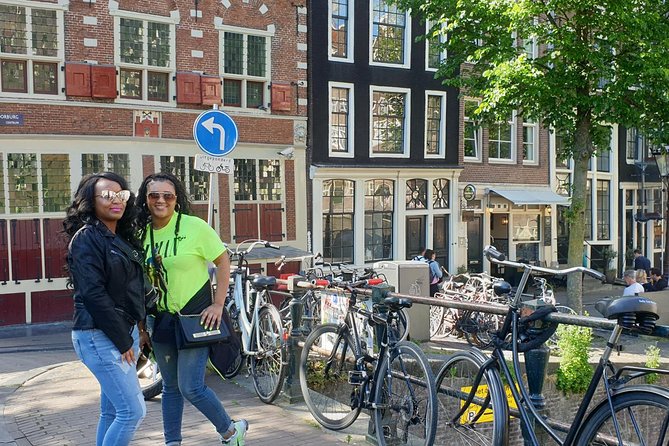
This is an approximately 2-hour tour, so think “high-impact highlights” rather than “full-day deep immersion.” The walking rhythm can still feel relaxed because you stop for food tastings and structured explanations, but you’re still seeing multiple stops.
If you’re short on time in Amsterdam—or you’re visiting for the first time and want a guided introduction—this duration is practical. You’ll learn enough to make sense of what you later notice on your own, especially if you plan to explore the Old Town further.
If you prefer lots of time for sitting, long photo breaks, or detailed museum-style stops, you might find two hours a bit tight. But for a first look that mixes culture and palate, it’s a solid match.
The Red Light District section: history plus coffeeshop and food tastings
The centerpiece of the walk is the Red Light District itself. You’re there to learn about prostitution history and the surrounding street culture, including the coffeeshop culture that Amsterdam is famous for. The most useful approach isn’t shock value. It’s understanding how the district became what it is and why it sits where it sits in the city.
A big advantage here is that the tour doesn’t treat the food tastings as an afterthought. Food stops help you slow down and reset. They also make the whole experience feel more normal—less like you’re consuming spectacle, more like you’re sampling neighborhood life.
You’ll also be going beyond a basic “what happens here” explanation. The guide’s job is to connect what you see—signs, buildings, street corners—to the city’s older layout and shifting social priorities. That’s the part I’d recommend to anyone who wants to be informed but not uncomfortable.
Passing the Old Church and Chinatown: why that’s smart
One of the easier ways to feel lost in a first visit is to treat each neighborhood like a sealed-off theme park. This route avoids that by including nearby landmark context, including the Old Church and Chinatown.
Even without long stops, passing those areas helps you understand Amsterdam as a layered city. The Red Light District isn’t floating in isolation—it’s wrapped by other old streets, communities, and institutions. When you later explore on your own, you’ll recognize the pattern faster.

Stop: the Dam area and Amsterdam’s wooden-pole building idea
You’ll get a detour to the Dam area concept—one of those Amsterdam facts that sounds random until you realize it explains a lot. The key idea is that parts of Amsterdam sit on thick layers of fen and clay, plus waterlogged ground. To build stable houses, the city used wooden poles driven deep until they reach a solid sand layer.
This isn’t just trivia. It’s practical city knowledge. When you look at the age and density of buildings, you can start understanding how Amsterdam supported its growth without modern engineering. It also makes the city feel less like a postcard and more like a real engineering project that people solved over centuries.
If you’re the type who loves background details you can use while walking, this stop will land well.
The Old Town angle inside the district
Within the district portion, you’ll also hear how the area connects to the Old Town—described as the oldest part of the city. This is useful because it shifts your mindset.
Instead of seeing the Red Light District only as a modern entertainment zone, you’re shown that it sits in an older urban core. That matters for how you interpret streets and buildings: the neighborhood’s layout and longevity are part of why things developed the way they did.
A small caution: if you only want modern Amsterdam, you might find some older-city explanations don’t feel immediately relevant. But if you like seeing how layers build on layers, this is exactly the good stuff.
Pub The Ape (Int Aepjen): Amsterdam’s last-stands of wooden buildings
One of the most memorable stops is Pub The Ape, also known in Dutch as Int Aepjen. It’s described as being built around 1540, and it’s noted as one of only two remaining wooden buildings in Amsterdam.
That’s the kind of detail that sticks because it ties together two big threads: the age of the city and the way disasters reshaped building rules. The guide explanation includes the fact that after a major fire in 1452, the government decided buildings should have brick facades. So when you stand in a place like this, you’re seeing a survivor—something left behind from a different building era.
Even if you’re not planning to drink there, the story is worth it. It adds texture to what you might otherwise treat as just a stop on a walk.
Waag: from city gate to guild meeting point
Next up is the Waag, built around the 1400s and described as Amsterdam’s second oldest building. It used to be one of the city gates and part of Amsterdam’s defensive wall system.
Later, it became a place for guilds and craftsman’s organizations, with craftsman groups based within the Waag and around the square. This is another stop that rewards curiosity: it’s a reminder that Amsterdam wasn’t only merchants and canals—it also had formal community structures around trade and craft.
You’ll likely get a clearer sense of how public spaces worked. Gates weren’t just for defense; they were also part of how the city managed movement and commerce. When you connect that to what the Red Light District became economically, the city starts to feel like one system rather than disconnected “attractions.”
The smallest house of Amsterdam: VOC storage to long-term living
The route also includes the smallest house of Amsterdam, built around the 1700s. It’s described as first used as storage for the VOC trading company, and later people lived there for a long time.
This is a fun stop because it gives you a practical human scale view of trade history. The VOC is a huge name, but here you see how that world could show up as cramped storage space. Then the story flips to daily life: someone eventually made it a home.
If you like architectural oddities that come with a reason, this one is a winner. It also helps balance the mood of the walk by grounding the area in ordinary survival and work.
Condom shop since 1987: commerce, design, and street-level realism
One of the more unusual stops is a condom shop described as the world’s first special shop for condoms, in place since 1987. The guide explains that you can get size-customized condoms and various special types.
I get why this feels surprising at first. But it also fits the point of the tour: Amsterdam’s red-light streets aren’t imaginary. They have real businesses that serve real needs, and they operate in a visible marketplace.
If you’re easily embarrassed, you might want to mentally prep. But if you’re open to a frank, practical view of commerce and social reality, this stop lands as part of the neighborhood’s story rather than as a shock tactic.
The guides: Aaron, Sander, and Tony-style energy
The reviews you’ll see for this experience emphasize a few guide traits that you should look for when you’re booking. Names like Aaron, Sander, and Tony come up alongside comments about strong information, good humor, and pacing.
That matters because a tour like this can’t be either too stiff or too vague. You need someone who can explain without turning it into a lecture, and who can handle questions without getting flustered. The people praised here sound like they do that.
Also, pacing is not a small detail. A Red Light District walk can feel uneven if your guide speeds you through the important bits. When the guide adjusts to your group’s needs, you absorb more and feel less stressed. That’s a quality-of-experience issue, not a “nice to have.”
Price and value: where your $121.52 goes
At $121.52 per person, this isn’t a budget stroll. But it’s also not priced like a museum ticket marathon.
Here’s where the value comes from:
- Private format means you pay for your group’s attention and flexibility, not a seat in a big crowd.
- Food tastings are included in the route, so part of what you’re paying for is actual experiences, not only narration.
- The route combines multiple categories of interest—Old Town buildings, landmark context, and cultural explanations—so you’re getting a lot of “meaning per stop.”
If you’re traveling with family or friends and want a guided approach that helps you understand the neighborhood fast, this price can feel reasonable. If you’re solo and don’t care about tastings or context, you might decide you’d rather spend less and self-walk. But if you’re the kind of person who likes learning while you walk, the structure justifies the cost.
Who should book this tour
I think this fits best if:
- you want a first-time orientation to the Red Light District with real context
- you enjoy history tied to buildings and city planning, not just street scenes
- you like food tastings as a way to make a walking tour feel grounded
- you prefer a private setting where your questions and interests matter
It may not fit as well if you want a long, slow exploration, or if you need to avoid any discussion of prostitution-related history. The tour is guided and contextual, not gimmicky, but it’s still centered on the district and its cultural development.
Quick practical tips for getting the most out of it
You’ll get the best results if you go in with one mindset: curiosity plus respect. This is a working, real neighborhood with people and businesses, so being mindful helps you enjoy the stories more.
If you have a topic you care about most—building history, city layout, or street culture—tell the guide early. Since it’s private, you can often steer attention to what you’ll remember later.
Also, wear shoes you trust. The Old Town context means you’ll be doing real walking, and you’ll want your feet to be happy when the food stops come along.
Should you book? My honest take
If you want an informed, structured introduction to Amsterdam’s Red Light District that also includes food tastings and classic Old Town building stories, I’d say yes, book it—especially if you’re short on time and don’t want to piece it together yourself.
Skip it only if you’re looking for a purely celebratory nightlife experience or you want the kind of slow tour where every stop gets long attention. This one is efficient and story-driven, and that’s exactly its strength.
FAQ
How long is the private Amsterdam Red Light District tour with food tastings?
It’s approximately 2 hours.
Is the tour private or shared?
It’s a private tour/activity, so only your group participates.
What language is the tour offered in?
The tour is offered in English.
Do you include food tastings?
Yes. The Red Light District portion includes stops for food tastings.
What landmarks or areas will we see?
You’ll explore the Red Light District and pass by landmarks including the Old Church and Chinatown, plus stops connected to the Dam area and Old Town.
What stops are included besides the Red Light District?
Stops described during the walk include the Dam area (with Amsterdam’s wooden-pole foundation concept), Pub The Ape (Int Aepjen), the Waag, the smallest house of Amsterdam, and a condom shop (in place since 1987).
Where is the meeting point?
The tour starts at ParkBee Parking NH Collection Amsterdam Barbizon Palace, Prins Hendrikkade 59, 1012 AD Amsterdam, Netherlands.
Does the tour end at the meeting point?
Yes, it ends back at the meeting point.
Is free cancellation available?
Yes. You can cancel for a full refund up to 24 hours in advance of the experience start time.