REVIEW · NORTH HOLLAND
Private Sushi Workshop in Hilversum
Book on Viator →Operated by Nigel van der Weerd · Bookable on Viator
A sushi class at home sounds like a treat. This private workshop in Hilversum is hands-on, chef-led, and you leave with a full dinner you made yourself. You’ll learn maki, nigiri, uramaki, and temaki during a 2.5-hour session with a former sushi restaurant owner (Nigel van der Weerd), plus snacks and drinks while you work.
What I really like is how much technique you actually get to practice, not just watch. I also love the warm, patient vibe that comes through in the way Nigel teaches, with lots of focus from the rice all the way to the toppings. One consideration: even though it’s private, the experience has a cap (up to 10 people), so it’s not guaranteed to be one-on-one.
In This Review
- Key Takeaways Before You Go
- Private Sushi Workshop in Hilversum: The Value of Learning Four Styles
- Where You Meet and How the Timing Fits Your Evening
- Chef Nigel van der Weerd’s Hands-On Approach (and the Comfort of a Small Group)
- Your Sushi Menu: Maki, Nigiri, Uramaki, Temaki in One Workshop
- Maki: The Roll Foundation
- Nigiri: Shaped Rice With Topping Focus
- Uramaki: The Inside-Out Roll Trick
- Temaki: The Hand Roll You Can Actually Make Again
- A Quick Note on Meat, Fish, and Vegetarian Options
- From Workshop Bench to Dinner Plate: What’s Included
- Price and Group Size: Is $108.45 Per Person Worth It?
- Cooking at Your Airbnb: When the Workshop Comes to You
- Who This Workshop Suits Best (and Who Might Want a Different Style)
- Practical Tips for the 5:00 pm Start in Hilversum
- Should You Book This Private Sushi Workshop in Hilversum?
- FAQ
- How long is the private sushi workshop?
- Where is the workshop meeting point?
- What time does the workshop start?
- What sushi styles will I learn to make?
- Is this a private experience?
- Who teaches the workshop?
- Are snacks and drinks included?
- Can the menu be vegetarian?
- Can the workshop happen at my vacation rental or Airbnb?
- What are the cancellation terms?
Key Takeaways Before You Go
- Four sushi styles in one session: maki, nigiri, uramaki, and temaki, so you get variety instead of repeating one roll.
- Chef instruction from a former restaurant owner: you’re learning from real professional experience, not a demo script.
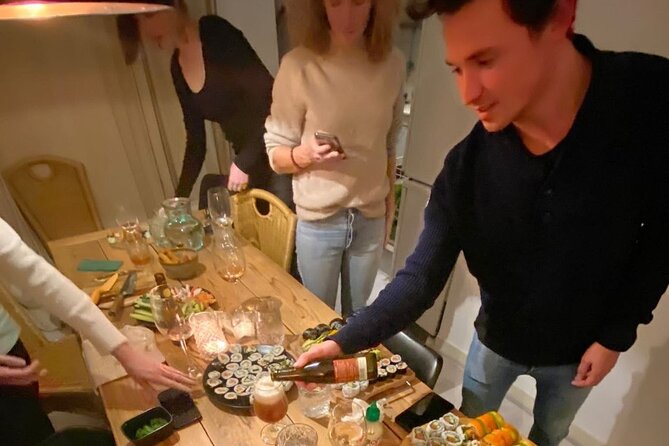
- Your sushi becomes dinner: you’re not just tasting a few pieces at the end—you’re eating what you made.
- Snacks plus drinks included: wine, beer, or non-alcohol options keep the evening relaxed.
- Flexible location, if you have a kitchen: you can potentially host the workshop at your vacation rental or Airbnb.
Private Sushi Workshop in Hilversum: The Value of Learning Four Styles
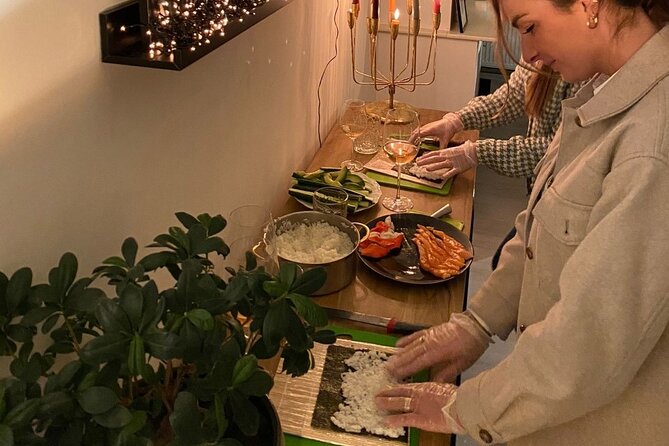
If you’ve ever tried to roll sushi at home and ended up with rice in places rice has no business being, this is the cure. This workshop gives you a real workflow: learn the forms, handle the ingredients, and build enough skill to make it feel doable when you’re back in your own kitchen.
The biggest value here is that you’re not “just learning sushi.” You’re learning different categories of sushi, which means different shapes, different assembling habits, and different expectations for how the roll or piece should look and feel. For most people, that variety turns a one-time class into a skill you can reuse.
And you’re doing it in a small, private setting in North Holland, starting at 5:00 pm and ending back near where you meet. That timing matters because you’re basically planning your dinner around the experience, which takes the mental load off you.
You can also read our reviews of more tours and experiences in North Holland.


Where You Meet and How the Timing Fits Your Evening
You start at Kometenstraat, 1223 Hilversum, Hilversum (north of Amsterdam), and the workshop ends back at the meeting point. The start time is 5:00 pm, and the session runs about 2 hours 30 minutes.
That means you’ll want to think of this as your main evening plan. Since your sushi is served as dinner at the end, you don’t need to build a separate dinner reservation. It also helps if you like doing things earlier rather than stretching your day late into the night.
The location is noted as being near public transportation, which is a practical win in a city-country area where parking can be a hassle. If you’re coming from central Amsterdam, you’ll likely treat it as a short trip outward, then a smooth return when you’re done.
Chef Nigel van der Weerd’s Hands-On Approach (and the Comfort of a Small Group)
This is private instruction, led by Nigel van der Weerd, a (previous) sushi restaurant owner and chef. That professional background shows up in how the class is designed: you’re learning processes, not just getting a final plated result.
From the feel of the experience, the teaching style is patient and encouraging, with a focus on doing things step-by-step. In the short comments people leave, the consistent theme is guidance with patience and enthusiasm—exactly what you want when you’re learning something that depends on small details like rice handling and clean toppings.
With a maximum of 10 people, the group stays manageable. So you can still get attention and feedback, though it’s not guaranteed to be strictly one-on-one. If you’re the type who learns best when you can ask lots of questions without waiting, this size is usually a good balance.
Your Sushi Menu: Maki, Nigiri, Uramaki, Temaki in One Workshop
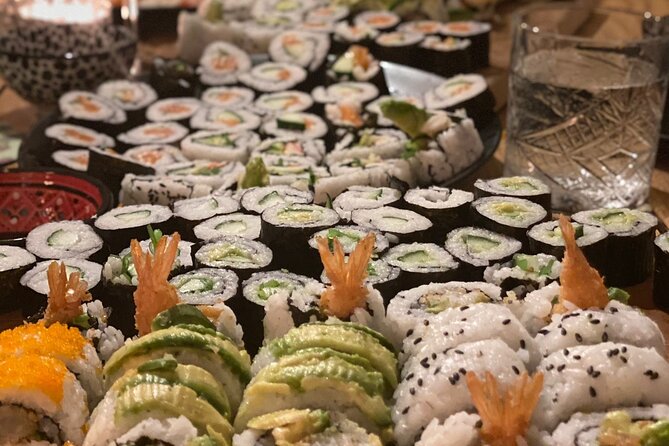
You’ll make four different varieties of sushi: maki, nigiri, uramaki, and temaki. What I like about this lineup is that it covers both classics and modern favorites, so you’ll understand the differences in technique rather than only learning one template.
Here’s what each style generally means, and why practicing all four helps you learn faster.
Maki: The Roll Foundation
Maki is the familiar rolled sushi—often wrapped around fillings with a clean cylinder shape. The learning payoff is control: the way you distribute rice and toppings affects the final slice and how well it holds together.
When you practice maki first, you get a baseline for how rice should feel in your hands, and how fillings are placed so you can roll without overstuffing. That rice-to-topping flow matters, and it’s a big part of what the workshop’s teaching is known for.






Nigiri: Shaped Rice With Topping Focus
Nigiri is the style where you form a small oval of seasoned rice and top it with fish or other ingredients. Instead of rolling, the focus shifts to shaping and balance—rice texture and the placement of the topping.
It’s a different kind of skill, and it’s exactly why I like including nigiri in a class. Even if your rolls aren’t perfect, nigiri teaches you to concentrate on proportion and neatness.
Uramaki: The Inside-Out Roll Trick
Uramaki is the inside-out roll style (think rice on the outside, seaweed typically inside). This is where a lot of home cooks get stuck, because you need to think about structure and layering differently than standard maki.
Practicing uramaki helps you understand how rice behaves when it’s visible and how fillings should be packed so the roll stays intact. It also gives you that “I can make restaurant-style rolls” moment.
Temaki: The Hand Roll You Can Actually Make Again
Temaki is the hand roll—cone-shaped and meant to be eaten without precision-slicing. The skill here is speed and assembly: you build a roll you can hold, then fill it properly.
For many people, temaki becomes the easiest thing to recreate later because you’re not worrying about perfect uniform slices. It’s a nice payoff at the end of the learning arc.
A Quick Note on Meat, Fish, and Vegetarian Options
The menus can include meat and fish, or be adapted for vegetarians. That matters for planning: it means the class isn’t stuck in a single ingredient plan, and you can still learn the techniques without compromising your dietary needs.
So if you’re traveling with someone who doesn’t eat fish, you still have a path to enjoy the workshop fully. Just make sure you align your menu preference when options are available.
From Workshop Bench to Dinner Plate: What’s Included
This isn’t a class that ends with a small taste. After the workshop, the sushi you make is served as dinner, and it’s meant to be enjoyed right then.
Snacks are included during the session, and alcoholic beverages are part of the package too—wine, beer, or non-alcohol drinks are offered. That turns the workshop into a relaxed meal plan rather than a strict cooking test. It also helps if you’re visiting in a group, because you’re eating together at the end.
I like that detail because it changes how you experience the learning. You’re not rushing to finish just to meet a schedule; you’re building your food, tasting along the way, and then enjoying the full result.
Price and Group Size: Is $108.45 Per Person Worth It?
At $108.45 per person for about 2 hours 30 minutes, this isn’t a budget activity. But it also isn’t just a kitchen demo. You’re paying for private-style attention, professional instruction, and a complete dinner built around what you learn.
What pushes the value up:
- You practice four sushi types, which normally would require multiple classes if you were learning on your own.
- You get snacks and drinks included, so the experience isn’t competing with a paid dinner later.
- The chef is a former sushi restaurant owner and chef, which usually means better technique coaching and smoother class flow.
- Your sushi becomes your meal, which is the best kind of “included” value.
What to consider:
- The experience has a minimum traveler requirement (not stated as a number for this exact listing), so sometimes it may only run if enough people book.
- The group maximum is up to 10, so it’s not always a fully solo class experience.
If you’re the type who wants to do something memorable that still feels practical—something you can bring home—you’ll probably feel good about the cost.
Cooking at Your Airbnb: When the Workshop Comes to You
One standout feature is that the workshop can be organized at your vacation rental or Airbnb location. The catch is important: it’s only possible if you have a kitchen available.
This is a big plus if you want a more private, low-effort setting—especially if you’re already settled in and don’t want to plan transport. It can also feel more like an evening event than a typical activity.
But be realistic about the practical side. If your rental kitchen is small or not set up for hands-on cooking, it may affect comfort. Still, if you do have usable counter space and a functioning setup, bringing the class to your door can be a very cool way to make your trip feel like it’s truly yours.
Who This Workshop Suits Best (and Who Might Want a Different Style)
This is a great fit if you:
- want a hands-on dinner activity, not just a tasting
- enjoy learning technique, not only eating the result
- travel with friends or a small group and like doing something together
- have dietary needs, since menus can include meat/fish or adapt for vegetarians
It may be less ideal if you:
- need a guaranteed one-on-one class (the cap is up to 10)
- aren’t interested in making sushi you’ll actually eat
- don’t have flexibility for a 5:00 pm start time
For couples, it can be a fun date-style experience, especially if you like the idea of learning and then sitting down together to eat what you made. For families or mixed groups, the structure usually works well because you’ll rotate across different sushi styles rather than doing one repeat task.
Practical Tips for the 5:00 pm Start in Hilversum
Because the workshop starts at 5:00 pm and runs about 2.5 hours, I’d plan your day so you’re not rushing. Since your sushi becomes dinner, you’ll likely want a lighter snack or earlier meal rather than a heavy late lunch.
Also, give yourself time to arrive at the meeting point in Hilversum (Kometenstraat, 1223 Hilversum). The experience notes proximity to public transportation, which should help if you’re not driving. Once you’re there, you’re in the right mindset: this is not a quick drop-in; it’s a hands-on cooking session.
Finally, if you’re thinking about the option to host at your Airbnb, be honest about your kitchen setup. A kitchen with enough working space is what makes that option actually enjoyable.
Should You Book This Private Sushi Workshop in Hilversum?
I think you should book it if you want a real skill-building cooking experience with a clear payoff: you make four sushi styles and then eat them as dinner with snacks and drinks. It’s also a strong choice if you appreciate professional teaching—Nigel van der Weerd brings the former restaurant owner experience, and the vibe people highlight is patient and warm, with attention to details from rice to toppings.
Skip it if you’re chasing a super budget option or you’re expecting a guaranteed solo class. Also consider whether a 5:00 pm evening start works for your schedule.
If you’re in North Holland and you like the idea of turning a cooking lesson into an actual meal, this workshop is an easy yes. You’ll leave with dinner in your stomach and sushi know-how in your head.
FAQ
How long is the private sushi workshop?
It lasts about 2 hours 30 minutes (approx.).
Where is the workshop meeting point?
The start point is Kometenstraat, 1223 Hilversum, Netherlands.
What time does the workshop start?
The start time is 5:00 pm.
What sushi styles will I learn to make?
You’ll learn to make four varieties: maki, nigiri, uramaki, and temaki.
Is this a private experience?
Yes, it’s described as a private Japanese cooking workshop.
Who teaches the workshop?
The experience provider is Nigel van der Weerd, described as a former sushi restaurant owner and chef.
Are snacks and drinks included?
Yes. Snacks are included, and alcoholic beverages are included too, with wine, beer, or non-alcohol drinks.
Can the menu be vegetarian?
Yes. Menus can include meat and fish or be adapted for vegetarians.
Can the workshop happen at my vacation rental or Airbnb?
It can, if you have a kitchen available.
What are the cancellation terms?
You can cancel for a full refund up to 24 hours before the experience’s start time. Free cancellation is offered, and changes within 24 hours aren’t accepted.