REVIEW · AMSTERDAM
Rijksmuseum 3h Private Guided Tour & Entry Tickets
Book on Viator →Operated by Tour Up in Europe · Bookable on Viator
Rembrandt’s Night Watch deserves a proper guide. This 3-hour private guided visit is built around big Dutch-art moments and smaller historical details, with entry tickets included so you spend your time looking, not figuring things out. It’s also a good way to turn a one-time museum visit into a clear story of Dutch Golden Age art and power.
I especially like the focus on the major names. You’ll get targeted time on The Night Watch and the other Rembrandt hits, plus the cool light-and-calm feel of Vermeer like The Milkmaid and Woman Reading a Letter.
One thing to plan for: even with a guide, you can still run into a line for entry. The tour helps manage it, but don’t assume the day will be instantly frictionless.
In This Review
- Key highlights at a glance
- Rijksmuseum in 3 hours: what you’ll actually leave with
- Meet at Museumstraat: start points that keep you out of trouble
- The Dutch Masters core: Rembrandt, Vermeer, and Frans Hals
- Rembrandt’s masterpieces: faces, power, and drama
- Vermeer’s light and quiet: calm scenes with a lot going on
- Frans Hals and Dutch portraiture: energy and expression
- Dutch Golden Age naval power: maps, ship models, and artifacts
- Gallery of Honour: where the room is part of the show
- Lines, timing, and how to protect your 3 hours
- Price and value: is $345.51 per person fair?
- Who this tour suits best (and who might skip it)
- A practical note on setup: confirmation, mobile ticket, and your visit flow
- Should you book this Rijksmuseum 3-hour private guided tour?
- FAQ
- How long is the Rijksmuseum 3-hour private guided tour?
- Is museum admission included?
- What language is the tour offered in?
- Is this a private tour?
- Where do we meet, and does the tour end there too?
- Is the ticket mobile?
- What is the cancellation policy?
Key highlights at a glance
- Private guide + personalized route so the pacing matches your interests
- Big-name hits like Rembrandt’s masterpieces and Vermeer’s quieter scenes
- Frans Hals and Dutch portraiture for energy, expressions, and period style
- Golden Age naval power with maps, ship models, and maritime artifacts
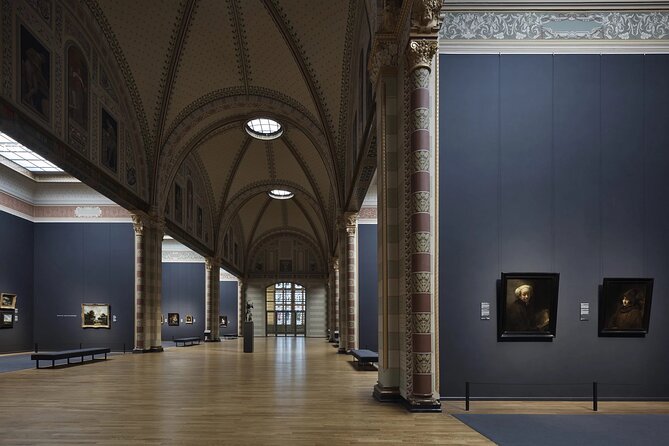
- Gallery of Honour in its original grand setting, where the museum layout matters
Rijksmuseum in 3 hours: what you’ll actually leave with
A museum like the Rijksmuseum can swallow an entire day. The smartest part of this experience is the time budget: about three hours with a private guide who can steer you toward the works that do the most storytelling per minute.
You’ll leave with more than a list of paintings. You should understand how Dutch artists used portraiture, light, and public symbolism, and how the country’s wealth and exploration shaped what people commissioned and displayed. That’s the difference between seeing art and learning how to read it without getting lost.
Because your route is personalized, you’re not stuck doing the museum’s “greatest hits” conveyor belt the whole time. Instead, the guide can help you linger where you care most and keep you moving when you’d otherwise wander or second-guess your choices.
You can also read our reviews of more tours and experiences in Amsterdam.



Meet at Museumstraat: start points that keep you out of trouble
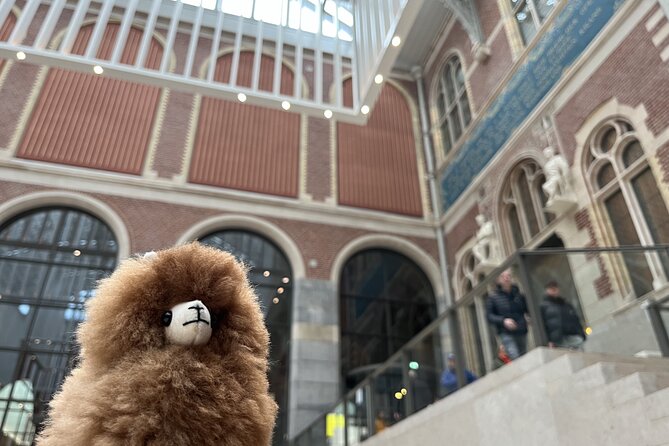
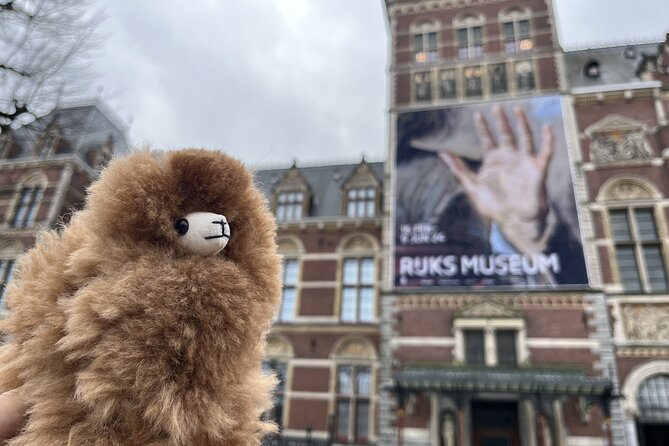
The meeting point is Rijksmuseum, Museumstraat 1, 1071 XX Amsterdam. Your tour ends back at the same meeting spot, which is handy if you’ve got plans right after.
This location is also near public transportation, which matters in Amsterdam. You can build the day around museum time without locking yourself into a long walk from the nearest tram or metro stop.
You’ll also get a mobile ticket, which usually means fewer printed-paper hassles when you’re on the move. It’s a small thing, but on a museum day, small things are what keep the schedule calm.
The Dutch Masters core: Rembrandt, Vermeer, and Frans Hals
This tour’s center of gravity is Dutch Masters, and it treats those names like they belong together—because they do. You’re guided through a sequence that helps the works make sense as part of the same artistic century and social world.
Rembrandt’s masterpieces: faces, power, and drama
You’ll spend time with Rembrandt highlights, including The Night Watch, The Jewish Bride, and The Syndics of the Drapers’ Guild. These paintings aren’t just famous—they’re useful for understanding what portraiture and group identity meant in the Golden Age.
The Night Watch is a great anchor because it’s all about motion, authority, and the sense that a public scene is happening right now. The Jewish Bride shifts the mood toward intimate emotion and personal meaning, while the drapers’ guild piece shows how civic life and wealth were displayed through art.
What I like about getting these works grouped with guidance is that the guide can connect the details you might miss if you’re alone—things like how clothing, posture, and composition communicate status. You don’t need to be an art expert; you just need someone to point your eyes in the right direction.
Vermeer’s light and quiet: calm scenes with a lot going on
Then the tour moves into Vermeer’s world with The Milkmaid and Woman Reading a Letter. Vermeer can feel deceptively simple from far away. Up close—plus with context—you start noticing how light, texture, and daily routine become the whole point.
This is a nice contrast after Rembrandt. If Rembrandt is about public drama and strong presence, Vermeer is about attention—how the smallest actions and expressions carry weight. You’ll likely enjoy this part most if you like slow-looking and you’re the type who remembers details like what a person is holding, where the light comes from, and how the scene is framed.




Frans Hals and Dutch portraiture: energy and expression
You’ll also see Frans Hals and other examples tied to Dutch portraiture. Hals’s work is often about living expressions, quick energy, and that sharp sense that people aren’t statues—they’re human beings caught in the act of being themselves.
This portion helps you see portraiture as more than “pretty faces.” In that era, portraits were also statements—about reputation, civic roles, and social rank. A guide’s help here is practical: it speeds up your understanding of what to look for so you’re not stuck guessing.
Dutch Golden Age naval power: maps, ship models, and artifacts
One of the best surprises in this format is that it’s not only paintings. The tour includes Golden Age naval power and exploration, with maps, ship models, and maritime artifacts connected to the Dutch maritime empire.
That matters because it connects art to the world that funded it. When you understand exploration and trade, you start to see why Dutch society valued certain images, symbols, and cultural confidence. You’re also more likely to remember the museum as a place with real-world context, not just rooms of paintings.
If you’re the kind of person who likes history that feels concrete, this section can be a win. Ship models and maps are easier to visualize than abstract explanations. And with a guide pointing out what these objects represent, you can make connections fast.
Gallery of Honour: where the room is part of the show
The tour also includes time in the Gallery of Honour. This is where the museum layout starts doing some storytelling too. In a museum like the Rijksmuseum, the building isn’t neutral—its grand original setting can change how you feel about the art.
What you’re aiming for here isn’t just to say you saw an iconic space. It’s to experience how the museum’s architecture frames the biggest paintings. A guide can help you understand why that positioning matters, and what you’re meant to notice when the works are displayed in their original style.
This is also a helpful “wrap” moment for a shorter tour. It gives you a sense of scale and importance before you step back out into regular Amsterdam life.
Lines, timing, and how to protect your 3 hours
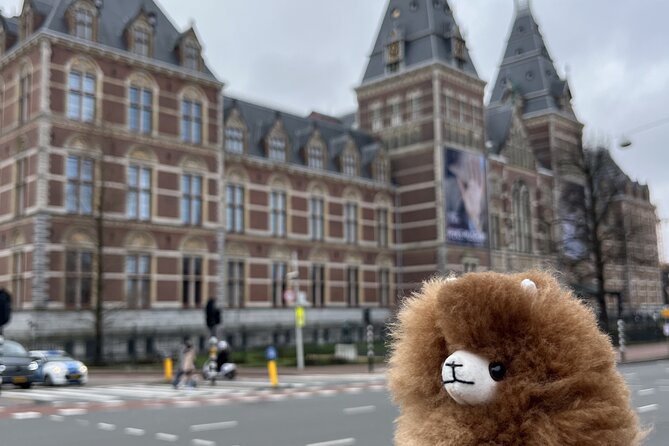
You get something very practical with a private guide: you don’t have to waste time deciding where to go next. That alone can save a surprising amount of your three hours.
Still, there’s a reality check. Even with a guide, you can expect some kind of queue or waiting around entry. The good news is that your guide can help you plan your approach so the waiting doesn’t eat your best viewing time.
My advice for you: treat this as a time-managed museum visit. Build your expectations around making the most of the hours you have, not around the fantasy of walking straight in without any slow moments.
And because the tour is private and your route is personalised, you’re more likely to hit the works that matter most to you rather than whatever is closest in the moment.
Price and value: is $345.51 per person fair?
At $345.51 per person, this isn’t a budget tour. It’s a “pay for time and direction” kind of purchase—especially because it includes private guide time plus entry tickets.
So the value question comes down to this: do you want guided focus, or do you want to self-tour? If you’re comfortable wandering and you know what you want to see, you may feel you can do it cheaper. But if you prefer a guided plan that helps you look smarter and understand faster, paying for a private guide can be money well spent.
This price also starts to make sense if your group wants a more exact pace. You’re buying fewer distractions and fewer wrong turns. And the tour’s content mix—Rembrandt, Vermeer, Hals, plus the museum’s maritime/history side—means you don’t have to choose one theme and miss the rest.
One more value point: with entry included, you avoid a separate ticket step during your planning. That sounds small, but on busy museum days it reduces friction.
Who this tour suits best (and who might skip it)
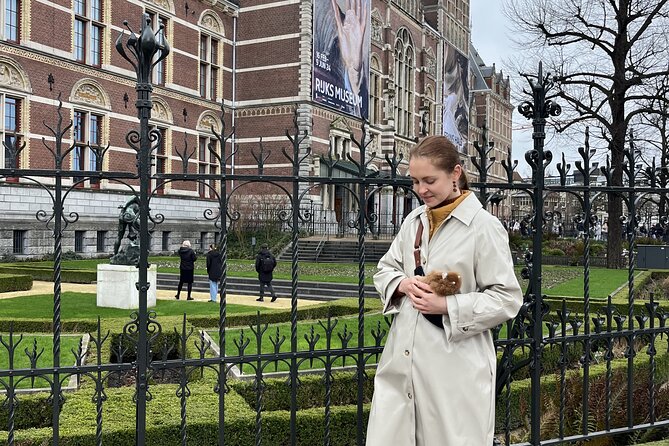
This experience fits well if you want a guided museum visit without committing to a full day. It also fits if you like art history explained in a way that points your eyes toward specific details and connections—especially around Dutch Golden Age storytelling.
You’ll likely enjoy it most if:
- You’re seeing the Rijksmuseum for your first time and you want a clear, high-impact route
- You’re interested in Dutch Masters but also want the context behind the art
- You prefer English explanations and a steady pace rather than long self-navigation
It may be less ideal if:
- You’re mainly interested in only a couple of rooms and you love freedom above structure
- You’re traveling very late in the day and would rather risk less paid structure in exchange for flexibility (since waiting can happen)
The good part is that it’s private, so it’s not crowded with strangers steering your day in directions you didn’t choose.
A practical note on setup: confirmation, mobile ticket, and your visit flow
You’ll receive confirmation at booking time, and the mobile ticket keeps things straightforward. Your start point is fixed at the Rijksmuseum address, and the tour ends back there.
If you care about keeping your schedule tight, this kind of start/end structure is a quiet win. It also helps when you’re planning dinner or a canal walk right after, because you don’t have to reorient yourself at the far end of the building.
Service animals are allowed, and the experience is designed so that most travelers can participate. That’s useful to know if you’re comparing museum tours and trying to avoid surprises.
Should you book this Rijksmuseum 3-hour private guided tour?
If you want the Rijksmuseum to feel understandable and efficiently planned, I’d say this is a strong pick. The mix of Rembrandt, Vermeer, Frans Hals, plus Golden Age maritime history, gives your three hours a clear shape. And the “private + personalized route” setup is exactly what helps shorter visits feel complete.
Book it if you value:
- Time management inside a big museum
- Focus on named masterpieces like The Night Watch and The Milkmaid
- A guide who can connect paintings to the era, not just point them out
Skip it if you’re happy touring on your own and you’d rather spend less on direction. Also, if you hate any chance of waiting, go in with realistic expectations: some kind of entry line can still happen.
If you’re flexible, you have extra peace of mind: the tour offers free cancellation if you cancel at least 24 hours in advance for a full refund. That gives you room to adjust as your Amsterdam plans evolve.
FAQ
How long is the Rijksmuseum 3-hour private guided tour?
The tour runs for approximately 3 hours.
Is museum admission included?
Yes. Entry tickets are included with the private guided tour.
What language is the tour offered in?
The tour is offered in English.
Is this a private tour?
Yes. It’s a private tour/activity, meaning only your group participates.
Where do we meet, and does the tour end there too?
You meet at Rijksmuseum, Museumstraat 1, 1071 XX Amsterdam, Netherlands, and the activity ends back at the same meeting point.
Is the ticket mobile?
Yes. You receive a mobile ticket.
What is the cancellation policy?
You can cancel for a full refund if you cancel up to 24 hours in advance of the experience’s start time (based on local time). If you cancel less than 24 hours before, the amount paid is not refunded.