REVIEW · ROTTERDAM
Rotterdam Walking Tour and Harbor Cruise
Book on GetYourGuide →Operated by HTG Services · Bookable on GetYourGuide
Rotterdam looks like it was planned after a disaster. This 4-hour combo mixes WWII scars, daring modern design, and a calm 75-minute harbor cruise to reset your brain. I especially love the cubic houses of Blom and the way the walk connects big architectural ideas to real street corners. One watch-out: it’s about 3 hours of walking, so wear comfortable shoes and keep bags light.
The tour starts at the Ossip Zadkine statue, The Destroyed City, then moves at a relaxed pace with a private guide in English, German, Spanish, or Dutch. You’ll see the parts of Rotterdam that survived the war, plus major postwar projects like the Markthal, a big covered market with housing built right into the architecture. If you want facts and design details without feeling rushed, this one’s a strong fit.
- Begin at The Destroyed City so the WWII story clicks immediately, not later.
- Blom’s 38-cube concept explained as an abstract tree and urban forest idea.
- Old Harbor landmarks that survived the war like Laurens Church and the town hall area.
- The Markthal experience: first covered market in the Netherlands, opened 1 Oct 2014 after five years of construction.
- A below-ground shopping section nicknamed the sales gutter, for a Rotterdam twist.
- Relax on a 75-minute harbor cruise when your legs start asking questions.
In This Review
- Starting at The Destroyed City: the WWII setting that makes everything else click
- From rubble to daring design: why Rotterdam rebuilt with a plan
- Blom’s Cubic Houses: an urban forest you can walk around
- Old Harbor, the town hall, and what survived the war
- The Markthal: Rotterdam’s first covered market as architecture and daily life
- Choosing pace and getting the most from a private guide
- The 75-minute harbor cruise: where your feet finally get a break
- Price and value: what $188 buys you in Rotterdam time
- Who this Rotterdam walking tour and harbor cruise suits best
- Should you book this tour?
- FAQ
- FAQ
- Where is the meeting point for this tour?
- How long is the Rotterdam walking tour and harbor cruise?
- Is the tour private, and do I choose the language?
- What is included in the price?
- Is food or drinks included?
- What should I wear or bring?
- What happens during the harbor cruise?
- Can I cancel for a refund?
Starting at The Destroyed City: the WWII setting that makes everything else click
If you’ve only ever seen Rotterdam from a canal boat, this tour gives it meaning fast. You meet at The Destroyed City, the Ossip Zadkine statue in Rotterdam’s center, which helps you understand why so much of the city looks purposeful instead of accidental.
From there, your guide sets a calm pace and frames the big theme: Rotterdam was heavily damaged during World War II, then rebuilt with a mindset that favored bold design and speed. That context matters because without it, the architecture can look like random style hopping. With it, you start seeing a logic—city planning as a response to loss.
From rubble to daring design: why Rotterdam rebuilt with a plan
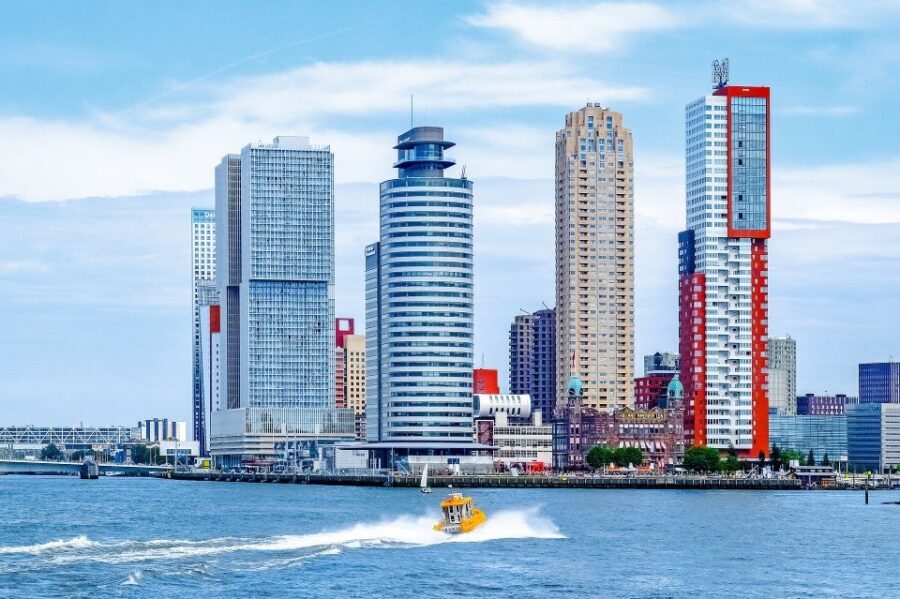
This walking portion is about more than pretty buildings. You’ll connect the dots between destruction and the intense rebuilding process that turned Rotterdam into one of the most striking examples of modern architecture in the Netherlands.
You’ll hear how Rotterdam’s postwar identity grew from practical needs and design ambition at the same time. That’s a big reason why the tour works well for first-timers: you’re not just collecting sights, you’re learning the “why” behind the shapes, the materials, and the contrasts you’ll notice on every corner.
It also helps that the tour is private. With your own guide, you can ask follow-up questions when something catches your eye—say, when an old church sits a short distance from newer development. And yes, pace is part of the value here; the goal is to let you actually see the city instead of speed-walking through it.
You can also read our reviews of more walking tours in Rotterdam
Blom’s Cubic Houses: an urban forest you can walk around
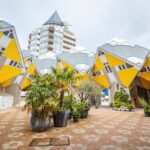
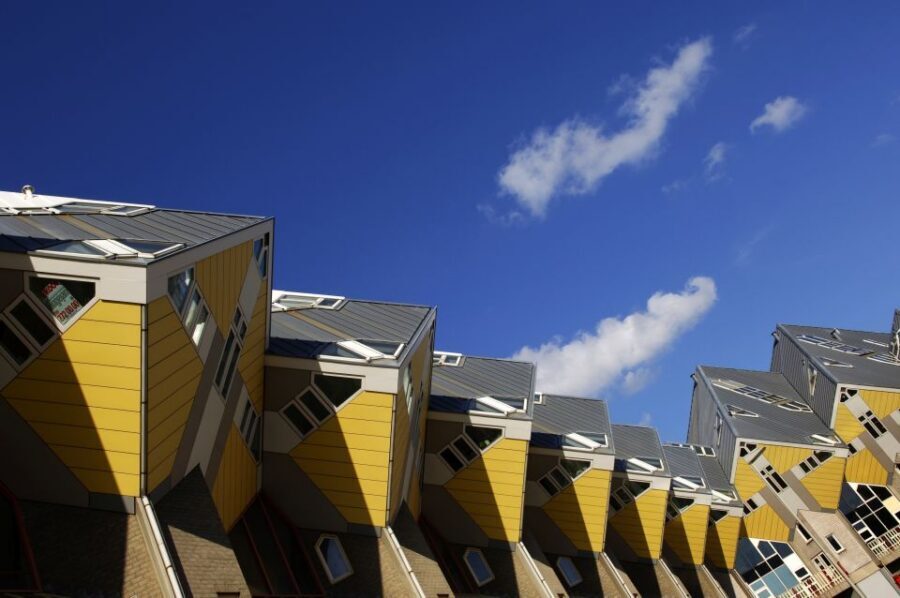
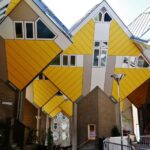
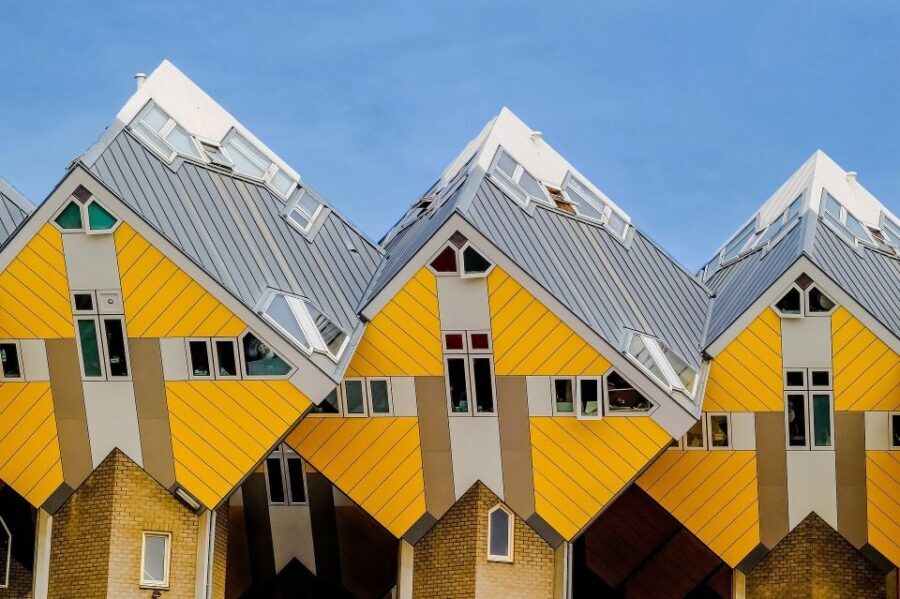
The standout design stop is Blom’s cubic houses, often called Rotterdam’s most fascinating housing project. Your guide explains the concept as an abstract tree, and the full complex as a dense urban forest—an imaginative way to describe what you’re looking at: 38 cube forms packed into a coordinated, walkable neighborhood.
What I like about this stop is how tactile it feels. You’re not staring at a sculpture behind glass. You’re moving through the streets and noticing how the cubes create rhythm and micro-views that normal blocks don’t.
The best part is how your guide ties the unusual geometry to a human-scale idea: it’s still housing, still city life. That’s why the cubes don’t feel like a gimmick. They feel like Rotterdam thinking differently about how people live.
Practical note: expect some street-level walking around the area. If you’re tempted to bring a heavy bag, don’t. This tour is designed for light steps.
Old Harbor, the town hall, and what survived the war
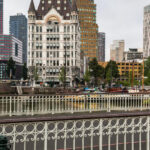
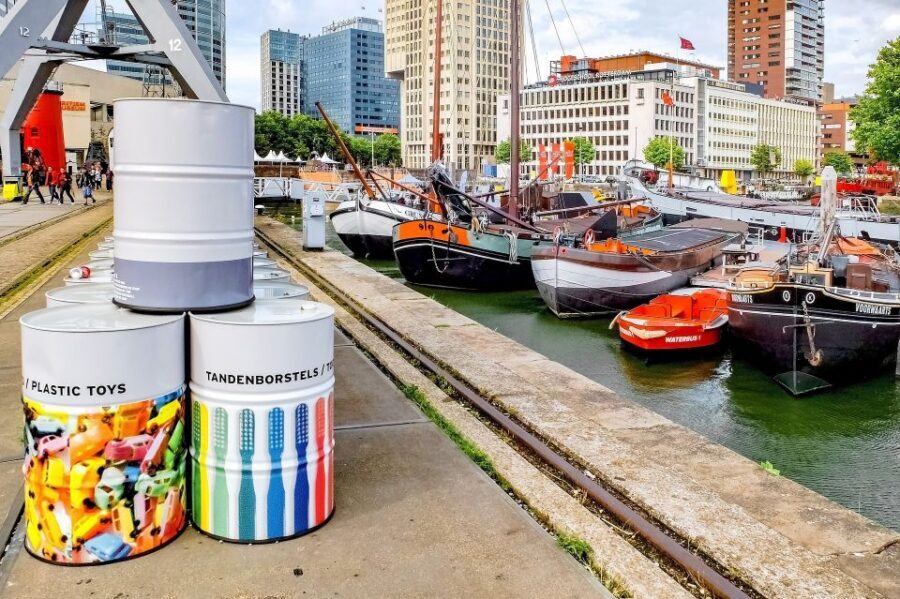
A big chunk of the walk focuses on the parts of Rotterdam that stayed standing through the wartime damage. You’ll pass and look at historic survivors such as the post office, the town hall, and Laurens Church.
These aren’t just photo ops. They’re reference points. Standing near older buildings while the city around them changes helps you feel the time jump in a way a museum exhibit can’t.
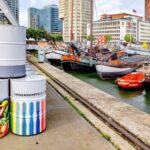
You’ll also walk through the old harbor area and the central shopping zone, including a portion of the shopping area below ground. That underground section has the nickname the sales gutter, which is the kind of detail Rotterdam does well—practical planning paired with a memorable local name.
If you like cities that show layers—old, damaged, rebuilt—you’ll enjoy this section. It gives the tour balance: modern architecture fans get their fix, but history people get something real to point to.
The Markthal: Rotterdam’s first covered market as architecture and daily life
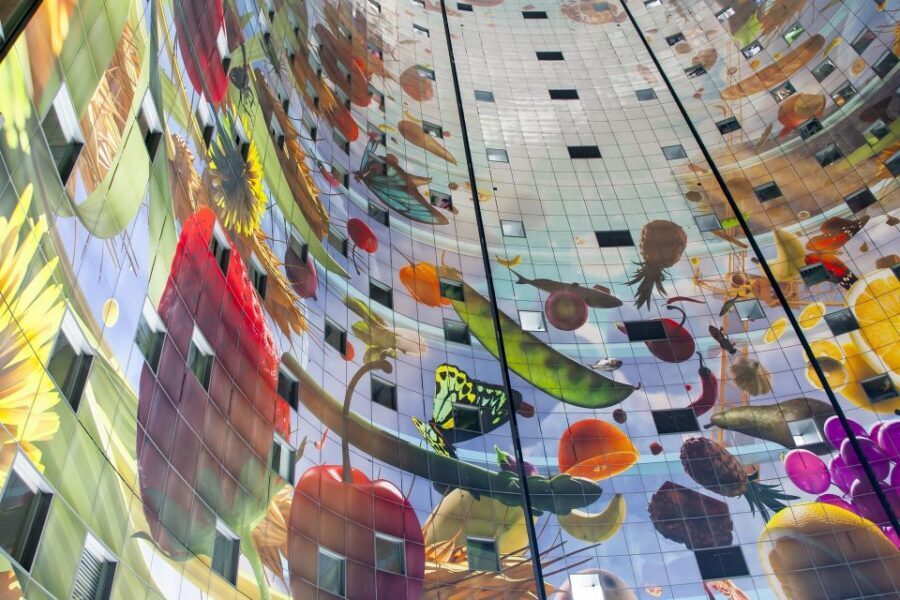
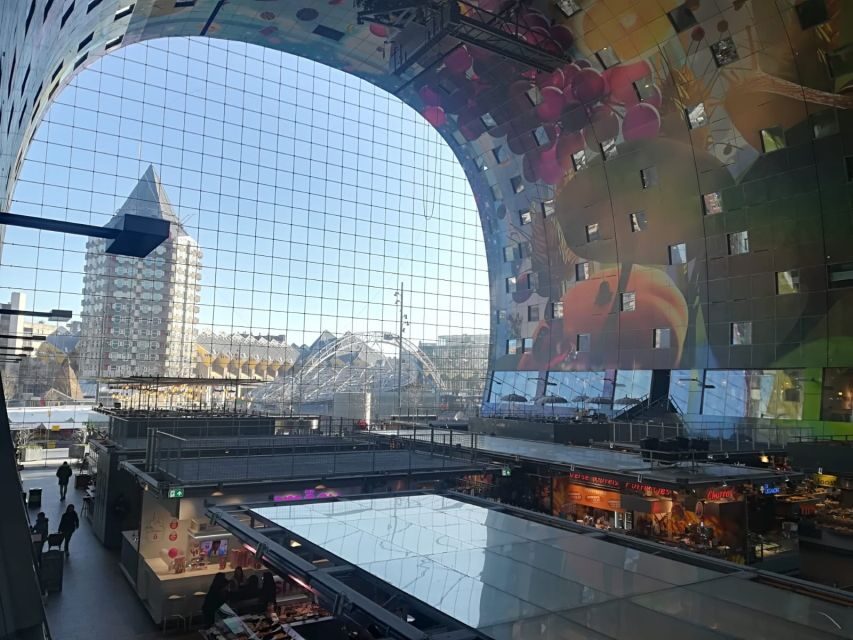
Next you’ll reach the Market hall, one of the tour highlights. It’s described as the first covered market in the Netherlands, and it opened for business on 1 October 2014 after five years of construction.
Here’s what makes the Markthal special beyond the headline. The structure is famous because it combines good food with unique housing in a single architectural package, shaped into a dramatic arch. In other words, it’s not only a place to browse and eat. It’s also part of how people live above and around the market.
When you walk through, the experience becomes about contrast. You’ll be close to the energy of food markets, while the building itself reminds you this is Rotterdam’s modern design mindset at full volume. Even if you’re not a big architectural buff, you can still enjoy it as a place with purpose—something daily and practical, not just impressive from the outside.
Choosing pace and getting the most from a private guide
A lot of tours say private. This one actually behaves like it. You have your own Rotterdam guide, and the plan is built around a relaxed walking rhythm so you can absorb what you’re seeing.
The language options are also a real plus. You can book the tour in English, German, Spanish, or Dutch, which matters when you want to catch architectural explanations without half-guessing the meaning.
This is also a tour where the guide’s route planning affects your experience. In past runs, guides such as Gerd Baas, Niels, Ulla, and Adrian have been noted for being friendly and for guiding guests smoothly through the key highlights. That’s exactly what you want: someone who can keep the flow going while still giving you time to look.
You can also read our reviews of more boat tours in Rotterdam
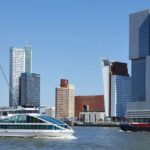


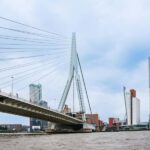

The 75-minute harbor cruise: where your feet finally get a break
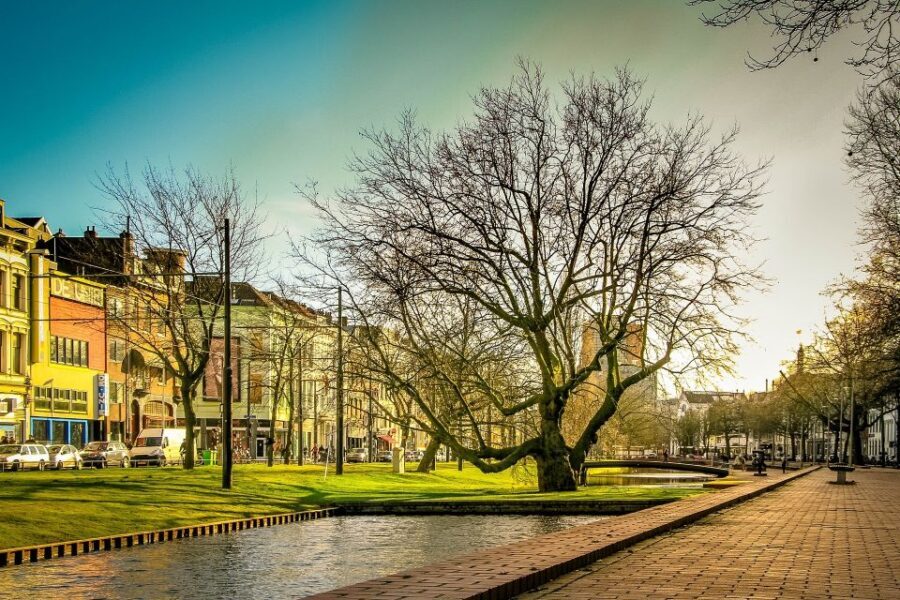
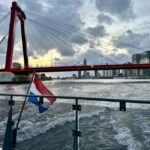
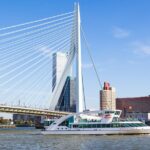
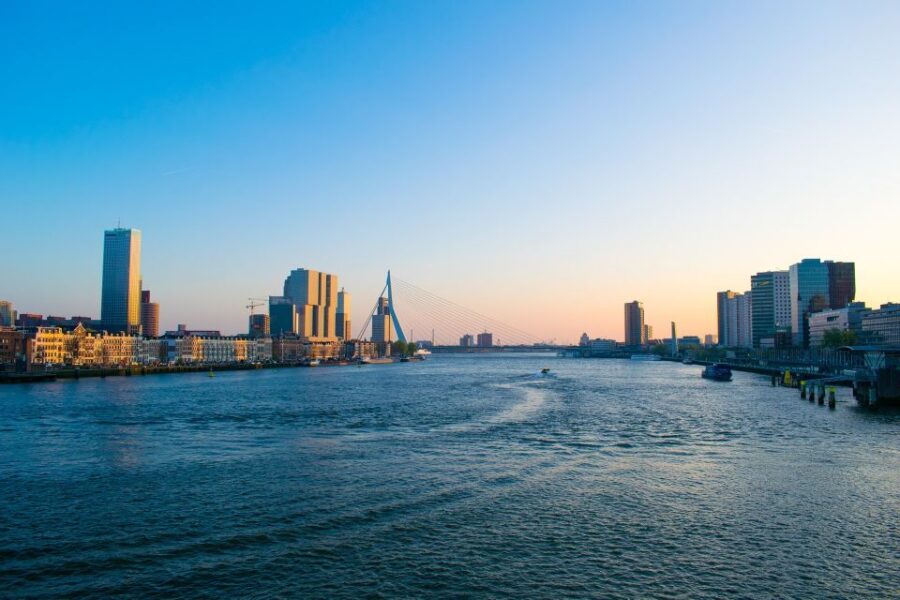
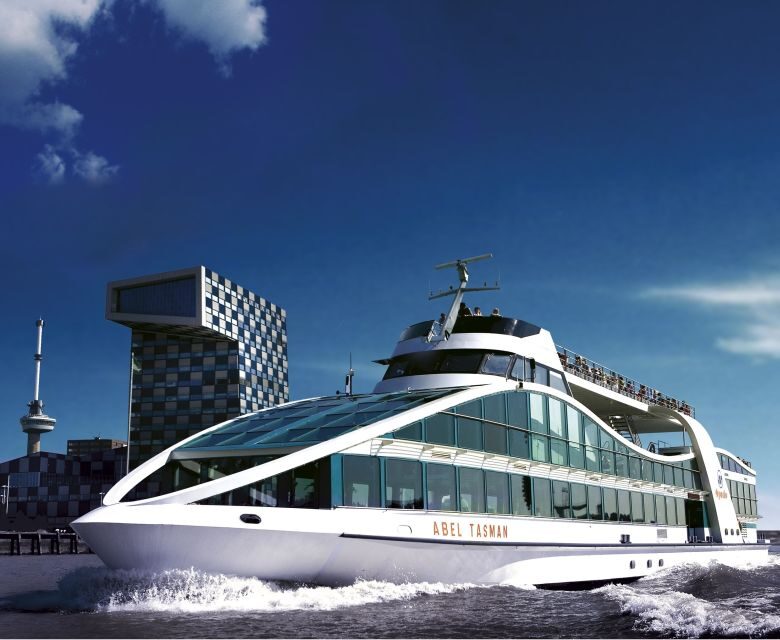
After the walking portion, you slow down on a 75-minute harbor cruise. This is one of the smartest parts of the itinerary because it changes the pace without changing the theme. Rotterdam’s harbor is where the city’s future energy makes sense.
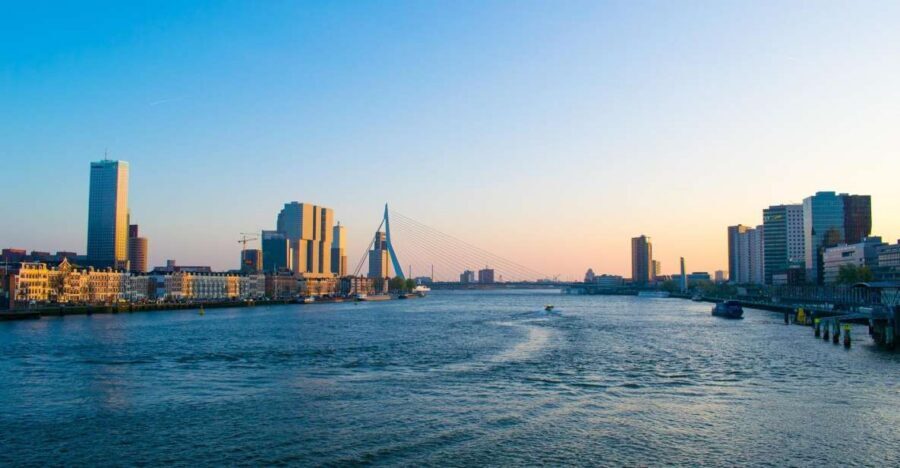
On the cruise, you get a broader view of the port area, and it’s easier to connect what you learned on land—rebuilding ambition, modern planning, and the city’s role as a major Netherlands hub—to what you see from the water.
Even if you don’t love boat rides, this chunk still has value. It’s a gentle way to process everything you just walked through, plus it helps you “reset” after about three hours of city streets.
Price and value: what $188 buys you in Rotterdam time
At $188 per person for about 4 hours total, this isn’t the cheapest way to see Rotterdam. The question is whether it buys you something you can’t get on your own.
Here’s what you’re paying for, in plain terms:
- A private walking guide (3 hours) that explains the WWII-to-modern-architecture story and points out key survivors.
- A 75-minute harbor cruise included in the price, so you’re not piecing together tickets and timing.
- All local taxes included, plus a guide available in multiple languages.
If you’re traveling with a small group or you care about architecture and context, the private format can make the price feel more reasonable. You’re effectively buying time with a guide who helps you avoid the common first-timer problem: walking through major sights but missing the meaning that ties them together.
On the other hand, if you’re the type who enjoys wandering without structure and you don’t care about explanations, you might decide to build a cheaper self-guided day. But if you want a clear route and an end-to-end experience, this one has the ingredients that justify the cost.
Who this Rotterdam walking tour and harbor cruise suits best
This tour fits best if you:
- Want a first-time-friendly Rotterdam overview that’s grounded in WWII rebuilding and modern design.
- Like architecture that has a story behind it, not just a postcard angle.
- Prefer a private guide who can slow down when something feels worth extra time.
- Enjoy a good blend: walking for perspective, then cruising for calm views.
It may be less ideal if:
- You have low walking tolerance. You’ll do about 3 hours on foot, so plan accordingly.
- You’re expecting a food-focused tour. Food and beverages aren’t included, though Market hall is a key stop for market culture.
If you’re visiting Rotterdam as part of a longer Netherlands trip, this is also a strong pick because the focus is distinctive. You get both the modern architecture story and the harbor setting, which are basically Rotterdam in a nutshell.
Should you book this tour?
I’d book it if you want a well-shaped Rotterdam day: WWII context at the start, modern design at the core, and a cruise finish to keep it from feeling like nonstop sightseeing.
But I’d think twice if your priority is maximum free time for independent wandering. This tour works best when you’re happy to follow a route designed to connect the dots, especially around Blom’s cubes, surviving landmarks like Laurens Church, and the Markthal arch.
If you pick it, go in with one mindset: watch how Rotterdam changed. Once you do that, the architecture stops looking like random shapes and starts looking like answers.
FAQ
FAQ
Where is the meeting point for this tour?
You meet at The Destroyed City (Ossip Zadkine statue), 3011 TK Rotterdam, Netherlands.
How long is the Rotterdam walking tour and harbor cruise?
The total experience is 4 hours, with about 3 hours of walking and a 75-minute harbor cruise.
Is the tour private, and do I choose the language?
Yes, it’s a private group tour. You can choose a guide language among English, German, Spanish, and Dutch.
What is included in the price?
The price includes the private tour in your chosen language, an experienced guide, the 75-minute harbor cruise, and all local taxes.
Is food or drinks included?
No. Food and beverages are not included.
What should I wear or bring?
Wear comfortable shoes and clothing, and avoid bringing heavy bags.
What happens during the harbor cruise?
You relax on a scenic 75-minute cruise along the Rotterdam harbor.
Can I cancel for a refund?
Yes. Free cancellation is available up to 24 hours in advance for a full refund.