Amsterdam changes when you hear its real stories. This 2-hour small-group walk through central sites turns familiar streets into a chain of surprising moments, from a milestone LGBTQ wedding to Spinoza’s exile. I especially like how the guide keeps the facts grounded and the storytelling clear, not performative.
Two things I love: the stops are short but meaningful, and you get a steady flow of people-and-ideas instead of a random sightseeing checklist. I also like that you’re paying about $48.16 per person for a guide-led experience built around landmarks you can appreciate without extra ticket chaos.
One possible drawback: this is still a walking route with multiple quick stops. If you need long sits or very slow pacing, bring that up early and plan extra breaks, because the schedule is tight by design.
In This Review
- Key highlights you’ll feel from the start
- A Two-Hour Small-Group Route With Real Amsterdam Voices
- Start at the Monument Area: Getting Oriented Fast
- Dutch National Opera & Ballet: The City’s LGBTQ Milestone in Plain Sight
- The Spinoza Monument: How Outcasts Think Their Way into History
- Mozes en Aaronkerk: A 17th-Century Free Black Community Story
- Portuguese Synagogue: A Hidden Escape Network During the Inquisitions
- Hortus Botanicus: Two Indonesian Rebels With Very Different Lives
- De Burcht: Diamonds, Unions, and Rights That Still Matter
- ARTIS Amsterdam Royal Zoo: Flamingos and the People Who Changed Things
- University of Amsterdam Campus: Suffrage and Diplomacy on Foot
- H’ART Museum Ending: Why the Stories Keep Their Power
- Price and Value: Why This $48.16 Per Person Usually Feels Fair
- Practical Stuff You’ll Care About Before You Go
- Who This Tour Fits Best
- Should You Book This Tour?
- FAQ
- How long is the tour?
- What language is the tour offered in?
- How many people are in the group?
- Where do I meet for the tour?
- Where does the tour end?
- Do I need to buy admission tickets for the stops?
- Will I get a mobile ticket?
- Are service animals allowed?
- What happens if the weather is poor or I need to cancel?
Key highlights you’ll feel from the start
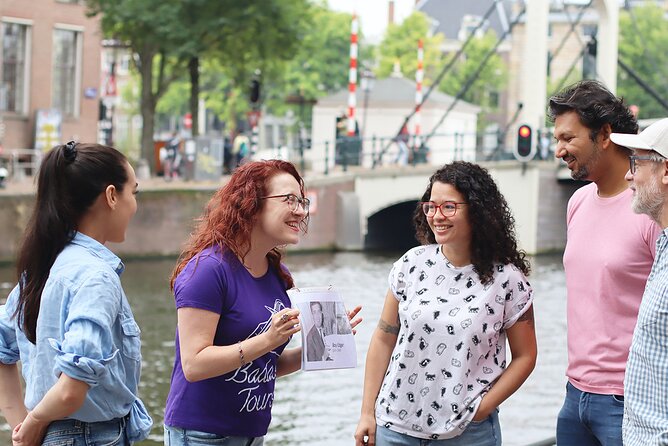
- A tight 2-hour route with max 12 people, so questions actually get answered
- LGBTQ history tied to a real, ordinary building, not just abstract facts
- Jewish quarter stops with stories of networks and survival, not just famous names
- Philosophy, labor rights, and outcasts, including Spinoza and a workers’ union behind De Burcht
- ARTIS adds a memorable flamingo moment while connecting to WWII resistance stories
- Guides (like Elizabeth, Tanja, and Astrid) are praised for storycraft and answering questions
A Two-Hour Small-Group Route With Real Amsterdam Voices
This tour works because it treats Amsterdam like a living argument about who gets counted. You’ll move through the city in a logical line, but the “plot” is about people—LGBTQ couples, philosophical rebels, Sephardic Jewish communities, activists, and labor organizers.
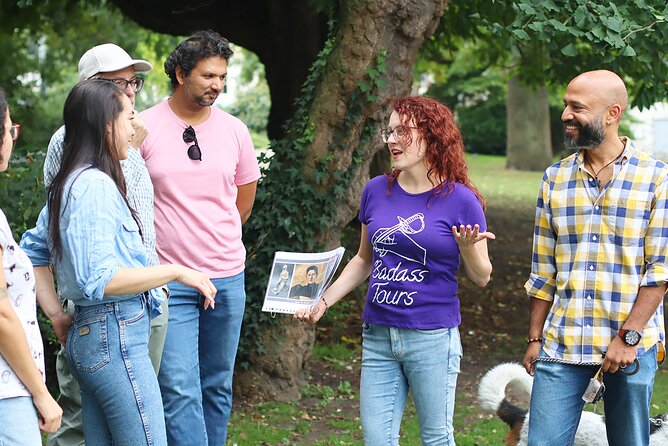
The group size matters. With a maximum of 12, you’re less likely to get lost in the crowd. You also get enough time to ask follow-ups when something hits you, and that’s often when the guide can steer you toward the next stop with a helpful detail.
You can also read our reviews of more tours and experiences in Amsterdam.



Start at the Monument Area: Getting Oriented Fast
The meeting point is at Monument Megadlé Jethomiem, Amstel 23, 1011 PT Amsterdam. You’re already in a part of town where the canals and buildings do most of the visual talking, and the guide uses that setting to set your bearings quickly.
From the beginning, the tour doesn’t act like the city is only about art museums and canal cruises. It frames Amsterdam as a place where big turning points can happen in plain-looking spaces. That’s a theme you’ll keep seeing as the route connects each stop to a broader social story.
Dutch National Opera & Ballet: The City’s LGBTQ Milestone in Plain Sight
Stop one is the Dutch National Opera & Ballet area, and the focus is on the world’s first gay marriage—and the unflashy building where it happened. You’ll get an introduction to why that moment mattered in real social terms, not just as a headline.
I like this opening because it immediately breaks the myth that history only belongs to kings and battles. It also primes you for a tour that’s about legitimacy: who gets rights, who gets recognition, and how institutions respond.
What to watch for: don’t just stare at the big facade and move on. The guide’s point is that the building is part of the story, even if it looks like any other Amsterdam landmark on the outside.
The Spinoza Monument: How Outcasts Think Their Way into History
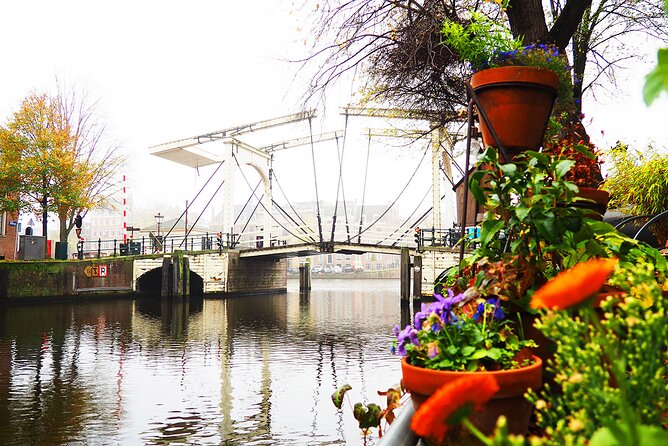
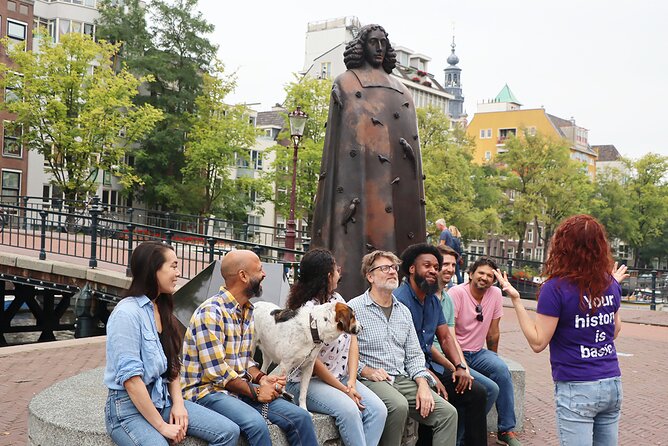
Next up is the Spinoza Monument. Here you’ll hear the backstory of one of the giants of modern philosophy and how he ended up as an outcast in his own community.
This stop is short, about 5 minutes, but the impact is big because it gives you a reason for why Amsterdam became a magnet for debate. It’s not only about thinkers being brilliant. It’s also about what happens when communities decide someone is inconvenient.
Practical note: monuments are great for quick pauses, but the real value here is the context the guide gives you in a compressed time window. If you’re the type who likes questions, this is a good place to ask one, because you’ll be standing still.
Mozes en Aaronkerk: A 17th-Century Free Black Community Story
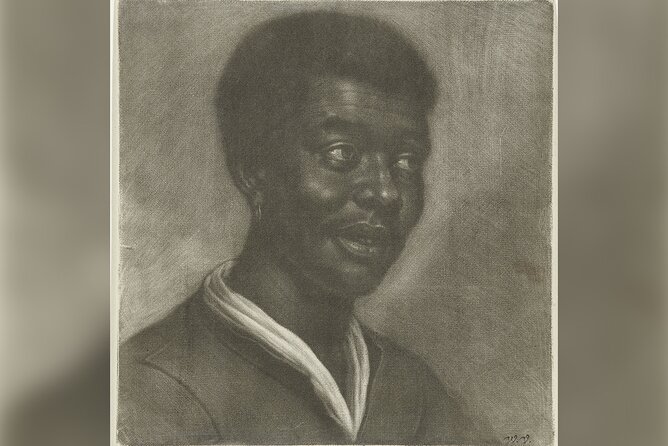
At Mozes en Aaronkerk, the tour shifts to Amsterdam’s free Black community in the 17th century, through the life of a specific couple. This is the kind of story that changes how you read the city, because you stop assuming history is only written by the loudest institutions.
The stop runs about 5 minutes, so you’re not here to collect facts like souvenirs. You’re here to get a human frame for what that community likely faced and what ordinary life could look like under pressure.
A small caution: the emotional weight can land fast. If you’re traveling with someone who wants lighter stops, this might be their “slow down” moment. It’s also a good moment for you to connect these themes to what you already know about Amsterdam’s trading networks and migration patterns.





Portuguese Synagogue: A Hidden Escape Network During the Inquisitions
Next is the Portuguese Synagogue of Amsterdam. The story centers on a heiress who created an underground railroad during the Spanish and Portuguese Inquisitions.
This stop gives you a useful perspective: the Inquisitions weren’t only about Europe in textbooks. They pushed people to improvise survival systems, and Amsterdam became one place where those systems could take shape.
Time is around 10 minutes, and that’s enough for the guide to place the story in a wider network of secrecy, faith, and risk. You’ll likely want to write down keywords, because you’ll see echoes of these ideas in later stops.
Hortus Botanicus: Two Indonesian Rebels With Very Different Lives
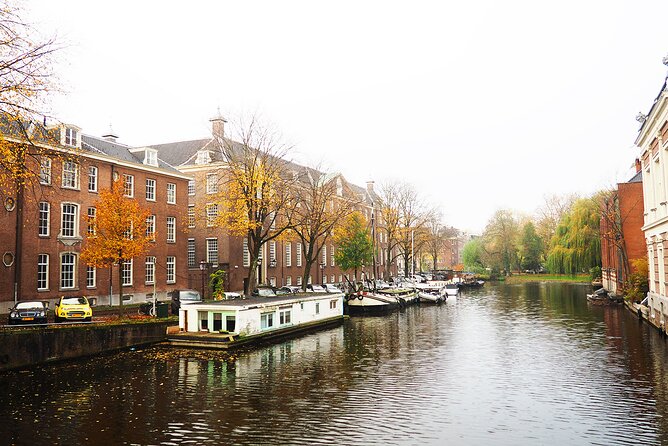
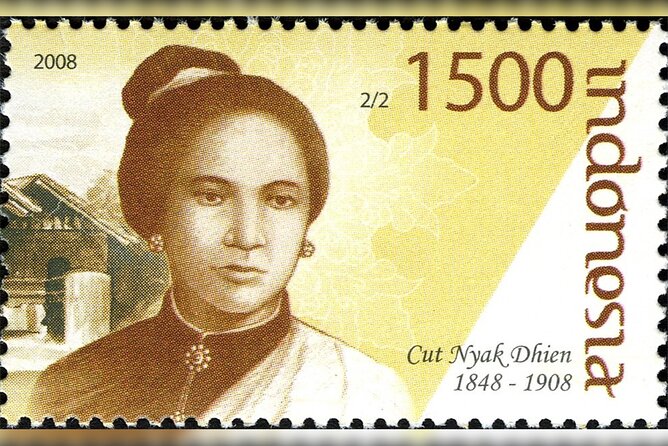
At Hortus Botanicus, you’ll hear the harrowing stories of two Indonesian rebels and revolutionaries, who led very different lives. This is one of the most “Amsterdam-shaped-but-global” moments on the walk.
Even in a short window (around 10 minutes), the guide makes the point that Amsterdam’s story isn’t only Dutch. The city sat at crossroads tied to trade, empire, and movement of people, ideas, and conflict.
What I like here is that the tour refuses to keep the focus safely local. You leave with a sharper sense that history is connected, even when it feels like it happened far away.
De Burcht: Diamonds, Unions, and Rights That Still Matter
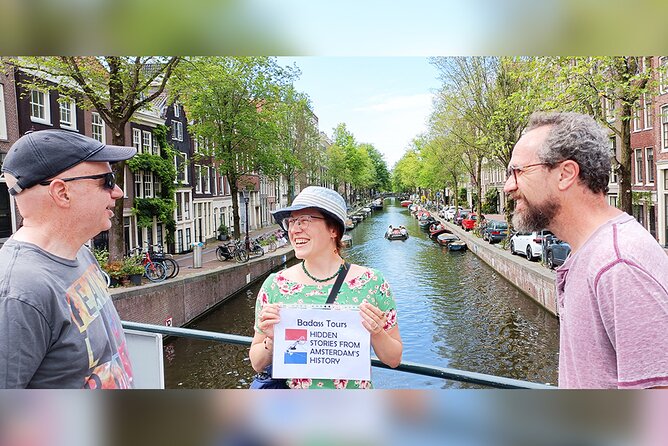
Stop six is De Burcht, where the tour connects Amsterdam’s diamond history to a workers’ union that helped build the iconic building—and to rights citizens rely on today.
This is a strong pivot point because it grounds “rights” in something physical: labor organization, shared work, and collective action. Instead of treating rights like abstract morals, you see them as outcomes of people demanding better treatment.
Expect about 10 minutes here. The guide’s angle is what makes it click: labor movements built institutions, and those institutions shaped daily life long after the original fight.
ARTIS Amsterdam Royal Zoo: Flamingos and the People Who Changed Things
Then comes ARTIS Amsterdam Royal Zoo. The tour includes a 30-minute segment and specifically calls out passing Amsterdam’s flamingos. It’s a memorable visual moment, and it’s also a bridge to stories of influential Amsterdammers—from groundbreaking artists to WWII resistance heroes.
This stop works well for two reasons. First, animals help you reset your brain after heavier topics. Second, the guide uses the zoo setting to show how “influence” isn’t just fame. It can be courage, creativity, and quiet resistance.
My practical advice: enjoy the flamingos, but keep listening. The guide will connect the zoo’s themes to people who acted under pressure. That’s the “point” of the extra time.
University of Amsterdam Campus: Suffrage and Diplomacy on Foot
At about 15 minutes, you cross through the University of Amsterdam’s main campus. The theme here is an influential suffragist and a world-changing diplomat.
This is where the tour stops being only about the past and starts teaching you how change actually spreads. Suffrage ties rights to everyday power, while diplomacy shows how decisions get made when words become weapons—or tools.
The campus walk also gives you a breather. It’s still a guided storyline, but it’s a calmer segment where you can look around and let the guide’s themes land without rushing into another emotional stop.
H’ART Museum Ending: Why the Stories Keep Their Power
The walk ends in front of H’ART Museum (Hermitage Amsterdam), Amstel 51, 1018 EJ Amsterdam. This is where you get the final story about the fall and rise of a household name—shaped by a relative who barely knew them.
I like closings like this because they don’t just wrap up facts. They make you think about how reputations are built after the fact, often by people connected by circumstance rather than closeness.
You’ll probably walk away wanting to look up the household name later, not because the guide told you to, but because the ending gives you enough context to read more on your own terms.
Price and Value: Why This $48.16 Per Person Usually Feels Fair
At $48.16 per person for about 2 hours, you’re paying for three things: a live guide, a curated route, and time spent on context (not just pointing). And the itinerary is set up so that you’re not stuck budgeting for separate admission stops; each site in the route is listed with admission free.
That combination is where the value usually lands. You’re not paying extra for each building, and you’re not paying for a “just take photos” stroll either. You’re paying for the guide’s ability to connect dots across LGBTQ history, philosophy, marginalized communities, labor rights, and WWII resistance.
Booking pattern matters too. The tour is commonly booked around 16 days in advance on average, which usually means it fills up faster than you’d expect for a short, two-hour window. If your dates are fixed, I’d lock it in earlier rather than gambling.
Practical Stuff You’ll Care About Before You Go
The tour is offered in English, and you’ll have a mobile ticket. It’s also designed for most travelers, with service animals allowed.
The route is near public transportation, so you can plug it into a day without too much planning. Still, wear decent shoes. Even when each stop is just 5 to 10 minutes, you’re stacking many short segments in a small area.
Weather is part of the deal. This experience requires good weather; if it’s canceled for poor weather, you’ll get a different date or a full refund. So check conditions the morning of, and plan a simple indoor alternative nearby if rain threatens.
Who This Tour Fits Best
This tour is a strong match if you want Amsterdam told through people who didn’t always get mainstream credit. You’ll cover a spectrum: LGBTQ milestone, Spinoza as an outcast, stories from a free Black community, an escape network tied to the Inquisitions, and revolutionaries from Indonesia.
It’s also good for solo travelers. One reason this company stands out in the real world is responsiveness. If you’re trying to book quickly and want a guide who can handle questions with patience, this style of tour tends to work.
And if you’re a history buff who gets annoyed by dates with no people attached, you’ll like the way the guide anchors each stop in an actual human story.
Should You Book This Tour?
Yes, if you want a guided walk that makes Amsterdam feel personal and honest, not like a theme-park version of the city. The structure is tight, the pacing keeps moving, and the stories are the kind you’ll reference later while exploring on your own.
Skip it only if you strongly prefer large museum interiors over outdoor, stop-and-listen segments. This is built for walking and listening, not for spending long stretches inside buildings.
If you can handle a short route with a few heavier topics, you’ll probably leave with a different mental map of Amsterdam—one where rights, resistance, and ideas travel hand in hand.
FAQ
How long is the tour?
It’s about 2 hours.
What language is the tour offered in?
The tour is offered in English.
How many people are in the group?
The maximum group size is 12.
Where do I meet for the tour?
The start point is Monument Megadlé Jethomiem, Amstel 23, 1011 PT Amsterdam, Netherlands.
Where does the tour end?
The tour ends in front of H’ART Museum (Hermitage Amsterdam), Amstel 51, 1018 EJ Amsterdam, Netherlands.
Do I need to buy admission tickets for the stops?
The tour information lists admission ticket free for the stops included.
Will I get a mobile ticket?
Yes, the tour includes a mobile ticket.
Are service animals allowed?
Yes, service animals are allowed.
What happens if the weather is poor or I need to cancel?
The tour requires good weather. If it’s canceled due to poor weather, you’ll be offered a different date or a full refund. You can also cancel up to 24 hours in advance for a full refund.