REVIEW · AMSTERDAM
Small Group LGBTQ+ History Tour in Amsterdam
Book on Viator →Operated by Badass Tours · Bookable on Viator
Amsterdam has layers, and this tour reads them out loud. It’s a small-group route built around real places, so LGBTQ+ stories don’t stay trapped in books. I love that you get a fast orientation first, then you slow down for names, dates, and the human drama behind them.
What I like most is the mix of big “firsts” with everyday courage. You’ll hear about the world’s first legal gay marriage and also the quieter moments where ordinary people tried to protect friends under pressure. One thing to consider: this is a walking tour in open-air neighborhoods, so plan for wind and rain, and wear shoes that can handle cobbles.
In This Review
- Key Highlights You’ll Actually Feel
- A Tiny Group, Two Hours, and a Very Human Focus
- Where You Start: Utrechtsestraat to Torensluis by Multatuli
- Stop 1: Rembrandtplein and the Nightlife That Changed Rules
- Stop 2: Munttoren (Munt Tower) and State Violence vs. Trying to Help
- Stop 3: Koningsplein and the Name the Catholic Church Tried to Keep Quiet
- Stop 4: Keizersgracht Canal Stories, Including the Pope of the Gays
- Stop 5: Gay Monument and the Mix of Celebration and Mourning
- Stop 6: Herengracht and Queer Resistance in an Inconspicuous Canal House
- Stop 7: Torensluis and a Trans Soldier in the 18th-Century Militia
- Price and Value: Why $47.34 Can Be a Fair Deal
- Who Should Book This Tour (and Who Might Skip)
- Should You Book?
- FAQ
- FAQ
- How long is the Amsterdam LGBTQ+ history tour?
- What is the group size limit?
- What language is the tour offered in?
- Is there admission cost at the stops?
- Where do I start and where does the tour end?
- Do I get a mobile ticket?
- What kind of guide is included?
- Is the tour dependent on weather?
- What is the cancellation window?
Key Highlights You’ll Actually Feel
- No more than 8 people means the guide can keep the group personal and chatty.
- Two hours is long enough to connect the timeline, but short enough to fit into a busy Amsterdam day.
- Seven stops across the city focus on nightlife, canals, monuments, and resistance—not just one famous site.
- Free admission at each stop keeps your budget steady while you still get meaningful context.
- English narration with a storyteller guide who loves the subject (Guus and Elyzabeth are names you may hear).
- Ends by Torensluis by the Multatuli sculpture, a nice bridge-to-evening finish.
A Tiny Group, Two Hours, and a Very Human Focus
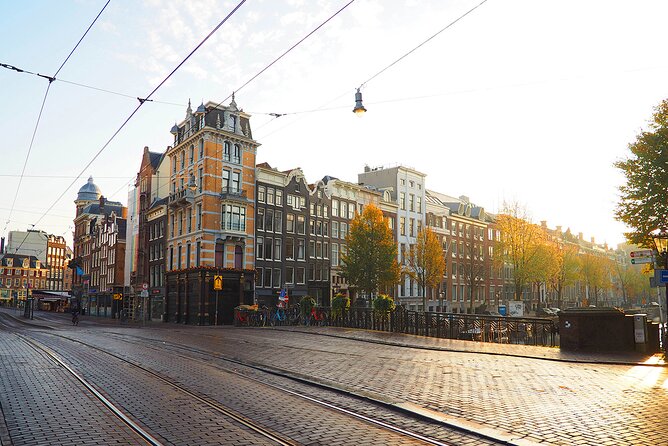
This tour works because it doesn’t treat LGBTQ+ history like a museum exhibit. You move from place to place, and the guide ties each location to people’s real decisions—love, fear, secrecy, protest, and survival. That’s the difference between hearing facts and getting a sense of how it felt to live through them.
The group size matters more than you’d think. With up to eight people, you’re not just standing in a line. You can ask questions, and the guide can tailor pacing when the group has energy (or when the weather is doing its best to annoy everyone). One of the best signals you’re on the right tour: the time often feels like it goes quickly, and it’s easier to stay present when the group is small.
Also, it’s set up for history lovers of all types. You’ll get the milestones, but you’ll also get the side stories that explain why laws and public attitudes moved the way they did. In other words: you learn the why, not just the what.
You can also read our reviews of more tours and experiences in Amsterdam.

Where You Start: Utrechtsestraat to Torensluis by Multatuli
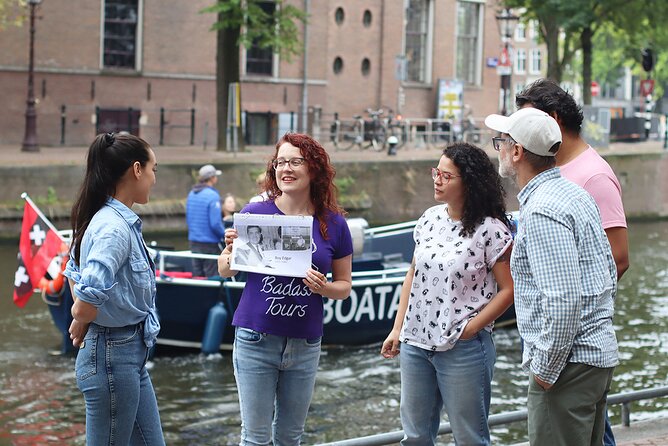
You’ll begin at Utrechtsestraat 4 (1017 VN), then finish on Torensluis bridge (1012 VK) near the Multatuli sculpture. That end point is handy. Bridges in Amsterdam are natural “meeting points” for the rest of your evening plans, and Torensluis puts you within easy reach of canal-area wandering.
It’s also designed for straightforward logistics. The tour is near public transportation, and the start address is easy to plug into a map. You’ll get a mobile ticket, which helps if you’re juggling phones, chargers, and the general chaos of travel days.
Timing is about two hours, and the stops are short on purpose. Each location gets a focused slice of the story, not a long lecture. If you’re the type who likes to move and absorb, this fits. If you prefer slow, in-depth museum time, you might want to pair this with a longer indoor visit later.
Stop 1: Rembrandtplein and the Nightlife That Changed Rules
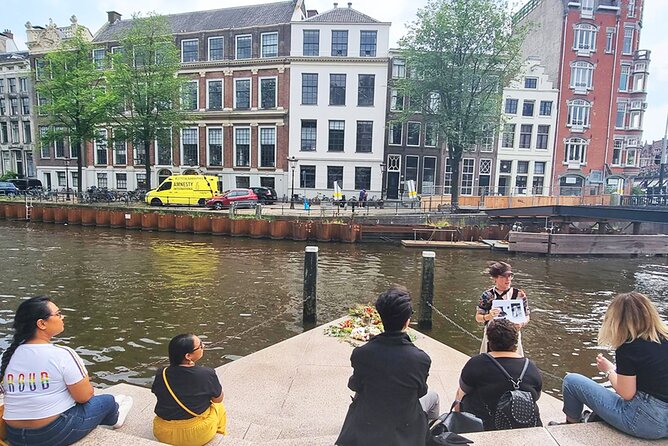
Rembrandtplein is one of those squares where most visitors just pass through or snap a photo. This stop flips the script. You start with a flying overview of Amsterdam, then the guide brings in LGBTQ+ stories tied to the city’s nightlife center.
Here’s what makes it compelling: the stories aren’t only about community life. They connect private relationships to public outcomes. You’ll hear about a married king who had affairs with men, and you’ll also get the big legal landmark—the world’s first legal gay marriage—as part of Amsterdam’s history of law meeting lived reality.
One practical note: Rembrandtplein can be busy and noisy. That doesn’t ruin the tour, but it does mean you’ll benefit from listening carefully in the moment rather than expecting perfect quiet for every detail. If you’re easily distracted by crowds, consider bringing a small hearing focus and mentally switching on when you arrive.
Stop 2: Munttoren (Munt Tower) and State Violence vs. Trying to Help
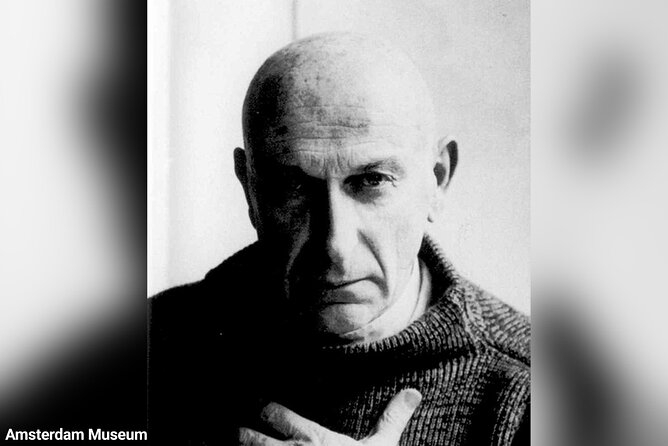
Next comes the Munt Tower (Munttoren) area, where the story turns from public milestones to the risks people took in ordinary life. The highlight here is a shopkeeper who tried to protect friends in the face of state violence.
This is one of those stops that changes how you read a city. You look at a landmark and think it’s just architecture. Then the guide makes it feel like a stage where power and vulnerability met. The details of the shopkeeper’s situation matter because they show how solidarity often worked before it had safe labels and formal protections.
The stop is shorter on the clock, so expect a tight narrative: setup, danger, and the moral pressure point. Even if you’re not a “history person,” this angle tends to land because it’s about what one person chose to do when it was dangerous.
Stop 3: Koningsplein and the Name the Catholic Church Tried to Keep Quiet
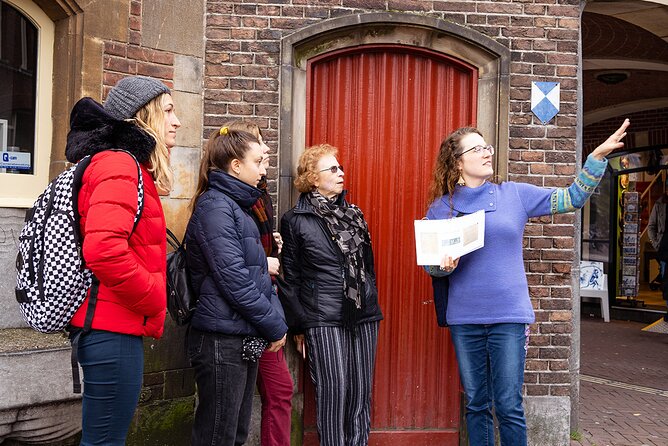
At Koningsplein, the tour connects a familiar name to LGBTQIA history in a way the Catholic church tried to keep hidden. That’s a blunt idea, and the guide doesn’t soften it: institutions shaped what people were allowed to say out loud.
This stop is valuable because it explains how “history” gets filtered. When you hear about censorship or suppression, it’s easy to think it only affects texts and records. Here, the suppression also shapes how later generations understand who mattered.
You’ll likely leave this stop with a different habit: noticing the gaps in what you’re taught, and asking what got pushed aside. The timing is about 15 minutes, so you won’t walk away with a full lecture—but you will walk away with a clearer lens for the rest of the route.


Stop 4: Keizersgracht Canal Stories, Including the Pope of the Gays
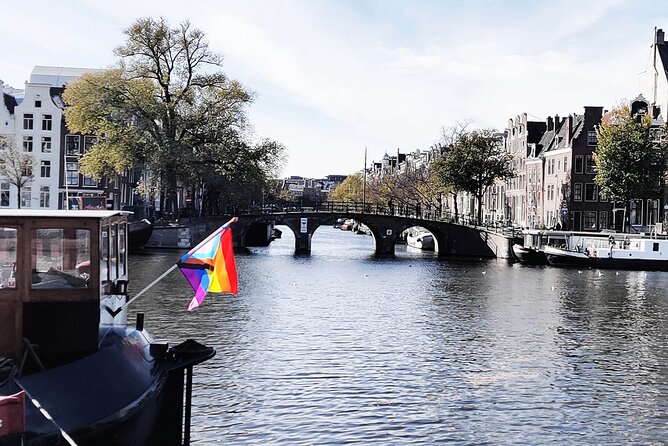
Now you get your canal moment, but not in the postcard way. At Emperor’s Canal (Keizersgracht), the stories turn wild in the best sense—strange, specific, and rooted in real social friction.
You’ll hear about the Pope of the Gays, a figure tied to community identity and performance in an era when society wanted to regulate everything. Then there’s a 17th-century literary lesbian love triangle, which adds a sharp reminder that queer relationships have always been part of culture, even when people tried to frame them as scandal.
One detail I really like from this stop is the mention of a pompous doctor who may have accidentally given lesbians legal cover. That’s a fascinating kind of historical irony: laws can shift when someone writes or interprets rules in a way no one intended to become protective.
Because this stop lives along a canal edge, it’s also a good place to slow down your pace. The guide’s stories work best when you take in the setting—boats, water, the calm distance between “public” and “private.” If you rush through, you lose some of the impact.
Stop 5: Gay Monument and the Mix of Celebration and Mourning
At the Gay Monument, the tour lands on a piece that’s both public and emotional. Since its unveiling, it has been a place of both celebration and mourning for Amsterdam’s LGBTQIA community.
This stop works because it gives you a clear emotional context. The guide uses it to celebrate a lesbian hero, which is a strong way to avoid turning the monument into a generic “symbol.” You’re meant to connect the stones to actual people—who they were, what they faced, and what they helped build.
There can be other visitors around monuments, depending on the time of day. That’s not a drawback exactly, but it does mean you should plan to stand close and listen while the guide speaks. Give the moment a little attention before you move on to the next canal segment.
Stop 6: Herengracht and Queer Resistance in an Inconspicuous Canal House
Herengracht sounds serene, and the canal views are. But the story here is about the queer Resistance—people who worked out of an inconspicuous canal house.
This is one of the stops that really stretches your understanding of what queer history includes. It’s not only romance, nightlife, and legal milestones. It also includes coded survival, risks taken under authoritarian pressure, and organizing that had to stay hidden to work.
The 15-minute length means you’ll get the key ideas rather than every historical name. Still, the takeaway is strong: resistance didn’t happen only in dramatic streets. Sometimes it happened in quiet rooms, behind normal doors, with people doing extraordinary things without fanfare.
Stop 7: Torensluis and a Trans Soldier in the 18th-Century Militia
The tour finishes at Torensluis, ending on the bridge near the Multatuli sculpture. This last stop brings in a trans soldier who served in 18th-century Amsterdam’s militia, with a surprising message tied to that service.
I like the structure of ending here. Earlier stops trace milestones and community visibility. The final stop reminds you that trans history isn’t just modern—it’s connected to everyday institutions, including military structures, long before many people realize they existed.
Because you’re ending on a bridge, it’s also a natural transition point for your evening. If you still have energy after two hours, you can keep walking along the canals or jump to nearby bars and museums. If you’re tired from winter wind (or summer heat), this ending still feels complete because you’ve reached a thoughtful conclusion rather than just “time up.”
Price and Value: Why $47.34 Can Be a Fair Deal
At $47.34 per person, this tour isn’t a throwaway add-on. The value comes from three places:
1) You’re paying for a guide who’s a storyteller and history fanatic, not just someone reciting names.
2) You’re getting a tight route across multiple sites, so your time investment is efficient.
3) Each stop lists free admission, which keeps your spending predictable.
Compared to paying for a bunch of separate attractions, the price makes more sense because the learning is embedded in the walking route. Amsterdam can be expensive when you stack museums, canal cruises, and paid tours. This one is designed so the educational part doesn’t require extra ticket fees at every step.
Is it a “must-do” for everyone? Not necessarily. If you don’t care much about LGBTQIA history or you strongly dislike walking, you might feel the cost for a route you won’t enjoy. But if you like stories tied to real streets, it’s a solid buy.
Who Should Book This Tour (and Who Might Skip)
You’ll probably love this if you:
- Want Amsterdam with meaning, not just pretty views
- Like small group tours with real back-and-forth
- Care about LGBTQIA history across several centuries
- Appreciate stories that include legal change, community life, and resistance
You might skip or swap to a different style if you:
- Want mostly indoor time with guaranteed shelter
- Prefer very long stays at each stop (this is short-and-focused)
- Don’t enjoy walking between canal-side locations
If you’re unsure, a good strategy is to pair this with one or two lighter activities later that day. This tour sets your context, and then you can enjoy the rest of the city with sharper eyes.
Should You Book?
Yes, I think you should book it if you want Amsterdam that feels personal and specific. The small group size, the tight two-hour pacing, and the mix of nightlife, monuments, and resistance stories make it more than a themed walk.
Before you go, pick the right day for weather. Since it relies on good conditions, you’ll enjoy it more if you’re not fighting rain and wind the whole way. Wear comfortable shoes, and give the guide your attention at each stop—this tour rewards that.
FAQ
FAQ
How long is the Amsterdam LGBTQ+ history tour?
The tour lasts about 2 hours.
What is the group size limit?
The tour has a maximum of 8 travelers.
What language is the tour offered in?
It is offered in English.
Is there admission cost at the stops?
The stops are listed as having free admission.
Where do I start and where does the tour end?
You start at Utrechtsestraat 4, 1017 VN Amsterdam, and the tour ends at Torensluis bridge, by the Multatuli sculpture (1012 VK Amsterdam).
Do I get a mobile ticket?
Yes, the tour includes a mobile ticket.
What kind of guide is included?
A local guide is included, described as a storyteller and history fanatic.
Is the tour dependent on weather?
Yes. It requires good weather. If it’s canceled due to poor weather, you’ll be offered a different date or a full refund.
What is the cancellation window?
You can cancel for a full refund up to 24 hours in advance of the experience’s start time.