REVIEW · AMSTERDAM
“The 10 Most Polluted Masterpieces: A Sustainable Digital Tour”
Book on Viator →Bookable on Viator
Art pollution hits even masterpieces. This Amsterdam digital tour walks you through ten polluted masterpieces with an avatar guide, using a sustainability and conservation focus in a short, schedule-based online session.
I love the plain practicality here: the 10–30 minute format fits into real schedules, and the mobile ticket keeps things simple. I also like how the experience turns art appreciation into conservation thinking, so the message lands beyond the screen. One thing to consider: the session runs only in a tight weekday window in October, so you’ll want to book a slot that actually works for your travel plans.
In This Review
- Key things to know before you go
- What You’re Actually Doing in This Amsterdam Digital Art Tour
- Price and Time: Is $12.51 Good Value?
- Getting In: Paleisstraat 107 and the Online Meeting
- The Avatar Guide: What Makes It Work
- The Ten Polluted Masterpieces: How the Tour Unfolds
- What’s great about the “ten” format
- The one limitation of a digital sequence
- Sustainability and Conservation: Why This Theme Feels Practical
- Who This Tour Suits Best (And Who Might Skip It)
- Practical Tips to Make Your Session Feel Smooth
- Pair It With Real Amsterdam Art Without Rushing
- Should You Book the 10 Most Polluted Masterpieces Tour?
- FAQ
- What language is the tour offered in?
- How long is the experience?
- What is the price?
- Is this a private tour?
- When is it available?
- What is the cancellation policy?
Key things to know before you go
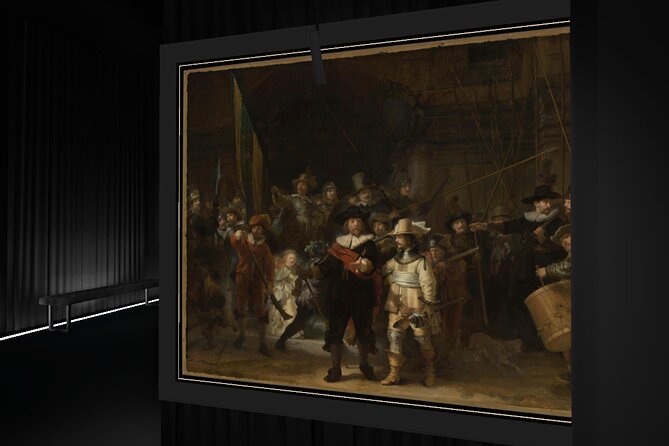
- Avatar-guided, interactive format that keeps you moving through the artworks
- Ten “polluted masterpieces” connected to conservation and sustainability
- English mobile ticket for a low-friction start
- Private setup with only your group participating
- Weekday time slots in October 2026 (not a 9-to-5 museum style schedule)
What You’re Actually Doing in This Amsterdam Digital Art Tour
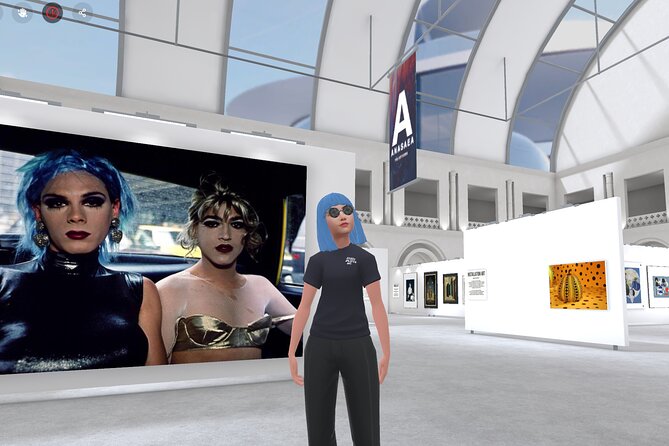
This isn’t a museum ticket and it isn’t a long lecture. It’s a short, guided digital experience where you follow an avatar guide through the theme of pollution and what conservation can do about it.
The hook is the title: The 10 Most Polluted Masterpieces. Instead of treating paintings like untouchable objects, the tour frames them as physical works affected by the world around them. That matters because it shifts the focus from just seeing to understanding. You’re learning how conservation fits into sustainability, which is the part I find most useful.
Another smart piece is the format itself. You’re not wandering a building. You’re doing a timed, interactive session online, so you can plan it like an appointment. For many people, that’s the difference between a good idea and a plan you can actually fit into your day.
You can also read our reviews of more tours and experiences in Amsterdam.



Price and Time: Is $12.51 Good Value?
At $12.51 per person, the main value isn’t luxury. It’s access: a guided look at ten artworks tied to conservation and sustainability, delivered in a tight 10 to 30 minutes.
If you’ve got limited time in Amsterdam, that short duration is a real plus. You’re not committing an entire evening to something you might not connect with. You get a focused experience that’s easy to combine with other plans, like dinner or a canal walk.
The trade-off is also clear. You shouldn’t expect a museum-level deep dive. It’s short on purpose, and that means you’ll leave with understanding and prompts to think, not a fully exhaustive education on every conservation method.
Getting In: Paleisstraat 107 and the Online Meeting
The session is scheduled with an online meeting point. In other words, you show up at your booked time and connect for the experience.
Still, Paleisstraat 107 (1012 ZL) is listed as the start reference point, which usually means the operator’s location is anchored there even if the experience itself happens online. That’s helpful if you want to make the rest of your evening practical, because the area is well connected for public transport.
One practical detail: the listed opening hours are narrow. For October 2026, Monday through Friday, 5:00 PM to 5:30 PM, that’s your window. Book early enough that you don’t end up stuck choosing between this and everything else you planned for that day.
The Avatar Guide: What Makes It Work
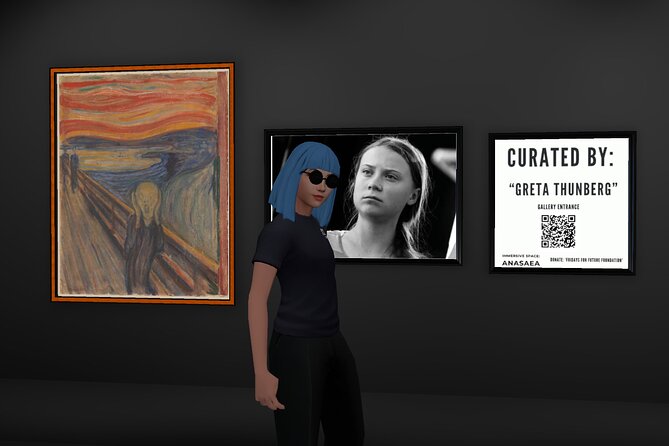
A big detail in the tour description is that your guide is logged in as an avatar. That changes the vibe. You’re guided like you’re walking through a structured path, but without the physical presence of a museum docent.
For me, the avatar format makes the experience feel orderly. You’re not left wondering what to do next. You’re also more likely to stay attentive because the tour is interactive and time-bound.
This kind of guidance is also where the sustainability theme benefits you. Instead of reading conservation concepts in a vacuum, you get them delivered as part of the tour’s flow. One of the best pieces of feedback from prior participants emphasizes how clearly the explanation landed, especially when the guide brought real thought into the process. That lines up with what you want from a short art session: clarity over complexity.
The Ten Polluted Masterpieces: How the Tour Unfolds
You’ll work through ten artworks inside one guided digital experience. Since the tour is built as an interactive walk-through, you can expect the session to be structured like chapters: artwork to artwork, with the sustainability and conservation angle threaded through each one.
Here’s what the format is likely doing (and what you should pay attention to while you’re in it):
- Why the artwork is labeled “polluted” within the tour’s framing. The title signals the theme: damage from the environment and the consequences for art over time.
- How conservation decisions are discussed through a sustainability lens. The point isn’t just that art needs cleaning or protection. It’s that conservation can be approached in ways that are mindful and responsible.
- How the tour guides your attention. Interactive guidance tends to nudge you toward specific ideas, like what you should notice and why a detail matters.
Even without a physical room, this is a strong way to learn. You’re not just looking at images; you’re learning the story behind the condition and the response. And because the session is short, the tour is probably designed to land key points quickly rather than asking you to absorb everything at once.




What’s great about the “ten” format
The “ten” structure is practical. Ten is enough to feel like a real survey, and short enough that the whole session can fit into that 10–30 minute window. It also helps you compare ideas. By the time you hit the later artworks, earlier concepts can start to make more sense.
The one limitation of a digital sequence
The drawback of any screen-based art experience is context. You don’t see scale the way you would in person, and you don’t get the mood shift of a physical gallery. If you want that kind of atmosphere, treat this as the educational chapter before or after a real art visit, not as a substitute for one.
Sustainability and Conservation: Why This Theme Feels Practical
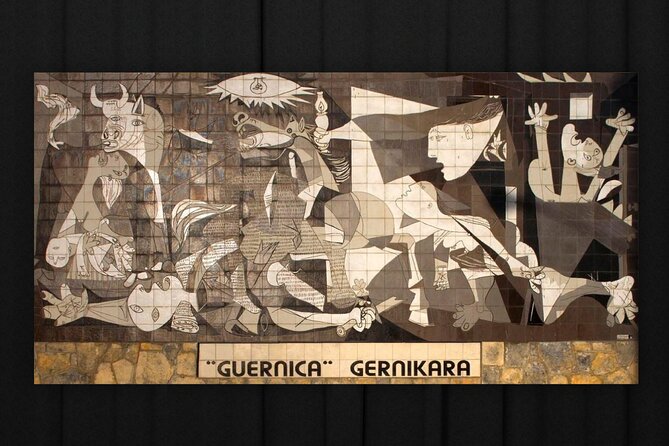
Sustainability can sound like a buzzword. Here, it’s tied to conservation, which makes it more grounded. Art conservation is literally about caring for something fragile, and that naturally leads to questions like: How do you protect without harm? How do you extend life rather than repeat damage?
The tour’s theme gives you a way to think about pollution beyond everyday headlines. You start linking the cause (pollution) to the effect (paint and surface deterioration) and then to the response (conservation choices that are mindful and responsible).
That’s why I think the experience works for a wide mix of people. If you love art, you get art-focused content. If you care about sustainability, you get a real-world application of the ideas. And because it’s time-limited, you’re not stuck in a lecture marathon.
Who This Tour Suits Best (And Who Might Skip It)
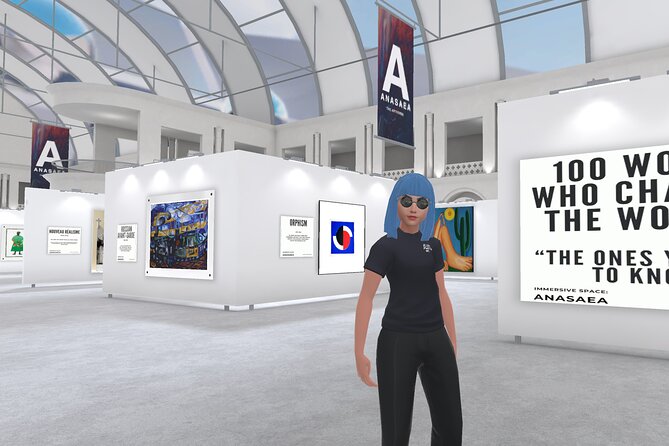
This experience is best for people who want structured learning without losing half a day. If you like guided content, this fits because it’s private and interactive, with your avatar guide leading you.
It also fits well if you’re comfortable being online in a scheduled window. The experience isn’t positioned as a flexible “anytime” museum visit; it’s a set-time session. If your plans in Amsterdam usually change, you’ll want to lock the slot in early.
You might want to skip it if:
- You’re specifically looking for a live in-person art docent in a physical gallery space.
- You don’t like screen-based experiences, even when they’re well guided.
- You need evenings that are free from strict timing because the slot is tight (weekday evenings in October 2026).
Practical Tips to Make Your Session Feel Smooth
You’ll get the best experience if you treat this like a real appointment, not a casual website browse.
- Pick a slot you can protect. The tour runs Monday–Friday 5:00–5:30 PM in October 2026. Plan around it.
- Use headphones if you can. For English guided sessions, audio clarity matters.
- Have your mobile ticket ready. The experience uses a mobile ticket, so don’t wait until the last second.
- Assume it’s one focused session. Because the duration is short, show up mentally ready to pay attention.
And one more tip: if you’re thinking about sustainability as a theme, come in with curiosity rather than pressure. You don’t need to be an art expert. You just need to notice how the tour explains conservation ideas and why they connect to sustainability.
Pair It With Real Amsterdam Art Without Rushing
Because this is short and timed in the early evening, it pairs nicely with the rest of a typical Amsterdam day.
A good rhythm is:
- do something outdoors or neighborhood-based earlier,
- then use this tour as your art-and-thinking fix before dinner.
If you’re in the area near the tour’s reference location (Paleisstraat is very central), you can also keep logistics easy. You’re less likely to waste time with transit just to fit in one more activity.
Just remember: this tour is educational. If you want to feel the physical presence of art, make sure you’re also planning a real in-person museum moment during your trip.
Should You Book the 10 Most Polluted Masterpieces Tour?
Book it if you want a short, guided art experience that connects directly to sustainability and conservation. At $12.51 for a 10–30 minute private session in English, it’s good value for people who like structure and clarity, not endless browsing.
Think twice if your schedule can’t handle a fixed weekday evening window in October 2026, or if you strongly prefer in-person museum atmosphere over screen-based guidance. In those cases, you may enjoy a traditional museum tour more.
My honest take: this is a smart add-on for art lovers who care about the real-world conditions that affect paintings. If that’s your angle, it’s an easy yes.
FAQ
What language is the tour offered in?
It’s offered in English.
How long is the experience?
The duration is approximately 10 to 30 minutes.
What is the price?
The price is $12.51 per person.
Is this a private tour?
Yes. It’s a private tour/activity, and only your group participates.
When is it available?
It runs during October 2026, Monday through Friday, 5:00 PM to 5:30 PM.
What is the cancellation policy?
You can cancel for a full refund if you cancel at least 24 hours before the experience’s start time. If you cancel less than 24 hours before, the amount you paid won’t be refunded.