REVIEW · UTRECHT
Utrecht: DOMunder Entry Ticket with Guide
Book on GetYourGuide →Operated by Stichting Utrecht & Partners · Bookable on GetYourGuide
Utrecht’s history is literally under your feet. DOMunder takes you beneath Domplein to see ruins tied to Utrecht’s Roman beginnings, the Middle Ages, and the dramatic 1674 storm that helped reshape the area. It’s part guided storytelling and part hands-on exploration, with an audio setup that helps you follow what you’re looking at as you walk.
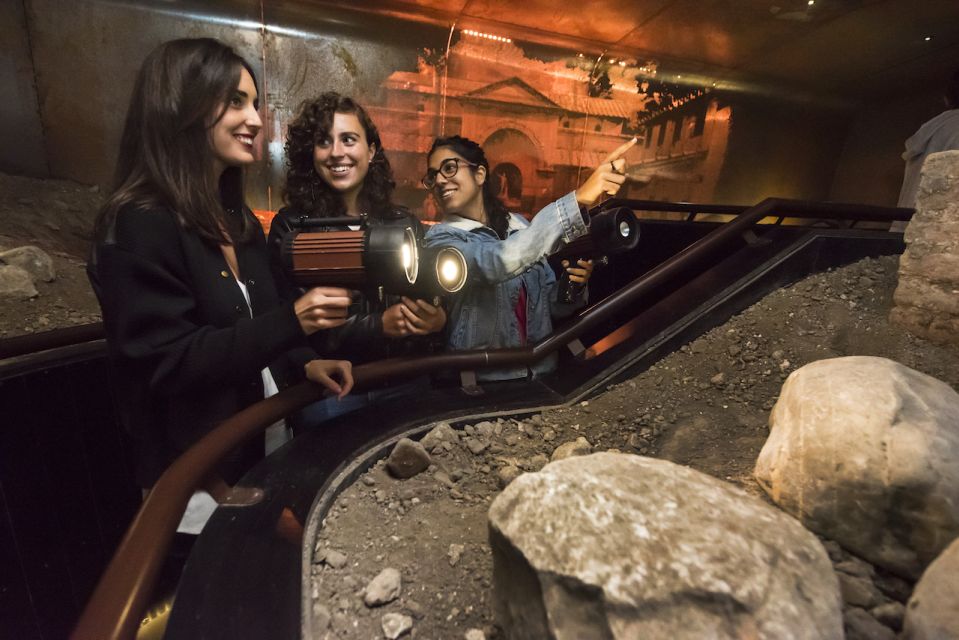
I particularly love the way the tour sticks to a clear timeline, starting with the oldest remains you can’t otherwise see and moving forward through changing building styles. Guides like Christine and Stefan make the place feel personal, with story-first explanations that connect the stones to real events. I also love the interactive flashlight-and-audio experience: you’re not just staring at artifacts, you’re pointing at surfaces and letting the sound guide your attention.
One thing to plan for: it’s not suitable for wheelchair users. Also, because it runs about 75 minutes, you might want more time if you tend to linger with every wall, print, and projection.
In This Review
- Key things to know before you go
- Meeting at Domplein 9 and getting oriented fast
- Why DOMunder feels different from a typical museum
- The guided timeline: from Roman Utrecht to the Middle Ages
- Under Dom Square: the archaeology you can actually notice
- Using the smart flashlight and audio tech (and how it feels in real life)
- The 1674 storm story and the creation of Dom Square
- What you’ll probably like most (and what could annoy you)
- Who should book this DOMunder guided ticket
- Price and value: is $17 worth it?
- Should you book DOMunder with a guide?
- FAQ
- Where do I meet for DOMunder?
- How long is the tour?
- What languages are available?
- Is there a guide included, or is it self-guided?
- Does the tour include a flashlight or audio system?
- How much does it cost?
- Is this tour wheelchair accessible?
- Can I cancel for a refund?
- Is pay later an option?
Key things to know before you go
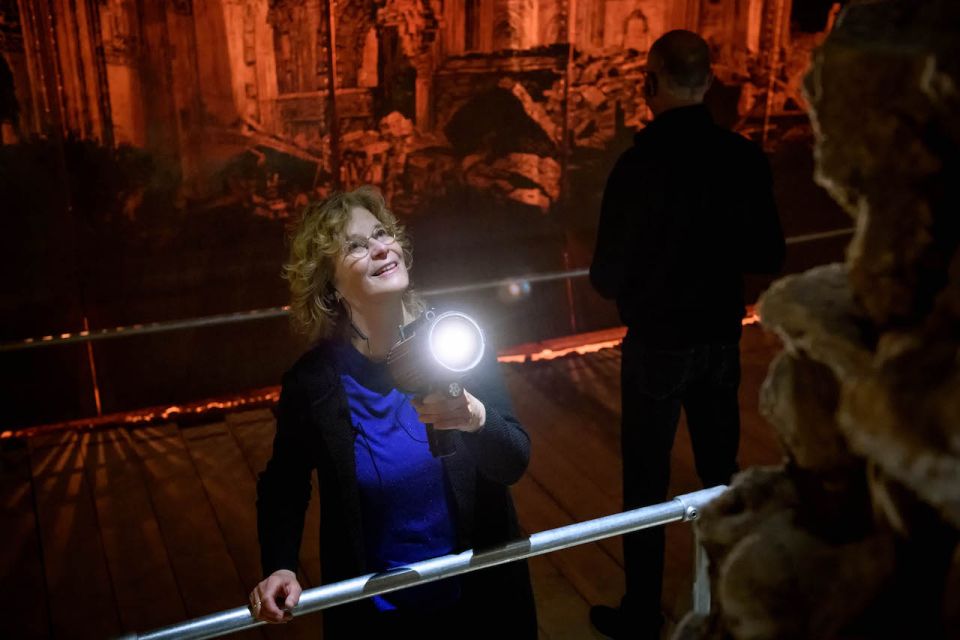
- 2,000 years in one stop: you’ll move from Roman Utrecht through the Middle Ages without hopping between multiple museums.
- Flashlight-triggered audio: the tour uses smart flashlights/torches so you get information matched to what you’re viewing.
- Walk underneath Dom Square: you’re touring the site beneath the iconic area tied to Utrecht’s cathedral complex.
- A disaster story that shaped the site: the 1674 storm and Dom Church collapse is a major turning point in the route.
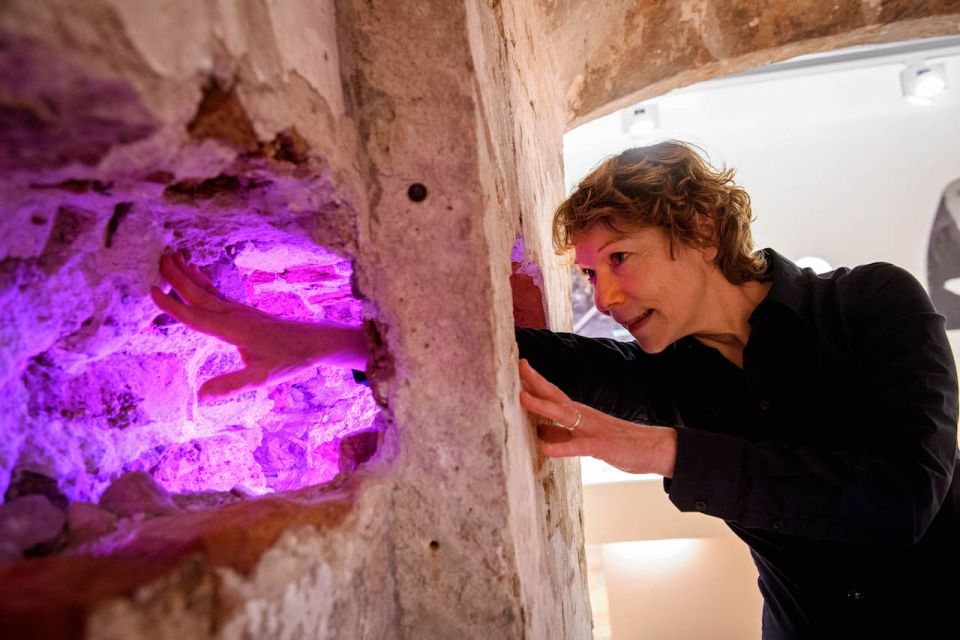
- Tactile details you can feel: you’ll encounter archaeological remnants that make the past feel physical, not abstract.
Meeting at Domplein 9 and getting oriented fast
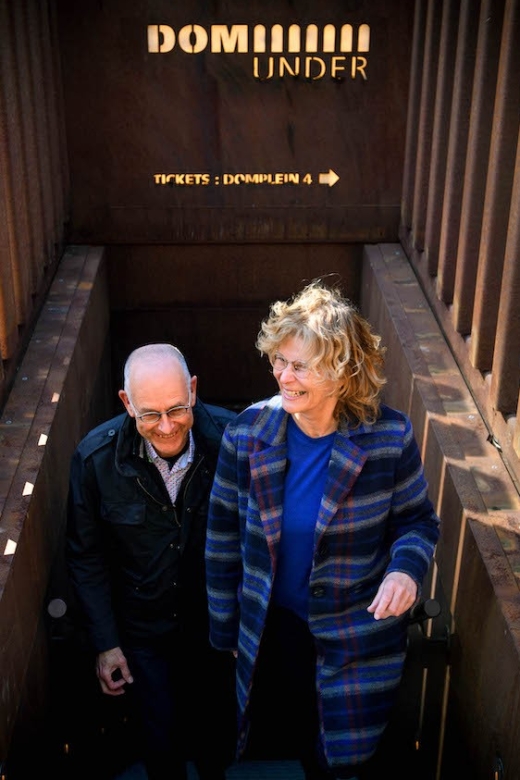
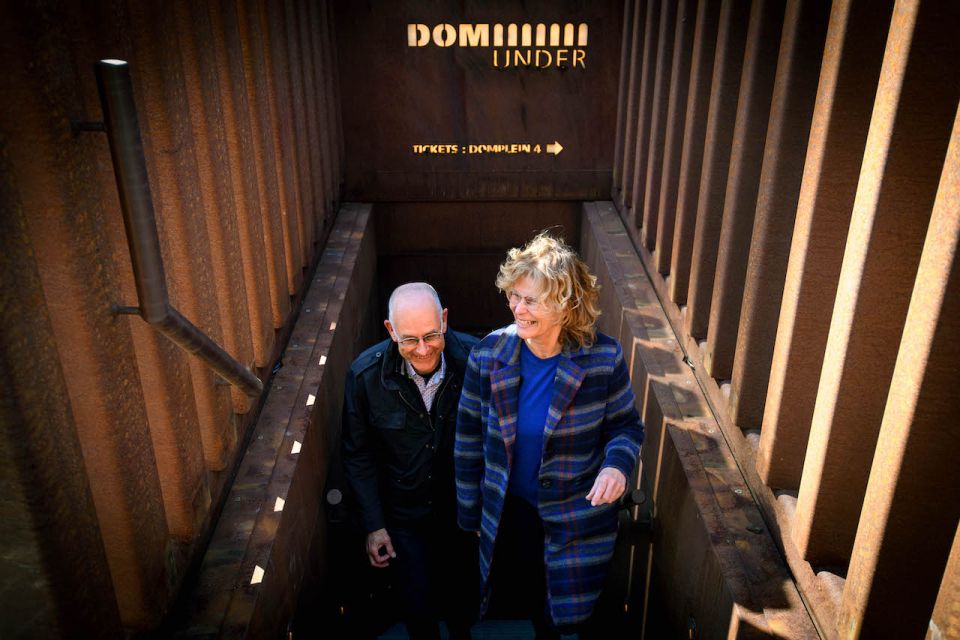
This tour meets at the Tourist Information Centre at Domplein 9. Plan to scan your ticket at the desk. If you’re arriving from Dom Square (and you will), use the Domplein area as your landmark and give yourself a little buffer time. One small-but-real annoyance: the entry flow can be confusing if you’re looking for a single obvious door, so arrive early enough to sort it out calmly.
Once you’re in the right place, the experience moves quickly into orientation. There’s usually a short setup moment that matters, because underground you’ll be relying on the tour’s tech and guidance. The goal is simple: you should know what you’re supposed to do with your flashlight and how the audio prompts work before you start moving through the ruins.
You can also read our reviews of more tours and experiences in Utrecht.



Why DOMunder feels different from a typical museum
DOMunder isn’t a gallery of glass cases. You’re going below street level into an excavation space, which changes the tone right away. You’re walking beside walls, foundations, and preserved layers rather than looking at them from behind a barrier. That physical closeness is a big part of why people come away feeling like the site “holds” the story instead of just presenting it.
Another big difference is how the information is delivered. The tour is structured like a guided journey through time, and it uses visuals (including video reconstructions) to explain what you’re seeing. In other words, you get both the “what is this?” and the “what happened here?” parts. That combination is why this tends to feel more memorable than an ordinary walking audio tour.
At $17 per person, the value comes from bundling several things into one ticket: entry, a live guide, and an English/Dutch audio component. If you like history but don’t want to spend hours bouncing between stops, this is a compact way to get a lot of context.
The guided timeline: from Roman Utrecht to the Middle Ages
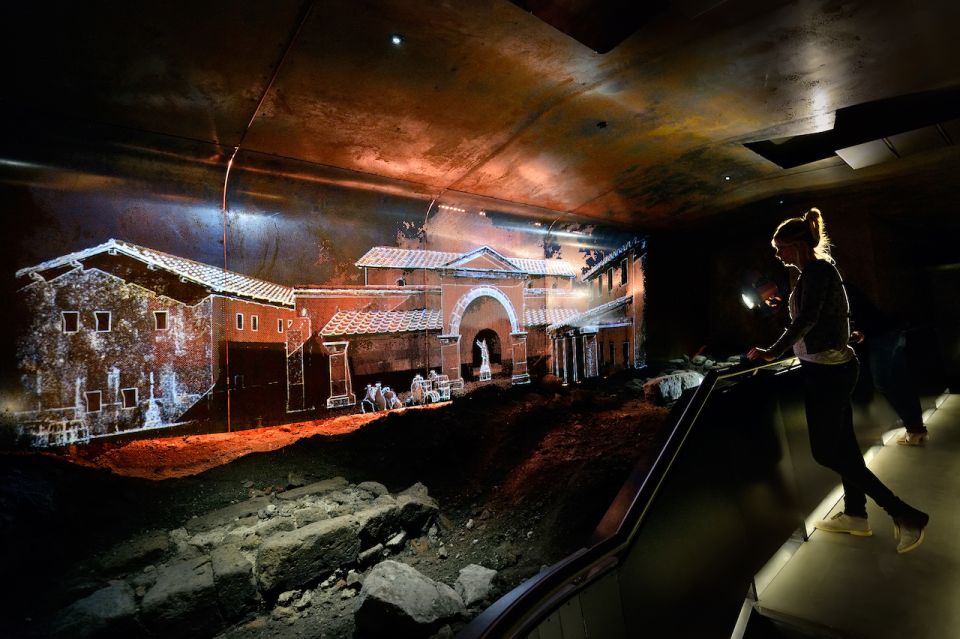
The tour experience starts with your guide placing Utrecht’s underground remains into a timeline you can actually follow. You begin with the oldest remains of the city and then move forward through the Middle Ages. Guides who tell stories well make the transitions land, especially when they explain why certain construction methods matter.
You’ll hear about Utrecht’s Roman past, and it’s not treated like trivia. The guide uses it to explain how the settlement developed and why the layers beneath Domplein are worth caring about. Then the tour shifts to the Middle Ages, where the focus becomes how the buildings connected to the cathedral area above.
One subtle benefit: the time sequence helps you look at the site more intelligently. Instead of treating everything underground as “old stuff,” you learn what’s likely earlier, what suggests later changes, and how the ruins relate to what stood overhead. That turns the tour into a history lesson you can see.
Under Dom Square: the archaeology you can actually notice
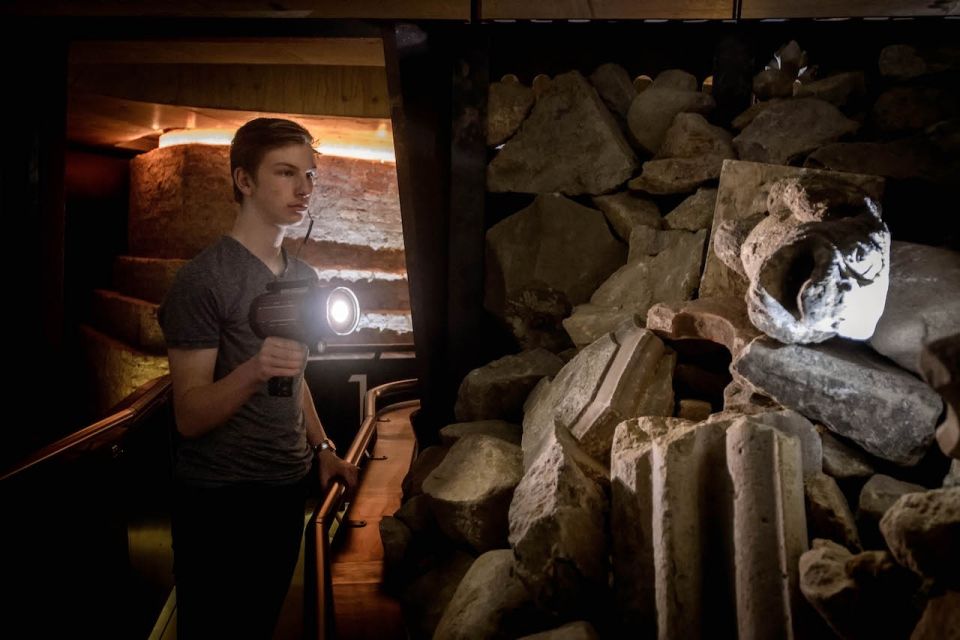
A highlight here is walking beneath Dom Square. The “underneath” part isn’t just a gimmick. It frames the experience like you’re studying the roots of the city rather than a standalone attraction.
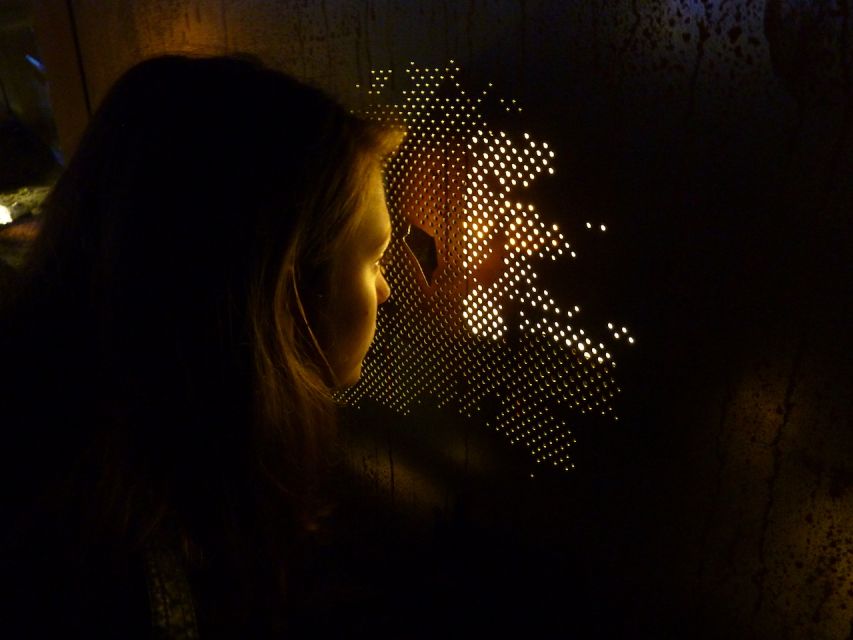
As you move through the excavation area, you’ll likely notice details that are easy to miss if you’re just rushing through. The audio system helps with this because you’re prompted based on where you point your flashlight/torch. People often talk about the tour feeling interactive and tactile, and that tracks with what you’ll experience in the space.
One especially memorable kind of detail you might encounter is recovered stonework with markings and traces from long ago. In a similar style of excavation discoveries (like an old paw print found among the recovered stonework), the tour’s attention to small physical remnants helps the past feel humbling and close.
If you’re the type who reads every sign in museums, you’ll probably enjoy DOMunder’s pace. If you’re not, don’t worry: the guide and audio are doing the sorting for you.
Using the smart flashlight and audio tech (and how it feels in real life)
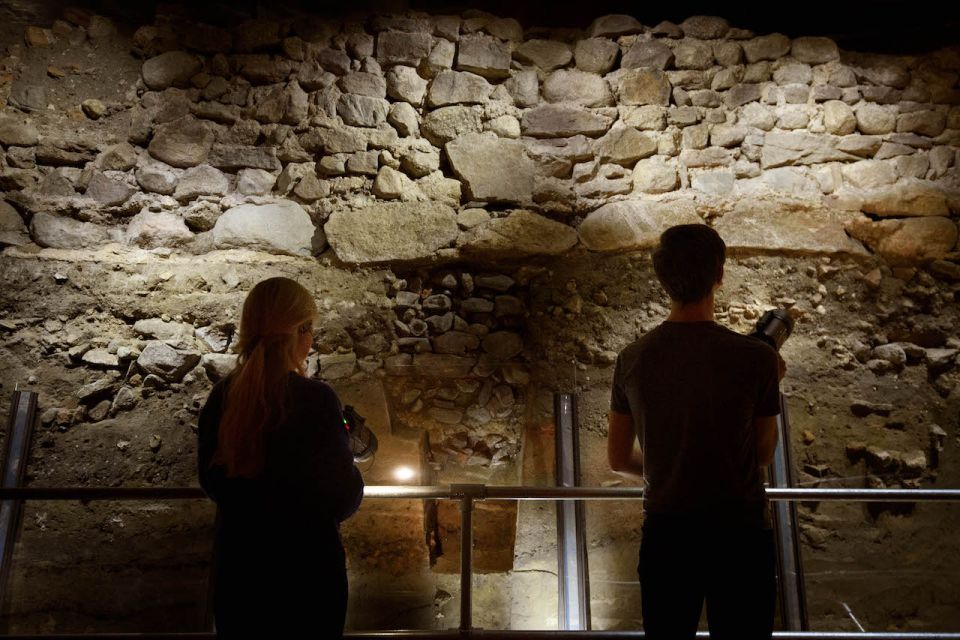
The tour includes an audio guide in English and Dutch, and you’ll use smart flashlights/torches with the system. In practice, this can feel like a guided scavenger hunt. You point your light, and the audio prompts tell you what you’re seeing and why it matters.
That setup is also why guides often get praised: a good guide doesn’t just talk over the tech. They help you understand what to look for so the flashlight prompts make sense. Guides like Joanna (mentioned in English-speaking experiences) and Christine (praised for clear historical context) are the kind of narrators who make the sequence click.
A practical consideration: some people find certain torch/audio actions slightly fiddly. If you’re the kind of person who dislikes tech, just know that most of the system is built for you to use it without much effort. Still, give yourself a few minutes at the start to get comfortable.




The 1674 storm story and the creation of Dom Square
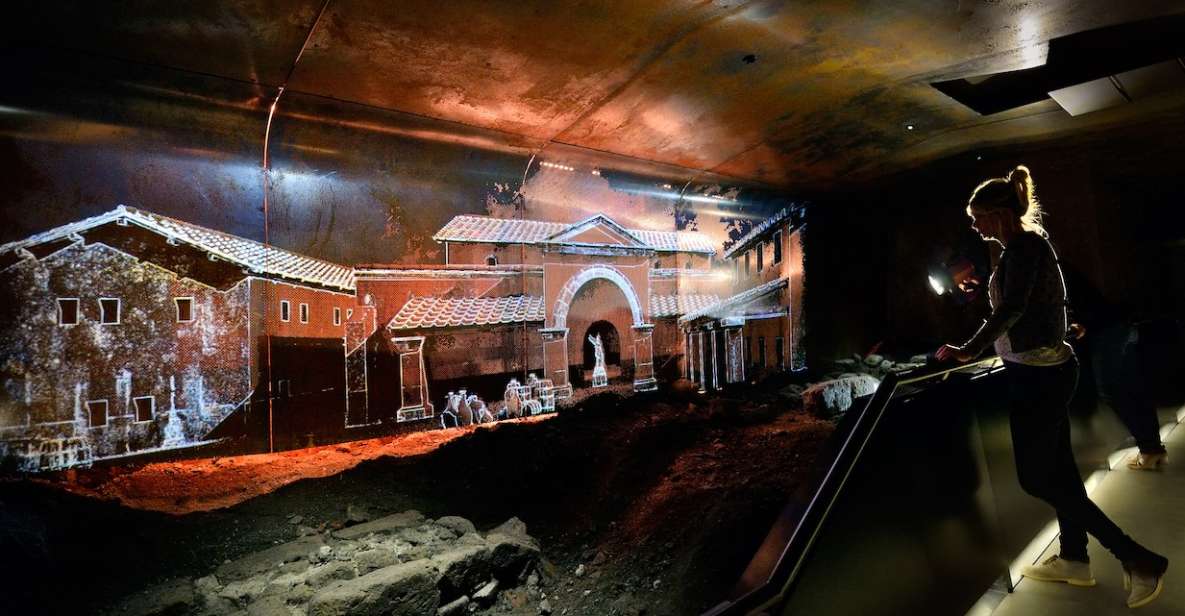
The most dramatic story in the tour is the 1674 storm. The Dom Church collapse and the resulting changes to the area are presented as a turning point in the site’s history. The tour doesn’t treat it like a random disaster date; it explains what the collapse meant for what came next—especially the creation of Dom Square.
You’ll also see reconstructions on screen tied to that day. That matters because underground, you’re not looking at the original structure from that moment. Visuals fill in what the ruins alone can’t show, so the story stays coherent.
If you like cause-and-effect history—how one event changes the physical layout—this part will likely be your favorite. It’s also a good reminder that cathedral-city history isn’t only about slow centuries. Sometimes it’s one weather event that reshapes everything.
What you’ll probably like most (and what could annoy you)
Based on how the experience is described and how it functions in the space, here’s what tends to land best:
- You get a guided explanation plus self-directed looking. The guide sets the context, and the audio/flashlight prompts help you explore at your own pace inside the route.
- The presentation is time-ordered. That makes the underground layers easier to understand, especially if Roman and medieval history isn’t your first language.
- You’re not stuck with one viewpoint. Moving through the excavation area lets you see different angles and construction remnants.
Possible drawbacks are also worth naming. The tour lasts 75 minutes, so if you like long lingering, you may wish there were an option to extend time underground. Also, if you’re hoping for maximum physical accessibility, note that it’s not suitable for wheelchair users, as stated for the experience.
Who should book this DOMunder guided ticket
This is a strong match if you:
- want a high-value, time-efficient history stop in Utrecht
- like interactive tours where you’re actively looking, not passively reading
- enjoy Roman-to-medieval history connections and turning points like the 1674 storm
- appreciate storytelling guides who explain construction and building styles, not just names and dates
It’s also a good choice if you already climbed something above-ground in the Dom area and want the “what’s under it” perspective. Going underground is the rare way to make a famous city square feel new again.
If you’re traveling with very young kids, you might find the tone is more history-focused than play-focused. Still, the experience is described as an adventure for all ages, so it can work well if your kids enjoy listening and exploring.
Price and value: is $17 worth it?
At $17 per person for entry plus a live guide, DOMunder is priced like a short guided experience—not like a long museum day. The value comes from three things that are usually separate costs: admission, narration, and the interactive audio/flashlight element.
If you’re comparing this to ticketed museum admissions that mostly involve reading labels, the tech and guided timeline change the payoff. You’re paying for understanding, not just access. For many people, the “worth it” feeling starts the moment you point your flashlight and suddenly the underground space makes sense.
Should you book DOMunder with a guide?
Yes, if you want a compact Utrecht experience that turns the city’s big stories into something you can see and follow. The combination of a live guide, audio in English or Dutch, and the flashlight-based prompts makes it more than a quick sightseeing stop. And if you’re the kind of traveler who likes history anchored to real places—Roman remnants, medieval construction, and the 1674 collapse—DOMunder does that job quickly.
I’d skip it only if mobility limits apply (it’s not suitable for wheelchair users) or if you dislike guided structure and prefer purely self-guided wandering with no timeline.
If you’re in Utrecht for a day or two and you want one stop that feels genuinely different from above-ground sightseeing, booking this 75-minute guided DOMunder ticket is a smart move.
FAQ
Where do I meet for DOMunder?
Meet at the Tourist Information Centre at Domplein 9, where you scan your ticket at the desk.
How long is the tour?
The duration is 75 minutes.
What languages are available?
The live tour guide and audio guide are available in English and Dutch.
Is there a guide included, or is it self-guided?
This ticket includes a live tour guide plus an audio guide component.
Does the tour include a flashlight or audio system?
The experience includes an underground exploration using a smart flashlight, and you’ll have an audio guide included (English and Dutch).
How much does it cost?
The price is $17 per person.
Is this tour wheelchair accessible?
No. The tour is listed as not suitable for wheelchair users.
Can I cancel for a refund?
Yes. Free cancellation is available up to 24 hours in advance for a full refund.
Is pay later an option?
Yes. There is a Reserve now & pay later option, letting you keep plans flexible.