REVIEW · UTRECHT
Utrecht: Rietveld Schröderhuis UNESCO Entry Ticket
Book on GetYourGuide →Operated by Centraal Museum Utrecht · Bookable on GetYourGuide
A house that explains a whole design idea. The Rietveld Schröder House is one of those Utrecht stops where De Stijl isn’t just a label—it shows up in the walls, the angles, and even the way rooms can change. I love how the visit connects the architect’s thinking to the people he designed for: Gerrit Rietveld and Truus Schröder, with the home created in 1924 and recognized as a UNESCO World Heritage site since 2000. I also like the self-guided setup: you get a media player on arrival and follow the story at your own pace through the carefully arranged spaces.
One thing to consider: this is a short indoor visit that takes you through the house’s designed layout, and it’s not suitable for wheelchair users or visitors with mobility impairments. Plan on a total visit time of about 30 to 40 minutes, and come with the expectation that you’ll be walking around and looking closely at details rather than lingering outdoors.
In This Review
- Key Highlights You’ll Notice Right Away
- Why Utrecht’s Rietveld Schröder House Feels Different Than Most Museums
- Getting Your Media Player at the Ticket Office
- Self-Guided Audio Through the “New Way of Living”
- Ground-Floor Spaces: De Stijl in Real Materials and Form
- Upstairs: The Sliding Walls and Movable Furniture Moment
- The People Behind the House: Rietveld and Truus Schröder
- Price and Value: Is $22 Worth 30–40 Minutes?
- Timing: How Long to Set Aside and When It’s Most Comfortable
- Museum Shop Stops You Can Enjoy Without Overthinking
- Who This House is Best For (and Who Should Skip It)
- Should You Book the Rietveld Schröder House Entry Ticket?
- FAQ
- How long is the Rietveld Schröder House visit?
- Where do I check in for my ticket?
- What’s included with the entry ticket?
- Do I need a headset for the audio tour?
- What type of headphones work with the device?
- What languages are available for the audio tour?
- Is the house accessible for wheelchair users?
- What’s the price?
Key Highlights You’ll Notice Right Away
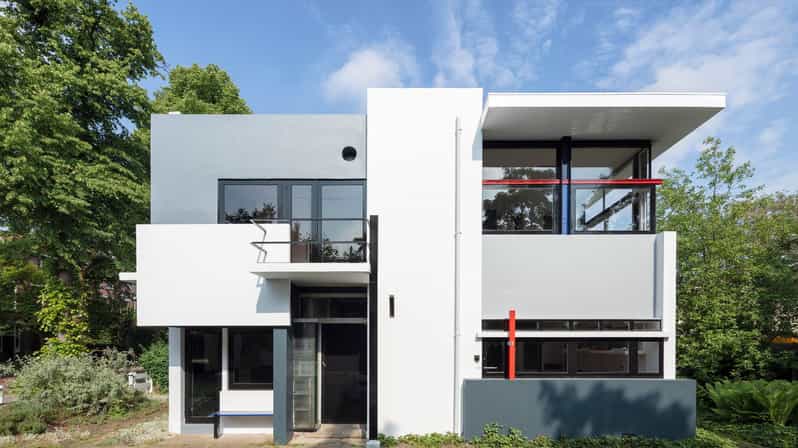
- UNESCO World Heritage (since 2000), focused on the modern movement and its real living spaces
- De Stijl principles in built form—the design ideas are visible, not theoretical
- Gerrit Rietveld’s first residence and the start of his architectural career
- Self-guided audio tour via a provided media player with built-in speakers
- Upstairs demo of sliding walls and movable furniture that show how the home adapts
- Museum shop with distinctive products and souvenirs after the tour
Why Utrecht’s Rietveld Schröder House Feels Different Than Most Museums
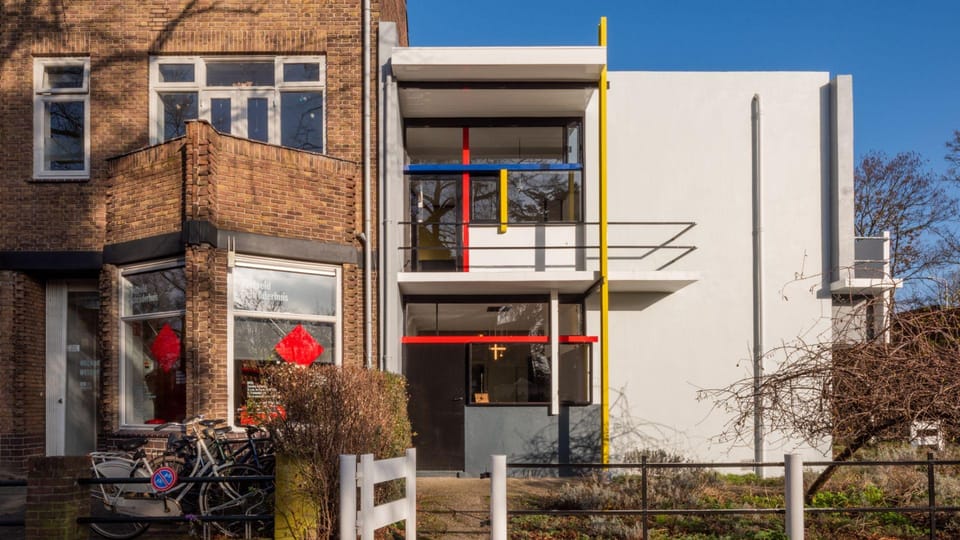
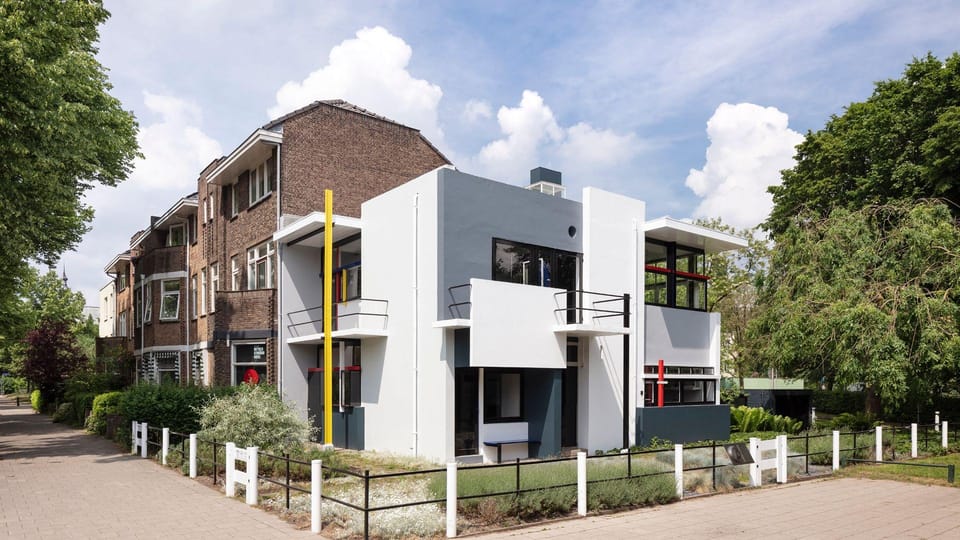
Utrecht has plenty of classic Dutch architecture, but the Rietveld Schröder House is a different kind of experience. This is modern design history you can walk through. The home was designed by Gerrit Rietveld for Truus Schröder in 1924, and the result is a house that treats living space like something you can reorganize, not just a fixed box.
It’s also easy to understand why it’s UNESCO-listed. You’re not looking at a building from a distance—you’re moving through rooms where the design logic shows up in how lines, planes, and openings work together. The ticket experience is built around that idea: you’re given an audio guide and allowed to take the pace you want, room by room.
Another plus: the site is run by Centraal Museum Utrecht, so it has that museum-pro-grade feel without turning the visit into a lecture. You get the stories you need, and then you’re let loose with the spaces.
You can also read our reviews of more tours and experiences in Utrecht.



Getting Your Media Player at the Ticket Office
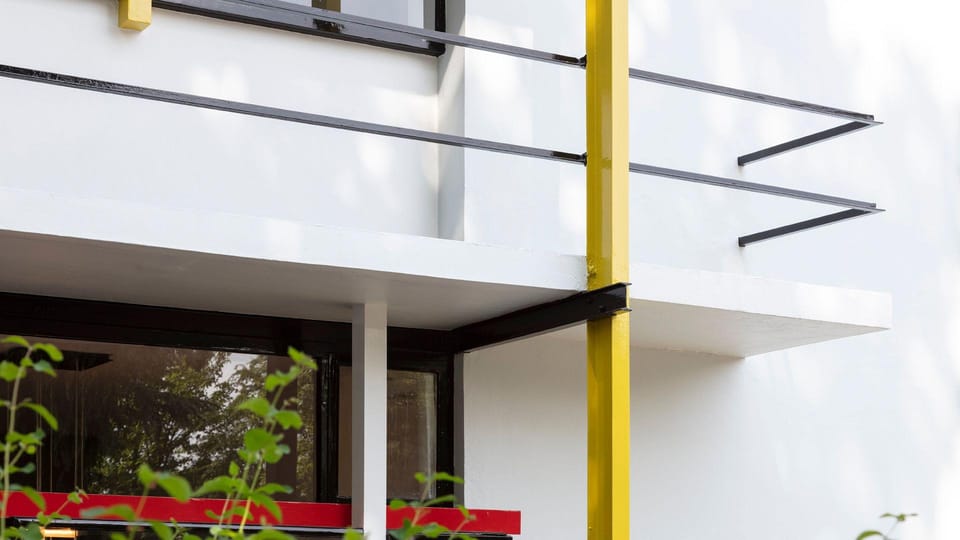
Your visit starts at the ticket office to the left of the Rietveld Schröder House. After check-in, you’ll be handed a media player device that becomes your personal guide for the whole house.
No headset is required because the players have built-in speakers. If you’d rather use your own headset, you can—just make sure it has a mini-jack connection. If you want to use your own device instead, you can scan a QR code at the desk and start right away. If you go this route, bring headphones so you don’t lose the audio experience.
A practical tip: turn the audio on as soon as you enter. The house is designed so that understanding what you’re seeing takes the same directionality as the route—jumping in late can make the story feel a bit fragmented.
Self-Guided Audio Through the “New Way of Living”
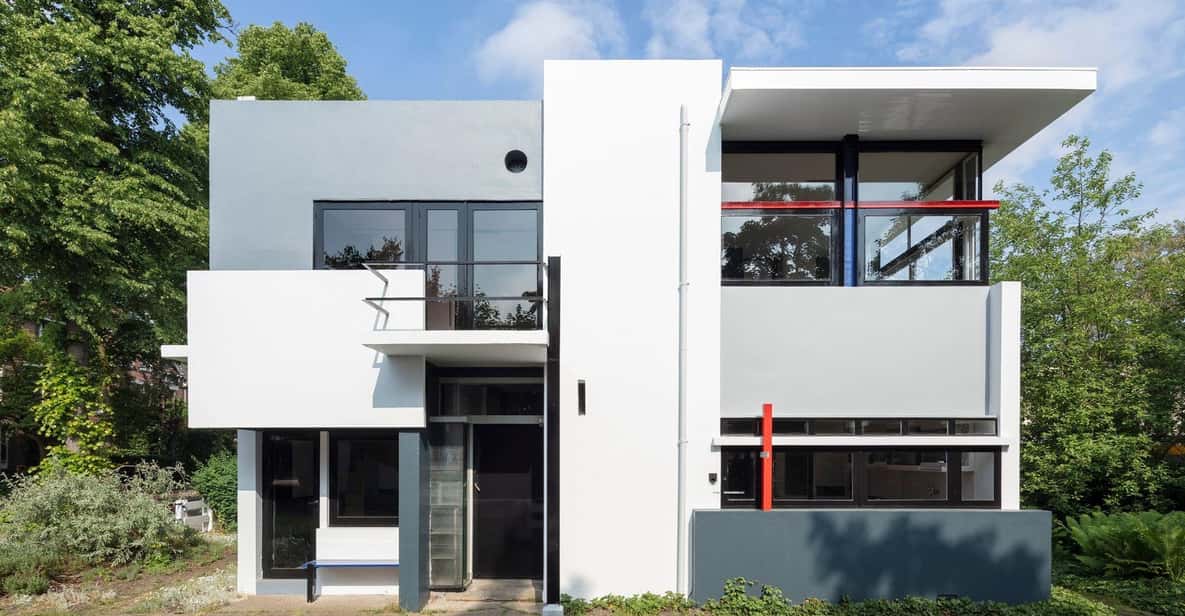
The audio tour is the heart of the visit. It’s self-guided, and it walks you through the rooms with stories about what it was like to live there, Rietveld’s concepts, and the historical context behind the choices.
Instead of being a generic museum script, the narration is focused on living: how rooms relate to one another, how light and structure help shape daily movement, and what the house says about a new way of thinking. The experience is also available in multiple languages, including Dutch, English, German, French, Spanish, Italian, Japanese, and Chinese (Mandarin).
What I like about this format for your trip planning is control. You’re not stuck with a group rhythm. If you’re the type who likes to pause and look at the lines and proportions, you can. If you want the big ideas fast, you can keep moving without feeling guilty.
Expect the visit to run about 30 minutes and up to around 40 minutes at a comfortable pace. That makes it a good fit even on a packed day in Utrecht.
Ground-Floor Spaces: De Stijl in Real Materials and Form
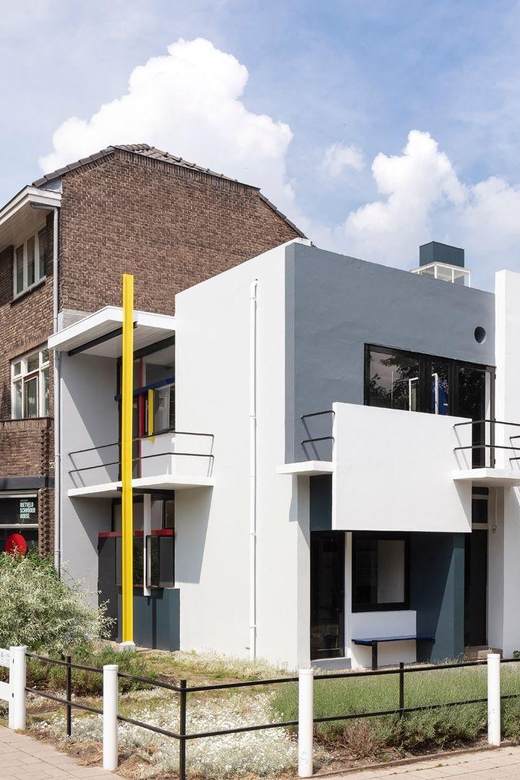
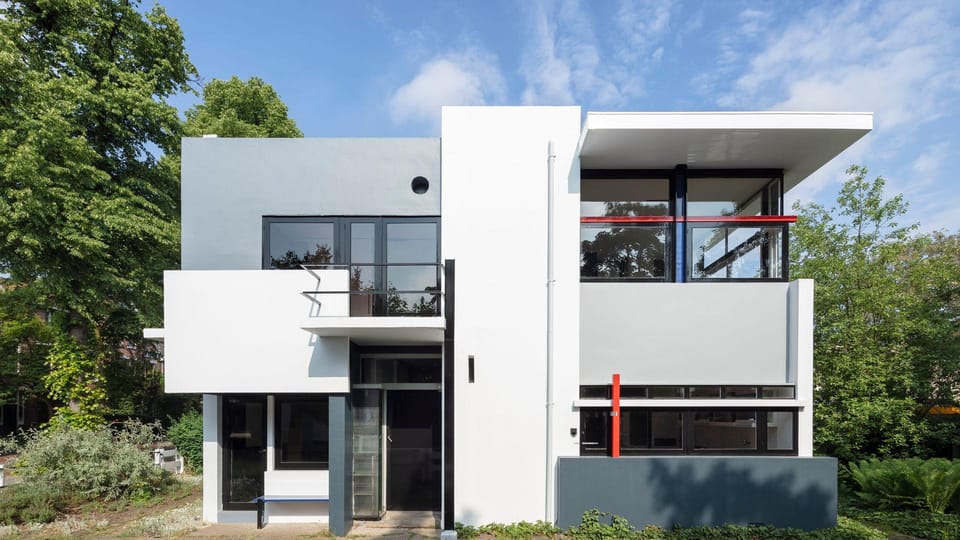
As you move through the house, the design language of De Stijl becomes concrete. You’ll see how the ideas of modernism show up as practical choices: the organization of space, the way different elements frame what you see, and how the house communicates structure without feeling heavy.
The narration ties this visual style to Rietveld and Truus Schröder. You get the point that the home isn’t just an artwork. It’s a residence that reflects progressive principles—meaning the architecture wasn’t only about looking modern, it was about how people might want to live.
Here’s how to get the most out of the ground-floor areas: don’t just look for the obvious features. Spend a minute watching how the room edges and openings guide your eye. This house rewards slow looking more than quick snapping photos.
One practical consideration: since it’s a short visit, you may want to keep your phone use quick. You’ll get more out of it by staying with the audio as you move through the designed sequence.
Upstairs: The Sliding Walls and Movable Furniture Moment
The upstairs section is where the house becomes less “museum” and more “wow.” You’ll hear a demonstration of the ingenious sliding walls and movable furniture that transform the living spaces as needs change.
This is the part that helps you understand the core philosophy behind the house. The architecture is designed to shift with daily life. Instead of rooms being permanently defined, parts of the interior can adapt—so the home can respond as routines change.
In your planning, treat this moment like the main attraction, not an extra. If you’re short on time, prioritize getting to the upstairs portion without rushing. The whole point is to see how the system works, not just to hear that it exists.
Also, remember: this is still a house visit, not a hands-on workshop. You’re observing the design and the demonstration through the tour structure, so stay tuned to what the audio is saying while you’re looking at the mechanisms.





The People Behind the House: Rietveld and Truus Schröder
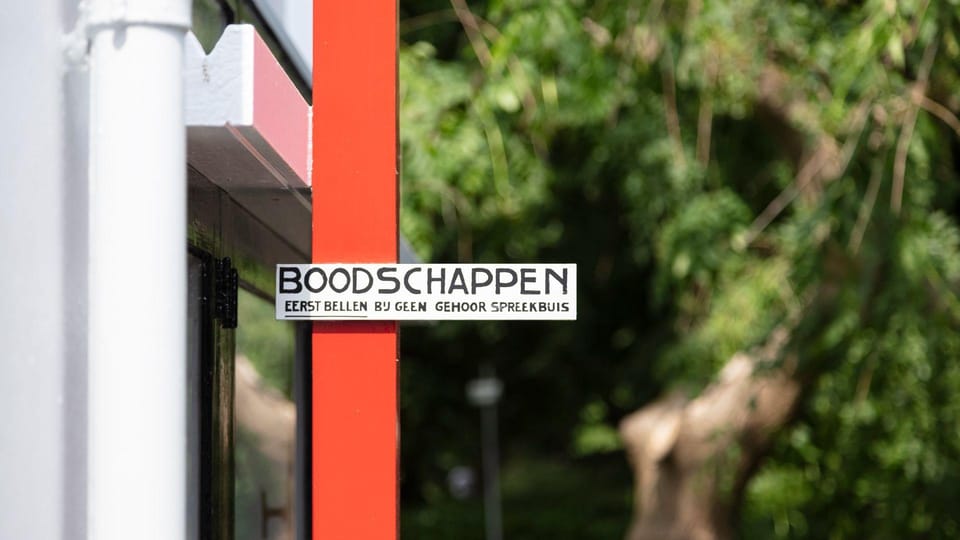
One reason this site works so well is that it doesn’t treat the building like a mystery object. It connects the architecture directly to Gerrit Rietveld’s career and Truus Schröder’s role as the resident the house was designed for.
The house is described as Rietveld’s first residence and the start of his career as an architect. That matters because you’re not just seeing “a famous house.” You’re seeing an origin point—an early moment when a designer’s ideas start to take physical shape in a full living environment.
When the audio brings these details into the room context, it changes how you interpret what you’re seeing. Those lines and partitions stop being just stylistic. They start feeling like a language Rietveld was testing and refining.
If you like architecture that’s tied to real people and real decisions, this is a strong stop. It’s not only about style; it’s about intention.
Price and Value: Is $22 Worth 30–40 Minutes?
At about $22 per person for an entry ticket plus an audio tour, you’re paying for a very specific experience: a guided self-visit inside a UNESCO-designated architectural landmark, with multi-language narration.
Is it expensive? Not in the usual museum sense. You’re getting more than “entry.” You’re getting interpretation through the included audio, plus the most important design feature—how the interior can transform—is built into the tour flow. The visit length (roughly 30 to 40 minutes) also keeps it from turning into a long time commitment.
Where you should think like a value shopper is your own style. If you enjoy architecture and want to understand what you’re looking at, this price feels fair. If you mostly want background sightseeing with minimal reading or audio, you might find you want more time at each room. But for most architecture-minded visitors, the format matches the subject well.
Timing: How Long to Set Aside and When It’s Most Comfortable
You’re looking at about 40 minutes total, with the stated window ranging from roughly 30 to a maximum of 40 minutes. Starting times depend on availability, so if you’re trying to fit it between other Utrecht stops, it helps to pick a slot that leaves a little buffer afterward.
Comfort tip: since you’ll be listening through a media player, avoid scheduling it back-to-back with another audio-heavy attraction. If you do two indoor audio experiences in a row, your brain starts treating everything like background noise.
Instead, consider pairing it with outdoor strolling before or after. Utrecht’s streets are a good change of pace when you’re done with the inside geometry.
Museum Shop Stops You Can Enjoy Without Overthinking
After your walk through the house, you’ll find a museum shop with unique products and souvenirs. This is one of those places where you can pick up something design-related without turning it into a souvenir scavenger hunt.
If you’re buying gifts, this is the practical move. It’s connected to the experience and tends to match the kind of audience this house attracts—people who like design, not just postcards.
Keep your time modest though. The shop is best as a short wrap-up, not something you should use to extend the main visit.
Who This House is Best For (and Who Should Skip It)
This is a great fit if you:
- love architecture and design ideas you can actually see in the building
- want a short, well-structured visit with included audio interpretation
- enjoy modern design history and De Stijl beyond textbook explanations
- like interactive concepts like sliding walls and changing interior layouts
It’s also a solid choice for couples and solo travelers because the audio guide makes the experience flexible. You can pause, replay, or move at your own pace.
Who should skip or reconsider: the experience is not suitable for wheelchair users and visitors with mobility impairments. Also, it’s not for babies under 1 year.
If that affects you, it’s worth looking for other Utrecht architecture stops that match your mobility needs.
Should You Book the Rietveld Schröder House Entry Ticket?
If you care about design, this is an easy yes. The combination of UNESCO status, De Stijl concepts in a real residence, and the audio tour that explains what you’re seeing makes the price feel grounded. You also get the key feature—the sliding walls and movable furniture—built into the visit rather than left as a surprise.
I’d especially book if you want a focused, 30–40 minute stop that doesn’t require a guided group. You’ll get interpretation without losing your own pace.
If accessibility is a concern for you, don’t force it. The house isn’t listed as suitable for wheelchair users or visitors with mobility impairments, so plan for something else.
FAQ
How long is the Rietveld Schröder House visit?
Plan for about 30 minutes, with a maximum of around 40 minutes.
Where do I check in for my ticket?
Check in at the ticket office to the left of the Rietveld Schröder House.
What’s included with the entry ticket?
Your ticket includes entrance and an audio tour.
Do I need a headset for the audio tour?
No. The media player device has built-in speakers. You can connect your own headset if you prefer.
What type of headphones work with the device?
Your own headset must have a mini-jack connection.
What languages are available for the audio tour?
The audio guide is available in Dutch, English, German, French, Spanish, Italian, Japanese, and Chinese (Mandarin).
Is the house accessible for wheelchair users?
No. The experience is not suitable for wheelchair users and people with mobility impairments.
What’s the price?
The price is $22 per person.