REVIEW · AMSTERDAM
2 Hour Making Rembrandt’s Traditional Oil Paints in Amsterdam
Book on Viator →Operated by Rembrandt Paint Maker · Bookable on Viator
You get hands-on with Rembrandt’s colors. This 2-hour workshop in Amsterdam lets you make handmade oil paints from 14 natural pigments, then use them to create a small masterpiece while learning how Rembrandt van Rijn built his look. The class also comes with private, close-up coaching, so you’re not stuck watching from the sidelines.
One thing to consider: it’s short, so your final painting will be small. If you’re hoping for a full-day art project or a studio-like workflow, this is more of a focused sampler than a long painting session.
If you like art history that actually shows up on your hands, this kind of class is a smart use of time. And with the instructor named Eric described as highly knowledgeable, you’re in good company for the how and the why behind the technique.
In This Review
- Key Things to Know Before You Go
- Why Rembrandt’s Paint-Making Workshop Works So Well in Amsterdam
- Getting To Nieuwe Doelenstraat 24 Without Stress
- Inside the 2-Hour Workshop: What Happens Step by Step
- 1) Meet up and get oriented
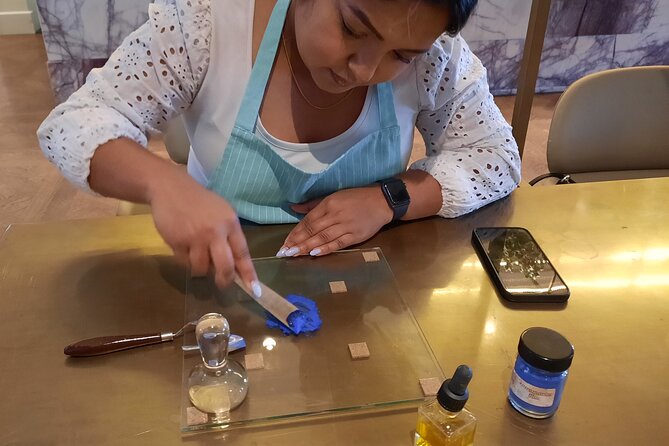
- 2) Make hand-made oil paints from natural pigments
- 3) Mix pigments with linseed oil in a Rembrandt-style method
- 4) Create your mini masterpiece
- Rembrandt Techniques You’ll Actually Understand (Not Just Memorize)
- The Instructor Factor: Why Eric’s Teaching Style Matters
- Price and Value: Is $114.88 Worth It?
- Who This Workshop Is Perfect For
- What To Expect When You Arrive (And How to Prepare)
- A Realistic Take: The Best and the Only Trade-Off
- Should You Book This Rembrandt Paint-Making Class?
- FAQ
- How long is the Rembrandt oil paint workshop?
- Is the workshop private?
- What language is the workshop offered in?
- Where do I meet for the activity?
- What will I make during the class?
- How are the paints made?
- When does this workshop run?
- Is it suitable for most people, and are service animals allowed?
- Is free cancellation available?
Key Things to Know Before You Go
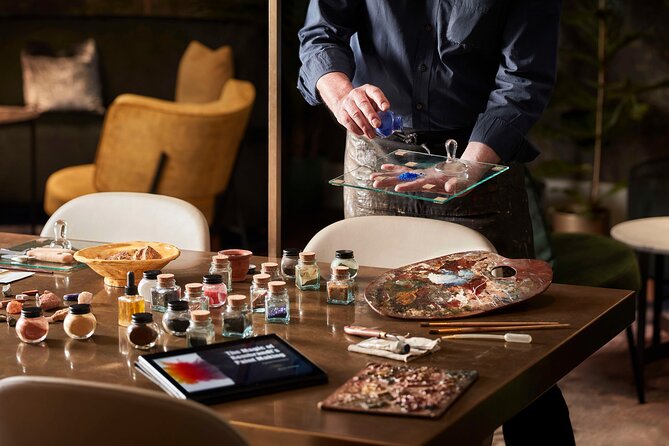
- 14 natural pigments become your color source, not pre-made tubes.
- You’ll learn to mix pigments with linseed oil in a Rembrandt-era style.
- Private class means only your group participates, so questions don’t get squeezed out.
- You’ll leave with a mini masterpiece created using your own paint.
- The workshop happens in central Amsterdam near public transportation, which makes it easier to plug into your day.
Why Rembrandt’s Paint-Making Workshop Works So Well in Amsterdam
Amsterdam has a way of making art feel close up. You walk past famous paintings, then you move on. This workshop flips that routine by putting the process first.
What you’re doing here is simple to describe but satisfying to experience. You start with natural pigments, turn them into workable oil paint, and then use those paints to create your own small work. That sequence changes how you look at Dutch Masters later. You stop thinking of old paintings as just images on canvas and start thinking of them as material—color, binder, and texture decisions made on purpose.
Two parts tend to land hardest. First, mixing the colors yourself makes Rembrandt’s palette feel real. Second, the instruction is personal. A private setup means you can ask why something works, not just how to do it.
The other nice value point: this is only about 2 hours. So you get a meaningful art activity without having to rearrange your whole trip.
You can also read our reviews of more tours and experiences in Amsterdam.

Getting To Nieuwe Doelenstraat 24 Without Stress
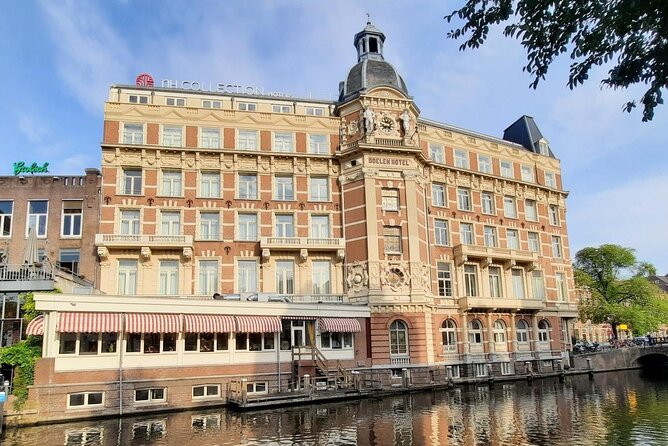
The meeting point is Nieuwe Doelenstraat 24, 1012 CZ Amsterdam. The start and end are at the same place, so you don’t need to plan a winding route or deal with a transfer late in the session.
The workshop runs Monday through Sunday from 3:00 PM to 7:00 PM during the period listed (10/14/2023 to 11/27/2026). If your museum days usually run long, this afternoon timing can be a good reset. It’s also handy for travelers who want something creative without losing the entire evening.
Practical tip: since it’s near public transportation, you can treat it as a “drop-in friendly” stop in your day. Just aim to arrive a bit early so you’re not rushing while the class is getting set up.
Inside the 2-Hour Workshop: What Happens Step by Step
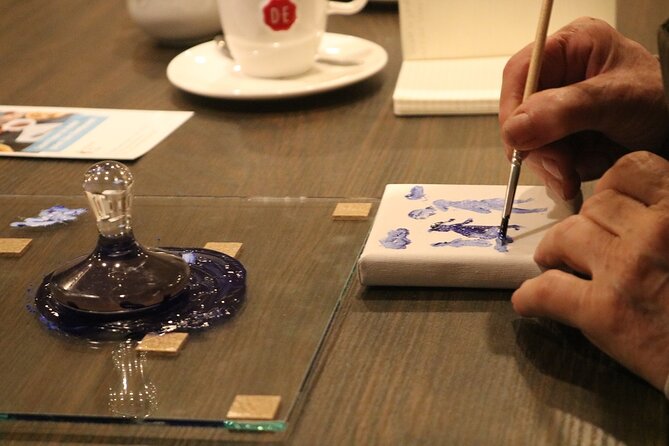
This class is built around one core experience: making your own oil paints and using them right away. In other words, you’re not just learning theory—you’re doing the work.
1) Meet up and get oriented
You’ll meet at the address above, then the instructor guides the group through what you’ll be making and how the process connects to Rembrandt van Rijn’s methods. Even if you don’t know much about paint chemistry, the explanation is meant to be understandable and practical.
Because it’s private, you can usually expect attention to how you’re doing, not just a general talk. That matters when you’re handling pigments and mixing paint.
2) Make hand-made oil paints from natural pigments
The workshop focuses on creating handmade oil paints. You work with 14 natural pigments, which gives you a wide range of colors. The idea is that natural pigments aren’t just “pretty colors.” They behave differently, so mixing them well helps you get closer to the look you’re studying.
This is where your brain shifts. Tube paint is uniform and convenient. Pigments are more like ingredients. Measure wrong or mix too fast, and the paint won’t feel right. You learn to manage the process so the paint becomes something you can actually paint with.




3) Mix pigments with linseed oil in a Rembrandt-style method
One of the standout teaching moments described is learning about mixing linseed oil with pigments in a way consistent with what Rembrandt used in his time. That’s a big deal because linseed oil isn’t just a glue. It changes how paint spreads, how it dries, and how color sits on the surface.
If you love art detail, this is the part that clicks. You get to connect classroom talk to actual texture and color behavior.
4) Create your mini masterpiece
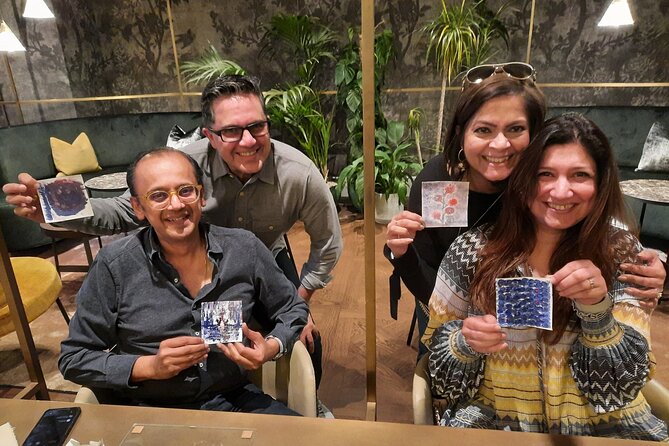
After you’ve made your paint, you’ll create your own small artwork using what you mixed. The point here isn’t to produce something huge. It’s to make one clear, personal result while the knowledge is still fresh.
Short workshops can feel abstract. This one avoids that by giving you an output. You’re more likely to remember the technique because you used it immediately.
Rembrandt Techniques You’ll Actually Understand (Not Just Memorize)
If you’ve ever stood in front of a Rembrandt and wondered why the skin tones or darks feel so lifelike, this class helps you decode it in plain terms.
The workshop ties your mixing to Rembrandt’s working style. You’re learning about how he built a palette and how he used materials to shape light and depth. Even without getting overly technical, the class connects technique to visual results.
Here are the main technique ideas you’ll come away with:
- Color mixing from pigments: You see how a “color” is really a combination of choices, not a single premade swatch.
- Oil paint preparation: You get a feel for how binder choices affect what paint becomes on the surface.
- A Rembrandt-era approach: Instead of guessing, you learn what historical methods focused on and why those choices mattered.
And because the class is private, you can ask follow-ups as you go. That’s where you can get practical clarity, like why certain mixes behave better or how to steer a blend when you want a specific tone.
The Instructor Factor: Why Eric’s Teaching Style Matters
One of the strongest signals from past participants is that the instructor—Eric—is described as extremely knowledgeable. That matters because this workshop isn’t only about doing art. It’s about doing art in a historically grounded way.
A good teacher in a paint class doesn’t just say what to do. They help you notice what’s happening. That might sound obvious, but it’s the difference between mindless steps and real understanding.
With a private setup, you’re also less likely to feel lost if something takes longer. Instead, you can get direct help with mixing consistency, paint handling, or the specific technique being explained.
If you’re the kind of person who enjoys a teacher that can connect making paint to looking at finished masterpieces, this class is set up for you.
Price and Value: Is $114.88 Worth It?
At $114.88 per person for about 2 hours, this isn’t a bargain-bin activity. But it also isn’t just a casual craft.
Here’s the value logic I’d use to decide:
- You’re not buying a finished product. You’re making your own paint from 14 natural pigments, which is labor- and material-heavy.
- You get private instruction, meaning you’re paying for attention and guidance, not sharing it with a crowd.
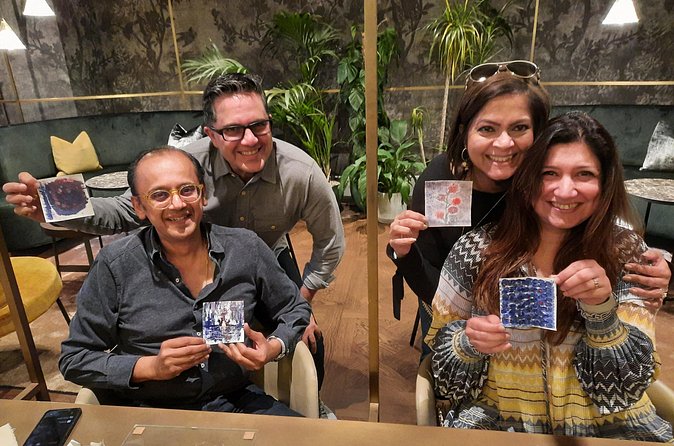
- You end up with a tangible result: a mini masterpiece you can take home (or at least create for yourself during the session).
If your travel style is hands-on and you value skills, this price can make sense quickly. If you’re only looking for a quick photo moment, you might feel the cost more than you’d like. But if you want to understand why Dutch Master techniques look the way they do, the workshop is built to give you that.
Booking ahead is also a hint at demand. The class is often booked around 45 days in advance, so if you’re traveling in peak season, plan early.
Who This Workshop Is Perfect For
This is a great fit if you fall into one of these categories:
- You love museums, but you want something active, not just passive viewing.
- You’re curious about art materials and how technique affects what you see.
- You want a private experience where you can ask questions without waiting.
- You’re short on time and still want a meaningful creative activity.
It’s less ideal if you’re expecting a long multi-session painting course. The format is tight by design. You’ll learn a lot, make paint, and produce a small piece—but it won’t replace a full day at an easel.
What To Expect When You Arrive (And How to Prepare)
The session runs in a defined 3:00 PM–7:00 PM window, and you’ll meet at Nieuwe Doelenstraat 24. Since the activity involves oil paints, treat it like a hands-on craft: wear clothes you won’t mind getting splashed or stained.
If you’re bringing anything fragile or precious, keep it secure. Work with pigments and oil can get messy in a normal way. Even when the instructor is careful, you’re doing the painting part, not just watching.
Language is English, so you’ll be able to follow the technique explanations and ask questions comfortably.
One more practical note: you’ll receive confirmation at the time of booking, and it’s offered with a mobile ticket. That keeps the pre-trip steps simple, especially when you’re bouncing between timed museum entries.
A Realistic Take: The Best and the Only Trade-Off
The best part is the combination of process + personal teaching. You’re mixing paint from natural pigments, learning a Rembrandt-informed method, and then painting with what you made. That chain makes the experience stick.
The only trade-off is the time limit. You’ll get a lot of instruction and a finished mini piece, but you’re not going to leave with a large painting or a deep, slow practice routine. If you go in expecting a quick, high-impact workshop, you’ll enjoy it much more.
Should You Book This Rembrandt Paint-Making Class?
I’d book it if you want a creative activity that directly connects to what you see in Dutch Masters. The hands-on pigment mixing and the chance to paint with your own Rembrandt-inspired oil paints makes it more than a craft souvenir.
Skip it only if you need a long, uninterrupted art session or you’re not interested in materials and technique. For everyone else—especially art lovers who like short, focused experiences—this is one of those Amsterdam activities that changes how you look at paintings afterward.
FAQ
How long is the Rembrandt oil paint workshop?
It runs for about 2 hours.
Is the workshop private?
Yes. It’s described as a private class/activity where only your group participates.
What language is the workshop offered in?
The workshop is offered in English.
Where do I meet for the activity?
You meet at Nieuwe Doelenstraat 24, 1012 CZ Amsterdam, Netherlands.
What will I make during the class?
You’ll experience making your own hand-made oil paints using natural pigments, and you’ll get the chance to paint a mini masterpiece with them.
How are the paints made?
You create the paint using 14 natural pigments, and you mix pigments with linseed oil following a Rembrandt-style approach.
When does this workshop run?
It operates Monday through Sunday from 3:00 PM to 7:00 PM, during the listed date range (10/14/2023 to 11/27/2026).
Is it suitable for most people, and are service animals allowed?
Most travelers can participate, and service animals are allowed. It’s also described as being near public transportation.
Is free cancellation available?
Yes. You can cancel up to 24 hours in advance for a full refund.