REVIEW · AMSTERDAM
Amsterdam: Anne Frank Walking tour – Discover Her Story
Book on Viator →Operated by Tour Company B.V. · Bookable on Viator
Anne Frank’s footsteps are still here. This 1.5-hour walk turns familiar street names into a clear, human story, with small group sizes (max 15) and plenty of Anne Frank details you won’t get from a guidebook. One key drawback to plan for: this tour does not include an Anne Frank House entrance ticket.
I like that it mixes sightseeing with World War II context without turning into a lecture. You’ll also get a mobile ticket and a professional guide, and the pace is built for a compact neighborhood route. The only other thing to keep in mind: it’s not recommended if you have walking problems.
In This Review
- Key Points I’d Plan Around
- A Small-Group Walk That Turns Anne Frank’s Streets into Story
- Price and What You Actually Get for $17.75
- Meeting Point, Timing, and Pacing on a 1.5-Hour Tour
- Stop-by-Stop: From Anne Frank’s Home Life to the Helpers of the Secret Annex
- Stop 1: Merwedeplein 61
- Stop 2: Merwedeplein 37
- Stop 3: Jekerstraat 16 (Margot’s Jewish School)
- Stop 4: Geleenstraat 1, the Former Oase Ice Cream Salon
- Stop 5: Niersstraat 41–43 (Anne’s School)
- Stop 6: Rooseveltlaan 62 (The Bookstore and the Diary)
- Stop 7: Lekstraat 61 (Synagogue and Stars for Clothes)
- Stop 8: Hunzestraat 28 (House of Miep Gies)
- Stop 9: Back to Merwedeplein 61
- How This Tour Complements Anne Frank House Tickets
- What I Think Makes the Guide Work (and Why Reviews Mention Enthusiasm)
- Who Should Book This Amsterdam Anne Frank Walking Tour
- Should You Book It?
- FAQ
- How long is the Anne Frank walking tour?
- What language is the tour offered in?
- What is the price per person?
- How many people are in the group?
- Where does the tour meet and end?
- What time does the tour start?
- Is a mobile ticket included?
- Does this tour include entrance tickets to Anne Frank House?
- Is the tour suitable for people with walking problems?
- Can I cancel for a full refund?
Key Points I’d Plan Around
- Max 15 people keeps the tour intimate and easier to hear on busy sidewalks
- Professional guide + focused WWII storytelling connects Amsterdam locations to Anne Frank’s life
- Stop details are specific: schools, a former ice cream spot, a bookstore, a synagogue, and Miep Gies’s house
- You’ll see what changed: some places are gone, repurposed, or marked in unexpected ways
- No Anne Frank House ticket included, so think of this as a strong pre-visit or companion
A Small-Group Walk That Turns Anne Frank’s Streets into Story
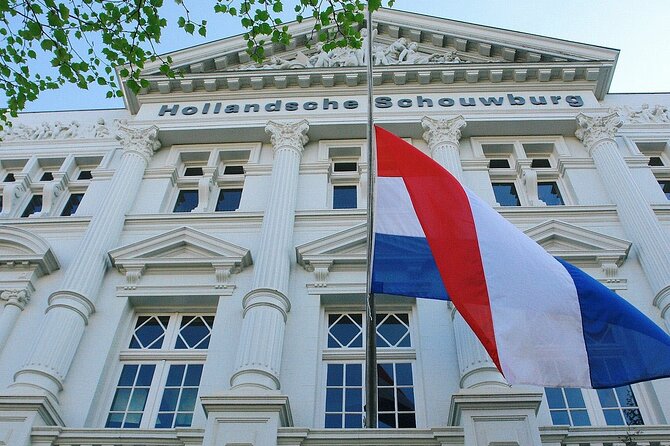
This tour works because it keeps you on the street level, not behind a museum counter. You’re guided through a tight stretch of Amsterdam where the past is tied to real addresses—Merwedeplein, Jekerstraat, Geleenstraat, and more—so the story lands in the place it happened, not in abstract time.
The small group matters. With a maximum of 15 travelers, you’re not just shuffled past plaques. You can actually focus on what the guide points out, ask questions if the group can handle it, and follow the thread from stop to stop.
The other thing I appreciate is the tone: it’s not just dates and background. It’s about daily life and how ordinary routines were affected. That’s why stops like a former ice cream parlor and school locations feel so powerful. They show what was at stake before the Secret Annex phase of the story.
You can also read our reviews of more tours and experiences in Amsterdam.



Price and What You Actually Get for $17.75
At $17.75 per person for about 1 hour 30 minutes, the value here comes from two places: the guided experience and the concentration of meaningful stops. You’re not paying for a long transit-heavy outing. You’re paying for a professional guide to connect multiple locations to Anne Frank’s story within a compact route.
What’s included:
- a professional guide
- taxes and fees
- a small group walking tour designed for a more personal experience
What’s not included:
- entrance tickets to Anne Frank House
- food and drinks
- gratuities
That last point changes how you should plan your day. If you’re hoping to check off Anne Frank House itself, you’ll need separate tickets. Think of this tour as the context-builder: it helps you understand what you’re about to see next, or it gives you a meaningful alternative if you can’t get those timed entry tickets.
Meeting Point, Timing, and Pacing on a 1.5-Hour Tour
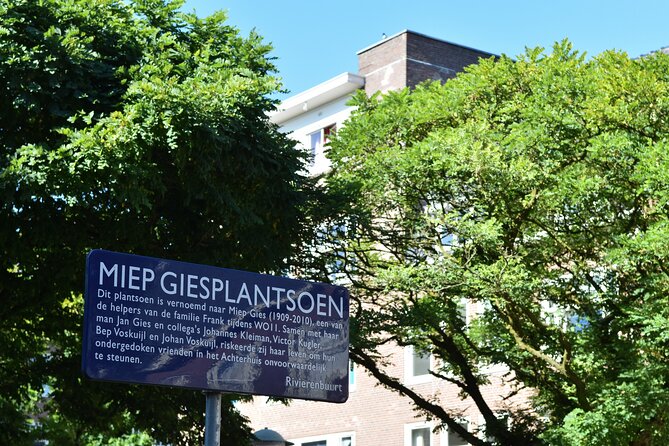
The walk starts at Merwedeplein 61 (1078 NC Amsterdam). The meeting is also the finish, so there’s less stress about where you end up. It runs at 9:00 am, and you should expect a route that moves through several short stops rather than long stretches of marching.
Duration is listed at about 1 hour 30 minutes, and the stop timing suggests a steady rhythm—roughly 10–15 minutes at key points, plus a small amount of time to transition between locations.
Also worth knowing:
- it’s offered in English
- you’ll receive a mobile ticket
- the meeting area is near public transportation
- it’s not recommended for people with walking problems
If you want the best experience, wear shoes that can handle typical city sidewalks and plan to stay present. This is the kind of tour where stopping to listen is part of the deal.
Stop-by-Stop: From Anne Frank’s Home Life to the Helpers of the Secret Annex
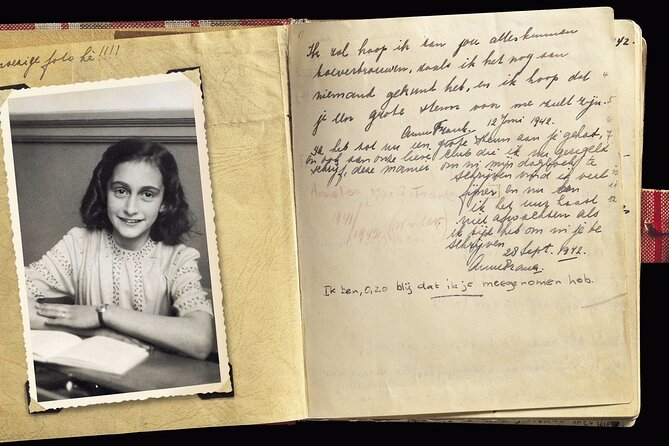
This is where the tour earns its keep. The itinerary is arranged like a timeline you can walk through—starting with where the family lived, then moving through school and daily spots, and finally pointing toward the people connected to the hiding.
Stop 1: Merwedeplein 61
You begin at Merwedeplein 61, the anchor point for the tour. It’s a good start because it sets the theme: Amsterdam wasn’t just the setting. It was part of the daily rhythm of Anne Frank’s life before the story turned toward hiding.
Even though this first stop is brief, it matters. A strong guide can frame what you’re about to see so you don’t just memorize addresses. You’ll know what each one represents.






Stop 2: Merwedeplein 37
Next is Merwedeplein 37, identified as the location where Anne Frank lived with her family before going into hiding in the secret annex. This stop is the emotional hinge of the early part of the tour: home first, then the shift.
Why it’s special: it emphasizes that the story starts with ordinary life. You’re not only learning about hiding—you’re seeing that the hiding had a backdrop of real neighborhoods, routines, and community.
Stop 3: Jekerstraat 16 (Margot’s Jewish School)
At Jekerstraat 16, the focus shifts to education—specifically Margot’s Jewish school. Margot is Anne’s sister, and this stop keeps the tour from becoming a single-person narrative.
What you get from this: a more complete picture of family life and how schooling connected to identity in that era. It also adds variety to the route. After home, you’re now thinking about childhood structure and daily learning.
Stop 4: Geleenstraat 1, the Former Oase Ice Cream Salon
Then comes one of the tour’s most striking contrasts at Geleenstraat 1. The Oase ice cream salon no longer exists, but the building remains part of the story. Today, there’s a Japanese/Peruvian restaurant there, and the owner painted a huge portrait of Anne on the wall.
In the years Anne lived in this quarter, the ice cream salon was a place she and her friends visited.
This stop works because it shows how memory can survive even when the original business is gone. You’re standing in a re-used space that still points back to youth and friendship. It’s also a reminder of how much “normal” life was being pulled apart.
A practical note: because this is a commercial building, it may feel busier depending on the day. Give yourself a moment to focus, then listen to what the guide connects to the location.
Stop 5: Niersstraat 41–43 (Anne’s School)
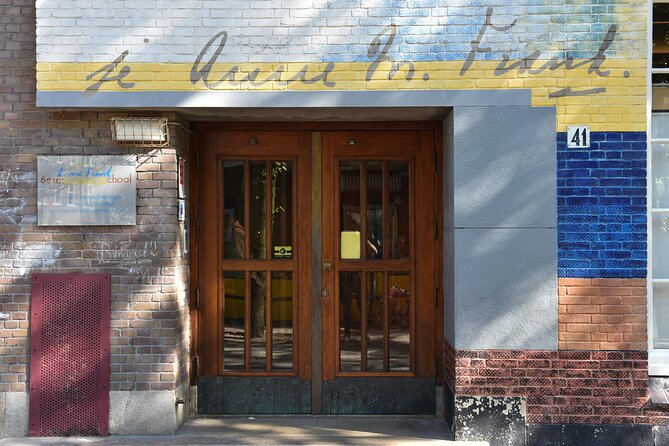
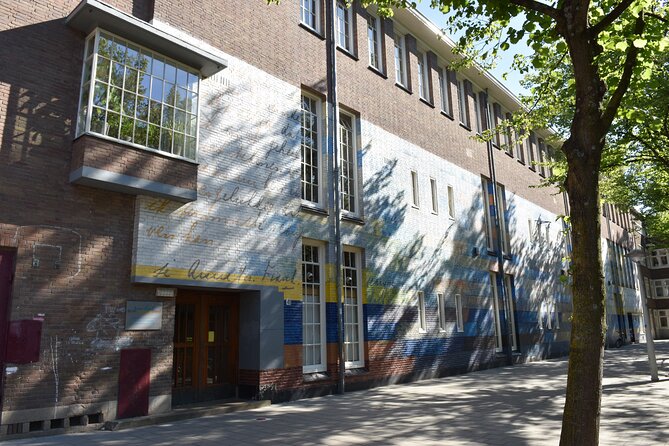
At Niersstraat 41–43, you’ll hear about Anne’s school. This location is described as a former 6th Montessori school.
This stop adds another education layer, distinct from Margot’s school earlier. It helps you see how schooling shaped day-to-day life for the sisters, and it reinforces the idea that the story is rooted in everyday routines, not only dramatic turning points.
Drawback to keep in mind: school locations can look like plain streetscape from the outside, so the experience depends on the guide’s explanation. If you like narrative context, you’ll do well here.
Stop 6: Rooseveltlaan 62 (The Bookstore and the Diary)
At Rooseveltlaan 62, the tour shifts from school and daily spots to the moment tied to Anne’s diary. This is the bookstore where her father bought the diary.
This stop is a big emotional pivot. A diary is not just a personal item; it’s the lens through which so much of Anne Frank’s voice reached later generations. Even without going into heavy detail here, the symbolism is clear: a purchase in ordinary circumstances connected to writing that would matter far beyond those days.
Stop 7: Lekstraat 61 (Synagogue and Stars for Clothes)
Next is Lekstraat 61, the synagogue where Jews bought stars for clothes.
This stop is heavier than the earlier ones, but it’s part of how the tour builds balance. It doesn’t just stay on family life and everyday moments. It also addresses the reality that identity markers became entangled with clothing and control.
If you prefer tours that connect personal story to historical pressure, this stop is one of the most important. Go in with patience—this is likely where the guide speaks with more gravity.
Stop 8: Hunzestraat 28 (House of Miep Gies)
At Hunzestraat 28, you’ll learn about the House of Miep Gies—an employee connected to Otto Frank and one of the helpers of the people in hiding in the Secret Annex.
This is the tour’s final emotional turn: the story isn’t only about Anne. It’s also about the people who supported others during the hiding period. Miep Gies is named directly, and that focus gives the story a wider moral map.
It also changes the pacing feel. Earlier stops are about where things happened; this one is about who helped make survival possible, based on the tour’s framing.
Stop 9: Back to Merwedeplein 61
The tour ends back at Merwedeplein 61. Because you return to the same meeting point, you can plan your next move without scrambling. It’s also useful if you timed a morning schedule and want a predictable finish.
How This Tour Complements Anne Frank House Tickets
Since this tour does not include an Anne Frank House entrance ticket, I’d treat it as a context pass. You’ll get a street-level understanding of the places connected to Anne Frank’s life—home address, schools, a diary-related bookstore, and locations linked to helpers.
That context can make a later visit feel less like a checklist and more like a coherent story you recognize. Even if you never go to Anne Frank House, the walk itself still gives you several key points of contact with the broader narrative.
If you do plan to visit Anne Frank House later, you’ll benefit from this tour’s focus on the lead-up and the surrounding neighborhood story. You’ll be better prepared for the emotional tone, and you’ll know what names and locations mean as you move through the experience.
What I Think Makes the Guide Work (and Why Reviews Mention Enthusiasm)
The tour’s success hinges on the guide. This experience includes a professional guide, and the tone is often described as friendly, professional, and enthusiastic, with strong focus on the family and historical context.
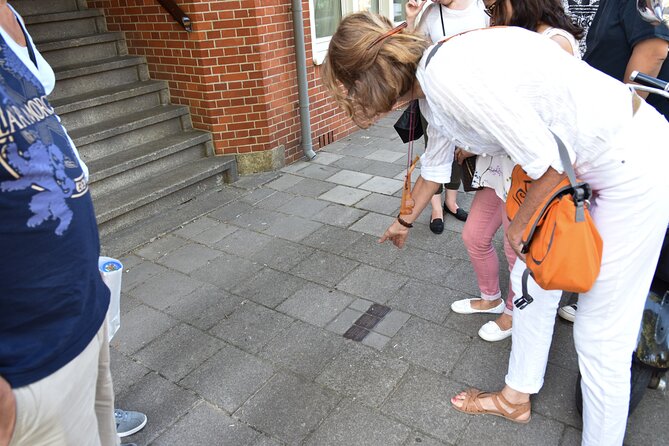
Here’s why that matters: the locations are sometimes subtle from the outside. A school building can look like any street structure. A business might have changed completely. A former ice cream salon can become something else entirely. Without clear guiding, you might just see addresses and plaques.
With the right guide, those addresses become story anchors—turning architecture and storefronts into meaningful checkpoints.
Who Should Book This Amsterdam Anne Frank Walking Tour
I’d steer you toward this tour if:
- you like learning history through real addresses instead of only museum panels
- you want a small-group experience that’s easier to hear and follow
- you’re interested in how Anne Frank’s life intersected with schools, everyday life, and the people connected to the hiding
- you want something short enough for a morning schedule (it starts at 9:00 am)
You might reconsider if:
- you have walking problems (it’s not recommended for limited mobility)
- you specifically want Anne Frank House admission included (it isn’t)
- you’re hoping for a long, deep museum-style visit (this is a walking tour, not an indoor experience)
Should You Book It?
Yes, if you want a focused, human-scale Anne Frank experience without committing to a separate museum visit that requires timed tickets. For the price of $17.75 and a roughly 1.5-hour duration, it offers a lot of “story per step,” especially because it’s capped at 15 and led by a professional guide.
Before you book, do two quick reality checks: first, plan on separate tickets if you want Anne Frank House. Second, be honest about your walking comfort, since this is a neighborhood walk with multiple stops.
If you’re ready for a story-driven stroll that stays grounded in Amsterdam’s actual streets, this is a strong buy.
FAQ
How long is the Anne Frank walking tour?
It lasts about 1 hour 30 minutes.
What language is the tour offered in?
The tour is offered in English.
What is the price per person?
The price is $17.75 per person.
How many people are in the group?
The tour has a maximum of 15 travelers.
Where does the tour meet and end?
It starts and ends at Merwedeplein 61, 1078 NC Amsterdam.
What time does the tour start?
The start time is 9:00 am.
Is a mobile ticket included?
Yes, it’s listed as a mobile ticket.
Does this tour include entrance tickets to Anne Frank House?
No, Anne Frank House entrance tickets are not included.
Is the tour suitable for people with walking problems?
It’s most suitable for most travelers, but it is not recommended for people with walking problems.
Can I cancel for a full refund?
Yes. You can cancel up to 24 hours in advance for a full refund.