REVIEW · AMSTERDAM
Amsterdam Red Light District tour with a private guide
Book on Viator →Operated by Trigger Tours · Bookable on Viator
De Wallen is more than neon. In this private 2-hour walk, I like the one-on-one guide who explains what you’re seeing and why De Wallen looks the way it does today. I also appreciate the history of De Wallen woven into the narrow-street stroll, so you leave with context, not just street names.
One possible drawback: the price is per group (up to 8), so if you’re traveling solo or as a small pair, it may feel pricey for a 2-hour wander. If you want zero talking and maximum freedom, a self-guided option might fit better.
In This Review
- Key highlights to know before you go
- What You’re Really Getting From a Private De Wallen Tour
- Price and Value: When $327.64 Makes Sense
- Meeting at Prins Hendrikkade: Getting There Without Stress
- Walking De Wallen: Narrow Streets, History, and the Current Situation
- The Dam and the Wooden-Pile City: Amsterdam’s Engineering Under Your Feet
- Pub The Ape (Int Aepjen): A 1540 Wooden Building That Survived
- Waag: From City Gate to Guild-Crafts Hub
- Smallest House of Amsterdam and the VOC Storage-to-Living Shift
- The Condom Shop Since 1987: How De Wallen Evolved Into Specialized Commerce
- How to Make It Work for Your Questions (Customization Tips)
- Practical Notes for a Smooth, Respectful Walk
- Should You Book This Amsterdam Red Light District Private Tour?
- FAQ
- How long is the Amsterdam Red Light District private tour?
- Is this tour private or shared with other people?
- What’s the group size and price?
- What language is the tour offered in?
- Where do we meet for the tour?
- Can I cancel for a full refund?
Key highlights to know before you go
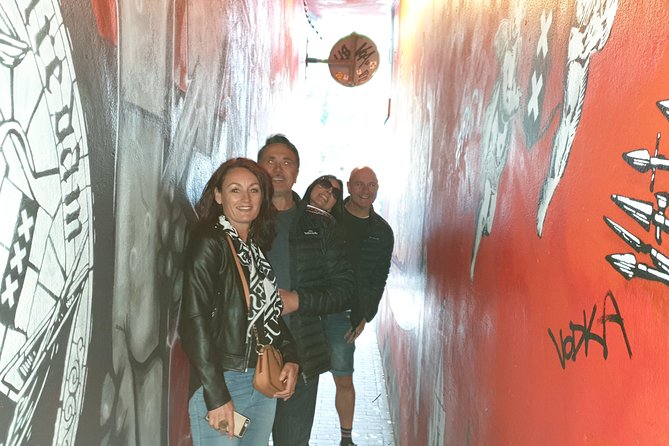
- Private and exclusive for your group: no joining strangers for this one.
- English-speaking guide: the tour is offered in English.
- Focused 2-hour route: enough time for multiple stops without turning it into an all-day commitment.
- Learn what you’re actually looking at: De Wallen’s history and the current situation.
- Old Amsterdam landmarks included: Waag, Pub The Ape, and the smallest house add variety.
- Mobile ticket included: convenient for your day-of plan.
What You’re Really Getting From a Private De Wallen Tour
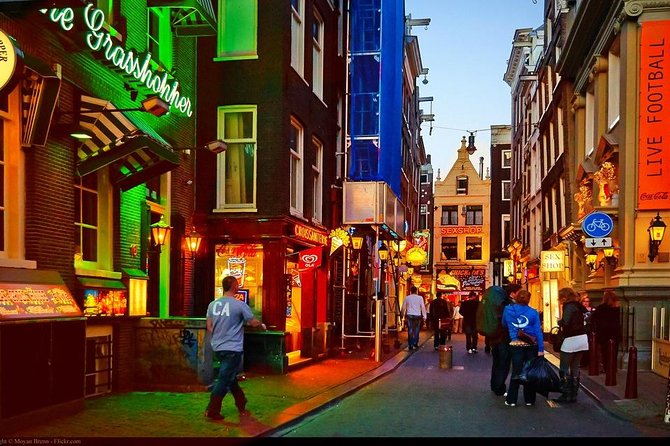
This isn’t a “pass by a few corners” experience. The point is to walk the De Wallen area with a private guide who can connect the street scene to the city around it—how Amsterdam grew, how rules changed, and how commerce (of all kinds) settled into the neighborhood.
The big value for me is that you don’t just hear facts. You get meaning. Your guide can point out what’s happening now, not just what used to happen, and that makes the whole district easier to read as you go.
The tour is also designed to be flexible. If you’re curious about social history, architecture, or how Amsterdam’s built environment works, you can steer the conversation in a way that matches your interests.
You can also read our reviews of more tours and experiences in Amsterdam.


Price and Value: When $327.64 Makes Sense
The tour costs $327.64 per group, for up to 8 people. That pricing model matters. If you’re traveling with a small group, you’ll feel it more. If you’re a group of 4–8, it starts to look like a reasonable way to buy time with a guide rather than spending your day piecing things together.
What you’re paying for is access to interpretation. De Wallen can be overwhelming if you don’t know where to look. A good guide helps you avoid the “I saw things, but I don’t know what any of it means” problem.
There’s also a practical angle: the tour is about 2 hours, so you’re not losing a half-day to planning and logistics. You can slot it into a busy Amsterdam schedule without turning your trip into a spreadsheet.
Meeting at Prins Hendrikkade: Getting There Without Stress
You meet at ParkBee Parking NH Collection Amsterdam Barbizon Palace, Prins Hendrikkade 59, 1012 AD Amsterdam. The good news is that it’s near public transportation, so you’re not forced into one mode of travel.
You also end back at the meeting point. That’s a small thing, but it helps a lot when you’re trying to keep the rest of your day simple.
The tour includes a mobile ticket. That’s helpful when you’re juggling museum entries and transit tickets later.
Walking De Wallen: Narrow Streets, History, and the Current Situation
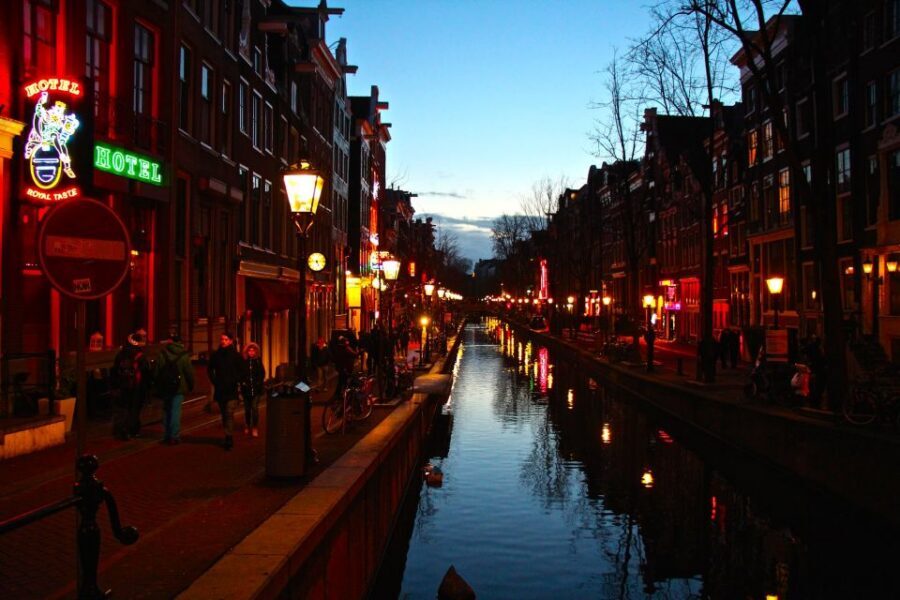
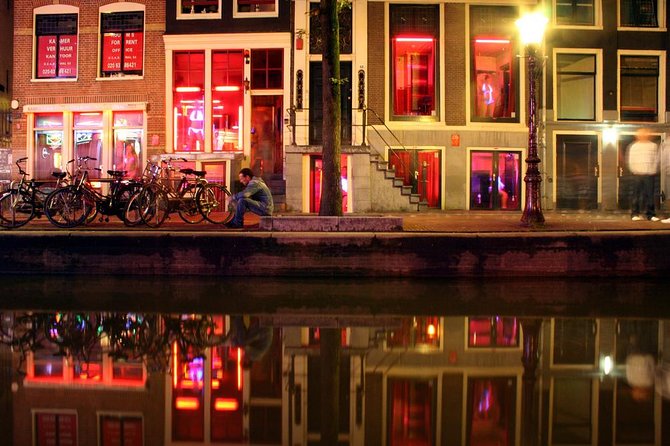
Your route starts with a walking pass through the Red Light District. You’ll go down narrow streets and see the sights people associate with De Wallen, but you’ll also hear the surrounding story—how the district developed and how things stand today.
This is where a private guide earns their fee. It’s not just that you’ll see more. You’ll see more usefully. Your guide can connect street corners to larger patterns in Amsterdam, like how older districts evolved and how the city handled changing social norms.
There’s also an important nuance. One caution from real-world experience: if you care a lot about legal or boundary details, it’s worth asking your guide what areas the walk will cover and how they handle sensitive spots. That kind of clarity can save you disappointment.
The Dam and the Wooden-Pile City: Amsterdam’s Engineering Under Your Feet
One stop shifts the focus from street life to the ground beneath the city. You’ll learn about Amsterdam as the city built on trees: the idea that because the soil is made of thick fen and clay, many buildings rest on wooden foundation piles.
The story is practical and surprising. Wooden poles are fixed down into a sandy layer roughly 11 meters deep. In other words, the city’s architecture is tied to the geology, and that’s a big part of why Amsterdam looks the way it does.
This is also one of the tour’s smartest moves. When you’re in a place like De Wallen, it’s easy to think only about what you see on the street. Learning the engineering behind the city gives you a different lens—how Amsterdam has always been a problem-solver.
You’ll also hear that this part of the Red Light District sits within the Old Town area. That makes it feel extra layered, since you’re standing in an older zone of the city where history is stacked close together.




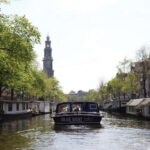

Pub The Ape (Int Aepjen): A 1540 Wooden Building That Survived
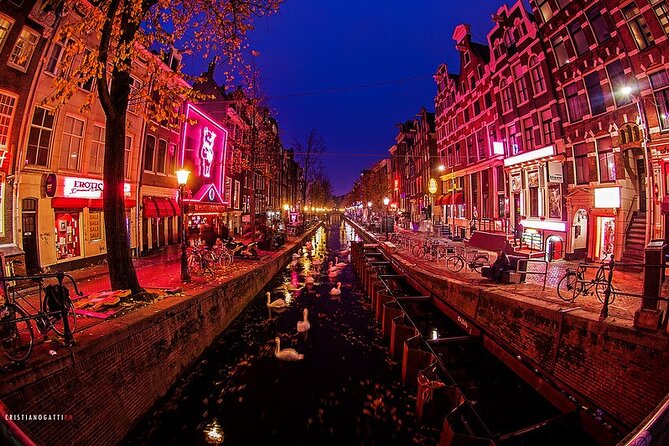
Then you hit a stop that feels like a time capsule. Pub The Ape—Int Aepjen—was built around 1540. Even better, it’s one of only two remaining wooden buildings in Amsterdam.
Why does that matter? Because the big city-wide fire in 1452 changed building rules. After that, the government decided that brick facades were the safer path. So when you see this structure, you’re looking at something that survived a turning point in how Amsterdam chose to build.
If you like architecture that has a story behind it, this stop delivers. It’s not just a pub break; it’s evidence that Amsterdam’s past isn’t locked behind museum glass.
Waag: From City Gate to Guild-Crafts Hub
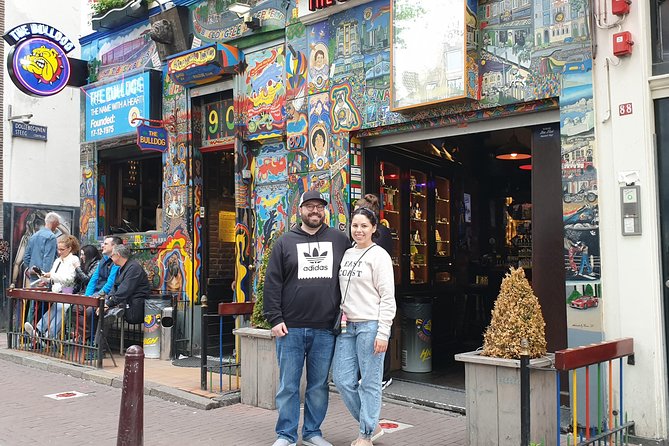
Next up is the Waag, originally one of Amsterdam’s city gates. It was built around the 1400s and is described as the second oldest building of Amsterdam.
The cool part is what happened after it stopped being a gate. The Waag later became a base for guilds and craftspeople’s organizations—places where skilled workers gathered and built their communities.
That shift is worth listening to as you walk. It helps you understand that Amsterdam wasn’t always organized around today’s attractions. Trade and craft shaped the city, and landmarks like the Waag mark that older social structure.
As a stop, Waag also balances the tour. You get a strong “old Amsterdam” moment that isn’t just about the district’s modern reputation.
Smallest House of Amsterdam and the VOC Storage-to-Living Shift
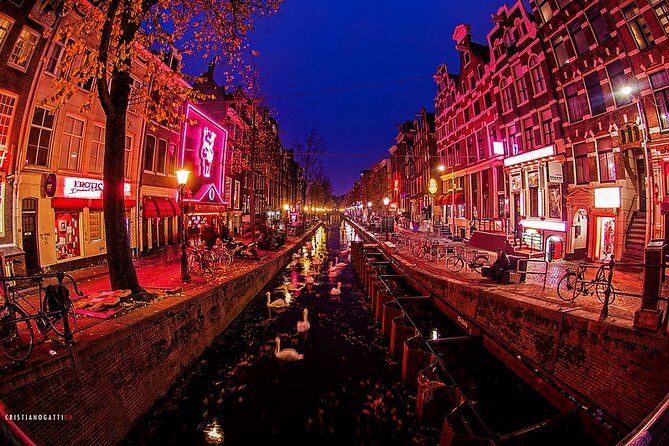
You’ll then hear about the smallest house of Amsterdam, built around the 1700s. At first, it served as storage for the VOC trading company.
Later, people began living in the house for a long time. That detail turns it from a fun fact into a real snapshot of city life—space mattered, trade mattered, and housing patterns could be tightly constrained.
This is a good stop if you like human-scale history. It reminds you that big economic stories show up in everyday choices, even when a building is tiny.
The Condom Shop Since 1987: How De Wallen Evolved Into Specialized Commerce
One final stop brings the tour into the district’s more modern commercial identity. You’ll visit a condom shop that’s claimed as the world’s first condom shop specialized for condoms, operating in this location since 1987.
The details are specific: you can get size customized condoms and other special condoms. It’s a reminder that De Wallen doesn’t just revolve around one industry. It also attracts businesses that serve the needs of the district.
Whether you find this part fascinating or just slightly awkward (normal reaction), it adds variety to the tour. It’s also practical context. If you’re trying to understand how the district functions today, you need to see the whole ecosystem, not just the most famous visual symbols.
How to Make It Work for Your Questions (Customization Tips)
Because the guide can tailor the experience, you should come with at least a couple of themes in mind. If you’re interested in street-level history, ask for that. If you’re more into buildings and old Amsterdam infrastructure, steer toward Waag, the wooden-pile city story, and the older structures like Pub The Ape.
I also recommend using the “2-hour reality check.” You won’t get everything. So choose what you want most:
- A guided explanation of what’s happening now in the district
- Architecture and old-city stories like Waag and the smallest house
- The engineering side, like wooden foundations and Amsterdam’s soil challenges
If you’re worried about sensitive boundaries, ask directly. A good guide should be able to tell you what areas you’ll walk and what kind of viewing is involved, so you’re not left guessing.
Practical Notes for a Smooth, Respectful Walk
This area is known for being sensitive. Keep your tone respectful and your questions thoughtful, and you’ll get more out of the experience.
Also, plan for walking in tight streets. You’ll be moving through narrow lanes and stopping at multiple points, so comfortable shoes are a smart call.
One more practical idea: treat this as an interpretation tour, not a “DIY replacement.” If you want to learn why the district looks the way it does and how Amsterdam’s past connects to the present, a guide helps you connect dots fast.
And if you’re someone who expects zero commentary, go in with the right expectations. Some people feel a guided tour is only worthwhile if the guide is saying something you care about—so choose based on whether you want context or just motion.
Should You Book This Amsterdam Red Light District Private Tour?
Book it if:
- You want a private guide for a short, focused 2-hour walk.
- You care about history and context, not just the headline sights.
- You like mixing De Wallen with older Amsterdam landmarks like Waag and Pub The Ape.
Skip or reconsider if:
- Your group is small and you don’t think the per-group price fits your budget.
- You’re hoping for a mostly hands-off stroll with minimal explanation.
- You’re particularly concerned about where a guide will and won’t take you, and you can’t get clarity ahead of time.
If you do book, I’d take a simple approach: arrive with questions, ask what to expect in terms of boundaries, and let the guide explain the stories behind each stop. That’s when the tour turns from a walk into a useful piece of Amsterdam.
FAQ
How long is the Amsterdam Red Light District private tour?
It lasts about 2 hours.
Is this tour private or shared with other people?
It’s private. Only your group participates.
What’s the group size and price?
The price is $327.64 per group for up to 8 people.
What language is the tour offered in?
It’s offered in English.
Where do we meet for the tour?
The start point is ParkBee Parking NH Collection Amsterdam Barbizon Palace, Prins Hendrikkade 59, 1012 AD Amsterdam, Netherlands. The tour returns to the meeting point.
Can I cancel for a full refund?
Yes. You can cancel up to 24 hours in advance for a full refund. If you cancel less than 24 hours before the start time, you won’t receive a refund.