REVIEW · AMSTERDAM
AMAZE Amsterdam: Immersive Audiovisual Experience
Book on GetYourGuide →Operated by AMAZE · Bookable on GetYourGuide
Lights can turn a gray winter day electric. AMAZE Amsterdam is a 50-minute, multi-sensory adventure in a legendary former nightclub, built around lights and lasers plus loud, room-filling sound. I love how quickly it gets you into the action, with surprises in nearly every turn and staff who keep things moving.
My second favorite part is the way you get pulled into the show instead of just watching it—especially in the mirror/photo and interactive rooms. The only serious drawback is that it uses smoke and includes strong visual effects, which can trigger discomfort or seizures for people with photosensitive epilepsy.
In This Review
- Key points worth your attention
- Entering AMAZE Amsterdam: a former nightclub, not a museum
- Room-by-room: lights, lasers, sound, smoke, and media art
- The opening sweep (where you get caught fast)
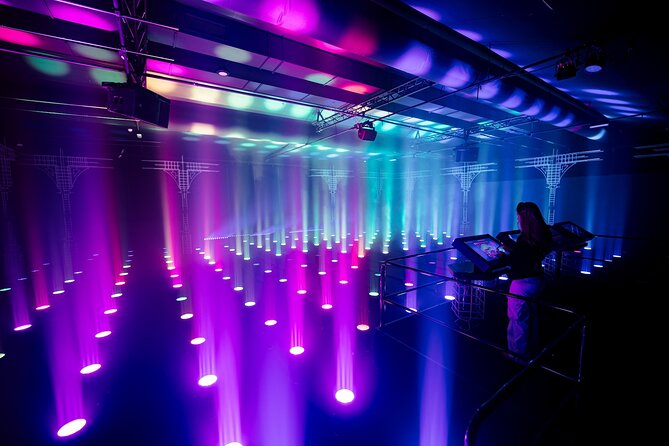
- Laser and light-heavy spaces
- Smoke and special effects you can feel
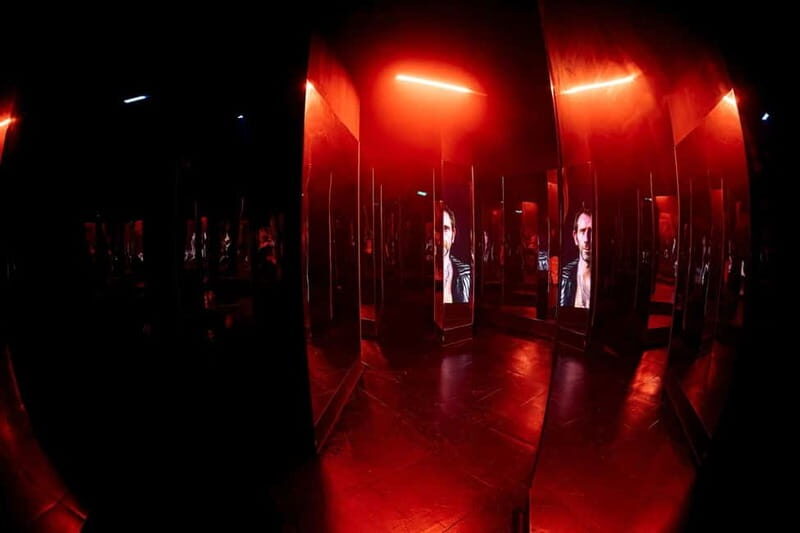
- Mirror/photo moments
- The swing room (a surprising, playful break)
- The confetti and music-play vibe
- What makes AMAZE worth your money (not just “cool lights”)
- Timing tips: how to plan it in a tight winter itinerary
- Groups, attention, and why you might feel included
- The practical rules: what you can’t bring and why it matters
- Comfort and safety: who should skip or plan carefully
- Location and getting back: plan your transport
- Staff, service, and the little details that change the day
- Who should book AMAZE Amsterdam
- Should you book AMAZE Amsterdam?
- FAQ
- How long does AMAZE Amsterdam take?
- Is AMAZE Amsterdam suitable for people with epilepsy?
- What camera or recording gear is allowed?
- Are pets or large bags allowed?
- Is there a bar or drinks available?
- Do children need to be accompanied by an adult?
Key points worth your attention
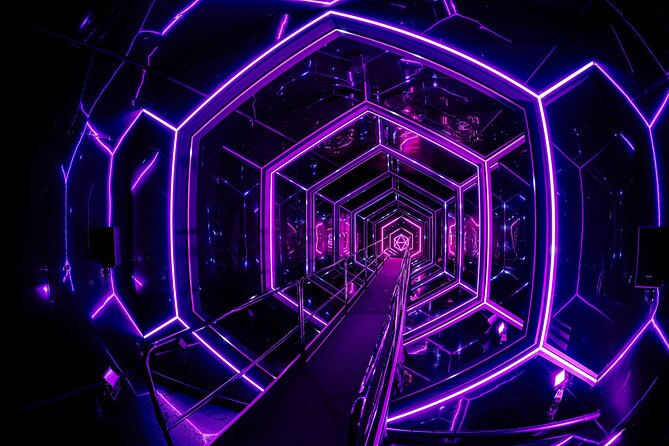
- Former nightclub setting: the vibe feels like you stepped into a different Amsterdam for an hour.
- Room-to-room tech: expect lights, lasers, sound, smoke, and media effects working together.
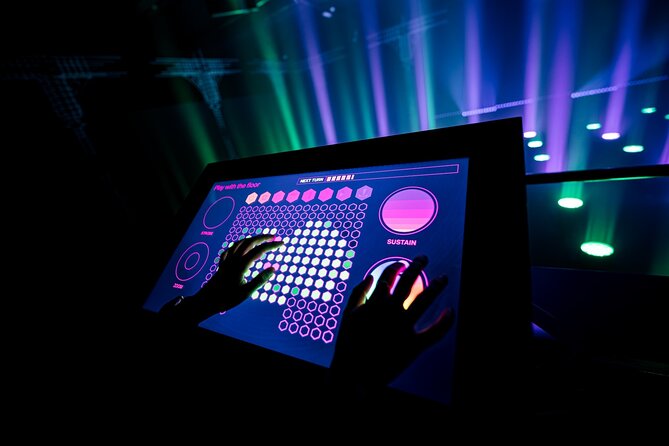
- Interactive moments: some rooms use your presence in the experience, not just your eyeballs.
- On-site bar/lounge: grab a drink before you start if you want the full night-out feeling.
- A short time commitment: plan around roughly 50 minutes, which makes it easy to fit into a tight winter itinerary.
- Not for everyone: photosensitive epilepsy and visual limitations are listed as reasons to skip.
Entering AMAZE Amsterdam: a former nightclub, not a museum
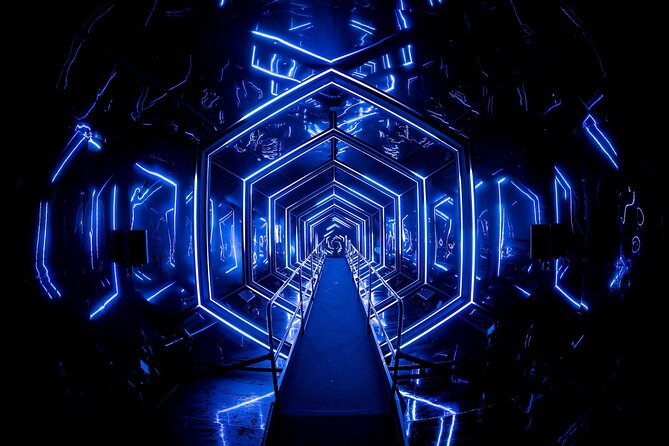
AMAZE Amsterdam is located in North Holland, and the first thing you notice is the attitude of the place. This isn’t a quiet gallery where you tiptoe. It’s a show space with energy, dim lighting, and that “you’re about to be part of it” mood.
After you check in, you’ll head into the experience in timed waves (so you’re not wandering for hours). Many sessions feel tightly paced, and the staff do a good job keeping the line from turning into a long wait. If you’re the type who hates uncertainty, this is one reason it’s an easy win: once you’re inside, the route becomes clear and the surprises keep coming.
There’s also an on-site lounge/bar area. Based on what I’ve seen other people do, you’ll get more out of the experience if you show up a bit early, order a drink, and let the venue set your mood before the lights start talking.
You can also read our reviews of more tours and experiences in Amsterdam.
Room-by-room: lights, lasers, sound, smoke, and media art
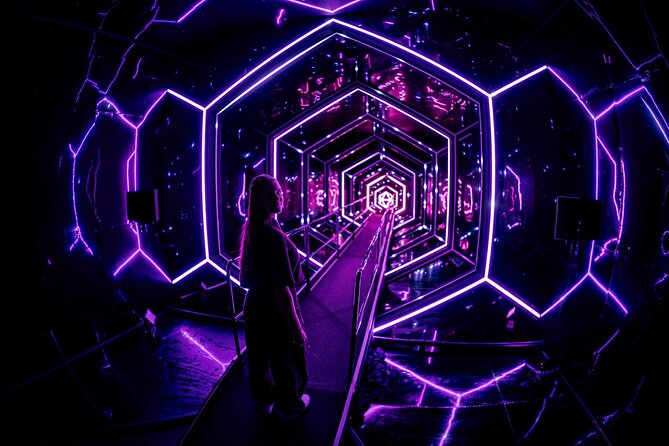
AMAZE works because it’s not relying on one trick. It’s a chain reaction of effects: light, sound, smoke, media art, and special effects that change how each room feels. Even if you’ve done other “immersive” attractions elsewhere, this one tends to land because the pacing and transitions keep your attention.
Here’s what to expect as you move through:
The opening sweep (where you get caught fast)
The early rooms tend to do two jobs at once. They set the visual style and they teach you how to react—move when you’re invited, look when something changes, and don’t overthink it. You’ll likely start noticing patterns in the lighting and audio cues. That’s the show’s way of telling you what to do next without a lecture.
Laser and light-heavy spaces
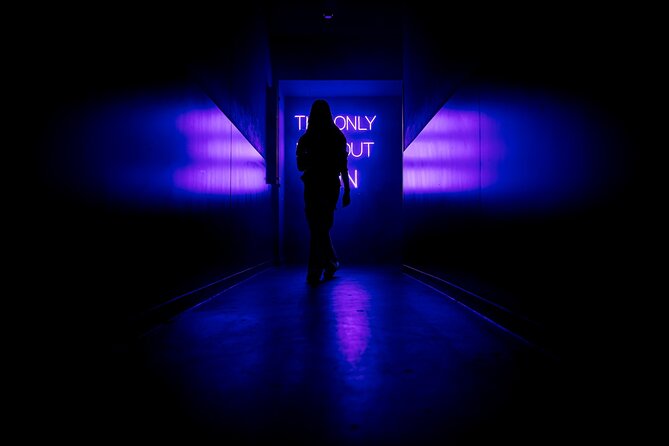
A lot of the standout comments focus on the laser and mirror/reflective rooms. The laser work matters because it adds depth. Flat walls start looking dimensional, and your brain starts trying to map what’s real versus what’s created by the projections.
If you’re a “I want good photos” person, this is where you’ll feel lucky you came. Just remember: the venue bans professional cameras, so plan to use a normal phone camera (and avoid any gear that looks like a professional setup).
Smoke and special effects you can feel
Smoke is used throughout, and you shouldn’t treat that as a detail. It’s part of the atmosphere and part of how the light looks. The flip side: if you’re sensitive to haze, smell, or breathing irritants, this is your main heads-up.
This is also where winter visitors sometimes misjudge the experience. You might show up thinking it’s purely visual. It’s not. The smoke adds a sensory layer that can be intense.

Mirror/photo moments
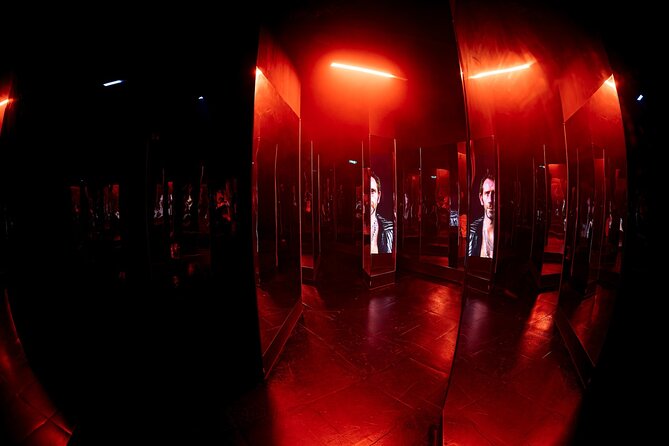
One room that people consistently mention is the mirror room where your photos can appear as part of the show. That turns a self-guided walk into something closer to a staged moment. It also explains why so many people leave with a story, not just pictures of light beams.
A practical tip: keep your phone handy, but don’t let it steal your focus. The best “caught-in-the-moment” shots happen when you’re paying attention to the timing.
The swing room (a surprising, playful break)
There’s a room often called out as the swing room, and it adds a different flavor. Instead of only watching effects, you get a physical, playful component. That makes a big difference if you’re visiting with friends or a partner—suddenly it feels like an activity, not only a show.
Even if you’re not a thrill seeker, it’s usually the type of moment that breaks the tension for people who take themselves too seriously.
The confetti and music-play vibe
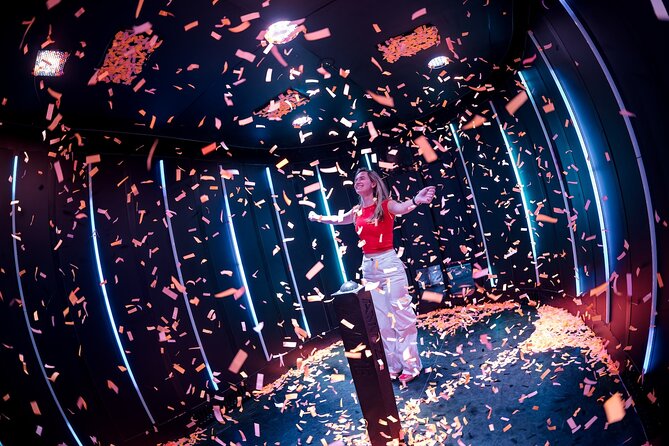
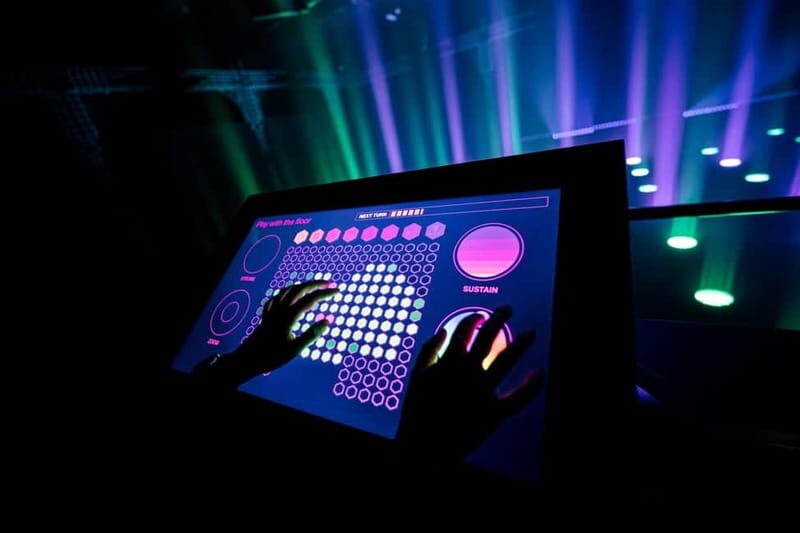
Another frequently praised highlight is the confetti room, which tends to be all about big energy and laughter. There’s also mention of a music play room—a space where the soundtrack and your participation feel linked.
If you’re going for that end-of-night “we should’ve done this sooner” feeling, these rooms are often the reason.
What makes AMAZE worth your money (not just “cool lights”)
AMAZE’s ticket price is listed as $23 per person, and it’s worth evaluating what you’re actually buying: about an hour of production-level audiovisual effects, in timed rooms, with interactive components.
A lot of paid attractions in Amsterdam are either:
- a long museum crawl with limited interactivity, or
- a big landmark visit where you pay and then you still have to supply your own fun.
Here, the product is the entertainment itself. You’re paying for the chain of rooms, the sound design, the light choreography, and the “I didn’t expect that” moments. In a winter schedule, that kind of concentrated value matters. You don’t need to spend half a day traveling between spots just to get one experience.
Also, the venue’s bar/lounge is part of the value. If you time it right, you can turn the session into a small night out instead of treating it like a quick stop.
Timing tips: how to plan it in a tight winter itinerary
AMAZE sessions run for about 50 minutes, and you’ll need to check starting times for your preferred slot. For planning, I’d treat it as an evening-friendly activity. The energy tends to feel more natural when the rest of the city is dimming down too.
That said, I’ve seen mixed advice on timing. Some people suggest going later in the day, and others like doing it earlier so it’s done before the night gets complicated. If you’re the type who wants drinks and a more party-style mood, pick later. If you prefer a calmer start, go earlier and keep your expectations realistic: it’s a loud, effects-heavy show either way.
A smart approach is to place it between other indoor Amsterdam time. Think: lunch and a walk, then AMAZE, then a warm drink afterward. It’s easier on your winter stamina.
Groups, attention, and why you might feel included
AMAZE is designed for small group flow. You don’t have to know anyone going in. You’ll usually experience it with your session group, and the staff guide you through without making you feel lost.
Here’s what that means for you:
- If you go solo, you’re still part of the event rhythm.
- If you go with friends or a date, you’ll likely end up reacting at the same moments (which helps the photos and the stories).
- If you’re visiting with family, it can be a solid way to keep kids interested because there are physical, visual, and music moments.
A fun detail from real visits: staff often help take photos of illusion moments. That’s handy if you’re traveling without a photographer who knows how to capture low-light visuals.
The practical rules: what you can’t bring and why it matters
Before you go, check the restrictions so you don’t lose time at the door. The venue lists several no-go items:
- pets
- luggage or large bags
- professional cameras
- plastic bottles
- glass objects
- flashlight
- explosive substances
- unaccompanied minors
Why this matters: they’re managing safety and cleanliness in a space filled with smoke and special effects. If you travel light, you’ll have a smoother entry and less stress.
Also, if you’re sensitive to smoke or flashing visuals, treat the rules as a warning system. The show uses effects that are part of the design, not optional add-ons.
Comfort and safety: who should skip or plan carefully
This is the section that decides whether AMAZE is right for you.
The activity notes that effects may cause discomfort and can trigger seizures for people with photosensitive epilepsy. It also explicitly says it is not suitable for people with epilepsy and not suitable for visually impaired people.
Smoke is used throughout, and the venue acknowledges it may cause discomfort. If you have asthma, breathing sensitivity, migraines, or strong reactions to haze, I’d be cautious.
Good news: the experience is wheelchair accessible, and there’s an option to bring a companion for free if you can’t navigate independently. If you’re traveling with someone who needs that kind of support, this makes the outing more realistic than it would be in a maze-like venue with no accommodations.
Location and getting back: plan your transport
Your biggest logistics question in Amsterdam winter is rarely the start time. It’s the getting back part.
Some people find the venue is quite out of the way, and they recommend booking an Uber or similar taxi to return. Others note that it can be reached by public transit. The takeaway: don’t assume it’s right around the corner from your hotel.
If you’re staying in a central neighborhood, consider saving a few minutes by mapping the route in advance. And if you’re going later in the evening, it’s smart to have a ride option ready so you’re not standing in cold wind with your coat on, waiting for a plan.
Staff, service, and the little details that change the day
What makes AMAZE feel friendly is the human touch. Many of the comments point to helpful, professional staff, and people describe being well looked after, including support with photos.
There are also mentions of the team handling early technical hiccups professionally. The vibe stays positive, and the staff don’t disappear when something doesn’t start perfectly on time. Even if a device or effect needs adjusting, the experience doesn’t feel abandoned. That matters, because audiovisual shows can’t run on autopilot.
Also, bar service is part of the atmosphere. Drinks are available, and having staff-bartender energy around you keeps the venue from feeling like a cold machine. You’re in a show space, but you’re still treated like a person.
Who should book AMAZE Amsterdam
AMAZE fits best if you want one thing: a high-impact activity that breaks the winter routine.
You’ll probably enjoy it if you:
- like music and sound design
- enjoy light and special effects
- want a short, ticketed experience that’s easy to schedule
- care about fun photos and interactive moments
- want a different kind of Amsterdam stop besides the usual big museums
You should think twice or skip if you:
- have epilepsy or are photosensitive
- have difficulty with visual navigation
- are strongly affected by smoke or haze
Should you book AMAZE Amsterdam?
Book it if you want a compact Amsterdam experience that feels like a night out. At $23 for about 50 minutes, you’re paying for production value, not a long self-guided walk. The room variety (lasers, mirror/photo moments, a playful swing room, confetti energy, and music-related spaces) gives you enough variety that you’re not bored halfway through.
Don’t book it if smoke and flashing visuals are likely triggers for you. In that case, the show’s very strengths are also the risks.
If you’re unsure, choose a time when you’re rested, show up a little early for the bar/lounge, and keep your expectations simple: this is about sound, light, and participation more than it is about Amsterdam history. For a winter evening, that trade works beautifully.
FAQ
How long does AMAZE Amsterdam take?
The experience runs about 50 minutes. Starting times vary, so you’ll want to pick the slot that matches your schedule.
Is AMAZE Amsterdam suitable for people with epilepsy?
No. The experience is listed as not suitable for people with epilepsy. It also notes that effects may cause discomfort and trigger seizures for those with photosensitive epilepsy.
What camera or recording gear is allowed?
Professional cameras are not allowed. The rules also mention no flashlights.
Are pets or large bags allowed?
Pets are not allowed. Luggage or large bags are also not allowed.
Is there a bar or drinks available?
Yes. There is a lounge/bar on site where you can get drinks before or around your session.
Do children need to be accompanied by an adult?
Yes. Children must be accompanied by an adult, and unaccompanied minors are not allowed.