REVIEW · AMSTERDAM
Amsterdam Urban Legend Scavenger City Game
Book on Viator →Operated by Urban Legends City Quest · Bookable on Viator
A box under canal house floors sounds strange—and smart. This Amsterdam Urban Legend Scavenger City Game turns the Amstel area into a live puzzle trail tied to mayor Coenraad van Beuningen and the House with the Bloodstains. You’re solving a story that starts with a mysterious 17th-century chest said to have been hidden beneath historic floorboards, and then letting the city guide you from clue to clue.
I really like the escape-room energy done outdoors, with hands-on tasks and problem-solving that keep your brain busy while you sightsee. Another big plus is the host interaction, including hints when you need them, plus a pace that usually lands around two hours even though it runs about 2 hours 30 minutes. The main thing to consider is that it’s a moderate-walking experience on real city surfaces, so wear grippy shoes and be ready for weather.
In This Review
- Key things to know before you start
- Why this Amsterdam urban legend game feels different
- Starting at the Amstel: the part that sets the tone
- The puzzle trail: what the route actually feels like
- Physical puzzles in the open air: lock picking and chemical reactions
- The inkblots moment: when the clues click
- Sightseeing without the lecture: canals, corners, and a story thread
- Weather, small kids, and real-life group needs
- Price and value: $29.50 for a story-led challenge, not just walking
- Who this Amsterdam game is best for
- Should you book this Amsterdam Urban Legend Scavenger City Game?
- FAQ
- How long is the Amsterdam Urban Legend Scavenger City Game?
- How much does the Amsterdam Urban Legend Scavenger City Game cost?
- Where does the game start?
- Where does the game end?
- Is this a private activity?
- Do I get a confirmation after booking?
- Do I need to print tickets?
- Is the activity near public transportation?
- Is there a fitness level requirement?
- Is free cancellation available?
Key things to know before you start

- Urban legend with a real backbone: the premise points to mayor Coenraad van Beuningen and the House with the Bloodstains.
- Outdoor escape-room style puzzles: observation, logic, and physical challenges along the route.
- Hands-on moments: you may tackle tasks like lock picking and chemical reactions.
- Inkblots puzzle included: one problem uses inkblots and gets a lot of praise for the payoff.
- Short city breaks built in: there’s time to pause and grab a terrace stop while you reset.
- You get help if you’re stuck: the host provides guidance when needed.
Why this Amsterdam urban legend game feels different
Most city games are either trivia marathons or smartphone scavenger lists. This one is closer to an escape room, but it’s staged across the canal-district streets rather than behind a single door.
The story hook is the star. You’re working through clues connected to a mysterious chest said to have been hidden under the floorboards of a historic canal house near the Amstel river. The letter-and-mystery setup links the legend to mayor Coenraad van Beuningen and the House with the Bloodstains, a name tied to his final days. That framing matters because it gives you a thread to follow as you move around, so you’re not just ticking boxes—you’re trying to understand what the clues mean.
One more smart touch: the game is built around urban legends and myths after research into the real stories behind them, then it adds an extra layer of imaginative twist for extra fun. That balance is great for a first-time Amsterdam visit because you get to learn while playing, not read a textbook at street level.
You can also read our reviews of more tours and experiences in Amsterdam.



Starting at the Amstel: the part that sets the tone
You’ll meet at Amstel in Amsterdam, and the activity finishes back at the same meeting point. That round-trip setup is more comfortable than out-and-back routes that leave you hunting for a tram after you’re done.
Before the puzzles start, the host typically gives an introduction that sets expectations and gets you moving. Based on what people say about the experience, the hosts are engaging and keep the energy up from the start. That matters more than it sounds. When the intro is good, you get your bearings fast—how the game works, what kind of thinking is needed, and when to ask for help.
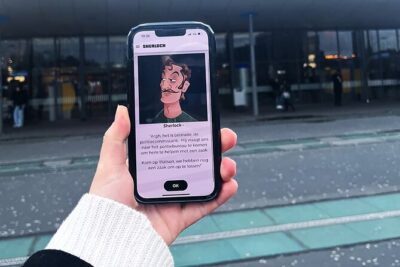
You’ll also want to mentally switch modes. This isn’t a slow walking tour where you listen. It’s an active game, so you’ll be looking closely at details, reading clues carefully, and interacting with puzzle elements as you go.
The puzzle trail: what the route actually feels like
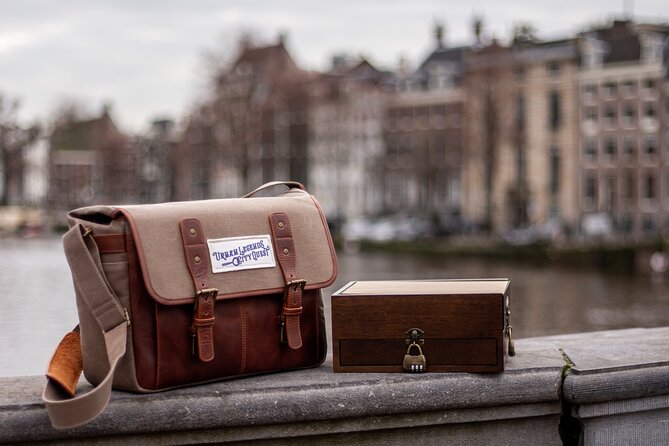
The game runs about 2 hours 30 minutes, but plenty of groups finish closer to two hours. That’s a helpful range to keep in mind when planning your day. If you’re the type who wants a relaxed pace with room for photos, you’ll likely hover nearer the longer end. If your group loves puzzles and keeps moving, you may wrap up early.
What I like about the pacing is that it’s designed to feel like a city walk plus “missions” rather than long, continuous problem-solving. Reviews point to a good mix of challenge types—logic, observation, and hands-on components—so you’re not stuck on one mental style the entire time.
Another thing people appreciate is that it’s not just wandering and guessing. The puzzles are set up so everything fits together puzzlewise, which reduces the frustration factor that can happen in DIY scavenger games. Instead, you’re rewarded for noticing and reasoning, and you can feel your progress as the story builds.
Physical puzzles in the open air: lock picking and chemical reactions
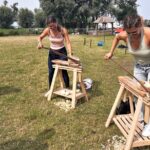
One of the most praised aspects is that the experience isn’t all paper-and-pen riddles. There are physical, hands-on puzzles that are surprising in a good way. People specifically call out challenges like lock picking and chemical reactions, which is exactly the kind of variety that keeps the game from feeling repetitive.
Why this matters for you: hands-on puzzles change the pacing of your thinking. If you get bored with pure logic tasks, physical puzzles can re-energize the group. If you love escape rooms, this gives you that same real-world feel—working mechanisms, testing ideas, and getting an outcome you can see.
That said, this also explains the moderate fitness note. You’ll be moving between puzzle points and performing tasks in outdoor/public spaces. You don’t need to be an athlete, but you should be comfortable walking through the city and spending a bit of time at each stop.
The inkblots moment: when the clues click
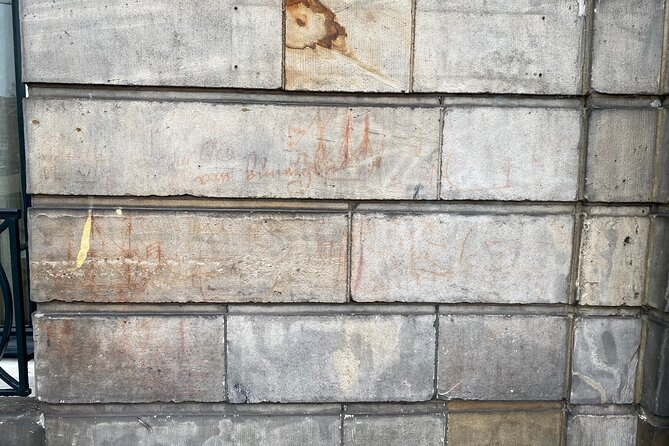
A standout puzzle involves inkblots, and it gets a special kind of praise. People describe it as challenging, then super cool once the intention becomes clear.
This is a big deal for your decision-making because it tells you the game design likely rewards careful reading and pattern-spotting. In other words, it’s not random difficulty. It’s the kind of puzzle where your group might feel stuck for a bit, then suddenly you see what the clue is asking for.
If you’re traveling with friends who prefer different strengths—one likes reading details, one likes solving, one likes experimenting—this kind of puzzle tends to give each person a role. The inkblots task, in particular, sounds like it creates a moment of shared “aha,” which is what makes these games fun in the real world.






Sightseeing without the lecture: canals, corners, and a story thread
Amsterdam is the kind of city where the streets already look like sets. The game uses that for practical sightseeing. As you solve clues, you also get a route through the city center, with multiple locations along the way.
There’s also a built-in rhythm that helps you enjoy the surroundings. Reviews mention not too much walking, plus opportunities to pause—especially to grab a terrace stop between missions. That’s a very Amsterdam way to recharge, and it turns the scavenger hunt into an actual outing rather than a nonstop sprint.
Just be honest about expectations. You won’t cover every neighborhood, and you won’t get a formal museum-style explanation at each corner. What you will get is a story-guided walk where the places you pass matter because they’re tied to the puzzle chain.
Weather, small kids, and real-life group needs
Because this is an outdoor activity, you should dress for weather. Even so, people report having fun in crappy weather, which suggests the game is designed to keep working even when conditions aren’t ideal.
There’s also a review noting the experience worked with a 2-year-old in a buggy, even with challenging weather. That doesn’t mean it’s an all-ages stroller-free-for-everywhere walk, but it does signal the route is manageable enough for families who need a little flexibility and prefer shorter legs of movement.
If your group includes someone who needs breaks, choose a day where you can slow down. The experience includes enough pacing to allow pauses, but you’ll still be moving between stops.
Price and value: $29.50 for a story-led challenge, not just walking
At $29.50 per person, you’re paying for more than a city walk. You’re paying for:
- a guided story setup tied to an urban legend (and connected to mayor Coenraad van Beuningen and the House with the Bloodstains),
- puzzle materials and hands-on elements,
- a host who can keep you going with hints,
- and a route that doubles as sightseeing.
Group discounts are mentioned too, which can help if you’re traveling with friends rather than as a solo player. Also, the mobile ticket format reduces friction—no paper ordeal.
Is it “cheap” compared to some attractions? Maybe not if you only care about checking off landmarks. But if you like interactive experiences—escape rooms, puzzle hunts, or learning through doing—this is solid value because you get about 2 to 2.5 hours of guided activity plus the city-walk component.
Who this Amsterdam game is best for
This experience seems made for people who want something different from the usual Amsterdam routine. I’d especially recommend it if you:
- like escape room-style challenges but want them outdoors,
- enjoy urban legends and want the story to guide your walk,
- prefer learning by solving rather than by listening for hours,
- want a fun group activity that still feels structured.
It’s also a good fit for first-time visitors who don’t have a ton of time to learn the city. You get practical familiarity with the canal area as you move, plus puzzle stops that encourage you to notice details you’d normally walk past.
Should you book this Amsterdam Urban Legend Scavenger City Game?
If your idea of a great day in Amsterdam includes puzzles, movement, and a story thread, I think this is an easy yes. The standout praises make it clear the puzzle design and host support are the core strengths, and the mix of logic plus physical challenges (like lock picking and chemical reactions) keeps it interesting.
I’d only hesitate if you dislike walking on uneven city surfaces, or if your group wants a mostly passive sightseeing experience. In that case, you might prefer a classic canal cruise or a guided museum day.
FAQ
How long is the Amsterdam Urban Legend Scavenger City Game?
It lasts about 2 hours 30 minutes.
How much does the Amsterdam Urban Legend Scavenger City Game cost?
The price is $29.50 per person.
Where does the game start?
The start point is Amstel, Amsterdam, Netherlands.
Where does the game end?
The activity ends back at the meeting point.
Is this a private activity?
Yes. Only your group will participate.
Do I get a confirmation after booking?
You’ll receive confirmation at the time of booking.
Do I need to print tickets?
No. The experience includes a mobile ticket.
Is the activity near public transportation?
Yes, it’s near public transportation.
Is there a fitness level requirement?
It’s described as suitable for travelers with a moderate physical fitness level.
Is free cancellation available?
Yes. You can cancel for a full refund up to 24 hours in advance.