REVIEW · AMSTERDAM
Anne Frank and the Jewish History of Amsterdam Private Tour
Book on Viator →Operated by Bespoke Amsterdam Experiences · Bookable on Viator
Anne Frank’s story is here in Amsterdam.
This private tour links the city’s Jewish past to the streets you’re walking now, with stops that run from synagogues to memorial walls and back to the Anne Frank House area. I like how it mixes serious WWII sites with real neighborhood landmarks you can still picture long after the tour ends. I also like that it’s truly private, so your guide can pace it to your questions.
Two standouts for me: the built-in Anne Frank House ticket plan (or VR backup), and the way the route threads through Amsterdam’s east and canal-adjacent areas, not just one monument. Another big plus is the included apple pie break with coffee or tea, which gives you a quick reset without losing the momentum.
One thing to consider: this is a walking-heavy, mostly outdoors route, and the memorial stops are emotionally heavy. If you’re coming on a rainy day or you hate standing around, plan for it.
In This Review
- Key highlights you can plan around
- A private 3-hour walk through Jewish Amsterdam and the city center
- Portuguese Synagogue and the Jewish Historical Museum: where you start to make sense of Amsterdam’s Jewish presence
- Dokwerker and the 1941 February Strike: a short stop with heavy meaning
- Hortus Botanicus and Plantage: using greenery and neighborhoods as part of the story
- Wertheimpark Auschwitz Memorial and the Holocaust Namenmonument: reading remembrance at walking pace
- Artis Zoo hiding stories, Dam Square landmarks, and the Westerkerk carillon
- Anne Frank House: what happens when tickets are available versus sold out
- Included food and how the route feels in real life
- Who this tour is for (and who might want a different style)
- Should you book this Anne Frank and Jewish History tour?
- FAQ
- FAQ
- What’s the duration of the tour?
- How much does the tour cost?
- Is this tour private or shared?
- Is Anne Frank House admission included?
- What about the Jewish Historical Museum admission?
- How much walking is involved?
- What language is the tour offered in?
- Is the tour refundable if I cancel?
- Can kids join, and is it suitable for service animals?
Key highlights you can plan around
- Private, 3-hour walking route through Jewish Amsterdam and central landmarks
- Anne Frank House access support: real tickets when available, VR if sold out
- Many stops are free outdoors, so you’re not constantly paying entrance fees
- A included apple pie break with coffee or tea during the walk
- Two kilometers of walking (about 1.5 miles), with lots of short photo-and-story stops
- Guides with strong storytelling you might meet, like Chris, Kayleigh, Inbal, Guido, or Kaleigh
A private 3-hour walk through Jewish Amsterdam and the city center
If you want your time in Amsterdam to feel focused, this tour is built for that. It’s a private walking experience (only your group), and it runs about 3 hours with a total walk of roughly 2 kilometers (1.5 miles). You’ll connect major sites tied to the Jewish community, Nazi occupation, and the lives affected around Amsterdam.
I especially like the mix of places: synagogues and museum spaces, memorials you can read slowly, and then the city’s everyday geography—Dam Square, Damrak-area streets, and the Westermarkt/Westerkerk zone. It gives you a sense of how these events were rooted in normal city life, not just in textbooks.
The price is $95.58 per person, which becomes more reasonable when you remember what’s included: your guide, a guided route with ticket help for Anne Frank House, and that apple pie + coffee/tea break. On a practical level, you’re also paying for someone to handle the timing and the sequencing, especially since Anne Frank House tickets can be hard to snag.
You can also read our reviews of more tours and experiences in Amsterdam.


Portuguese Synagogue and the Jewish Historical Museum: where you start to make sense of Amsterdam’s Jewish presence

The tour begins next to the Portuguese Synagogue of Amsterdam at Mr. Visserplein 3. Even if you don’t enter right away, you get that immediate wow factor—this building is gorgeous and it also represents a living Jewish community. Your guide then frames it in a way that makes the rest of the day easier to follow.
From there, you move toward the Jewish Historical Museum and JHM Children’s Museum, where you can see four Jewish synagogues displayed within the museum complex. Important money note: admission for this museum stop isn’t included, so you may want to budget for it if you plan to go in during your visit.
This early museum/synagogue pairing matters because it prevents the story from starting only at WWII. You’re building context first: Jewish life in Amsterdam had institutions, traditions, and community spaces long before the war shattered everything.
Dokwerker and the 1941 February Strike: a short stop with heavy meaning
Next comes Dokwerker, a quick stop where you’ll hear about the February strike against Nazi occupation in 1941. The time you spend here is brief, but it’s a key moment in the story because it shows how people responded, not only what happened afterward.
This part of the route works well if you like history that’s grounded in specific actions. It also sets a tone for what’s coming next: memorials and name-focused remembrance.
And because the stop is on foot and short, it doesn’t feel like the day turns into one long museum slog. It’s more like a sequence of carefully chosen scenes.
Hortus Botanicus and Plantage: using greenery and neighborhoods as part of the story
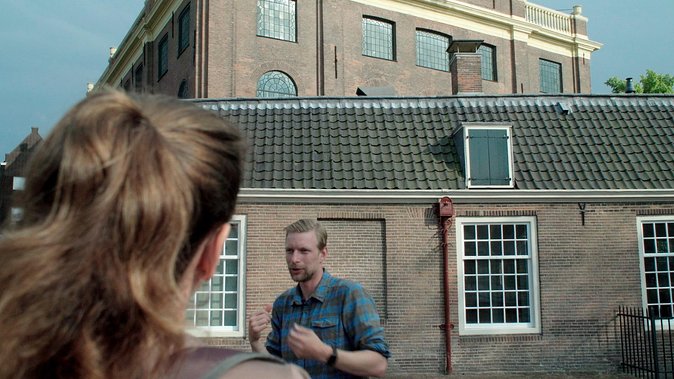
Not every stop is grim. You’ll pass Hortus Botanicus, one of Amsterdam’s oldest botanical gardens, and you won’t need an admission ticket for that pass-by moment. Even just walking past it helps your brain reset a notch after the WWII sections.
Then the tour shifts into Plantage & the East, an area people often associate with Amsterdam’s canals and classic city feel. You get about 30 minutes here, which gives you space to look around rather than just keep moving.
I like these sections because they prevent the day from feeling like history locked inside glass. Amsterdam is still Amsterdam—streets, parks, and daily routes included. When you’re learning about persecution and displacement, seeing the city’s normal layout nearby helps the events feel real and not distant.
Wertheimpark Auschwitz Memorial and the Holocaust Namenmonument: reading remembrance at walking pace
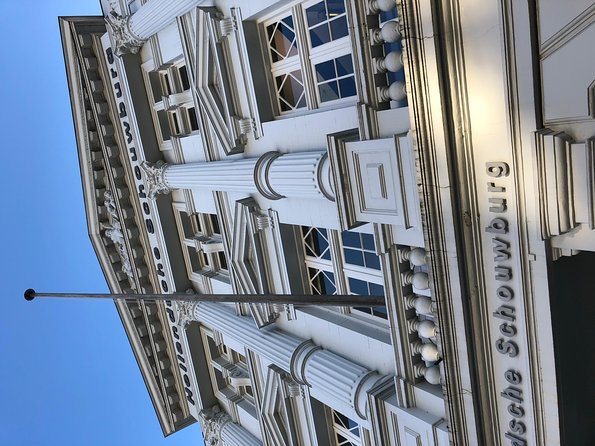
The tour includes a Holocaust Memorial Walk in Wertheimpark and then later a stop at the Holocaust Namenmonument. These are the kinds of places where your guide slows the story down so you can take it in without rushing.
At the Wertheimpark segment, you’ll be at an outdoor memorial linked to Auschwitz. After that, the Namenmonument is an interior stop where you can read about over 100,000 names of Jews who did not survive the Holocaust written on the walls. Admission is free for these stops, which helps keep the focus on what matters.
My practical advice here: wear shoes you can stand in comfortably and don’t try to “beat the emotions.” If you want to absorb the names, you need time in your body, not just in your phone.




Artis Zoo hiding stories, Dam Square landmarks, and the Westerkerk carillon
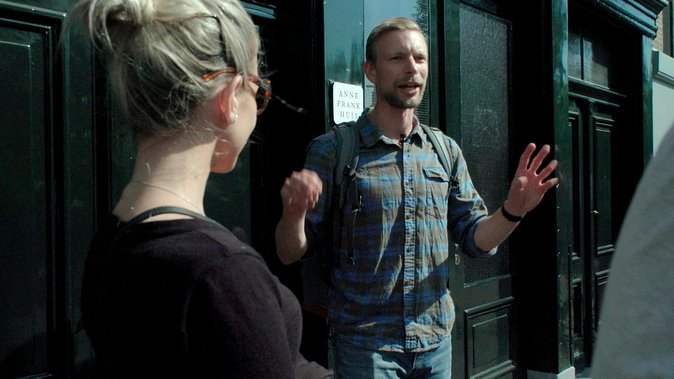
Around the halfway-to-late stretch, the tour moves into places that connect daily Amsterdam to the war years. At Artis Amsterdam Royal Zoo, you’ll learn about people who were hiding in the Amsterdam Zoo. The stop is short (about 5 minutes), and zoo admission isn’t included, so expect it more as a story stop than a full zoo visit.
Then you’ll walk through Dam Square, with quick landmark views like the Royal Palace and the Nieuwe Kerk area. This is a good “bridge” moment—going from memorial focus back into the city’s center so you can see Amsterdam as a whole.
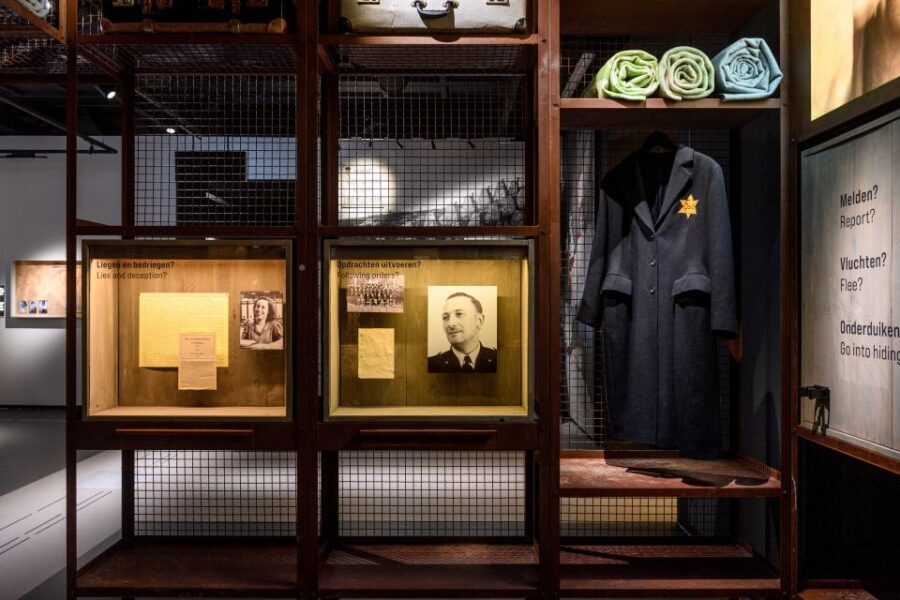
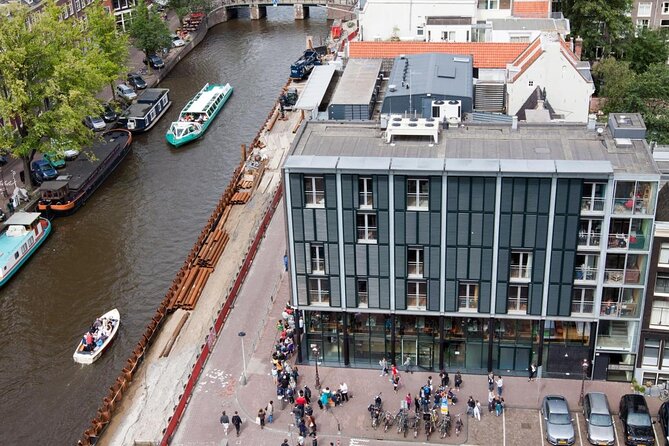
Next is Westerkerk, where you’ll walk around the church and tower area and learn about the view that Anne saw from her hiding place. You’ll also hear the carillon playing every 15 minutes, which is one of those details that makes the past feel oddly present—sound carries.
Anne Frank House: what happens when tickets are available versus sold out
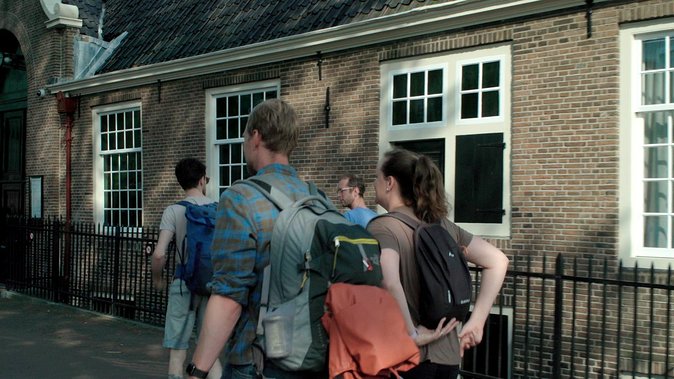
The tour ends at the Anne Frank House area, with a show-it-from-the-outside orientation plus the story that links the secret annex to the neighborhood and nearby Westerkerk. That outside context is helpful because it prevents the visit from feeling like a random ticket line.
Here’s the ticket plan that matters most for your planning:
- If you book 7 weeks or more in advance, the tour includes tickets to visit inside the Anne Frank House (subject to availability).
- If tickets are sold out, you won’t be left out. You’ll go “inside” using an included virtual reality (VR) simulation as an alternative.
That backup is a real value. You’re paying for access to the story, not just the promise of a ticket. It’s also why this tour tends to get booked early—Anne Frank House is one of those Amsterdam experiences that people treat like a must-do.
Included food and how the route feels in real life
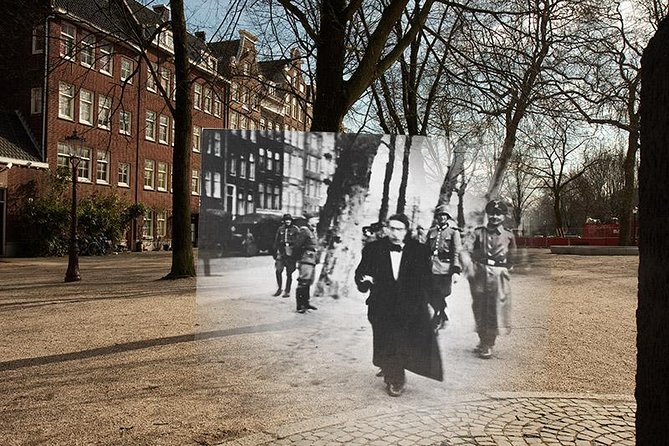
You’ll get one of Amsterdam’s famous comfort-food moments: apple pie with coffee or tea included as part of the tour. In cold weather or rain, that kind of pause helps the day feel humane. It also gives you a chance to warm up without skipping the history.
There’s also an optional tram ride included. I like this because it lets your guide reduce some walking time when you need it, while keeping the overall route efficient.
As for pace, the structure is built from short stops: sometimes 5–10 minutes, sometimes longer blocks like Plantage at 30 minutes. It’s active enough to feel like you’re seeing Amsterdam, not passive like a bus tour. Still, it’s a lot to absorb emotionally, especially once you reach the memorial segments.
What to bring: comfortable shoes, a layer for weather changes, and a small amount of patience. The route covers about 2 kilometers, but the mental load is bigger than the distance suggests.
Who this tour is for (and who might want a different style)
This tour fits best if you want history with direction. I think it’s ideal for first-timers to Amsterdam who don’t want to stitch together Jewish history stops on their own. It’s also strong for people who want to understand the WWII years in Amsterdam without turning the day into one long exhibit at a time.
You’ll likely enjoy it even more if you like a guided format where you can ask questions. The guides who have led this experience include people like Chris, Kayleigh, Inbal, Guido, Kaleigh, Martina, Manoek, Ester, and John—and the common thread in their storytelling is clear pacing and a strong connection between places and events.
Kids can join from 10 years and older, which means families with older teens often fit the tone well. That said, the memorial stops are serious, so you’ll want to judge what your family can handle.
Should you book this Anne Frank and Jewish History tour?
Book it if you want a guided route that connects Amsterdam’s streets to the Jewish story and the WWII years, with Anne Frank House handled for you through tickets or VR backup. At $95.58 per person, the value is strongest because the tour is private, includes your guide, includes the apple pie break, and solves a major scheduling problem with Anne Frank House access.
I’d skip it (or consider a different option) if you need a light, casual sightseeing day only. This is a walk through memorial spaces and names, so it’s not meant to be upbeat.
If you do book, one smart move is planning ahead. Since Anne Frank House tickets can be sold out, booking early gives the best chance for the inside visit rather than the VR alternative.
FAQ
FAQ
What’s the duration of the tour?
The tour runs about 3 hours.
How much does the tour cost?
It’s priced at $95.58 per person.
Is this tour private or shared?
It’s private. Only your group participates.
Is Anne Frank House admission included?
Yes, the tour includes assistance with Anne Frank House ticket purchase subject to availability. If tickets are sold out, you’ll get the included virtual reality simulation alternative.
What about the Jewish Historical Museum admission?
Entry to the Jewish Historical Museum (Joods Historisch Museum) is not included.
How much walking is involved?
You’ll walk about 2 kilometers (1.5 miles).
What language is the tour offered in?
The tour is offered in English.
Is the tour refundable if I cancel?
No. The experience is non-refundable and cannot be changed for any reason.
Can kids join, and is it suitable for service animals?
Kids can join from 10 years and older, and service animals are allowed. The meeting area is near public transportation.