
REVIEW · LEIDEN
Leiden: Hortus botanicus Leiden Entry Ticket
Book on GetYourGuide →Operated by Hortus botanicus Leiden · Bookable on GetYourGuide
Old trees and global plants, one ticket. Hortus botanicus Leiden is the Netherlands’ oldest botanical garden, set up for a relaxed, self-paced visit through plants from around the world. I especially like the story thread—from the garden’s 1590 founding to the area where early tulips in Europe were grown.
I also love how many different “plant worlds” you get in one ticket. You’ll move from a glasshouse setting (Clusius Garden) to Southeast Asia-style collections like orchids, then on to carnivorous plants.
One thing to plan for: not every season is equally flashy outdoors. If you’re visiting outside peak bloom, you may end up spending more time inside the glasshouses than you expected.
In This Review
- Key things to notice before you go
- Why Hortus botanicus Leiden feels different from other gardens
- Enter through the front gate and start with the 1590 garden story
- Front Garden, Clusius Garden glasshouse, and the Japanese Garden link
- Southeast Asia plants, orchids, and the feeling of different climates
- Carnivorous plants and endangered trees you can actually stand under
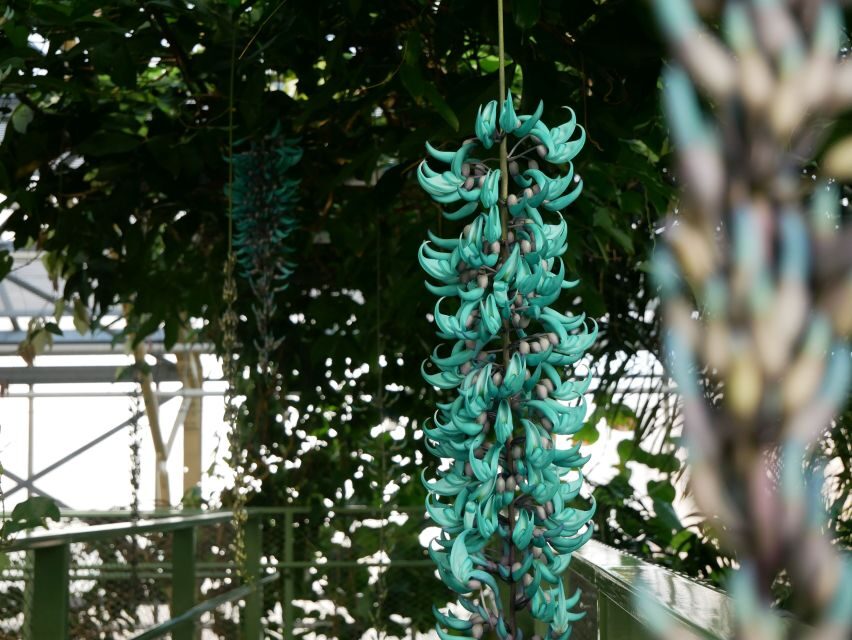
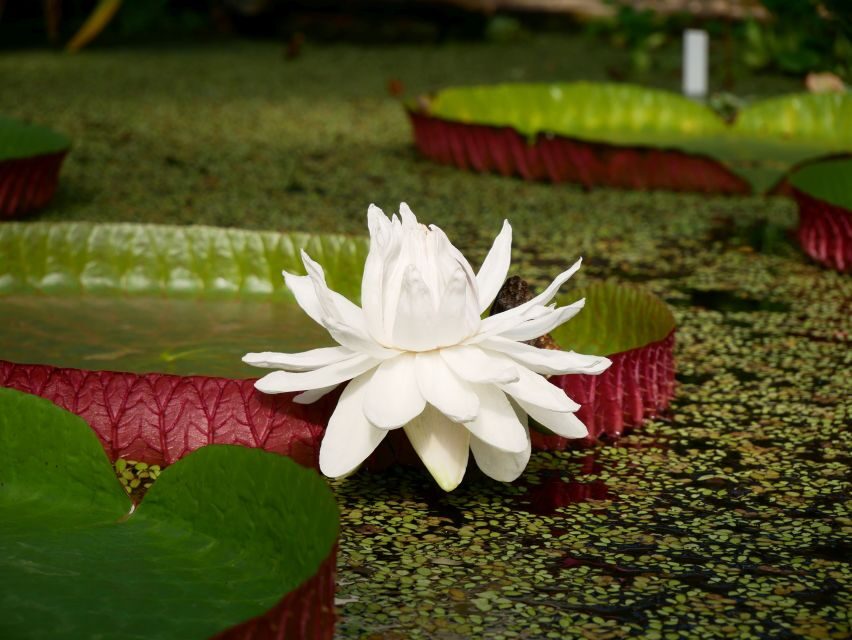
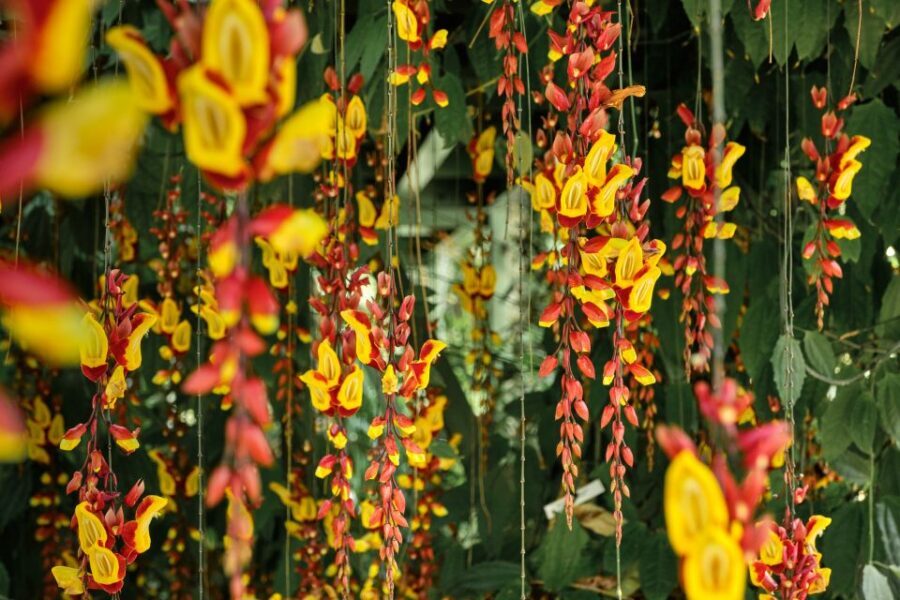
- Seasonal favorites: Jade Vine, Victoria amazonica, Chinese Lotus
- Weather-smart strategy: how to make rainy days still worth it
- Value and price: is $14 for 1.5 hours a fair deal?
- A smooth game plan for your visit
- Should you book the Hortus botanicus Leiden entry ticket?
- FAQ
- How long does the Hortus botanicus Leiden visit take?
- Where is the botanical garden located?
- Is food and drinks included with the ticket?
- What is included in the entry ticket?
- Is the garden wheelchair accessible?
- What languages are available for the host or greeter?
- Can I reserve and pay later?
- Is there free cancellation?
Key things to notice before you go
- The 1590 founding: you’re walking through a garden with deep roots in Dutch botany
- Tulip origins in Europe: there’s a specific connection to early tulip growing
- Clusius Garden glasshouse: the newest-feeling indoor space helps when weather turns
- Japanese Garden and plant exchange: you can see the connection between Japan and the Netherlands
- Carnivorous + tropical + seasonal: it’s not one theme, it’s a whole botanical mix
- Nearly 30 old trees: many are over a century old, so the garden has real backbone
Why Hortus botanicus Leiden feels different from other gardens
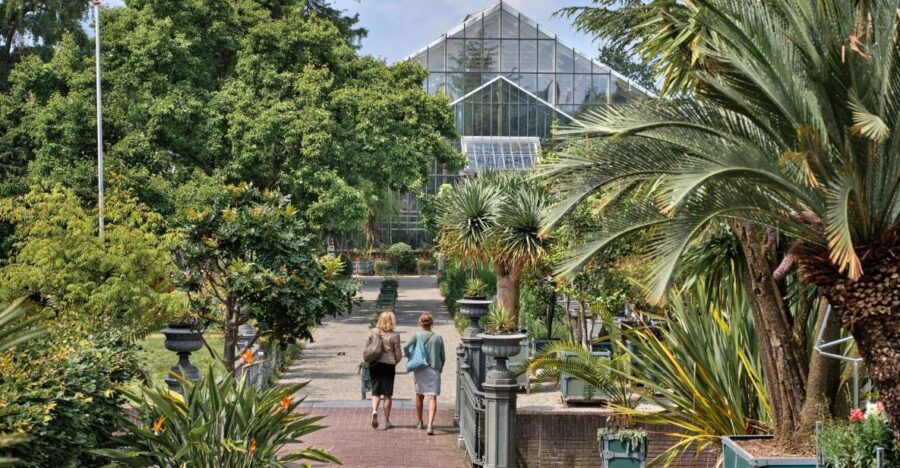
Botanical gardens can sometimes feel like “pretty plants, lots of labels.” This one feels more like you’re stepping into a living museum with a point of view. Hortus botanicus Leiden brings together global plant collections, historical Dutch gardening, and outdoor scale—especially thanks to its older trees.
The big practical win is pacing. Your visit is built for about 1.5 hours, and you explore on your own pace after exchanging your ticket at the front gate. That means you can linger where you care, instead of being rushed through.
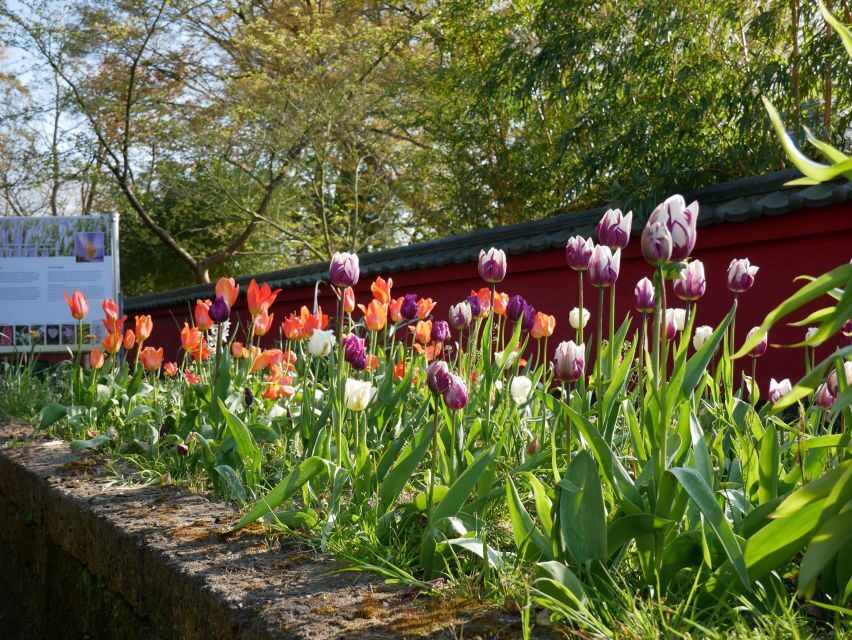
And yes, it helps that the collections are designed to work across seasons. In spring you’ll catch flowering bulbs. In autumn you can slow down under the colorful, long-established trees. If the weather is rough, the garden’s glasshouses keep things interesting.
You can also read our reviews of more tours and experiences in Leiden.



Enter through the front gate and start with the 1590 garden story
The visit starts right at the front gate, where you exchange your entry ticket. That matters because the experience is not timed like a guided tour—you’re free to structure your walk.
From there, you’ll head into the historical heart of the garden, founded in 1590. This is where the garden’s identity gets clear: it’s not only about plants, it’s about the history of plant collecting and growing in the Netherlands.
One highlight is the connection to early tulips in Europe. The garden includes the area where the first tulips in Europe were grown. Even if you know tulip history already, seeing it in the setting where it actually happened (or at least is commemorated within the garden layout) makes it feel more concrete.
Front Garden, Clusius Garden glasshouse, and the Japanese Garden link
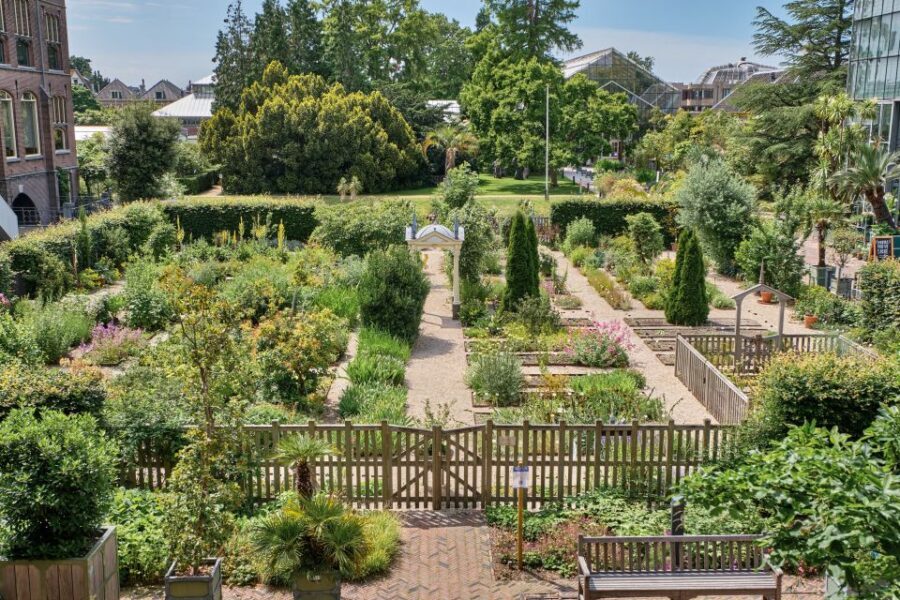
Next, you’ll move through several garden “rooms,” each with a different focus. In the Front Garden, you can get your bearings fast and spot how the layout flows from open beds to more protected areas.
Then comes the Clusius Garden with its recently built glasshouse. Glasshouses aren’t just architectural features here—they’re your shelter plan when the weather isn’t cooperating. One reason this garden works so well in months when conditions are gray and wet is that the glasshouse sections keep the experience comfortable and visually active.
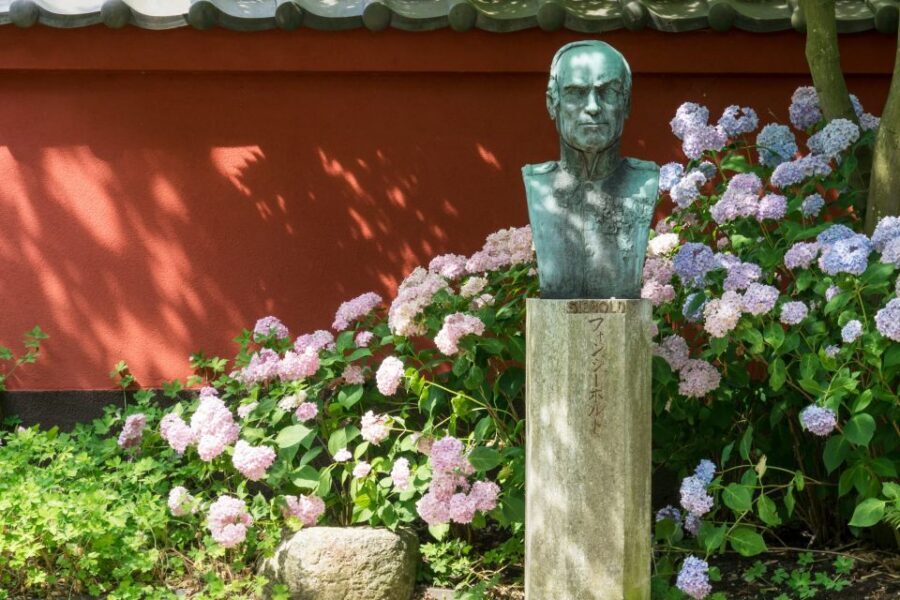
After that, don’t miss the Japanese Garden. It’s specifically designed so you can admire the historical exchange of plants between Japan and the Netherlands. That theme adds meaning to what you’re seeing: you’re not just looking at pretty specimens, you’re watching a story of how cultures traded living plants.
Southeast Asia plants, orchids, and the feeling of different climates
The garden’s collections shift gears as you walk from Dutch historical spaces toward plants that evoke other regions. A big part of what you’ll see is inspired by Southeast Asia, especially through tropical orchids and related collections.
This is where the garden becomes a little “science-y” in the best way. Orchids tend to reward attention. You’ll likely find yourself slowing down to examine how they’re arranged and labeled, and how the garden blends indoor glasshouse conditions with outdoor layouts.
If you’re the kind of person who enjoys themes—like a jungle corner without having to travel thousands of miles—this part lands well. You get that change of atmosphere without leaving the grounds.
Carnivorous plants and endangered trees you can actually stand under
One of the most memorable combinations here is the mix of carnivorous, tropical, and seasonal plants. Carnivorous plants can feel like a novelty until you see them alongside everything else. Here, they work as a contrast to the “tropical lush” you might expect from orchids and warm-climate collections.
Alongside that, you’ll find trees and plants that are endangered worldwide. That’s a heavier note than you’d get in many ornamental gardens. It turns the walk from “nice plants” into “plants worth protecting,” even if you only take in it for a few minutes at a time.
And then there are the trees. You’ll want to look up. The garden includes a collection of almost thirty trees, with many that are over a century old. In a place like this, the old trees do more than add shade. They shape the whole mood of the visit, turning a short botanical stroll into a slower, more reflective walk.






Seasonal favorites: Jade Vine, Victoria amazonica, Chinese Lotus
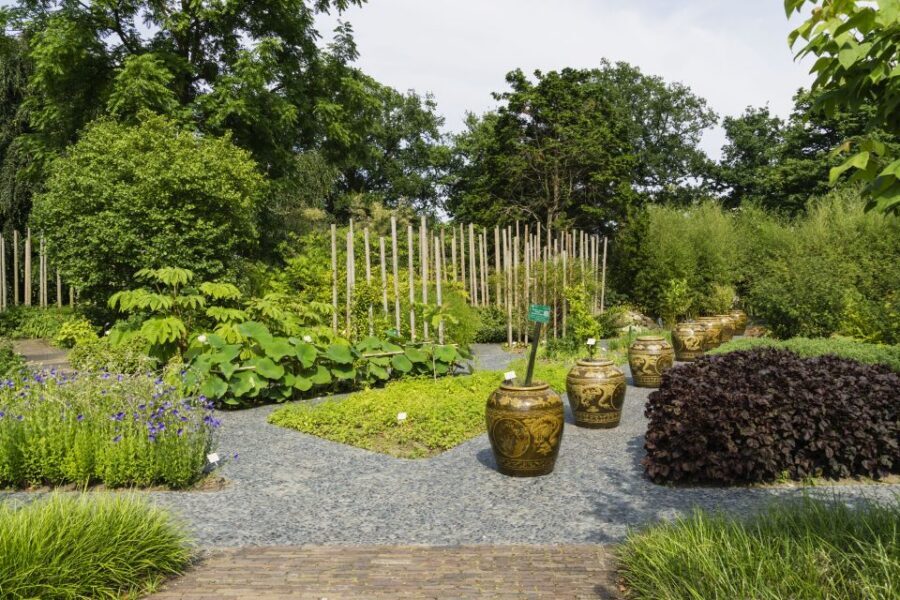
If you can time your visit, the garden’s seasonal plants are a fun reason to plan around the calendar. Here are three specific ones to look for:
- Jade Vine flowers in March–April
- Victoria amazonica flowers June–September
- Chinese Lotus flowers in July
Even if you visit when one of these isn’t in bloom, knowing what the garden is designed to showcase helps you understand what you might be missing—or what you’ll catch on a return trip. It also makes your walk feel more like “checking in on living cycles” instead of just admiring static displays.
This is also where the seasonal tradeoff becomes real. Outdoors can be less dramatic outside bloom windows. When that happens, the glasshouses and protected areas become your best bet for consistent visual interest.
Weather-smart strategy: how to make rainy days still worth it
Let’s be honest: the Netherlands can throw down some heavy weather. The good news is that this garden doesn’t leave you stuck. The glasshouses provide shelter during downpours, so you can keep moving even when outdoor paths feel less inviting.
Here’s the practical way to use that: if the day is wet, plan to spend more time in the indoor sections such as the Clusius Garden glasshouse. If it’s dry, you can enjoy the outdoor monumental trees without rushing.
That flexibility is one reason the garden works across seasons. Spring brings bulbs. Autumn brings those older trees in full mood. Any other time of year can still be rewarding, as long as you lean into the indoor plant spaces when needed.
Value and price: is $14 for 1.5 hours a fair deal?
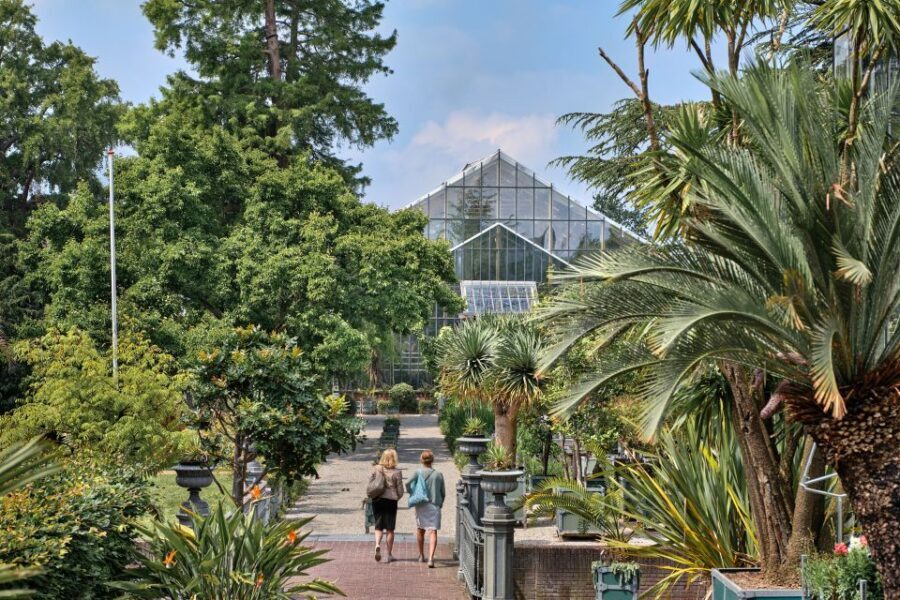
At about $14 per person, the ticket price can feel reasonable once you think about what’s included: entry to the botanical gardens themselves.
You’re paying for three things at once:
- A historic setting dating back to 1590
- Collections spanning global climates (especially Southeast Asia-style orchids)
- Several distinct garden areas, including glasshouse and seasonal plant highlights
For a visit around 1.5 hours, that’s good value if you like plants and enjoy reading labels when they actually matter. If you’re looking for a hands-off, “only scenery, no details” outing, you might feel like you’re working too hard to find the wow. But if you enjoy noticing plant textures, growth habits, and seasonal cues, the price tends to make sense fast.
And one more value angle: the garden includes a Grand Café and a souvenir shop. Food and drinks aren’t included in the ticket, but you can plan a stop afterward without scrambling for nearby options.
A smooth game plan for your visit
Because you’re exploring on your own pace, you can turn the garden into a personal route. Here’s a simple strategy that works well.
Start with the historical areas so the 1590 setting and tulip connection sink in. Then branch into the Front Garden and move toward the Clusius Garden glasshouse, especially if the weather is questionable. After that, spend time where the collections mix—orchids and tropical plants, then carnivorous plants—before finishing by looking up at the old trees.
Finally, if you’re curious about what’s next to pick up for home, stop by the souvenir shop. I always like keeping a small reminder tied to the plants I saw, not just the city I visited.
Should you book the Hortus botanicus Leiden entry ticket?
I think you should book this ticket if you want a compact, high-impact botanical visit—history plus living collections, all in about 1.5 hours. It’s especially worth it if you enjoy orchids, carnivorous plants, or seasonal blooms like Jade Vine, Victoria amazonica, or Chinese Lotus.
Skip it only if your idea of a garden is mostly “walk and pose.” This place rewards attention—labels, plant types, and the contrasts between outdoor trees and glasshouse collections. If you’re that kind of visitor, you’ll likely enjoy it more than you expect.
If you have flexible plans, check your timing for availability and starting times since it’s valid for 1 day.
FAQ
How long does the Hortus botanicus Leiden visit take?
The experience is designed to take about an hour and a half.
Where is the botanical garden located?
It’s in South Holland, Netherlands.
Is food and drinks included with the ticket?
No. Food and drinks are not included.
What is included in the entry ticket?
The ticket includes entry to the botanical gardens.
Is the garden wheelchair accessible?
Yes, it’s listed as wheelchair accessible.
What languages are available for the host or greeter?
Dutch and English.
Can I reserve and pay later?
Yes. You can reserve now and pay later.
Is there free cancellation?
Yes. You can cancel up to 24 hours in advance for a full refund.