REVIEW · AMSTERDAM
Private Anne Frank tour with canal cruise
Book on Viator →Operated by Trigger Tours · Bookable on Viator
Amsterdam’s story runs from synagogues to water. This private, short-form tour packs Jewish Amsterdam and Holocaust-era context into a guided route with focused stops and an included canal cruise where the city looks completely different. I like that the guide keeps the big themes clear, and you’re not stuck in one museum room—you’re moving through the places that shaped the story.
One big consideration: despite the name, Anne Frank House entry is not included, and the tour content centers on the wider Jewish community and deportation/resistance sites. If your main goal is Anne Frank House tickets and access, plan that part separately and double-check what you’re actually getting.
In This Review
- Key things that make this tour worth your time
- Private guide energy in Amsterdam: where the 3 hours actually go
- Starting point at Amstel 51C: your meetup and the feel of the route
- Portugese Synagoge: Sephardic Amsterdam in a living place of worship
- Auschwitz Monument and Hollandsche Schouwburg: how the tour talks about deportation
- Verzetsmuseum Amsterdam and De Plantage: resistance and the neighborhood context
- Spinoza Monument: bringing philosophy into the route
- Dam Square and De Schaduwkade: closing the day with central landmarks
- Amsterdam Canal Ring cruise: why the 1-hour segment matters
- Price and value: what you’re paying for at about $177.73 per person
- Who this tour suits best (and who should be careful)
- Should you book this Private Anne Frank tour with canal cruise?
- FAQ
- How long is the tour?
- Is this a private tour?
- What language is the tour offered in?
- What’s included with the tour?
- Does the tour include entrance to the Anne Frank house?
- Where does the tour start?
- Can I cancel for a full refund?
- Is a mobile ticket used?
Key things that make this tour worth your time
- A true private format for your group: only your party joins the guide, so questions are welcome and pace stays comfortable.
- Short but packed route: about 3 hours, with many quick stops and a long enough canal segment to reset your senses.
- Sites that connect the dots: you visit places tied to worship, resistance, deportation, and aftermath—not just one isolated landmark.
- Mostly quick, free-to-view stops: several locations are listed with free admission, so your money stays mostly for the guiding and cruise.
- Canal Ring cruise is included: you get a 1-hour canal experience that gives Amsterdam its classic skyline and bridge rhythm.
- A guide can make even street-level history feel personal: one guide experience highlighted by a group emphasized interactive explanations that helped you notice details you would miss alone.
Private guide energy in Amsterdam: where the 3 hours actually go
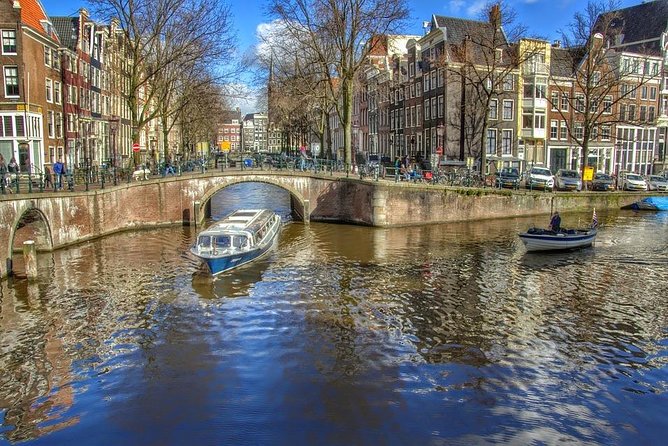
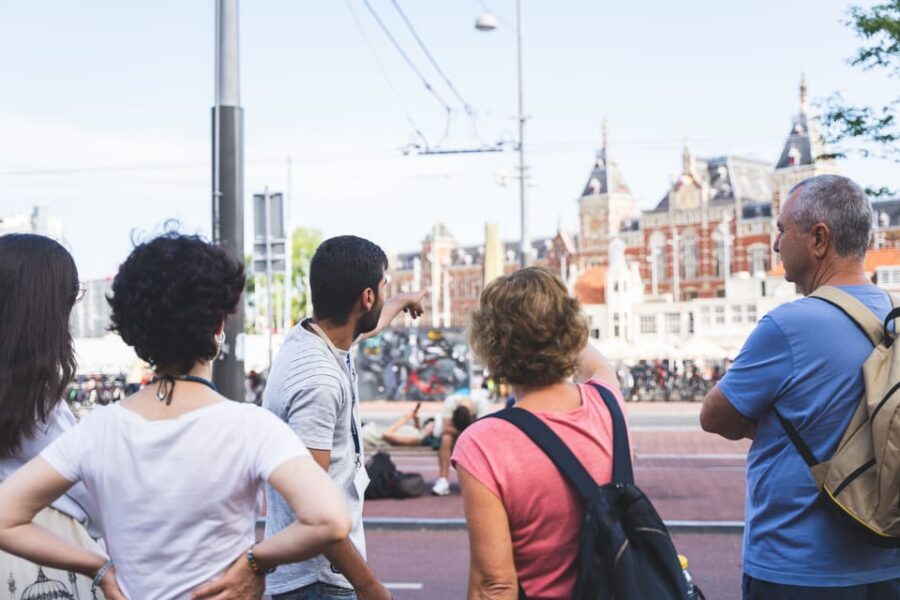
This is the kind of tour that’s easy to fit into a busy visit. You meet at Amstel 51C (1018 EJ), then follow a guided walking route through multiple neighborhood-level stops before ending back in central areas with a canal-cruise segment.
The timing is built for focus: many stops are around 10 minutes each, so you get a few facts and key context without burning your whole afternoon standing still. The canal cruise is the slower breath—about 1 hour—and that’s where the “Amsterdam mood” shows up: water, bridges, and city views instead of heavy museum walls.
Because this is private, you’re not competing with other groups for attention at the stops. That matters on emotionally demanding sites, where you may want the guide to slow down or answer a question without feeling rushed.
You can also read our reviews of more tours and experiences in Amsterdam.
Starting point at Amstel 51C: your meetup and the feel of the route
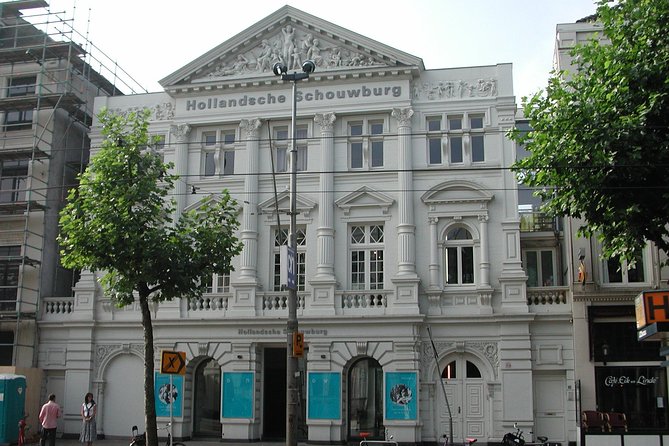
Meeting at Amstel 51C puts you close to major tram and metro connections, which is handy if your day is already mapped out with museums, day trips, or hotel check-ins. You’re also positioned well for the walk into the more central historic areas.
This matters more than it sounds. Amsterdam can feel like a maze when you’re moving with purpose. A fixed start point and a guided flow helps you keep your bearings fast and saves time on decision-making—especially if you’re trying to see a lot in one go.
Portugese Synagoge: Sephardic Amsterdam in a living place of worship
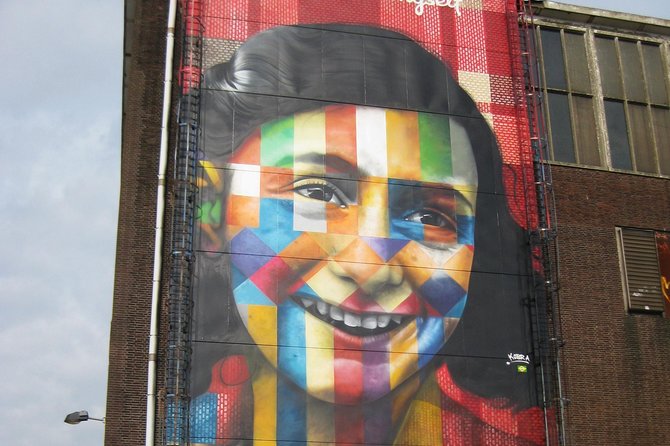
Stop one is the Portuguese Synagogue, a site tied to the Jewish community of Amsterdam and especially the Sephardic tradition. The standout here is that it’s not just a historical backdrop: it remains an active place of worship and also draws visitors, which gives the area a present-day energy even as the story points to difficult eras.
What I like about starting here is the structure. You begin with community identity and cultural presence—one of the largest and richest Jewish communities in Europe during the Dutch Golden Age—so later stops about deportation and resistance land with more weight. It’s easier to understand what was lost when you first hear what life and community looked like before the catastrophe.
Practical note: the tour lists admission ticket details as free for this stop, but you should still be ready to follow any on-site rules about movement, photography, and respectful behavior.
Auschwitz Monument and Hollandsche Schouwburg: how the tour talks about deportation
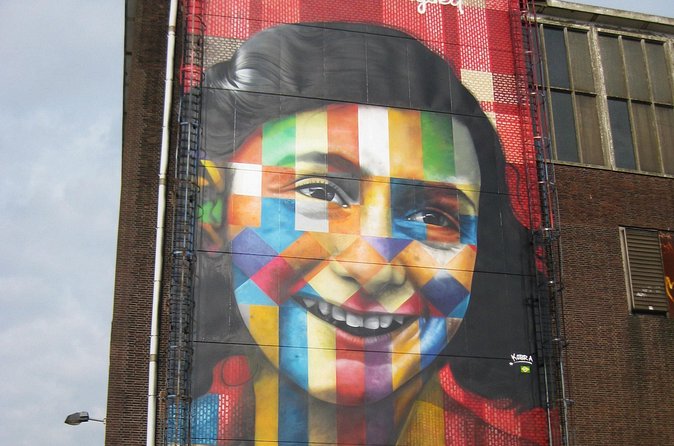
Then the route turns harder, with stops focused on deportation.
At the Auschwitz Monument, the guide explains the monument and the broader idea of Jewish deportation. After that, you move to Hollandsche Schouwburg, where the emphasis is on the deportation camps connected to this story.
These are not the kind of stops you want to rush through. Since each stop is timed at about 10 minutes, the guide becomes crucial here: you’re looking for clear context and careful wording, not a long lecture. This is also where the private format can be a big win. If you need a moment to process or want clarification on what you’re seeing, you can usually get it without feeling like you’re holding up a huge crowd.
If you’ve visited other Holocaust-related sites around Europe, you’ll recognize a common theme: these places are not only about a location, but about how humans were processed, separated, and reduced to numbers. A good guide helps you keep your footing emotionally while still taking in the facts.
Verzetsmuseum Amsterdam and De Plantage: resistance and the neighborhood context
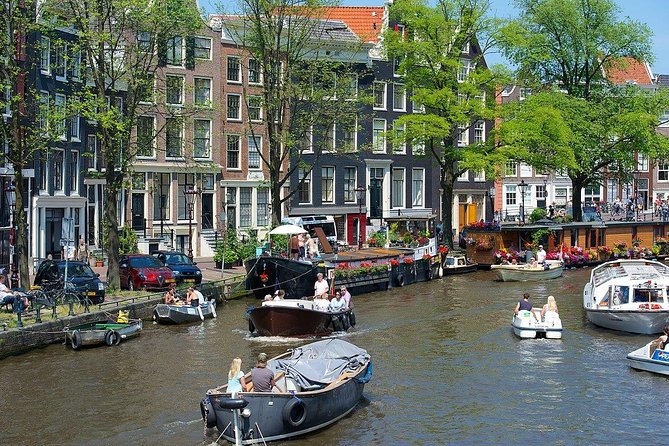
Next comes Verzetsmuseum Amsterdam, focused on the Jewish community’s resistance. This is an important tonal shift, and I’m glad the tour includes it. It prevents the story from becoming only loss. You see that people didn’t just endure—they also resisted.
Then you get De Plantage, which is framed as both a beautiful area and a place with history. This stop is valuable because it reconnects the story to ordinary geography. It’s one thing to learn about persecution; it’s another to remember that these events played out in real streets, squares, and neighborhoods where people lived.
If you’re the type of visitor who likes your history to have a physical map, Plantage helps. You come away with a better sense of where things were happening in the city, instead of only seeing isolated monuments.

Spinoza Monument: bringing philosophy into the route
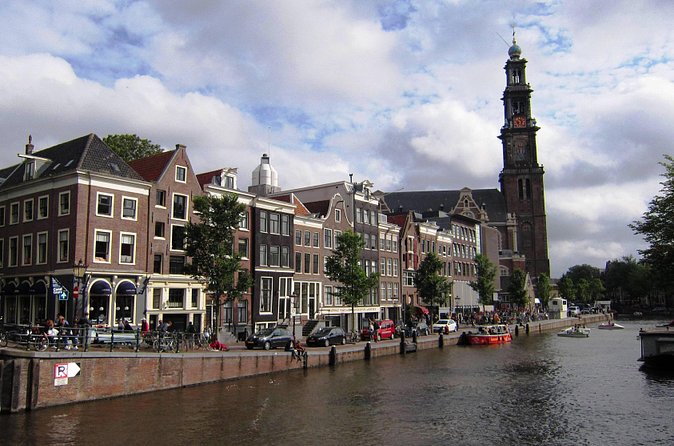
The Spinoza Monument appears mid-tour, giving the day a different angle. The tour frames it as a monument tied to Spinoza, and even without turning it into an academic stop, it can do something meaningful: it reminds you that Amsterdam’s Jewish history isn’t only a Holocaust narrative.
This kind of stop can also help you reset. After several heavier moments, a brief turn toward intellectual legacy makes the whole route feel more rounded. You’re still in the same historical city; you’re just seeing a different layer of identity.
Dam Square and De Schaduwkade: closing the day with central landmarks
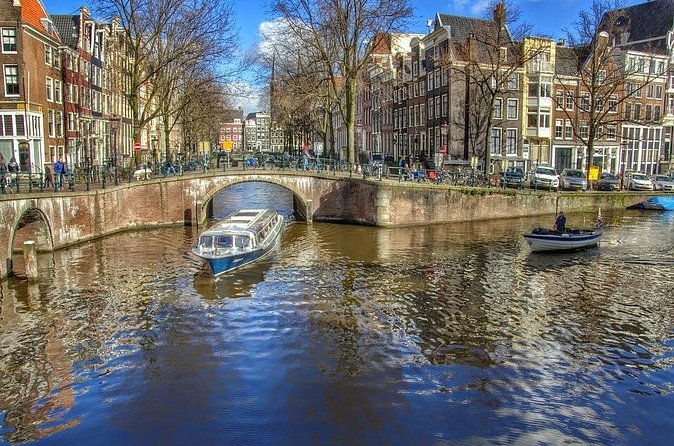
From there, you walk toward Dam Square and the Royal Palace area. Dam Square is a powerful “public stage” location. The tour lists time to explore the Dam Square monument and nearby context for about 10 minutes, so it works like a breather at the end of a serious storyline.
Then you continue to De Schaduwkade, where you see the Schaduwkade monument.
Why include these final stops? Because it helps you end in the kind of lively central Amsterdam most visitors recognize. You’re not leaving the day only with heavy impressions; you’re finishing in the real city where you can continue exploring on your own afterward.
Amsterdam Canal Ring cruise: why the 1-hour segment matters
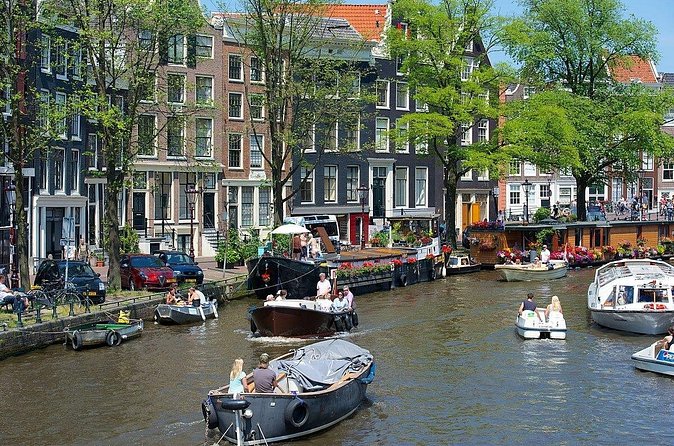
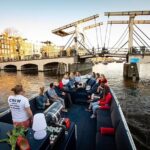
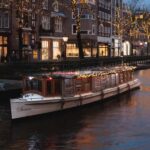
The final major piece is the Amsterdam Canal Ring cruise, included and listed as about 1 hour.
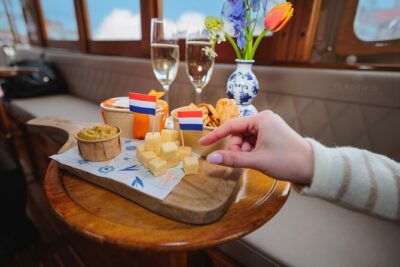
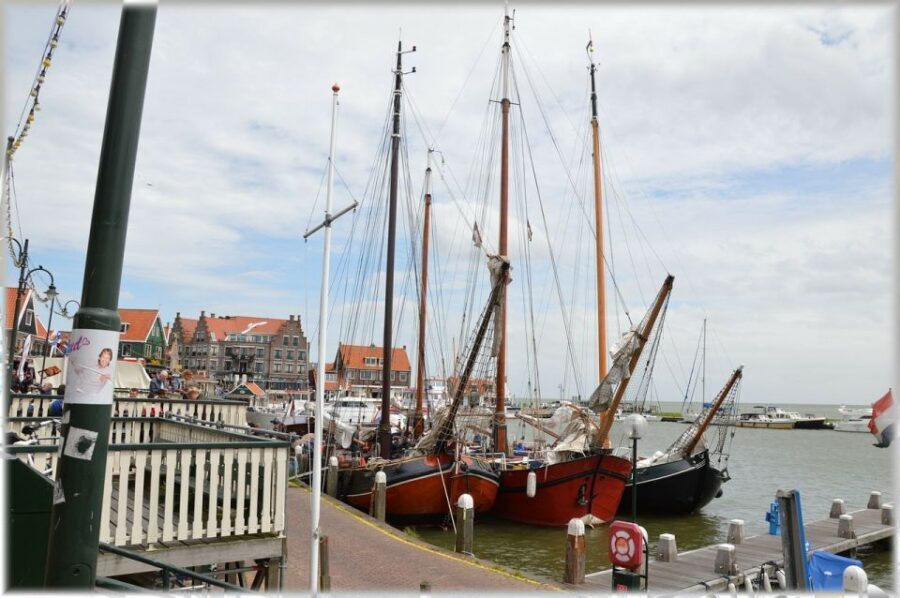
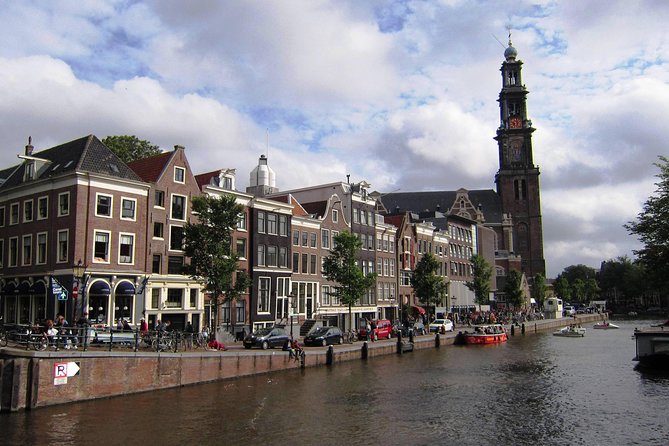
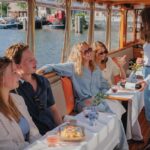
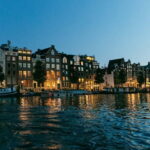
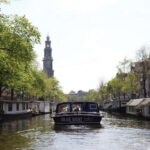
I love an included canal cruise for one very practical reason: it’s a built-in way to process the day. You’ve walked and stood at multiple points of intense history. On the water, your brain gets to switch from “reading” to “seeing.” Bridges frame the skyline. The canal ring rhythm gives you a different kind of Amsterdam perspective—one that’s beautiful even when the narrative earlier was not.
Also, the tour notes that you can decide to hop off at various places during the canal segment. That’s a nice flexibility if you want to keep your evening plans intact, especially if you’re heading back to your hotel or lining up dinner near a specific canal area.
Price and value: what you’re paying for at about $177.73 per person
At $177.73 per person for a private, ~3-hour experience, you’re paying for three things: a guide, a private-group setup, and the cruise time.
Here’s how I’d think about value:
- If you want a guide’s narrative, especially for complex and sensitive history, this format pays off. The tour is short, so the guide’s ability to give clear context is the main product.
- You’re not paying separately for the cruise, which is a real cost saver compared to booking canal tickets on your own.
- You are not buying Anne Frank House access. That’s the big “value trap” if you’re assuming the tour name means museum entry.
For many visitors, the route is priced like a focused history walk plus a cruise, not like an all-in Anne Frank day. If you match your expectations to that, you’ll likely feel it’s money well spent. If you’re expecting Anne Frank House tickets bundled into this package, you may feel let down—especially if your plans depend on getting into that specific site.
Who this tour suits best (and who should be careful)
This tour fits you best if:
- You want Jewish community history in Amsterdam explained in a single guided outing.
- You’re okay with quick stops and want context, not a museum marathon.
- You like finishing with something scenic, like the canal cruise, instead of ending in another indoor queue.
- You prefer a private format where you can ask questions without competing for attention.
Be cautious if:
- Your entire trip hinges on Anne Frank House admission. The tour data explicitly says that entrance is not included, so you’ll need your own ticket plan.
- You need very long time at each site. The tour keeps stops around 10 minutes, which is efficient, but it won’t feel like a slow, in-depth study at one location.
Should you book this Private Anne Frank tour with canal cruise?
I’d book it if your goal is to understand the wider Jewish story in Amsterdam, including resistance and deportation-related sites, and you want a guide to connect the stops for you. The short length makes it an easy add-on day plan, and the included canal cruise gives you a real payoff in scenery.
I’d think twice if you’re buying it expecting guaranteed Anne Frank House access. The name can lead to that assumption, but the experience isn’t built around the museum entry. If Anne Frank House is non-negotiable, treat your ticket as a separate mission and only use this tour for the street-level history and the canal finish.
FAQ
How long is the tour?
The tour is listed as about 3 hours (approx.).
Is this a private tour?
Yes. It’s a private tour/activity, and only your group participates.
What language is the tour offered in?
It’s offered in English.
What’s included with the tour?
Included items are the canal cruise plus a local guide and a private guide.
Does the tour include entrance to the Anne Frank house?
No. Entrance to the Anne Frank house is not included.
Where does the tour start?
The start is Amstel 51C, 1018 EJ Amsterdam, Netherlands.
Can I cancel for a full refund?
Yes. Free cancellation is available, and you can cancel up to 24 hours in advance for a full refund.
Is a mobile ticket used?
Yes, the tour includes a mobile ticket.