REVIEW · AMSTERDAM
Amsterdam: Romantic Canal Cruise with Optional Bubbles & Bites
Book on Viator →Operated by Flagship Amsterdam · Bookable on Viator
Some days in Amsterdam call for a quick win. This 1-hour Prinsengracht cruise hits the highlights without the long planning.
You start right by the Anne Frank House, glide along the UNESCO-listed canal ring, and get live narration that ties the buildings to the stories.
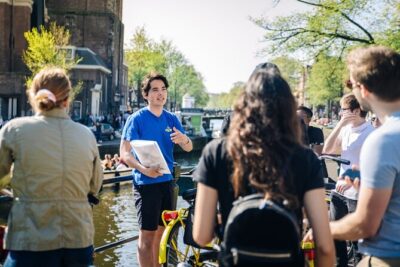
I especially like the onboard guide: the explanations make the canal scenery feel like a moving map. I also like that you can add bubbles and bites if you want your cruise to feel more like a date-night snack run.
One drawback to consider: if you want a quiet, strictly romantic vibe, the experience can feel more social—especially in bad weather or if your boat’s mix isn’t what you expected.
In This Review
- Key things I’d watch for
- Starting at Anne Frank House: an easy “yes” in the Jordaan
- Price and what you get: strong value for a 1-hour UNESCO fix
- Bubbles and bites: fun, but don’t ignore the fine print
- The Prinsengracht start: why the canal names matter
- Jordaan to the houseboat museum and the Nine Straatjes
- Leidseplein and the Rijksmuseum view: culture you can spot fast
- Spiegelgracht and the art-gallery feeling of the canal ring
- Amstel: the city’s origin story, told while you glide
- Westerkerk, Carré theater, and the performing-arts Amsterdam vibe
- Bridges, museums, and the “pass-by” thrill of canal sights
- Church towers and street-scene stops: Zuiderkerk and more
- Royal Palace, Zeedijk, Nieuwmarkt, and the city’s layers
- Food-and-market Amsterdam from the water: flowers and cheese energy
- Weather reality: what rain and fog do to your views
- Group size, vibe, and why the boat mix can change your mood
- Practical tips: stepping in, staying warm, and making the dock work
- Should you book this Anne Frank to Prinsengracht canal cruise?
- FAQ
- How long is the Amsterdam canal cruise?
- Where does the cruise start and end?
- Is there live commentary during the cruise?
- What’s included if I choose the bubbles and bites option?
- Are tips included in the price?
- What allergens are in the snacks?
- Can I cancel for a full refund?
Key things I’d watch for
- Anne Frank House as your easy starting point: you begin and end on Prinsengracht in the center of things.
- Live commentary that gives meaning to the views: you’re not just looking, you’re learning as you go.
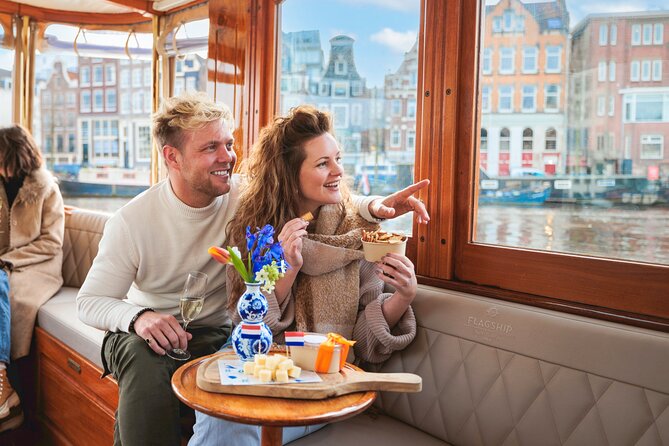
- Optional unlimited bubbles and one serving of bites: great if you want a party mood, but confirm what you ordered.
- UNESCO canal ring made compact: a short trip, lots of iconic canal names and landmarks.
- Boat comfort depends on weather: rain and foggy windows can cut down what you can see.
- You’ll step into the boat: there’s a fairly big step, but stewards assist.
Starting at Anne Frank House: an easy “yes” in the Jordaan
The meeting point is practical: in front of the Anne Frank House on Prinsengracht (Prinsengracht 263). That matters because Amsterdam is a puzzle of canals, bridges, and turns. Here, you’ve got a famous landmark and a straightforward location.
After about an hour, you return to the same spot. That loop is ideal if you want to lock in a canal cruise early, then still have energy for walking, museums, or a proper meal later.
This route also puts you in the Jordaan area, one of the most atmospheric parts of Amsterdam. Even before the boat moves, you’re in the right mood: canal-side streets, tidy facades, and the kind of neighborhood vibe that makes you want to keep exploring long after the cruise ends.
You can also read our reviews of more tours and experiences in Amsterdam.
Price and what you get: strong value for a 1-hour UNESCO fix
At $21.87 per person, this cruise sits in the “good deal” category for Amsterdam, where attractions often charge extra for less time. You’re paying for three real things: a 1-hour canal cruise, a local live guide, and a skipper who handles the boat.
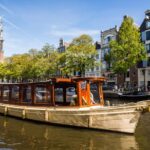
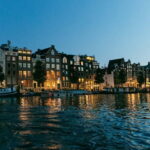
You also get access to Amsterdam’s most photographed assets in one tight loop. You’re seeing the Prinsengracht and the canal ring—the UNESCO-listed stretch that’s a core reason Amsterdam earns the Venice-of-the-North nickname.
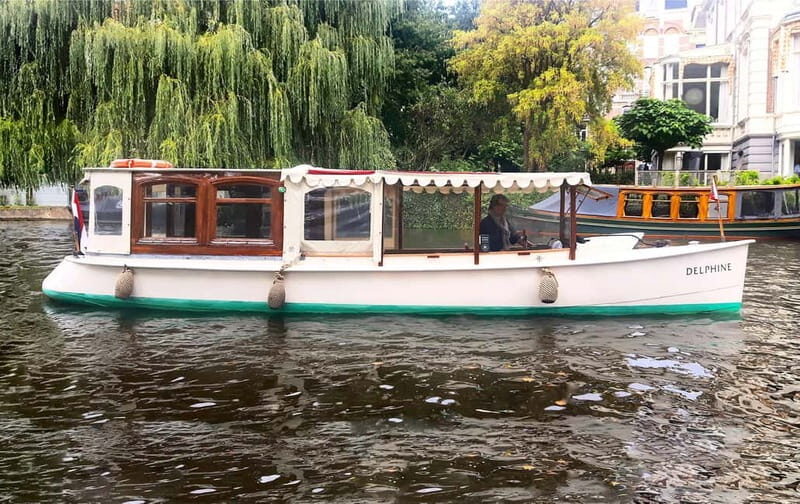
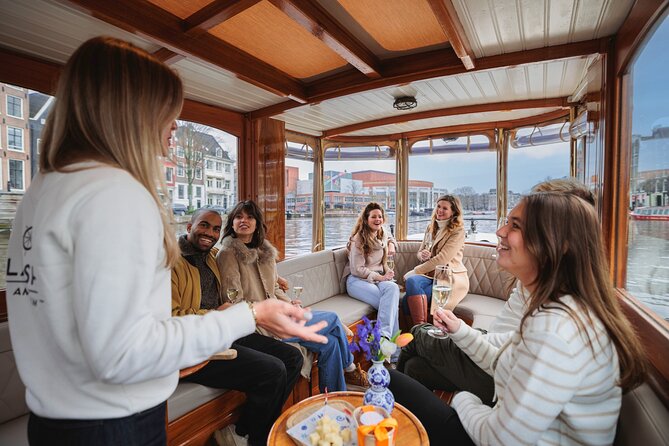
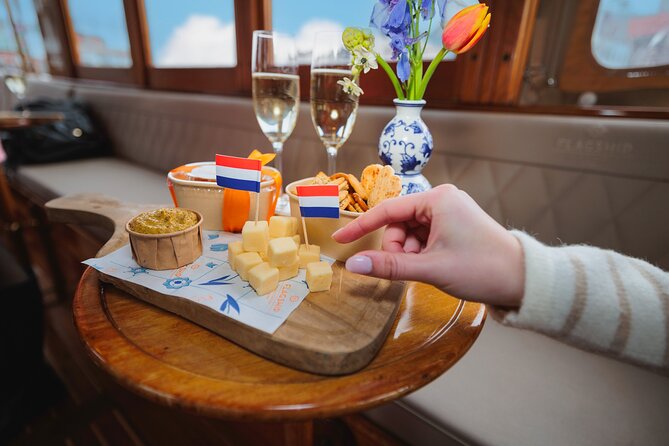
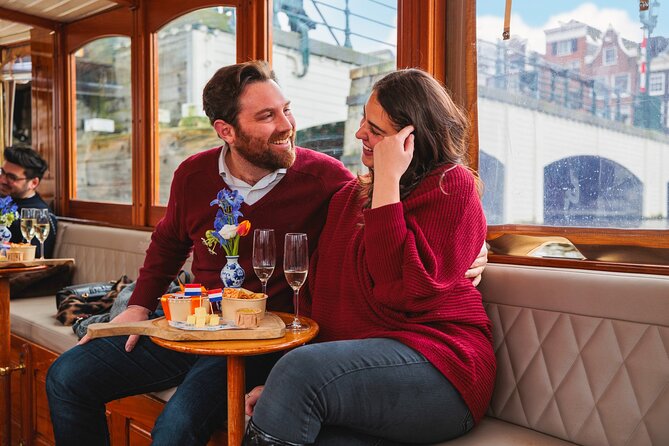
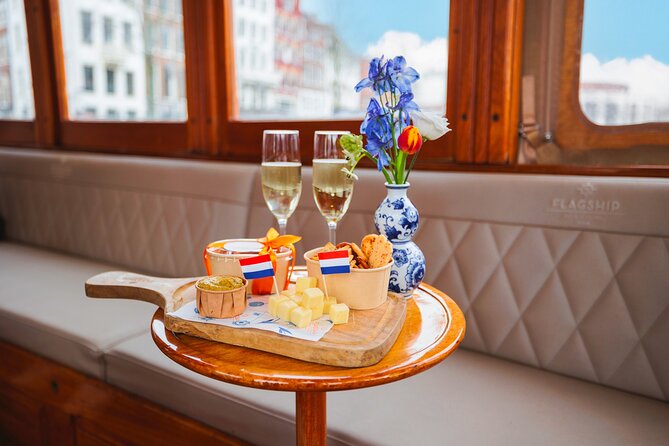
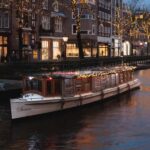
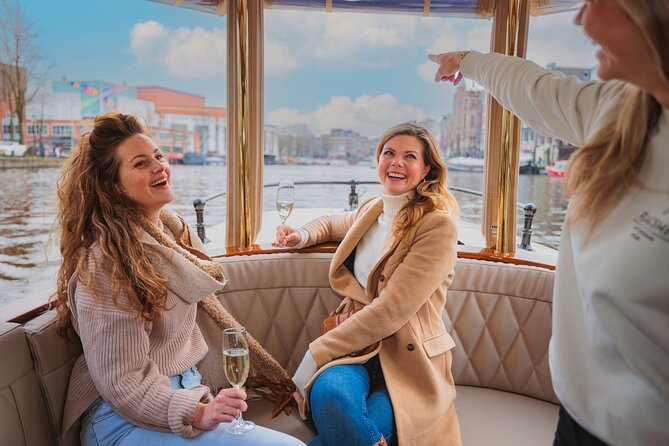
If you add the bubbles & bites option, the value can jump again. The included setup is simple: unlimited glasses of bubbles plus one serving of delicious bites. That can turn the cruise from scenic sightseeing into a relaxed snack-and-sip break while you’re inside warm (or at least sheltered) from the chill outside.
Bubbles and bites: fun, but don’t ignore the fine print
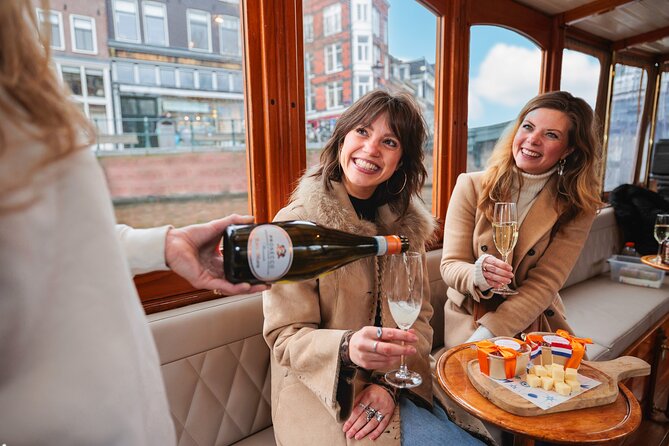
Here’s the key thing to understand: this is a canal cruise with optional add-ons, and the boat experience can vary. One review complaint was that the boat didn’t match expectations, including drinkware (plastic cups instead of what some people hoped for). Another complaint said the bubbles and bites weren’t delivered as advertised on that particular sailing.
So my advice is not complicated: if you book the bubbles and bites option, take a quick moment after boarding to confirm what you’re getting. This is especially important if you’re treating the cruise as a special occasion.
The upside is clear from the stronger ratings: people loved having bubbles kept flowing and called out the bites as genuinely good. In other words, when the add-on is delivered as expected, it turns the cruise into a lively, feel-good hour.
The Prinsengracht start: why the canal names matter
Right away, you’re cruising on Prinsengracht, one of Amsterdam’s three main canals of the 17th-century canal belt (along with Herengracht and Keizersgracht). The guide’s narration makes this feel less like random water and more like a design plan.
You also get context about the area name. There’s a commonly told origin theory that the name connects to the French word Jardin (garden), plus an idea that Prinsengracht once carried a different nickname linked to the Jordaan connection. The point of these stories is more than trivia: they help you notice patterns, like how street names around the Jordaan connect to trees and flowers.
As you move, you’ll also hear about what makes the canal belt special: UNESCO status and huge numbers of monumental buildings along the canals from that Golden Age period. It’s a reminder that this isn’t just romantic scenery—it’s also engineered, planned urban history.
Jordaan to the houseboat museum and the Nine Straatjes
As the boat glides, expect the guide to pull you into the culture of the Jordaan. This is where canal life feels close to the ground: houseboats, narrow streets, and that “you could live here” feeling.
One of the stops along the route is the houseboat museum on Prinsengracht. Even if you don’t step out, the narration helps you read what you see. Houseboats aren’t a vague Amsterdam stereotype here—they’re part of how people actually lived with the city’s waterways.
Then comes De Negen Straatjes (the Nine Straatjes), a famous cluster of small streets known for independent shopping. From the water, it’s not about buying things; it’s about seeing the canal web that makes this area so easy to wander on foot once the cruise ends.
My practical take: use this cruise to get your bearings. After you disembark near Anne Frank House, you’ll already understand which side streets connect where.

Leidseplein and the Rijksmuseum view: culture you can spot fast

The route also passes by Leidseplein, a busy square in central Amsterdam known for nightlife. The guide frames it as a place that used to serve as the road end from Leiden and a parking area for horse-drawn traffic—then modern roads and restaurant streets took over.
Next, you get one of the most satisfying “spot it instantly” moments: views toward the Rijksmuseum. The main building and renovation history are part of what the guide explains, including the museum’s reopening after a major renovation, and how it’s one of the country’s biggest art museums.
This is a good moment for a photo, but it’s also useful for planning. If you see the Rijksmuseum from the canal, you’ll understand the general orientation of Museumplein and the surrounding art district. That helps you decide later if you want a museum day—or if you’d rather use that time for canals and neighborhoods.
Spiegelgracht and the art-gallery feeling of the canal ring

You’ll also cruise near Spiegelgracht, which connects Prinsengracht toward other waterways. This area is described as part of the Spiegelkwartier, known for galleries and antique shops.
Even if you don’t go inside during the hour, this kind of commentary gives you a map you can use later. The canal ring is like a set of interconnected chapters. Once you’ve heard the names, the walk between them starts to feel logical instead of random.
In practical terms, this is where you start noticing how Amsterdam arranges art and commerce side by side. The city doesn’t separate “pretty” from “useful.” It just stacks life along the water.
Amstel: the city’s origin story, told while you glide
Then the cruise narrative shifts toward the Amstel. The guide explains the big idea: Amsterdam grew from this waterway when it was more river than canal, with the original “dam” leading to the city’s name and foundation.
This is a smart inclusion because it turns your cruise into more than surface-level beauty. You’re learning why Amsterdam is built like it is, not just where the famous sites are.
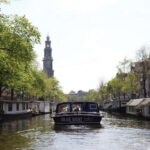
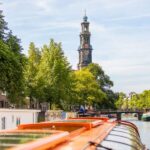
Along the way, expect passing views and guided context connected to major landmarks near the Amstel area. The route includes the Westerkerk (Western Church), for example, and other prominent structures that help you understand how churches, theaters, and museums share the same central streets.
Westerkerk, Carré theater, and the performing-arts Amsterdam vibe
From the Westerkerk to the Royal Theatre Carré, you get a sense that Amsterdam doesn’t only do museums. It does performance with style.
The guide provides background on Carré, including its origins as a permanent circus building and its modern use for musicals, cabaret, and pop concerts. Whether you’re into theater or not, it’s the kind of info that makes you appreciate the city’s older entertainment roots.
You’ll also get references to Dutch National Opera and the Stopera building. The Stopera is modern compared to the historic church buildings, and hearing how those institutions fit together makes the area feel less like a collection of landmarks and more like a functioning cultural district.
Bridges, museums, and the “pass-by” thrill of canal sights
One of the fun parts of a canal cruise is that you don’t need to choose between sights. You see a lot from a single moving viewpoint.
Along the Amstel, you’ll pass notable bridges, including Blauwbrug (Blue bridge). You’ll also hear about Hermitage Amsterdam, which is described as a branch of Russia’s Hermitage Museum and housed in an older building by the river.
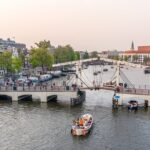
The narration also includes the Magere Brug (the Skinny Bridge), the wooden drawbridge connection, and why the earlier narrow bridge changed over time. These kinds of details help the bridge feel like a story, not just a photo spot.
If you’re a map person, this is where the cruise helps you connect dots for later walking. A short boat ride often makes the next day’s wandering easier.
Church towers and street-scene stops: Zuiderkerk and more
The route includes another notable religious landmark: the Zuiderkerk, described as the first Protestant church designed for worship in Amsterdam, along with its placement near what is now the Nieuwmarkt area.
But the narration doesn’t stop at church towers. You’ll also hear about the way Amsterdam’s streets evolved, including neighborhoods shaped by trade, sailors, and later nightlife.
That street-scene shift shows up with areas like Zeedijk, associated with Amsterdam’s Chinatown today, and historically known for crime and later revitalization. It’s an example of how the city changes its identity without losing its core geography.
Royal Palace, Zeedijk, Nieuwmarkt, and the city’s layers
At various points along the cruise, the guide references central anchors like the Royal Palace Amsterdam, described as a key royal residence and an open-to-visitors historic building when possible.
You’ll also hear about Nieuwmarkt, the square and neighborhood area that links to Zeedijk and the Sint Antoniesbreestraat. Again, you might not step out, but knowing the names helps you later find your way on foot.
The canal narration also references the Rokin, and a sense of how the Amstel course relates to the street-and-water layout near Dam Square and Muntplein. When a city is built on water, “street addresses” make more sense once you understand which canal or river course sits underneath.
Food-and-market Amsterdam from the water: flowers and cheese energy
Some of the best Amsterdam stories come from food, markets, and daily life.
One stop theme is the Amsterdam Flower Market, described as the only floating flower market in the world and operating since the 1860s. From a boat, those floating stalls fit the city’s identity perfectly—Amsterdam turns commerce into canal culture.
Another is the Amsterdam Cheese Museum. The guide frames it as a big cheese experience, including history of cheese making and even dressing up like a traditional cheese farmer. Even if you don’t visit during the hour, hearing that pitch from the water is useful—because you’ll know what to look for when you decide to add a museum or tasting later.
Weather reality: what rain and fog do to your views
Amsterdam weather can be dramatic. If it’s cold or rainy, plan on the cruise being more about comfort than perfect photos.
One review specifically described a rainy day with windows that were foggy and a heavily covered boat section, resulting in fewer visible sights. The crew still did their best, but the lesson is simple: if visibility matters most to you, choose a time when the weather looks kinder, or be mentally ready to focus on narration and atmosphere instead of skyline shots.
Also pack warm clothing. The cruise is on the water, and it gets colder than you think once you factor in wind off the canals.
Group size, vibe, and why the boat mix can change your mood
This cruise caps at 40 travelers, which is pleasantly small for Amsterdam. You won’t feel swallowed by a huge crowd, and it’s easier for the guide to keep the group engaged.
That said, the reviews show one important factor: the “romantic” label doesn’t guarantee a couples-only vibe. Some people expected a date-night atmosphere and felt disappointed when their boat’s crowd leaned toward party groups or included children. That doesn’t mean the cruise is bad—it means your expectations should match the format: it’s a shared public tour.
One practical rule from the operator: no bachelor/birthday party groups are allowed (private option can be requested). Still, you can’t control every person in a shared sailing. If romance is your top priority, go in with flexibility.
Practical tips: stepping in, staying warm, and making the dock work
Small details help the day go smoothly.
- There’s a fairly big step into the boat. Stewards assist, but you’ll still feel it, especially with luggage or if you’re not steady on stairs.
- Bring warm clothing. Cold wind off the canals is real.
- Alcohol and bites are optional add-ons. If you didn’t choose them, you’ll still get the cruise and the commentary.
- If you show up and you don’t see boats at the dock, the operator asks you to call or visit their office near Leliegracht 50.
Finally, check allergies. The bites contain gluten, milk, mustard, and sesame, and they may include traces of peanuts and nuts. If you’re sensitive, take that seriously.
Should you book this Anne Frank to Prinsengracht canal cruise?
Book it if you want:
- A short, high-impact Amsterdam canal experience in about an hour
- Live storytelling that helps you understand Amsterdam’s canal belt and key landmarks fast
- A fun add-on option with unlimited bubbles and bites, especially if you like a lively onboard mood
Consider skipping or switching plans if:
- You need a strictly quiet, couples-only romantic setting
- You’re booking mainly for the visuals and you tend to get cranky when windows are foggy or visibility drops
My take: this is a solid “get your bearings fast” cruise with enough structure from the guide that even a short time on the water feels meaningful. Just manage expectations about romance, and you’ll get the best version of the hour.
FAQ
How long is the Amsterdam canal cruise?
It runs for about 1 hour.
Where does the cruise start and end?
It starts in front of the Anne Frank House on Prinsengracht 263 and ends at the same location.
Is there live commentary during the cruise?
Yes. You’ll have a local live guide on board, and the tour is offered in English.
What’s included if I choose the bubbles and bites option?
You get unlimited glasses of bubbles and snacks (one serving of bites). If you don’t choose that option, the base cruise still includes the canal ride and the guide.
Are tips included in the price?
No. Tips are not included.
What allergens are in the snacks?
The bites contain gluten, milk, mustard, and sesame, and may contain traces of peanuts and nuts.
Can I cancel for a full refund?
Yes. You can cancel up to 24 hours in advance for a full refund.